2026 US Data Privacy: VR Compliance for Business Workflows
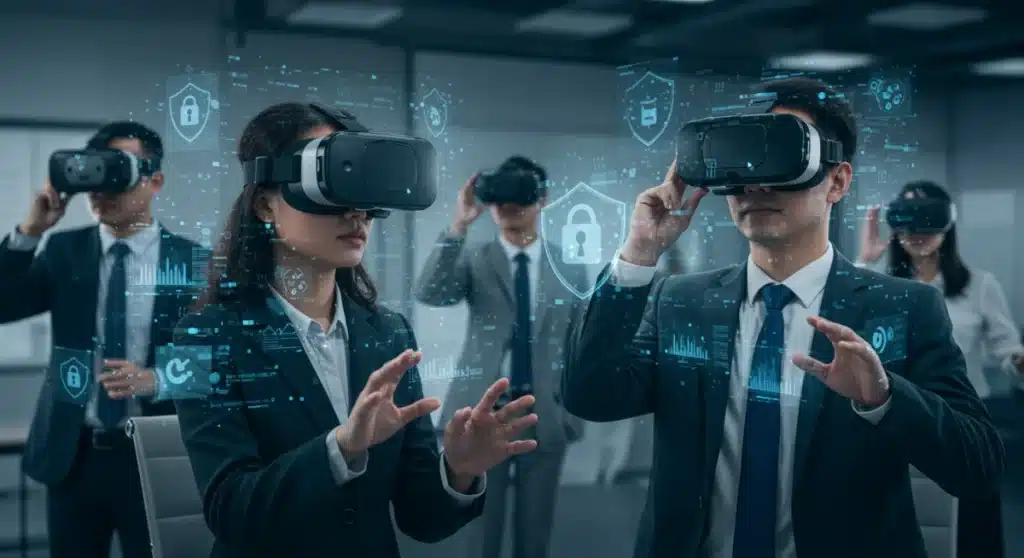
As we rapidly approach 2026, businesses across the United States face an increasingly complex landscape of data privacy regulations. The integration of virtual reality (VR) into daily operations, particularly within immersive workflows, presents both unprecedented opportunities and significant challenges for ensuring compliance. Understanding and implementing robust strategies for VR data privacy compliance is not merely a legal obligation but a critical component of maintaining trust and fostering innovation in the digital age.
The Evolving US Data Privacy Landscape in 2026
The United States’ approach to data privacy has historically been sector-specific, leading to a patchwork of state and federal laws. However, 2026 is poised to bring further consolidation and new regulations that demand a more unified compliance strategy from businesses. This evolving landscape requires proactive measures, especially as immersive technologies like VR become more prevalent in corporate environments.
Businesses must stay abreast of these changes, as non-compliance can lead to severe penalties, reputational damage, and loss of consumer trust. The push for a comprehensive federal data privacy law continues, influencing how states develop their own regulations, creating a dynamic and often challenging environment for compliance officers.
Key Legislative Shifts and Their Impact
Several legislative shifts are expected to shape the data privacy landscape in 2026. While a single federal law similar to Europe’s GDPR has yet to materialize, the trend indicates increased scrutiny on how personal data is collected, processed, and stored.
- Expansion of State Laws: More states are enacting their own comprehensive privacy laws, often mirroring or building upon frameworks like the California Consumer Privacy Act (CCPA) and the Virginia Consumer Data Protection Act (VCDPA).
- Sector-Specific Updates: Existing laws like HIPAA (health data) and COPPA (children’s online privacy) are likely to see updates, becoming more stringent in their application to emerging technologies.
- Focus on Biometric Data: With VR systems often collecting biometric data (e.g., eye tracking, facial expressions), new regulations specifically targeting this sensitive information are anticipated.
These shifts necessitate a flexible and adaptive compliance framework. Companies utilizing VR for business operations, from training to design, must embed privacy-by-design principles into their immersive workflows from the outset.
Challenges for Businesses in a Fragmented Regulatory Environment
Operating within a fragmented regulatory environment presents numerous challenges. Businesses often struggle with understanding which laws apply to them, especially if they operate across multiple states or internationally. This complexity is compounded by the rapid pace of technological innovation, making it difficult for legislation to keep up.
The lack of a uniform federal standard means businesses may need to adhere to different requirements for data collection, consent, and data subject rights depending on the user’s location. This can lead to increased operational costs and the risk of non-compliance if not managed effectively. It underscores the need for robust internal policies and a clear understanding of data flows within VR environments.
Understanding Data Collection in VR Immersive Workflows
Virtual reality environments, by their very nature, are designed to immerse users, often collecting a wealth of data to enhance the experience. In business applications, this data can range from performance metrics in training simulations to spatial mapping data in design reviews. Understanding what data is collected and how it’s used is the first step toward effective VR data privacy compliance.
The level of immersion in VR means that data collection can be far more granular and personal than in traditional digital interactions. This includes not just explicit inputs but also implicit behavioral data, which raises unique privacy concerns.
Types of Data Collected in VR Environments
VR systems can collect a diverse array of data, each with its own privacy implications. Businesses must conduct thorough data mapping exercises to identify all data points collected within their immersive workflows.
- Interaction Data: Hand movements, gaze direction, button presses, and voice commands. This data can reveal user intent, engagement levels, and cognitive processes.
- Biometric Data: Eye-tracking for gaze analysis, facial expressions, heart rate (if integrated with wearables), and even brain activity in advanced systems. This is highly sensitive personal information.
- Environmental Data: Spatial mapping of physical environments, object recognition, and ambient sound. This can inadvertently capture information about the user’s surroundings.
- Performance Data: Time taken to complete tasks, error rates, learning curves, and decision-making patterns in training or simulation scenarios.
Each type of data requires careful consideration regarding consent, storage, access, and retention policies to ensure compliance with relevant privacy laws. The sheer volume and sensitivity of this data make VR a unique challenge for privacy professionals.
The Role of Consent and Transparency
Obtaining informed consent is paramount in VR environments, particularly given the intrusive nature of some data collection. Transparency about what data is being collected, why it’s being collected, and how it will be used is crucial for building user trust and ensuring legal compliance.
Businesses should implement clear, concise, and easily understandable privacy notices within their VR applications. These notices should ideally be presented in an immersive, interactive format that encourages users to engage with and understand the terms, rather than simply clicking ‘accept.’ Mechanisms for users to revoke consent or manage their data preferences should also be readily available within the VR experience itself.
Implementing Privacy-by-Design in VR Business Solutions
Privacy-by-design is a fundamental principle that advocates for embedding data protection into the entire lifecycle of technologies and practices. For VR business solutions, this means considering privacy implications from the initial design phase through deployment and ongoing operation. It’s far more effective and cost-efficient than trying to retrofit privacy controls later.
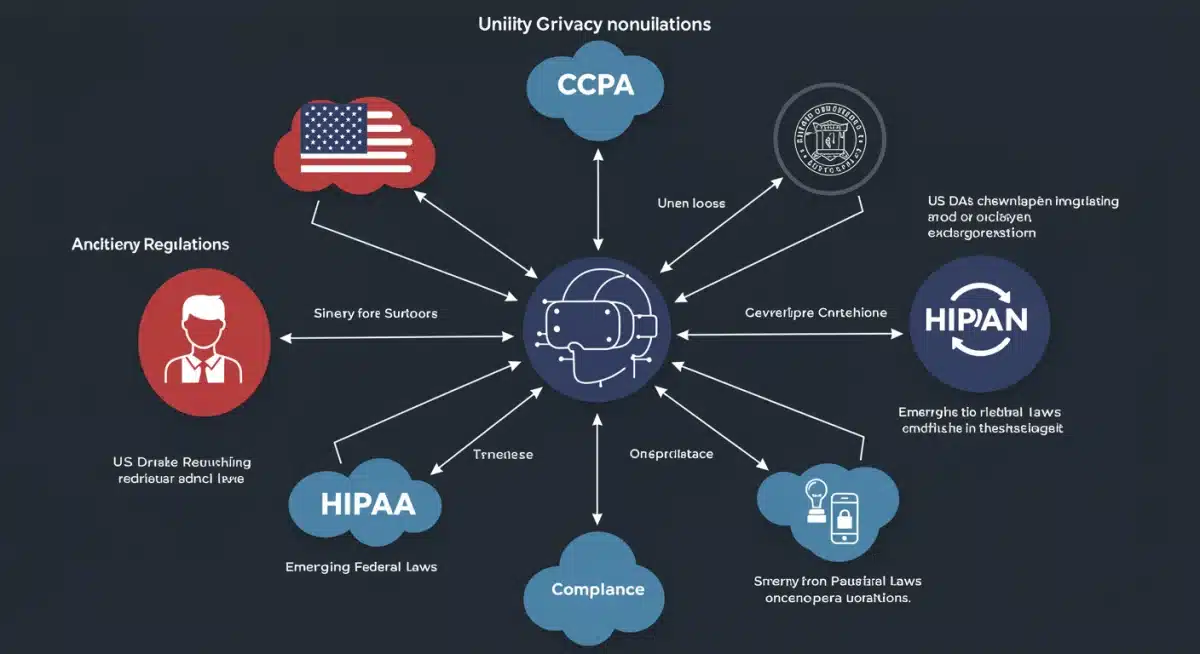

This proactive approach helps businesses anticipate and mitigate potential privacy risks before they become issues, ensuring that privacy is a core feature, not an afterthought. It also fosters a culture of privacy within the organization, which is essential for sustained compliance.
Integrating Privacy from Conception to Deployment
The integration of privacy-by-design principles should start the moment a VR business solution is conceptualized. This involves cross-functional teams, including legal, IT, and product development, collaborating to identify and address privacy considerations at every stage.
- Data Minimization: Design VR applications to collect only the data absolutely necessary for their intended purpose. Avoid collecting extraneous or highly sensitive information unless strictly required and justified.
- Anonymization and Pseudonymization: Implement techniques to anonymize or pseudonymize data wherever possible, especially for analytics or research purposes where individual identification is not needed.
- Security by Design: Build robust security measures into the VR platform and data storage systems from the ground up to protect against unauthorized access, breaches, and data loss.
- User Control: Empower users with granular control over their data and privacy settings within the VR environment. This includes options for data deletion, access, and modification.
By making privacy a core design requirement, businesses can not only ensure compliance but also enhance user trust and the overall quality of their VR offerings. This proactive stance distinguishes responsible VR adopters in a competitive market.
Best Practices for Secure Data Handling in VR
Beyond design, specific practices are crucial for secure data handling within VR immersive workflows. These practices should cover the entire data lifecycle, from collection to deletion.
Regular security audits and penetration testing of VR applications and associated data infrastructure are essential to identify and address vulnerabilities. Employee training on data privacy protocols, especially for those handling VR systems and data, is also critical. Data encryption, both in transit and at rest, should be a standard practice for all sensitive information collected within VR environments. Companies should also establish clear incident response plans for data breaches specifically tailored to VR data.
Training and Education for VR Data Privacy Compliance
Even the most sophisticated privacy-by-design systems can be undermined by human error or lack of awareness. Therefore, comprehensive training and education programs are indispensable for ensuring VR data privacy compliance within businesses. All employees, from developers to end-users, must understand their roles and responsibilities in protecting sensitive information.
Effective training goes beyond simply listing rules; it aims to cultivate a culture of privacy where every individual understands the importance of data protection and how their actions impact compliance and trust.
Developing Comprehensive Employee Training Programs
Training programs should be tailored to different roles within the organization, addressing the specific privacy challenges and responsibilities associated with each. For example, VR developers will need different training than HR personnel using VR for onboarding.
- General Privacy Awareness: Basic training for all employees on general data privacy principles, relevant regulations, and the company’s privacy policies.
- Role-Specific Training: Detailed training for employees who handle VR data directly, focusing on secure data collection, processing, storage, and access protocols.
- Technical Training: For IT and development teams, training on privacy-enhancing technologies, secure coding practices for VR applications, and data encryption methods.
- Incident Response Training: Equipping relevant teams with the knowledge and skills to respond effectively to data breaches involving VR data, minimizing damage and ensuring regulatory reporting.
These programs should be ongoing, with regular refreshers and updates to reflect changes in regulations, technology, and internal policies. Interactive training modules, perhaps even utilizing VR itself, can enhance engagement and retention.
Fostering a Culture of Privacy and Security
Beyond formal training, fostering a strong culture of privacy and security is crucial. This involves leadership commitment, consistent communication, and creating an environment where employees feel empowered to raise concerns and suggest improvements.
Regular internal communications, workshops, and awareness campaigns can reinforce privacy principles. Encouraging a ‘speak up’ culture regarding potential privacy risks or vulnerabilities helps in early detection and resolution. Recognizing and rewarding employees who demonstrate exemplary privacy practices can also motivate others. Ultimately, a strong privacy culture transforms compliance from a burden into a shared responsibility, integral to the company’s values and operations.
Auditing and Monitoring VR Compliance in 2026
Ensuring ongoing VR data privacy compliance is not a one-time task but a continuous process that requires regular auditing and monitoring. As VR technology evolves and regulations change, businesses must have mechanisms in place to assess their compliance posture, identify gaps, and implement corrective actions. This proactive oversight is critical for mitigating risks and demonstrating accountability.
Auditing and monitoring provide the necessary feedback loop to refine privacy strategies and ensure that implemented controls remain effective in dynamic immersive workflows. Without these processes, businesses risk falling out of compliance unknowingly.
Establishing Regular Compliance Audits for VR Systems
Regular, independent audits of VR systems and associated data handling processes are essential. These audits should assess adherence to internal policies, industry best practices, and applicable data privacy regulations.
- Scope Definition: Clearly define the scope of each audit, including which VR applications, data types, and operational workflows will be examined.
- Independent Review: Engage independent third parties or internal audit teams with no direct stake in the VR project to ensure objectivity.
- Technical and Process Audits: Conduct both technical audits of VR software and hardware for vulnerabilities, and process audits of data handling procedures.
- Documentation Review: Verify that all privacy policies, consent forms, data processing agreements, and incident response plans are up-to-date and accurately implemented.
The findings from these audits should be thoroughly documented, and a clear action plan should be developed to address any identified deficiencies. Follow-up audits are crucial to ensure that corrective actions have been effectively implemented.
Leveraging Technology for Continuous Monitoring
Manual audits alone may not be sufficient to keep pace with the dynamic nature of VR environments. Leveraging technology for continuous monitoring can provide real-time insights into compliance status and potential risks.
Implementing automated tools that monitor data access logs, identify unusual data transfer patterns, or detect unauthorized changes to VR application configurations can significantly enhance security and compliance. Data loss prevention (DLP) solutions can be adapted to monitor data exfiltration from VR environments. AI and machine learning can also be employed to detect anomalous behavior that might indicate a privacy breach or non-compliance. These technological aids support human oversight, making the compliance process more efficient and effective, providing a comprehensive view of data interactions within immersive workflows.
Addressing Cross-Border Data Transfers with VR
In an increasingly globalized business environment, many companies operate across international borders, even when primarily focused on the United States. The use of VR in business often facilitates collaboration with remote teams or international clients, leading to cross-border data transfers. Navigating the complex web of international data privacy laws, in addition to US regulations, is a critical aspect of VR data privacy compliance.
Different countries have varying standards for data protection, and transferring data from one jurisdiction to another requires careful consideration to ensure legality and security. This is particularly true for sensitive data collected in VR environments.
International Data Privacy Frameworks
Businesses engaged in cross-border data transfers must be familiar with key international data privacy frameworks that may interact with US laws. Even if primarily US-centric, interactions with global partners or customers necessitate this understanding.
- GDPR (General Data Protection Regulation): While an EU regulation, its extraterritorial reach means it can apply to US companies processing data of EU citizens.
- APEC Privacy Framework: A non-binding framework for Asia-Pacific economies, offering guidance on data privacy principles.
- Individual Country Laws: Many other countries have their own stringent data protection laws that must be respected when transferring data to or from those regions.
Understanding the interplay between these frameworks and US regulations is crucial for developing a robust international data transfer strategy. This often involves legal counsel specializing in international privacy law.
Strategies for Secure International Data Exchange
To ensure secure and compliant international data exchange in VR workflows, businesses can adopt several strategies. These strategies aim to provide adequate safeguards for personal data as it moves across borders.
Implementing Standard Contractual Clauses (SCCs) or other approved data transfer mechanisms, where applicable, is a common approach for transferring data to countries without adequate data protection laws. Utilizing privacy-enhancing technologies, such as end-to-end encryption and anonymization, can further secure data during transit. Establishing clear data processing agreements with international partners, outlining their responsibilities for data protection, is also vital. Regular due diligence on third-party vendors and international partners ensures they meet the necessary privacy and security standards, minimizing the risk of non-compliance and data breaches.
Future-Proofing VR Data Privacy Strategies
The rapid evolution of VR technology and the dynamic nature of data privacy regulations mean that compliance strategies cannot remain static. Businesses must adopt a proactive and adaptable approach to future-proof their VR data privacy compliance efforts. This involves anticipating future trends, investing in flexible solutions, and maintaining an ongoing dialogue with legal and technical experts.
A future-proof strategy considers not just the regulations of today and 2026, but also the potential for new technologies and unforeseen privacy challenges that may arise in the years to come. It’s about building resilience into the compliance framework.
Anticipating Emerging Technologies and Regulations
Staying ahead of the curve requires constant vigilance regarding both technological advancements and regulatory developments. Businesses should actively monitor research and development in VR and related fields, such as AI and haptics, to understand their potential privacy implications.
- AI Integration: As AI becomes more integrated with VR, particularly for data analysis and personalized experiences, new privacy concerns related to algorithmic bias and automated decision-making will emerge.
- Neural Interfaces: Future VR systems may incorporate more direct brain-computer interfaces, raising profound questions about thought privacy and mental data.
- Quantum Computing: The advent of quantum computing could potentially render current encryption methods obsolete, necessitating new cryptographic solutions for data protection.
- Global Harmonization Efforts: While fragmented now, global efforts towards more harmonized data privacy laws could gain traction, simplifying some aspects of compliance but also introducing new universal standards.
By anticipating these trends, businesses can begin to explore solutions and adapt their privacy frameworks before new technologies or regulations catch them off guard. This foresight is a key differentiator.
Building Agile Compliance Frameworks
An agile compliance framework is one that can quickly adapt to new challenges and requirements without requiring a complete overhaul. This involves designing systems and policies with flexibility and scalability in mind.
Adopting modular privacy controls that can be easily updated or swapped out as regulations change is one aspect of agility. Investing in privacy-enhancing technologies that are themselves adaptable and future-compatible is another. Regular reviews and updates of privacy impact assessments (PIAs) for VR projects ensure that new risks are continuously identified and addressed. Fostering a culture of continuous learning and adaptation within the compliance team is crucial. Ultimately, an agile framework allows businesses to navigate the uncertainties of the future while maintaining robust data privacy protection, ensuring sustained compliance in VR immersive workflows.
| Key Point | Brief Description |
|---|---|
| Evolving US Regulations | Fragmented state and potential federal laws in 2026 demand unified VR compliance strategies. |
| VR Data Collection | Immersive workflows collect sensitive interaction, biometric, and environmental data requiring strict consent and transparency. |
| Privacy-by-Design | Embed data protection from VR solution conception, focusing on minimization, anonymization, and security. |
| Future-Proofing | Anticipate emerging VR tech and regulations, building agile compliance frameworks for continuous adaptation. |
Frequently Asked Questions About VR Data Privacy Compliance
In 2026, key U.S. laws include state-specific regulations like CCPA (California) and VCDPA (Virginia), alongside federal laws such as HIPAA for health data and COPPA for children’s privacy. Emerging federal privacy legislation could also impact VR operations, requiring businesses to monitor developments closely for comprehensive compliance.
VR data collection is often more intrusive, capturing detailed interaction data (gaze, movement), sensitive biometric data (eye tracking, facial expressions), and environmental information. This depth of data necessitates heightened attention to consent, transparency, and robust security measures compared to conventional data gathering.
Privacy-by-design in VR means embedding data protection principles into every stage of a VR solution’s development, from conception to deployment. This includes data minimization, anonymization, strong security, and user control over data, ensuring privacy is a core feature, not an afterthought.
Employee training is vital because human error can undermine even the best technical safeguards. Comprehensive programs tailored to different roles educate staff on data handling, secure practices, and regulatory requirements, fostering a proactive culture of privacy and reducing the risk of breaches.
Future-proofing involves anticipating emerging technologies like AI integration and neural interfaces, monitoring regulatory developments, and building agile compliance frameworks. This allows businesses to adapt quickly to new challenges, invest in flexible solutions, and maintain ongoing dialogue with experts to stay ahead of the curve.
Conclusion
Navigating the complex landscape of 2026 United States data privacy regulations, especially with the increasing adoption of VR for business in immersive workflows, demands a strategic and proactive approach. Businesses must prioritize understanding evolving laws, implement privacy-by-design principles from the outset, invest in comprehensive employee training, and establish robust auditing and monitoring processes. By embracing these strategies, companies can not only ensure compliance and avoid penalties but also build a foundation of trust with their users, fostering innovation and securing their place in the future of immersive enterprise.