Best VR apps for architectural visualization and design
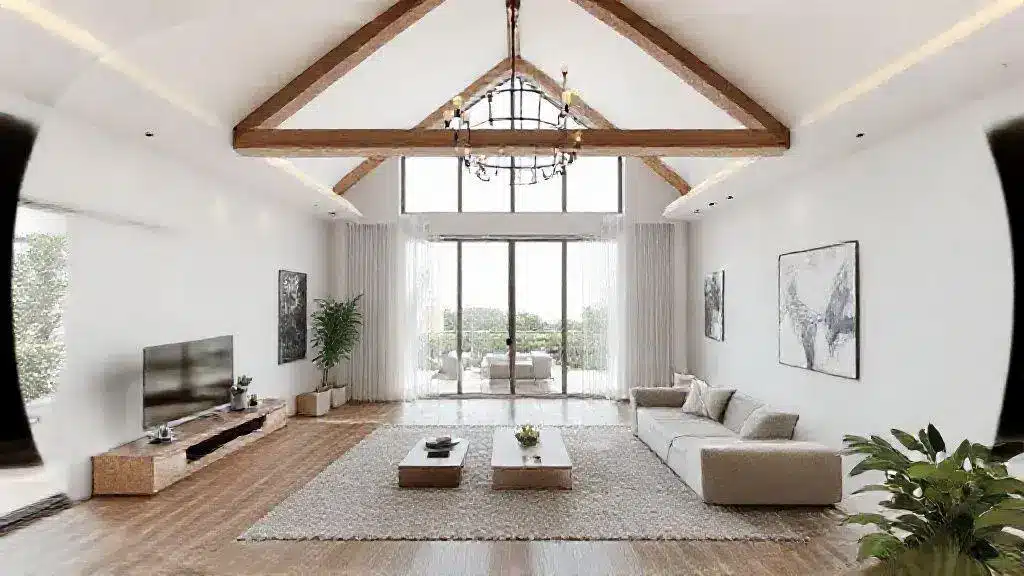
The best VR apps for architectural visualization enhance design processes through immersive 3D environments, real-time collaboration, and improved client communication, driving innovation and efficiency in architectural projects.
The best VR apps for architectural visualization and design can revolutionize how architects and designers present their ideas. Imagine walking through a space before it’s built, making adjustments on the fly. This article delves into how these apps can enhance your projects and offer immersive experiences.
Top features of VR apps for architecture
When exploring the top features of VR apps for architecture, it is important to understand how these tools can transform the design process. VR apps offer the unique ability to visualize projects in an immersive environment, allowing architects and clients to interact with designs like never before.
Immersive 3D Visualizations
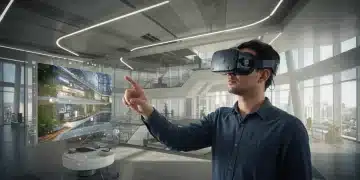
One of the most significant advantages of VR apps is the ability to create immersive 3D visualizations. Users can walk through spaces, viewing designs from various angles. This experience enhances understanding of scale and proportion, making it easier to communicate ideas with clients and teams.
Real-time Editing and Collaboration
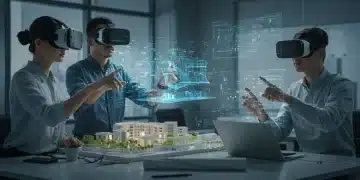
Another essential feature is real-time editing and collaboration. Architects can make adjustments on the spot while clients explore the design. This dynamic interaction fosters better communication and quicker decision-making, ultimately speeding up the design process.
- Instant feedback on design changes
- Opportunity for collaborative brainstorming
- More engaging presentations for clients
Moreover, many VR apps include a library of pre-designed elements, such as furniture and fixtures. This feature allows users to build a space with ease, helping clients visualize their future designs better. By dragging and dropping items into the environment, architects can create realistic scenes quickly.
High-Quality Rendering
Finally, the high-quality rendering capabilities of these apps provide stunning visuals that enhance the user experience. With advanced graphics technology, VR apps can produce realistic lighting, textures, and materials, giving clients a true sense of how their project will look.
In conclusion, VR apps stand out in the field of architecture with their immersive features, enabling real-time collaboration and stunning visualizations. By leveraging these technologies, architects can bring their designs to life, making the process more engaging and efficient.
How VR enhances the design process
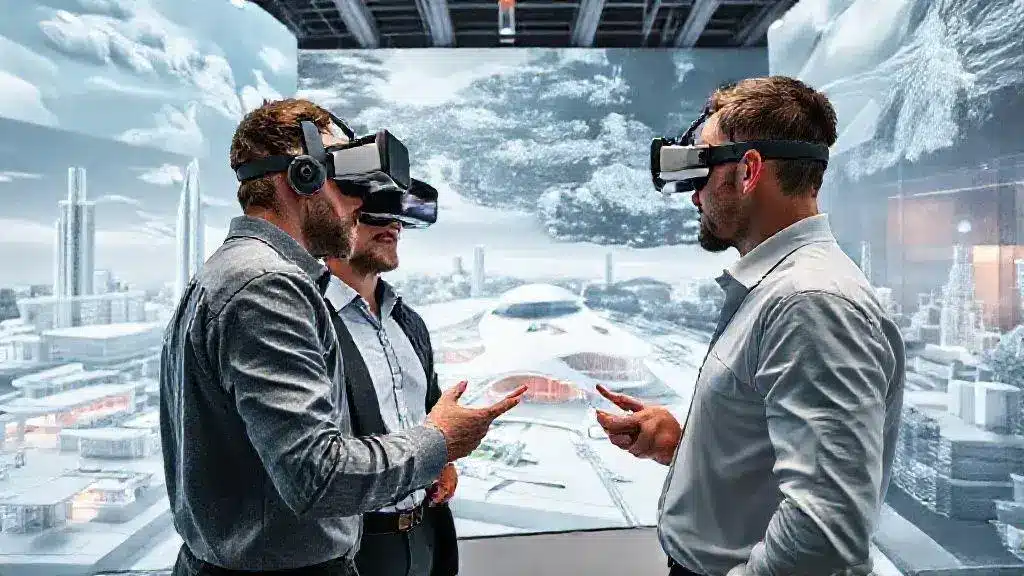
Understanding how VR enhances the design process is crucial for architects. Virtual reality transforms traditional design methods, providing innovative solutions that improve creativity and workflow. This technology brings ideas to life, making them tangible and interactive.
Enhanced Visualization
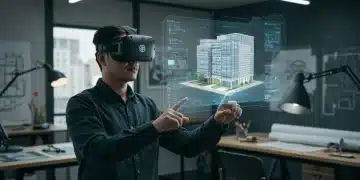
One of the primary ways VR enhances design is through enhanced visualization. Designers can create immersive environments that allow clients to experience spaces before they are built. This level of detail provides clarity on how elements work together in the real world.
Improved Client Communication
Moreover, VR tools facilitate improved client communication. By walking clients through virtual spaces, designers can clarify concepts that might be confusing in 2D plans. This interactive experience encourages feedback, enabling adjustments based on client preferences.
- Immediate feedback on project details
- Increased client engagement and satisfaction
- Stronger collaborative efforts among teams
Additionally, VR allows architects to experiment with different designs quickly. They can try out multiple configurations and styles without the costs of physical prototypes. This flexibility fosters innovation, enabling teams to explore bold new ideas.
Realistic Simulations
Another significant aspect is how VR provides realistic simulations. Designers can imitate real-world conditions, including lighting changes and material interactions. This feature helps architects foresee potential design issues early in the development process.
Through VR, design teams can also conduct virtual meetings. This option enables collaboration with clients and stakeholders from anywhere in the world. As a result, the pace of the design process accelerates, leading to quicker project completion.
Popular VR apps for architectural visualization
Exploring popular VR apps for architectural visualization opens up a world of innovative tools that architects and designers can use to enhance their projects. These applications provide immersive experiences that allow users to visualize spaces in unique ways, improving both design processes and client interactions.
1. SketchUp VR
One of the leading applications is SketchUp VR, known for its user-friendly interface and powerful modeling capabilities. It enables architects to create detailed 3D models that can be easily transitioned into virtual reality. This feature allows clients to walk through their designs, seeing details up close.
2. Autodesk Revit
Autodesk Revit stands out for its building information modeling (BIM) features. This software allows architects to create comprehensive designs and visualize them in VR. Clients can explore every aspect of a project before construction begins, making it easier to make informed decisions.
3. Enscape
Another popular choice is Enscape, which integrates directly with common design software like Revit and SketchUp. This app provides real-time rendering, making it possible to see changes instantly. It enhances the collaborative process by allowing teams to view designs in a virtual environment together.
- Interactive walkthroughs of designs
- Real-time rendering of changes
- Easy integration with existing tools
As virtual reality continues to evolve, more apps are becoming available, each bringing unique features to the table. For instance, IrisVR offers tools specifically for immersive presentations, helping architects present their ideas more effectively. Additionally, VR Sketch allows for sketching in 3D, making the design process hands-on and intuitive.
Utilizing these VR apps significantly enhances the architectural visualization experience, making it more engaging and accessible for both designers and clients. The clarity and depth that VR brings to architectural projects cannot be understated, as it fosters better understanding and collaboration.
Future trends in VR for architecture
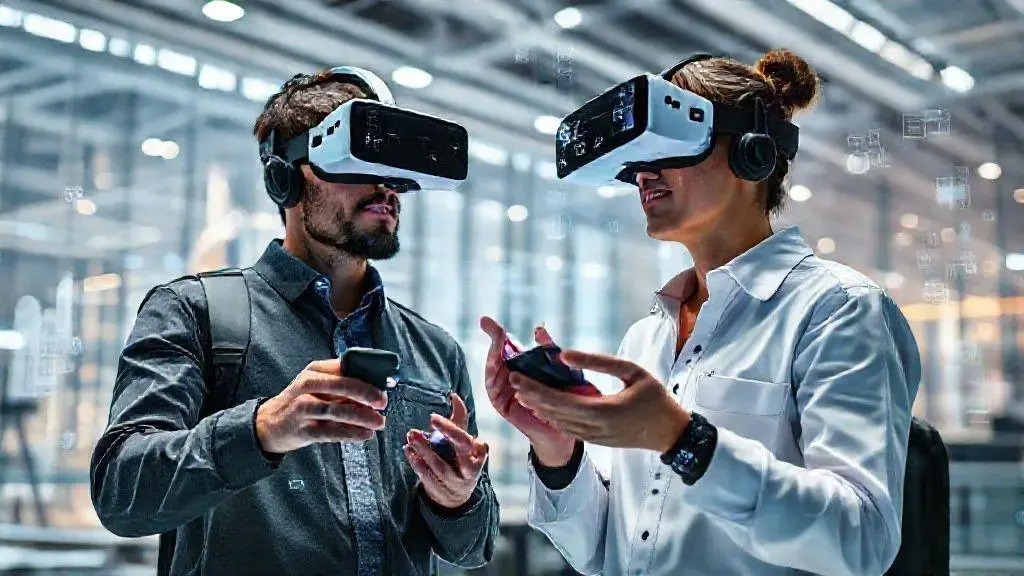
Exploring future trends in VR for architecture reveals how technology is set to evolve and impact the industry. As virtual reality continues to advance, architects and designers will have access to more innovative tools that enhance creativity and collaboration.
Increased Use of Artificial Intelligence
One of the most exciting trends is the increased use of artificial intelligence in VR applications. AI can analyze design data to suggest improvements or create adaptive environments based on user behavior. This integration will streamline workflows, making the design process faster and more efficient.
Enhanced Interactivity
Another anticipated trend is the enhanced interactivity in virtual environments. Future VR tools will allow users to manipulate objects and environments with greater ease. This change means architects can experiment more freely, making adjustments on the spot without the need for extensive reworking.
- More intuitive controls for users
- Greater immersion with realistic simulations
- Customized user experiences based on preferences
As these trends develop, we can expect to see more emphasis on collaboration as well. Virtual reality sets the stage for team members to work together in a shared digital space, regardless of their physical location. This collaborative atmosphere can lead to better problem-solving and innovative solutions.
Integration of Augmented Reality
We will also likely see a significant integration of augmented reality (AR) with VR. This combination allows architects to overlay virtual designs onto physical spaces, creating a powerful way to visualize works in real time. By merging these technologies, professionals can provide clients with a clearer understanding of their projects during the design phase.
In addition, sustainability will increasingly become a focus in VR architecture. As the world shifts toward greener practices, architects will utilize VR to simulate energy usage and material impacts, allowing for more sustainable design choices. This capability not only improves eco-friendliness but also helps meet client demands for responsible construction methods.
FAQ – Frequently Asked Questions about VR in Architecture
How is virtual reality changing the architecture industry?
Virtual reality is transforming how architects design and present projects, allowing for immersive experiences that enhance client understanding and collaboration.
What are the key benefits of using VR in architecture?
The key benefits include improved visualization, real-time feedback, enhanced interactivity, and better communication with clients and teams.
Can VR help with sustainable design practices?
Yes, VR can simulate energy use and material impacts, helping architects make eco-friendly design choices and visualize sustainable practices.
What advancements can we expect in VR technology for architecture?
Future advancements include greater integration of artificial intelligence, enhanced interactivity, and the merging of augmented reality with virtual reality.