Rec Room VR App: Evolution & 2025 Community Engagement
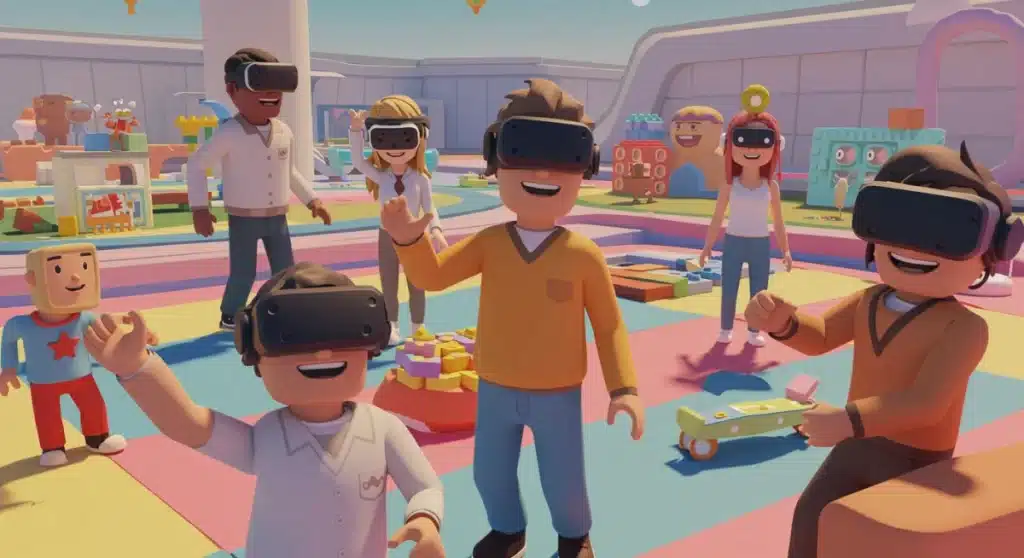
Rec Room, a pioneering social VR platform, has consistently adapted to user needs, and 2025 is expected to bring significant advancements in its community engagement features, solidifying its position as a virtual social hub.
For many, virtual reality began its journey as a solitary endeavor, a personal escape into digital realms. Yet, a select few applications quickly recognized the profound human need for connection, even within these nascent digital spaces. Among them, The ‘Rec Room’ VR App: A Deep Dive into Its Evolution and 2025 Community Engagement Features stands out as a testament to the power of community-driven virtual experiences. This platform didn’t just offer games; it offered a canvas for creation, interaction, and genuine social bonds that continue to evolve.
The Genesis of Rec Room: A Social VR Pioneer
Rec Room launched with a clear vision: to create a welcoming, inclusive space where users could hang out, play, and create together. From its humble beginnings, it quickly distinguished itself by prioritizing user-generated content (UGC) and social interaction over traditional, linear gaming experiences. This foundational philosophy has been the bedrock of its success, allowing the community to shape the platform organically.
Early iterations of Rec Room were characterized by simple, yet engaging, mini-games and a strong emphasis on avatar customization. Users could express themselves through a wide array of clothing and accessory options, fostering a sense of individuality within the shared virtual world.
Initial Feature Set and User Adoption
- Mini-Games: Paintball, Disc Golf, 3D Charades, and more provided instant fun and social interaction.
- Avatar Customization: Extensive options allowed for personal expression and recognition within the community.
- Shared Spaces: Private and public rooms facilitated casual hangouts and organized events.
- Basic Creation Tools: Simple tools enabled users to build rudimentary objects and environments.
The accessibility of Rec Room across various VR platforms, including Oculus, SteamVR, and PlayStation VR, played a crucial role in its early adoption. This broad compatibility meant a larger potential user base, leading to a more vibrant and diverse community from the outset. The developers, Against Gravity (now Rec Room Inc.), consistently listened to user feedback, iterating rapidly and introducing features that directly addressed community desires.
In essence, Rec Room’s early evolution wasn’t just about technological advancement; it was about cultivating a digital ecosystem where social connection was paramount. This focus on human interaction laid the groundwork for the robust community engagement features that would define its future.
Current Landscape: User-Generated Content and Community Hubs
Today, Rec Room is a sprawling universe of user-generated content, far exceeding its initial offerings. The platform has become a powerful engine for creativity, where players don’t just consume content but actively produce it, fostering an unparalleled sense of ownership and belonging. This shift from consumer to creator has been a pivotal moment in its evolution.
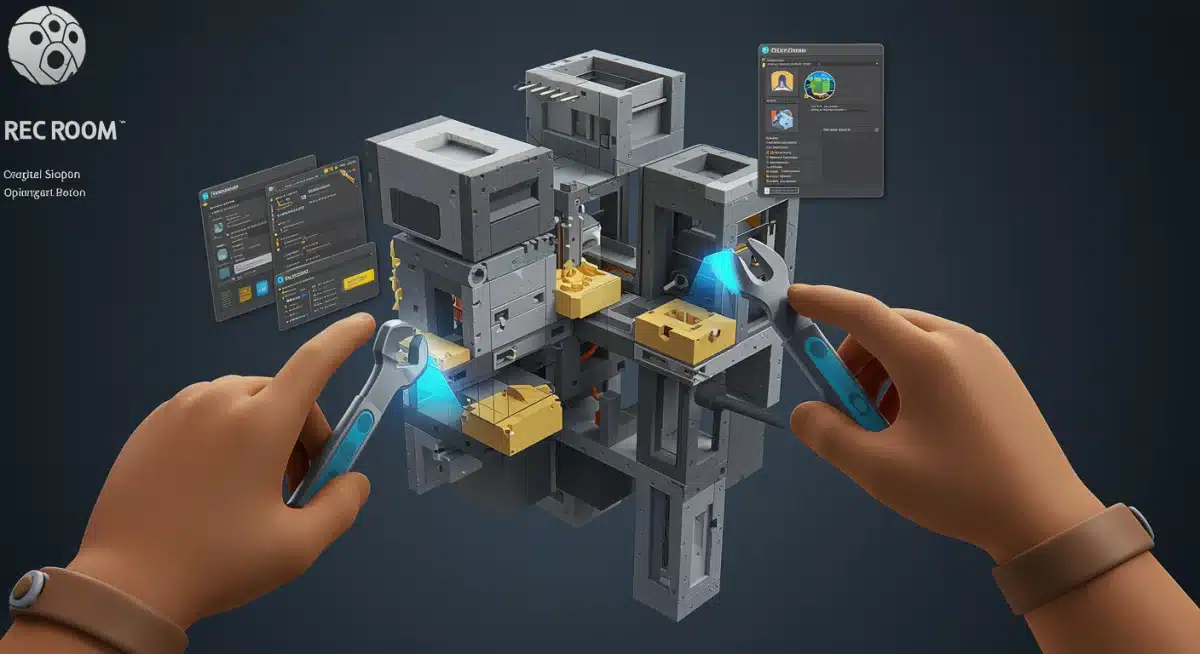
The in-game creation tools, initially basic, have matured into sophisticated suites that allow for complex game development, intricate architectural designs, and unique social experiences. This democratized creation process has led to an explosion of unique rooms and activities, ranging from escape rooms and adventure games to elaborate social clubs and concert venues.
The Power of Creator Tools
- Circuits V2: A visual scripting language that allows creators to build interactive logic and complex game mechanics without coding knowledge.
- Maker Pen: The primary tool for building and sculpting objects, offering intuitive controls for both novices and experienced builders.
- Custom Rooms: Users can design, publish, and host their own spaces, complete with custom rules, aesthetics, and activities.
These tools have empowered a new generation of digital architects and game designers, transforming Rec Room into a dynamic, ever-changing landscape. The sheer volume and diversity of user-created content ensure that there’s always something new to discover, keeping the community engaged and continuously expanding its horizons.
Beyond creation, Rec Room has also solidified its role as a social hub. Many users log on not to play a specific game, but simply to hang out with friends, meet new people, and explore the endless possibilities of the virtual world. This organic social interaction is the true heart of the Rec Room experience, distinguishing it from more game-centric VR titles.
Anticipated 2025 Features: Next-Gen Engagement
Looking ahead to 2025, Rec Room is poised to introduce a new wave of features designed to deepen community engagement and further enhance the social VR experience. These advancements are not merely incremental updates; they represent a strategic push to make Rec Room an even more integral part of users’ digital lives.
One of the most exciting prospects is the rumored integration of advanced AI companions. These AI entities could serve multiple roles, from interactive NPCs in user-created games to personalized guides that help new players navigate the vast world of Rec Room. Imagine an AI companion that learns your preferences and suggests rooms or activities you might enjoy, or an AI host that manages events in your private room.
Another significant area of development is expected to be in cross-platform social features. While Rec Room already boasts broad platform compatibility, 2025 could see enhanced integration that makes interacting with friends on different devices even more seamless. This might include unified friend lists, improved voice chat quality, and shared presence indicators that transcend hardware limitations.
Key Enhancements Expected in 2025
- Advanced AI Companions: Personalized guides, interactive NPCs, and event managers.
- Enhanced Cross-Platform Social Tools: Seamless interaction across all supported devices.
- Dynamic Event System: More robust tools for organizing, promoting, and participating in community events.
- Decentralized Creator Economy: New avenues for creators to monetize their content and receive direct support from their communities.
These anticipated features underscore Rec Room’s commitment to fostering a dynamic and interconnected virtual community. By leveraging cutting-edge technology and listening to its user base, Rec Room aims to remain at the forefront of social VR innovation, offering experiences that are both deeply engaging and profoundly social.
The Role of AI and Machine Learning in Rec Room’s Future
Artificial intelligence and machine learning are set to play an increasingly critical role in shaping the future of Rec Room, particularly in enhancing personalization and content discovery. These technologies can help users navigate the immense amount of user-generated content, ensuring they find experiences tailored to their interests and preferences.
Imagine an intelligent recommendation engine that analyzes your play history, social interactions, and creative endeavors to suggest new rooms, events, or even fellow creators you might resonate with. This proactive approach to content discovery could significantly reduce the time spent searching and increase the time spent engaging with relevant experiences.
AI-Driven Personalization:
- Content Recommendation: Tailored suggestions for rooms, games, and social events based on user behavior.
- Dynamic World Generation: AI-assisted tools for creators to generate environments and assets more efficiently.
- Personalized Avatar Interactions: AI-powered NPCs that adapt their behavior and dialogue to individual players.
Beyond recommendations, AI could also revolutionize the creation process itself. Machine learning algorithms could assist builders by suggesting design elements, optimizing layouts, or even generating basic room structures based on descriptive inputs. This could lower the barrier to entry for new creators and accelerate the development cycle for experienced ones.
Furthermore, AI could be instrumental in moderation and community safety. By quickly identifying and addressing inappropriate content or behavior, AI systems can help maintain Rec Room as a welcoming and safe space for all users. This blend of personalization, creation assistance, and safety measures highlights the transformative potential of AI within the platform.
Monetization and Creator Economy Evolution
As Rec Room continues to mature, the evolution of its monetization strategies and creator economy will be crucial for sustainable growth and community empowerment. The platform has already established a system where creators can earn through in-game currency, but 2025 is expected to bring more robust and diversified opportunities.
The introduction of a more sophisticated creator marketplace, potentially allowing for direct sales of custom assets, room templates, or even unique game experiences, could significantly incentivize high-quality content production. This would empower creators to turn their passion into a viable source of income, fostering a professional class of Rec Room developers.
Moreover, enhanced subscription models or tiered access to premium creator tools could provide a stable revenue stream for both Rec Room Inc. and its top creators. This could include features like advanced analytics for room performance, exclusive building assets, or priority support for complex projects. The key is to create a symbiotic relationship where creator success directly contributes to platform growth.
Future Monetization Avenues:
- Direct Creator Sales: Ability for users to sell unique assets and experiences.
- Premium Creator Subscriptions: Tiered access to advanced tools and features.
- Community-Funded Projects: Mechanisms for players to directly support their favorite creators.
- Brand Partnerships: Opportunities for creators to collaborate with external brands within their rooms.
The goal is to move towards a more decentralized creator economy, where value flows more directly from consumers to creators. This not only rewards talent and effort but also encourages innovation and diversity in content. By providing powerful tools and clear pathways to monetization, Rec Room can ensure a vibrant and self-sustaining ecosystem for years to come.
The Social Impact and Future of Rec Room
Beyond its technical innovations and economic models, Rec Room’s greatest impact lies in its ability to foster genuine social connections. In an increasingly digital world, platforms that offer authentic avenues for interaction and community building are invaluable. Rec Room has become a virtual third place for millions, a space distinct from home and work, where friendships are forged and shared experiences abound.
The platform’s emphasis on safety and inclusivity, coupled with its robust moderation tools, has created an environment where users feel comfortable expressing themselves and interacting with others. This focus on positive social dynamics is a cornerstone of its success and will undoubtedly remain a priority in its future development.
Looking towards 2025 and beyond, Rec Room is poised to further blur the lines between virtual and physical social interaction. As VR technology becomes more ubiquitous and sophisticated, the experiences offered within Rec Room will only grow richer and more immersive. The platform serves as a powerful example of how virtual reality can be a force for connection, creativity, and community building.
The continued evolution of Rec Room, with its focus on advanced engagement features and a thriving creator economy, suggests a future where virtual worlds are not just places to play games, but vibrant, living communities where people can truly belong. Its journey from a simple VR game to a complex social metaverse is a testament to its visionary approach and dedicated community.
| Key Aspect | Brief Description |
|---|---|
| Evolution Focus | From mini-games to a vast user-generated content platform. |
| 2025 Engagement | Anticipated features like AI companions and enhanced cross-platform tools. |
| Creator Economy | Expanding monetization opportunities for user-generated content. |
| Social Impact | Fostering genuine connections and a welcoming virtual ‘third place’. |
Frequently Asked Questions About Rec Room VR
Rec Room is a free-to-play social VR application where users can play, create, and socialize in a vast universe of user-generated games and experiences. It’s available across multiple platforms, emphasizing community interaction and creative expression.
Initially focused on mini-games, Rec Room has transformed into a robust platform for user-generated content. Its creation tools, like the Maker Pen and Circuits V2, have empowered a massive community to build diverse experiences, shifting its focus to a social metaverse.
Anticipated 2025 features include advanced AI companions for personalization, enhanced cross-platform social tools, a dynamic event system, and a more decentralized creator economy to support user-generated content and monetization opportunities.
Rec Room provides powerful in-game creation tools and a marketplace to monetize creations. Future plans aim to expand these opportunities, allowing creators to earn more directly and fostering a sustainable ecosystem for user-generated content developers.
The developers prioritize a safe and inclusive environment through robust moderation tools and community guidelines. The platform constantly works to combat inappropriate behavior, ensuring a welcoming space for social interaction and creative expression for its diverse user base.
Conclusion
Rec Room’s journey from a nascent VR application to a thriving social metaverse exemplifies the potential of community-driven platforms. Its continuous evolution, marked by a steadfast commitment to user-generated content and social interaction, positions it as a leader in the VR space. With the anticipated enhancements in 2025, particularly in AI integration and creator monetization, Rec Room is set to further solidify its role as an essential hub for virtual connection and creativity, proving that the future of VR is inherently social.