VR Hardware Compatibility: Seamless Integration for U.S. Businesses
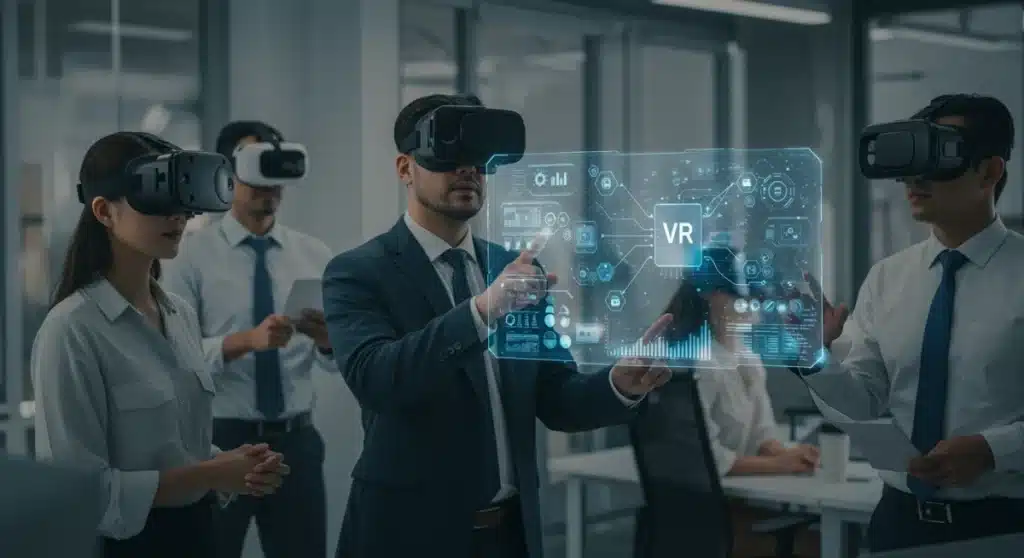
Ensuring seamless VR hardware compatibility is crucial for U.S. businesses by 2026, necessitating a proactive approach to integrate diverse virtual reality systems with existing IT infrastructure to drive innovation and maintain competitive advantage.
As U.S. businesses increasingly look to adopt virtual reality (VR) technologies, the challenge of Navigating VR Hardware Compatibility: Ensuring Seamless Integration with Existing Systems in U.S. Businesses by 2026 becomes a central concern. This isn’t merely about plugging in a new device; it’s about orchestrating a complex synergy between cutting-edge immersive hardware and the established digital ecosystem of an enterprise. The success of VR initiatives hinges on this delicate balance, impacting everything from operational efficiency to return on investment.
Understanding the VR Hardware Landscape in 2026
By 2026, the VR hardware market has matured significantly, offering a diverse array of devices tailored for various enterprise applications. From standalone headsets to PC-tethered systems and specialized haptic feedback devices, the choices are abundant. However, this diversity also introduces complexities in compatibility, as different manufacturers often adhere to proprietary standards or utilize distinct operating environments. Businesses must navigate this evolving landscape to select hardware that not only meets their immediate needs but also aligns with future technological advancements and their existing IT framework.
The proliferation of VR hardware has led to a fragmented ecosystem, where each device often comes with its own set of requirements for processing power, graphics capabilities, and connectivity. This fragmentation can pose significant hurdles for businesses aiming for enterprise-wide deployment, as supporting multiple incompatible systems can lead to increased operational costs and reduced efficiency. Understanding the underlying architectures and software development kits (SDKs) associated with each hardware option is the first step toward achieving successful integration.
Key VR Hardware Categories and Their Challenges
The market is broadly categorized into a few distinct types, each presenting unique integration challenges:
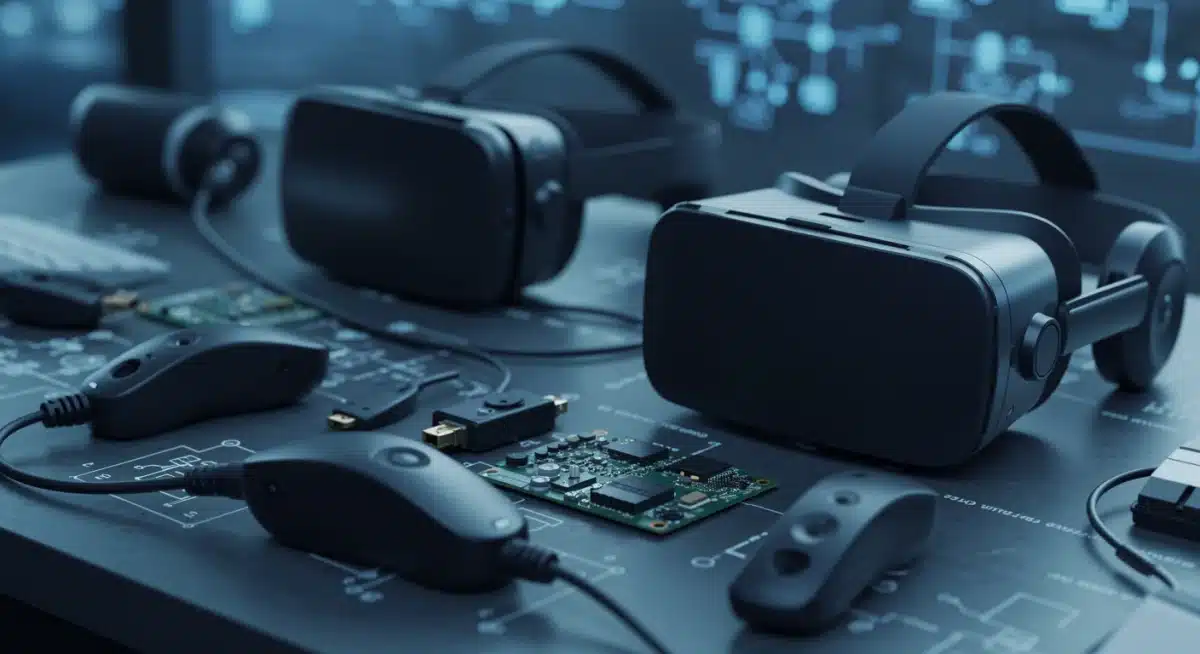
- Standalone VR Headsets: Offer portability and ease of deployment but may have limitations in processing power and graphical fidelity, requiring careful consideration for demanding applications.
- PC-Tethered VR Systems: Deliver superior performance and visual quality, ideal for high-fidelity simulations, but demand robust computing infrastructure and dedicated space.
- Augmented Reality (AR) Devices: While distinct from VR, many AR devices share underlying technologies and integration considerations, especially in mixed reality environments.
- Haptic Feedback and Specialized Controllers: Enhance immersion but often require custom drivers and software integration, adding layers of complexity.
Evaluating these categories requires a thorough understanding of a business’s specific use cases and technical capabilities. A mismatch here can lead to underutilization of expensive hardware or, conversely, an inability to run necessary applications effectively. Therefore, a strategic selection process is crucial to ensure that chosen VR hardware aligns perfectly with both current and anticipated business needs.
Assessing Existing IT Infrastructure for VR Integration
Before any VR hardware acquisition, a comprehensive assessment of the existing IT infrastructure is indispensable. This includes evaluating network capabilities, server capacities, workstation specifications, and current security protocols. Many VR applications are bandwidth-intensive and require significant computational resources, which can strain an unprepared network or outdated hardware. Businesses in the U.S. must ensure their infrastructure can support the demands of immersive technologies without compromising current operations.
Network latency, for instance, can severely degrade the VR experience, leading to motion sickness and reduced productivity. Therefore, upgrading to higher-bandwidth Wi-Fi 6/6E or even wired Ethernet connections may be necessary to ensure smooth data transfer for multi-user VR environments. Similarly, graphics processing units (GPUs) are the backbone of any VR system, and existing workstations might require significant upgrades or even replacement to meet the minimum specifications for enterprise-grade VR applications. This infrastructural readiness forms the foundation for successful VR deployment.
Network and Computing Requirements
Optimizing network performance and computing power are critical for a seamless VR experience. Businesses should consider:
- Bandwidth: Ensuring sufficient network bandwidth to handle large VR data streams, especially for cloud-based VR experiences or multi-user simulations.
- Latency: Minimizing network latency to prevent motion sickness and ensure real-time interaction within virtual environments.
- GPU Power: Investing in high-performance GPUs for workstations or dedicated VR rooms to render complex virtual scenes at high frame rates.
- Processing Units: Adequate CPU power and RAM are equally important to manage VR application logic and data processing efficiently.
Furthermore, cloud computing solutions are becoming increasingly vital for VR, allowing businesses to offload heavy rendering tasks and scale resources on demand. This approach can mitigate some of the on-premise hardware upgrade costs but introduces new considerations regarding data security and connectivity to cloud services. A careful balance between local and cloud-based resources is often the most effective strategy for managing VR’s computational demands.
Interoperability Standards and Open Platforms
The quest for seamless integration often leads businesses to explore interoperability standards and open platforms. These initiatives aim to reduce fragmentation by allowing different VR hardware and software components to communicate and function together more effectively. Adopting solutions that adhere to open standards can significantly simplify deployment, reduce vendor lock-in, and provide greater flexibility for future upgrades. In 2026, several industry bodies are actively working on standardizing various aspects of VR, from tracking systems to content formats.
For U.S. businesses, prioritizing VR hardware and software that support established or emerging open standards can be a strategic move. This not only streamlines the integration process but also future-proofs their investments. Proprietary systems, while potentially offering unique features, often come with the inherent risk of limited compatibility and higher long-term maintenance costs. The shift towards more open ecosystems is a positive trend for enterprise VR adoption, fostering a more collaborative and integrated environment.
The Role of APIs and SDKs
Application Programming Interfaces (APIs) and Software Development Kits (SDKs) are the conduits through which VR hardware interacts with software applications. Businesses should look for hardware vendors that provide robust, well-documented APIs and SDKs, preferably those that are widely adopted and actively maintained. This ensures that their development teams can easily integrate custom applications or adapt existing ones to new VR platforms.
- Standardized APIs: Facilitate communication between different software components, allowing for smoother data exchange and functionality across various VR platforms.
- Cross-platform SDKs: Enable developers to build applications that can run on multiple VR headsets, reducing development time and costs.
- OpenXR: An emerging open standard for VR/AR application development, aiming to unify the fragmented ecosystem and promote cross-platform compatibility.
Embracing platforms that support initiatives like OpenXR can be a game-changer for businesses, as it promises to simplify the development and deployment of VR applications across a wider range of hardware. This move towards standardization is crucial for reducing the technical friction associated with VR adoption and paving the way for more scalable and sustainable enterprise solutions.
Security and Data Privacy Considerations
Integrating VR hardware into existing systems brings a new set of security and data privacy challenges that U.S. businesses cannot afford to overlook. VR devices collect vast amounts of data, including user biometrics, movement patterns, and interaction data, which can be sensitive. Ensuring that this data is handled securely and in compliance with regulations like HIPAA, GDPR (if applicable for international operations), and various state-specific privacy laws is paramount. A robust security framework must be in place to protect both corporate and user data.
The integration process must include thorough vulnerability assessments of all new VR hardware and associated software. This encompasses not only the devices themselves but also the network connections they utilize and the cloud services they might interact with. Implementing strong authentication protocols, data encryption, and regular security audits are essential steps to mitigate potential risks. Businesses need to collaborate closely with their IT security teams to develop and enforce policies that specifically address VR data handling and access control.
Implementing Robust Security Measures
Protecting sensitive information in VR environments requires a multi-faceted approach:
- Data Encryption: Encrypting data at rest and in transit, especially when transmitted between VR devices, local servers, and cloud platforms.
- Access Control: Implementing strict access control policies to ensure only authorized personnel can access VR-generated data and applications.
- Regular Audits: Conducting periodic security audits and penetration testing on VR systems to identify and address vulnerabilities proactively.
- Compliance: Ensuring all VR data handling practices comply with relevant industry standards and legal regulations.
Furthermore, employee training on data privacy best practices and the responsible use of VR hardware is crucial. Human error remains a significant vulnerability, and educating users on potential risks and secure operating procedures can significantly enhance the overall security posture of a VR deployment. A proactive and comprehensive security strategy is vital for building trust and ensuring the long-term viability of VR initiatives within the enterprise.
Strategies for Seamless Integration and Deployment
Achieving seamless integration of VR hardware involves more than just technical compatibility; it requires a strategic approach to deployment, user adoption, and ongoing management. Businesses need to develop a clear roadmap that outlines the phased implementation of VR, starting with pilot programs to test compatibility and gather user feedback. This iterative process allows for adjustments and optimizations before a full-scale rollout, minimizing disruptions and maximizing the chances of success.
Effective change management is also critical. Introducing new technologies like VR can be met with resistance if not managed properly. Providing adequate training, demonstrating the clear benefits of VR, and involving end-users in the planning process can foster greater acceptance and accelerate adoption. Furthermore, establishing clear support channels and troubleshooting procedures for VR hardware and software is essential for maintaining productivity and addressing issues promptly.
Best Practices for Deployment
To ensure a smooth VR integration, consider these best practices:
- Phased Rollout: Begin with small-scale pilot programs to test hardware and software compatibility in a controlled environment.
- Comprehensive Training: Provide extensive training for end-users and IT support staff on VR hardware operation, software usage, and troubleshooting.
- Vendor Collaboration: Work closely with VR hardware and software vendors to leverage their expertise and ensure optimal integration with existing systems.
- Centralized Management: Implement centralized device management solutions for VR headsets to streamline updates, security patches, and application deployment.
Ultimately, successful VR integration is an ongoing process that requires continuous monitoring, evaluation, and adaptation. As VR technology evolves and business needs change, the integration strategy must remain flexible and responsive. By focusing on planned deployment, robust support, and informed user adoption, U.S. businesses can successfully integrate VR hardware and unlock its full potential for innovation and growth.
Future-Proofing VR Investments by 2026
In the rapidly evolving world of immersive technologies, future-proofing VR investments is a critical consideration for U.S. businesses by 2026. This involves not only selecting hardware with a clear upgrade path but also adopting flexible software architectures that can adapt to new technological advancements. The goal is to maximize the longevity and utility of VR systems, ensuring they remain relevant and effective for years to come, rather than becoming obsolete within a short period.
Investing in modular VR systems, for example, allows businesses to upgrade individual components (e.g., cameras, sensors, processing units) as new technologies emerge, without having to replace the entire system. Similarly, choosing VR platforms that support open standards and cross-platform development ensures that applications can be easily ported or updated to work with future hardware. This forward-thinking approach minimizes the total cost of ownership and protects against rapid technological obsolescence.
Key Considerations for Long-Term Viability
To future-proof VR investments, businesses should focus on:
- Scalability: Selecting hardware and software solutions that can scale with growing business needs and user demands.
- Modularity: Prioritizing VR systems with modular components that can be individually upgraded or replaced.
- Vendor Ecosystem: Choosing vendors with a strong track record of innovation, ongoing support, and a commitment to open standards.
- Data Portability: Ensuring that data generated within VR environments can be easily exported and integrated with other enterprise systems.
Furthermore, staying abreast of industry trends and participating in VR communities can provide valuable insights into emerging technologies and best practices. This proactive engagement allows businesses to anticipate future challenges and opportunities, making informed decisions that ensure their VR investments continue to deliver strategic value. A well-planned future-proofing strategy is not just about technology; it’s about building a resilient and adaptable immersive technology ecosystem.
The Economic Impact of Seamless VR Integration
The economic benefits of seamlessly integrating VR hardware into U.S. businesses by 2026 are substantial and far-reaching. Beyond the immediate gains in efficiency and training effectiveness, a well-integrated VR ecosystem can drive significant cost savings, foster innovation, and create new revenue streams. By reducing travel costs through virtual meetings, minimizing risks in training simulations, and accelerating product design cycles, VR offers a tangible return on investment that directly impacts the bottom line.
Moreover, seamless integration facilitates faster adoption and broader utilization of VR across different departments, amplifying its economic impact. When VR systems are easy to deploy and use, employees are more likely to embrace them, leading to increased productivity and improved decision-making. This widespread adoption can transform traditional business processes, making them more dynamic, interactive, and data-driven. The competitive advantage gained from early and effective VR integration can be a significant differentiator in a crowded market.
Measuring ROI in Enterprise VR
Quantifying the return on investment (ROI) for VR initiatives requires careful tracking of various metrics:
- Cost Savings: Documenting reductions in travel, training logistics, and material waste through VR simulations.
- Productivity Gains: Measuring improvements in task completion times, error rates, and overall operational efficiency.
- Innovation Acceleration: Assessing the speed at which new products or services are developed and brought to market using VR.
- Employee Engagement: Evaluating the impact of VR on employee satisfaction, retention, and skill development.
By meticulously tracking these key performance indicators, businesses can not only justify their initial VR investments but also identify areas for further optimization and expansion. The economic impact extends beyond direct financial returns, encompassing enhanced brand reputation, improved customer experiences, and the cultivation of a forward-thinking organizational culture. Seamless VR integration is not just a technological imperative; it is a strategic business advantage that will shape the future of U.S. enterprises.
| Key Point | Brief Description |
|---|---|
| Hardware Assessment | Evaluate current IT infrastructure and network capabilities to ensure compatibility with VR demands. |
| Interoperability Standards | Prioritize VR solutions that adhere to open standards like OpenXR to reduce fragmentation and ensure flexibility. |
| Security & Privacy | Implement robust security protocols and ensure data privacy compliance for all VR data collection and usage. |
| Future-Proofing | Invest in scalable, modular VR systems with clear upgrade paths to maximize longevity and ROI. |
Frequently Asked Questions about VR Hardware Compatibility
The main challenges include fragmented hardware ecosystems with proprietary standards, differing computational and network requirements, and ensuring seamless integration with diverse existing IT infrastructures. These factors can complicate deployment and increase operational costs if not strategically addressed.
Businesses should conduct comprehensive audits of their network bandwidth, latency, server capacities, and workstation GPU/CPU specifications. Upgrades to Wi-Fi 6/6E or dedicated wired connections, and investing in high-performance graphics cards, are often necessary to support VR applications effectively.
Open standards like OpenXR promote interoperability between different VR hardware and software components, reducing vendor lock-in and simplifying development. They ensure greater flexibility, easier upgrades, and a more unified ecosystem, which is crucial for scalable enterprise VR deployments.
Priorities include robust data encryption for data at rest and in transit, strict access control policies, regular security audits, and compliance with data privacy regulations. Employee training on secure VR usage and data handling is also essential to mitigate risks effectively.
Future-proofing involves selecting scalable, modular VR systems that allow for component upgrades, choosing platforms that support open standards, and partnering with vendors committed to long-term support. A flexible software architecture that can adapt to new advancements is also key for sustained relevance.
Conclusion
The journey of Navigating VR Hardware Compatibility: Ensuring Seamless Integration with Existing Systems in U.S. Businesses by 2026 is multifaceted, demanding careful planning, robust infrastructure, and a forward-thinking strategy. As VR transitions from a niche technology to a mainstream enterprise tool, the ability to integrate diverse hardware seamlessly will be a defining factor for success. By prioritizing open standards, assessing IT readiness, implementing stringent security measures, and adopting flexible deployment strategies, U.S. businesses can unlock the transformative potential of virtual reality, driving innovation, efficiency, and a significant competitive edge in the years to come.