VR for business transforming customer service and support
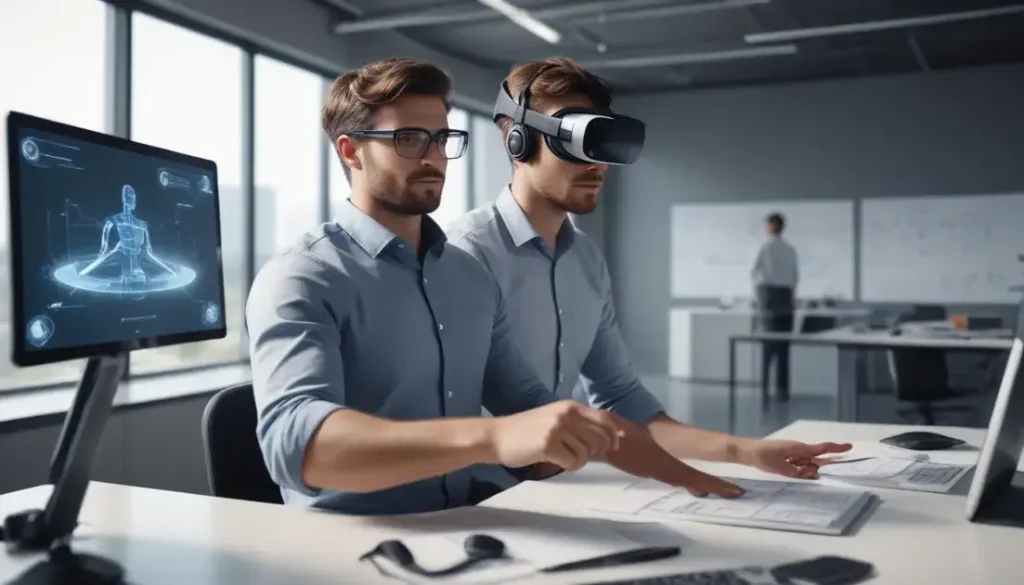
VR for business transforming customer service and support enables agents and customers to share immersive views for guided repairs, hands-on training, and empathy-driven interactions, reducing resolution time, travel costs, and repeat contacts, and provides measurable metrics for ROI and clear fallbacks for accessibility.
VR for business transforming customer service and support can change how teams help people — imagine technicians fixing kit remotely or immersive guides that reduce repeat calls. Curious where it actually pays off and what to watch out for?
how vr reshapes customer interactions and empathy
VR for business transforming customer service and support lets teams meet customers where they feel understood. It creates shared spaces that make help faster and clearer.
Customers want to be heard and seen. A shared virtual scene can cut misunderstanding and build trust in minutes.
Empathy through shared experience
VR lets agents and customers share the same view. When both see the issue, explanations become concrete and simple.
- Role reversal: agents experience the customer’s perspective to spot pain points.
- Live walkthroughs: step-by-step guidance in the same virtual environment.
- Emotional cues: avatars and voice bring tone and calm into the call.
These tools lower frustration and reduce repeat contacts. They also give agents clearer clues about what to fix next.
Practical ways to reshape interactions
Use VR for remote repair sessions where an expert overlays instructions on the customer’s view. Offer short, guided simulations so customers can practice tasks safely.
Keep sessions focused and give users easy ways to pause or exit. Small, clear steps work better than long demos.
- Remote assistance with shared visuals and live markers.
- Immersive tutorials that simulate real problems.
- Avatar check-ins for sensitive or complex cases.
Collect quick feedback after each session. One or two simple questions help teams refine scripts and training fast.
Design principles for human-centered VR
Prioritize comfort, clarity, and control. Let users adjust volume, view, and session length. Always offer a non-VR fallback.
- Limit sessions (aim under 10 minutes when possible).
- Use plain language and familiar visuals.
- Train agents on tone, pacing, and empathy in VR.
When design focuses on the person, not the tech, interactions feel natural and supportive.
In short, VR for business transforming customer service and support can make help faster, clearer, and more human. Used thoughtfully, it boosts satisfaction and reduces repeat issues.
operational gains: remote assistance, training, and cost savings
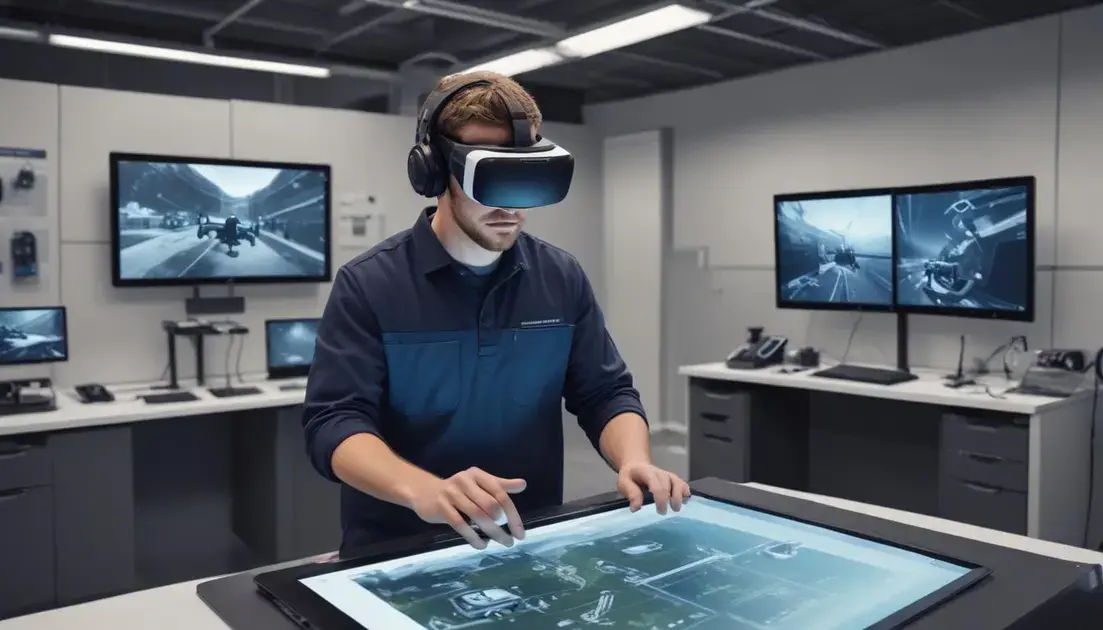
VR for business transforming customer service and support reduces travel and speeds fixes by putting experts and customers in the same virtual space. Teams can guide repairs, train staff, and cut costs with clearer visuals.
These gains come from faster diagnosis, hands-on practice, and fewer on-site visits. Simple design and clear steps make it work.
Remote assistance that works in real time
Support staff can see what the customer sees and mark fixes live. This cuts guesswork and lowers repeat calls.
- Live annotations: guides point to exact parts or steps.
- Step-by-step overlays: customers follow actions on the same view.
- Multi-user sessions: experts join from different locations to help together.
Keep sessions short and task-focused. Use clear audio and simple visuals so users stay calm and follow the instructions.
Hands-on training with less risk
Use simulated tasks for new hires and complex procedures. Trainees practice safely and repeat steps until confident.
Simulations reduce errors on real equipment. Staff learn faster when they can try fixes in a controlled setting.
Peer coaching in VR also boosts retention. Trainees can replay sessions and review guidance from experts.
Measure savings and scale impact
Track metrics like reduced travel, shorter handle times, and fewer repeat visits. That data shows where VR pays off first.
- Lower travel costs from remote fixes.
- Faster onboarding and fewer training days.
- Reduced repeat issues and warranty claims.
Start small with pilot projects, measure results, and expand where benefits are clear. Clear targets help teams prove value and secure broader buy-in.
Overall, VR for business transforming customer service and support delivers practical operational gains when paired with simple design, targeted training, and clear metrics. The result is faster answers, lower costs, and teams that learn on the job.
implementation roadmap with real-world case studies
VR for business transforming customer service and support needs a clear roadmap to move from pilot to full use. A stepwise plan keeps costs low and shows value early.
Think in phases: pilot, refine, scale. Each step should have simple goals and quick measures.
Phase 1: pilot with clear goals
Choose a narrow use case that solves a real pain. Set one or two metrics like time to resolve or repeat calls.
- Pick a small team and clear scenarios to test.
- Define success: faster fixes, fewer on-site visits, or higher satisfaction.
- Limit pilot time to 4–8 weeks to gather fast feedback.
Run short sessions and collect direct user feedback after each use. Small changes during the pilot save big costs later.
Phase 2: select tech and partners
Match hardware and software to your needs. Lightweight headsets may work for short calls; full VR suits are not needed for support.
Choose vendors who offer integration with your CRM and analytics tools. You want data that ties VR sessions to real outcomes.
- Focus on comfort and simple controls for users.
- Prefer cloud-based solutions for easy updates.
- Make sure privacy and security meet company rules.
Train a small group of champions who can teach others and collect common issues for the product team.
As you move on, keep the user experience smooth. Simple menus, clear audio, and short guided steps help adoption.
Phase 3: scale and measure impact
Expand to more teams once pilots hit targets. Use the same metrics to compare sites and channels.
Automate reporting so managers see trends: reduced travel, faster handling times, or lower repeat tickets.
- Run regular reviews to spot bottlenecks.
- Use session recordings for targeted training.
- Set a budget for device refresh and software licenses.
Keep a fallback option for users who prefer phone or chat. Not every customer will use VR, and that is okay.
Real-world case studies to guide choices
Look for examples in your industry. A field service firm might cut travel by 40%, while a telecom company lowers repeat calls with guided fixes.
Compare cases with similar team sizes and tech stacks. That helps predict costs and timelines for your rollout.
Document lessons from each case: what worked, what failed, and why. Share these notes with stakeholders to build support.
In short, a phased rollout with clear goals, the right partners, simple tech, and measurable targets makes VR for business transforming customer service and support practical. Start small, measure often, and scale where results are clear.
measuring impact, risks and when vr may not fit

VR for business transforming customer service and support needs clear evidence to justify investment. Measure simple, meaningful outcomes tied to cost and customer experience.
Good metrics help you spot wins fast and adjust before scaling.
Key metrics to track
Focus on metrics that link VR sessions to business value. Use short surveys and system logs to collect data.
- Time to resolve — compare average minutes per case before and after VR.
- Repeat contacts — percent of cases reopened or requiring follow-up.
- Travel and logistics cost — visits avoided and estimated savings.
- Training retention — error rate and skill recall after VR practice.
Integrate session data with your CRM so each VR interaction ties to a ticket and an outcome. Small samples give early signals; larger data sets confirm trends.
Risks and how to reduce them
VR brings benefits but also new risks like discomfort, privacy exposure, and tech failures. Anticipate issues and plan simple controls.
- Motion sickness and accessibility — offer shorter sessions and non-VR alternatives.
- Security and privacy — encrypt streams, limit recordings, get clear consent.
- Technical reliability — test networks and provide quick fallbacks to phone or chat.
Run short pilots to reveal common problems. Train staff on consent scripts and recovery steps so customers never feel stuck.
When VR may not fit
Not every interaction benefits from VR. Choose use cases where visual alignment and hands-on guidance add clear value.
- Simple information requests that a chat or FAQ resolves faster.
- Low-margin services where device and support costs outweigh gains.
- Customer groups without access to compatible devices or who prefer low-tech channels.
Use cost-per-case and customer preference data to decide where to expand. Set clear thresholds for ROI before committing to wide rollout.
In short, pair thoughtful measurement with risk controls and selective use cases to make VR for business transforming customer service and support a smart, measurable choice rather than a costly experiment.
In short, VR for business transforming customer service and support works best when you start small, measure simple outcomes, and fix issues fast. Prioritize user comfort, clear metrics, and reliable fallbacks so customers and agents feel confident. With short pilots and steady data, VR can cut costs and make support more human.
FAQ – VR for business transforming customer service and support
How does VR improve customer support?
VR creates a shared view so agents and customers see the same issue, speeding diagnosis, cutting repeat calls, and improving clarity.
Is VR suitable for all customers?
Not always; customers without compatible devices or who prefer low-tech channels may opt for phone or chat alternatives.
What metrics should we track to prove ROI?
Track time to resolve, repeat contacts, travel cost savings, and training retention to link VR sessions to business value.
What are the main risks and how can we mitigate them?
Risks include motion sickness, privacy, and tech failures; mitigate with short sessions, strong consent and security, and clear fallbacks to phone or chat.