Haptic Feedback Devices 2026: US Business Adoption Guide
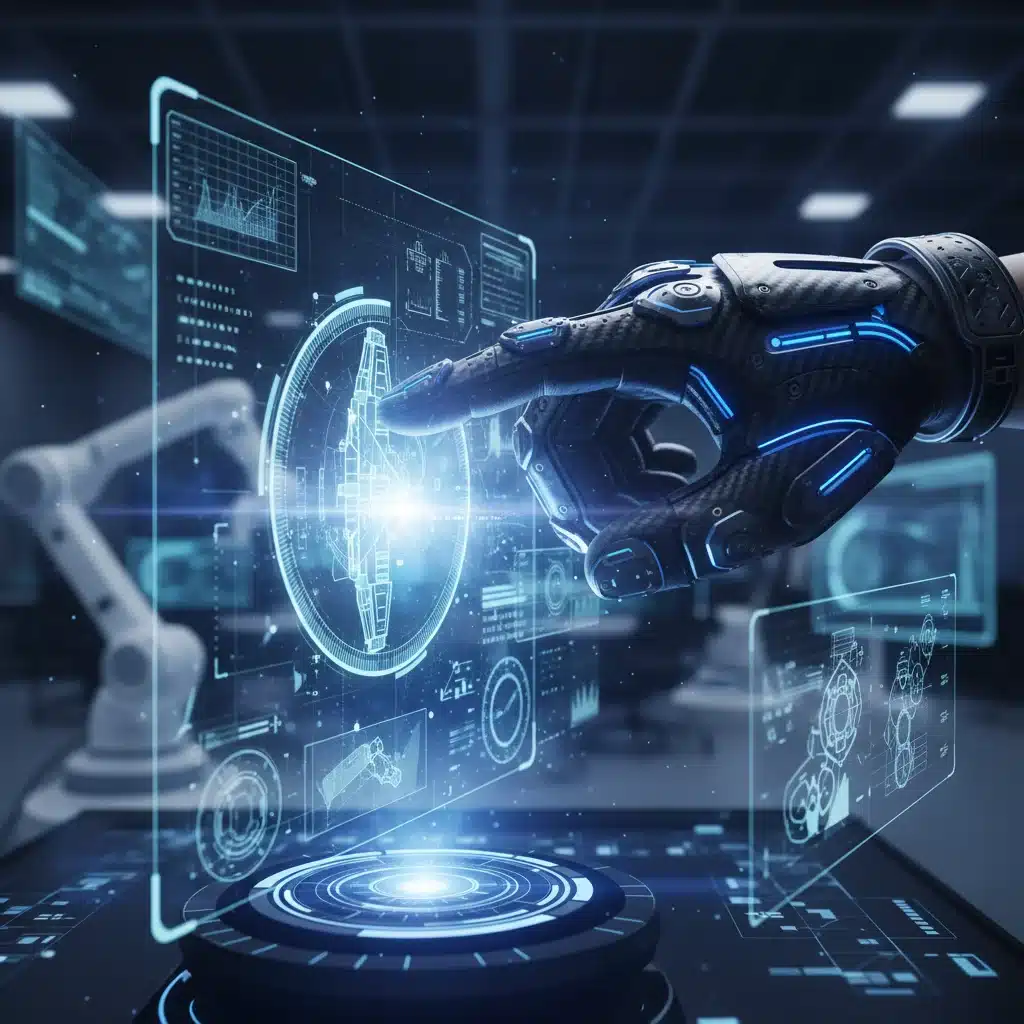
In an increasingly digital world, the quest for more immersive and intuitive human-computer interaction continues unabated. For US businesses, the horizon of 2026 brings with it a transformative technology poised to redefine how we engage with digital environments and physical products: next-generation Haptic Feedback Devices. Far beyond the simple vibrations of a smartphone, these advanced systems promise a rich tapestry of tactile sensations, opening up unprecedented opportunities for innovation, efficiency, and competitive advantage across virtually every sector.
The global haptics market is experiencing explosive growth, driven by advancements in miniaturization, actuator technology, and sophisticated control algorithms. By 2026, the adoption curve for these devices is projected to steepen significantly, making it imperative for US businesses to understand, evaluate, and strategically integrate them into their operations. This comprehensive guide delves into what US businesses need to know to harness the power of next-gen Haptic Feedback Devices, exploring their evolution, diverse applications, challenges, and the strategic imperatives for successful adoption.
The Evolution of Haptic Feedback: Beyond Basic Vibrations
To fully grasp the potential of next-gen Haptic Feedback Devices, it’s crucial to appreciate their journey from rudimentary beginnings. Early haptics were largely limited to vibrotactile feedback – simple vibrations signaling an alert or confirmation. Think of the buzz of your phone when you receive a message or the rumble of a game controller. While effective for basic notifications, these lacked the nuance and complexity required for truly immersive experiences.
Today, the landscape of Haptic Feedback Devices is vastly different. Engineers and researchers are developing systems capable of rendering a wide array of tactile sensations, including textures, shapes, temperatures, and even the feeling of resistance or weight. This leap in fidelity is powered by several key technological advancements:
- Advanced Actuators: Moving beyond eccentric rotating mass (ERM) motors and linear resonant actuators (LRA), newer technologies like piezoelectric actuators, shape memory alloys, and microfluidic systems offer greater precision, bandwidth, and a broader range of force and vibration patterns.
- Sophisticated Control Algorithms: The ability to precisely control multiple actuators simultaneously, often in conjunction with visual and auditory cues, allows for the creation of highly realistic and complex tactile sensations.
- Miniaturization and Integration: Haptic components are becoming smaller and more power-efficient, enabling their seamless integration into a wider variety of devices, from wearables and VR controllers to medical instruments and automotive interfaces.
- Material Science Innovations: New materials with tunable properties are being developed to enhance the interaction between haptic devices and the user’s skin, improving realism and comfort.
These advancements are transforming Haptic Feedback Devices from simple notification tools into sophisticated interfaces that can significantly enhance user perception and interaction, offering a tangible connection to digital content and remote environments.
Key Trends Driving Haptic Adoption in US Businesses by 2026
Several converging trends are accelerating the adoption of Haptic Feedback Devices across various US industries:
1. The Rise of Extended Reality (XR)
Virtual Reality (VR), Augmented Reality (AR), and Mixed Reality (MR) are no longer niche technologies. As XR hardware becomes more accessible and powerful, the demand for truly immersive experiences grows. Haptics are the missing link, providing the tactile dimension that transforms visual and auditory immersion into a full-sensory experience. For businesses, this means enhanced training simulations, more engaging product demonstrations, and revolutionary remote collaboration tools.
2. Human-Machine Interface (HMI) Enhancement
From automotive cockpits to industrial control panels, traditional button-and-screen interfaces are being augmented and replaced by touch-sensitive surfaces. Haptic Feedback Devices provide crucial tactile confirmation, allowing users to interact with digital controls without diverting their gaze, improving safety and efficiency. This is particularly relevant in sectors where precision and immediate feedback are paramount, such as healthcare and manufacturing.
3. Personalized and Adaptive Experiences
The ability of next-gen haptics to deliver highly customizable and context-aware feedback opens doors for personalized user experiences. Imagine a fitness tracker that provides specific haptic cues for different exercise forms, or a retail application that allows customers to ‘feel’ the texture of fabric before purchase. This level of personalization can significantly boost user engagement and satisfaction.
4. Accessibility and Inclusivity
Haptic Feedback Devices offer immense potential for making technology more accessible. For individuals with visual or auditory impairments, haptic cues can provide alternative channels for information delivery, enhancing navigation, communication, and interaction with digital content. Businesses focusing on inclusive design will find haptics an invaluable tool.
5. Remote Work and Collaboration Evolution
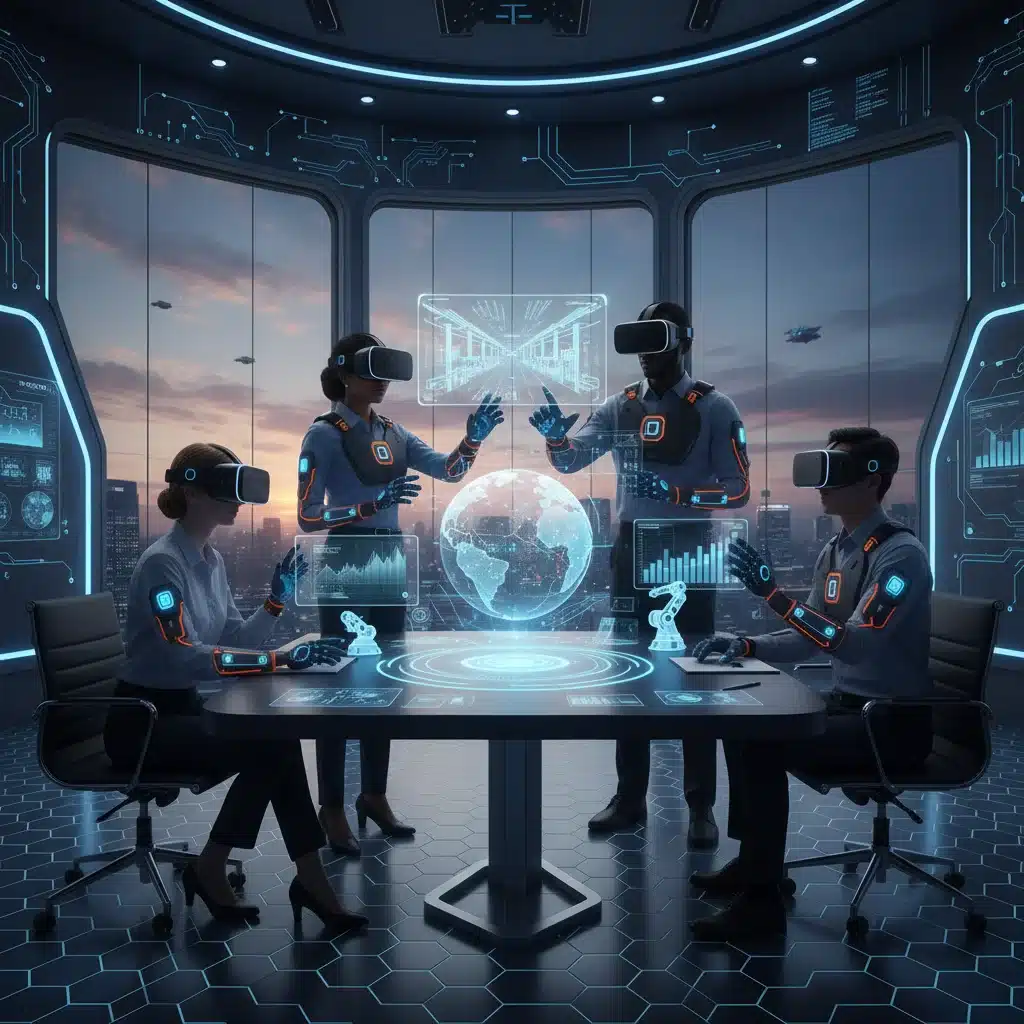
The shift towards remote work has highlighted the need for more engaging and effective virtual collaboration tools. Haptic interfaces can bridge the physical gap, allowing for tactile interaction with virtual objects, collaborative design, and even remote surgical training, fostering a stronger sense of presence and teamwork.
Applications Across US Industries: A Glimpse into 2026
The versatility of Haptic Feedback Devices means their applications are incredibly diverse. Here’s how various US sectors are poised to benefit:
Manufacturing and Industrial Design
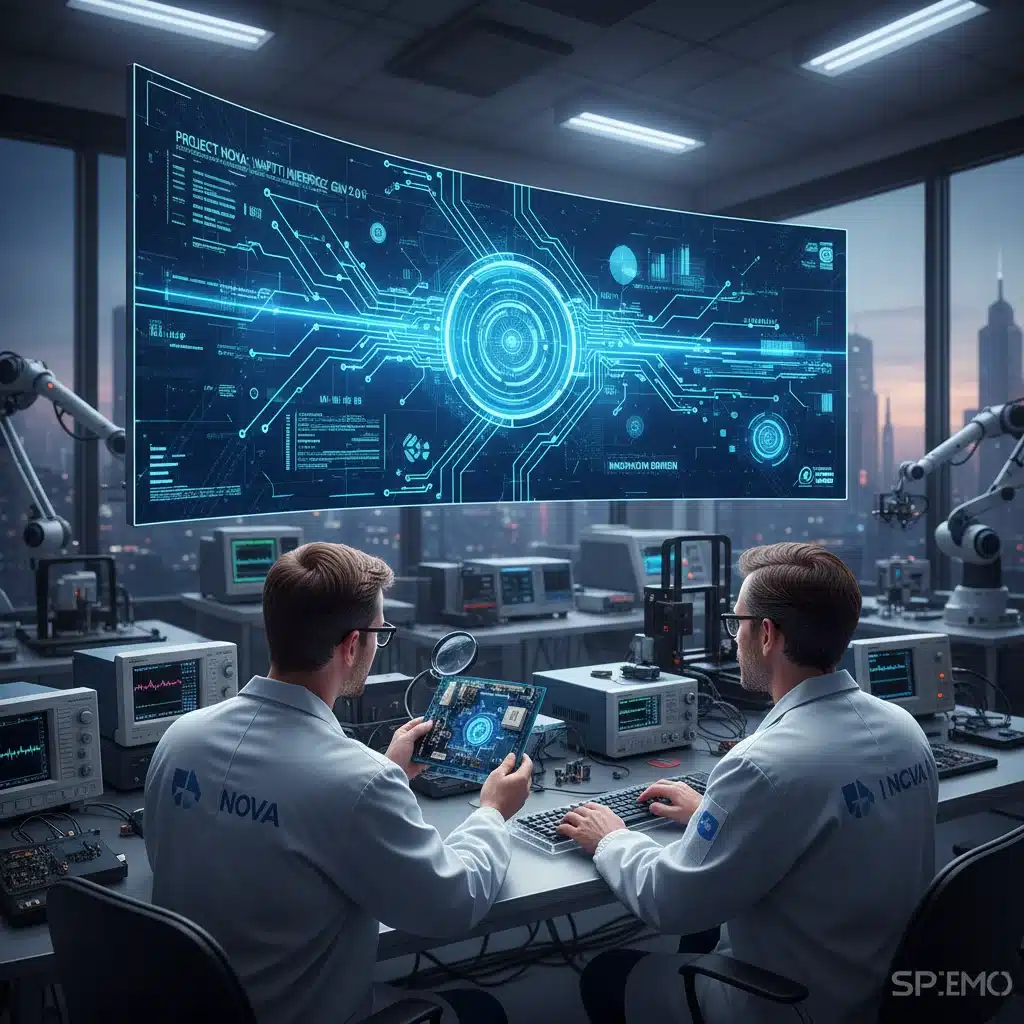
- Prototyping and Design: Engineers can ‘feel’ the contours, weight, and material properties of virtual prototypes, accelerating design cycles and reducing the need for costly physical iterations.
- Remote Operation and Maintenance: Haptic-enabled teleoperation allows operators to feel resistance and pressure when manipulating machinery remotely, improving precision and reducing errors in hazardous environments.
- Quality Control: Haptic feedback can assist in identifying defects in products by allowing tactile inspection of surfaces or components.
Healthcare and Medical Training
- Surgical Training: Surgeons can practice complex procedures on haptic-enabled simulators, experiencing realistic tissue resistance and tool feedback, significantly enhancing skill development without patient risk.
- Rehabilitation: Haptic devices can provide guided exercises and tactile feedback for patients recovering from injuries or strokes, assisting in motor skill recovery.
- Remote Diagnostics and Telemedicine: Doctors could potentially perform tactile examinations remotely, guided by haptic feedback.
Retail and E-commerce
- Product Immersion: Customers can ‘feel’ the texture of clothing, the weight of a product, or the quality of materials in online stores, reducing returns and enhancing confidence in purchases.
- Interactive Displays: In physical retail, haptic feedback on interactive screens can make product exploration more engaging and memorable.
Gaming and Entertainment
- Enhanced Immersion: Beyond simple rumble, next-gen haptics deliver nuanced sensations – the impact of a bullet, the texture of a surface, the feel of rain – deepening player engagement.
- Arcades and Location-Based Entertainment: High-end haptic experiences can draw crowds and offer unique, memorable interactions.
Automotive
- In-Car HMI: Haptic feedback on touchscreens and steering wheels can provide tactile confirmation for controls, reducing driver distraction and improving safety.
- Advanced Driver-Assistance Systems (ADAS): Haptic cues can alert drivers to potential hazards or lane departures more intuitively than visual or auditory alarms.
Education and Training
- Skill Development: From learning to play a musical instrument with haptic guidance to practicing intricate manual tasks, haptics can accelerate skill acquisition.
- Scientific Visualization: Students can ‘feel’ molecular structures or the forces within complex systems, making abstract concepts more tangible.
Challenges and Considerations for US Businesses
While the promise of Haptic Feedback Devices is immense, US businesses must navigate several challenges for successful adoption by 2026:
1. Cost of Implementation
Advanced haptic systems, especially those offering high fidelity and customizability, can be expensive. Businesses need to conduct thorough cost-benefit analyses to ensure a positive return on investment, considering both hardware and software integration costs.
2. Integration Complexity
Integrating haptic technology into existing systems and workflows can be complex. It requires specialized expertise in software development, hardware engineering, and user experience design. Compatibility with current infrastructure and platforms is a crucial consideration.
3. User Acceptance and Training
Introducing new interaction paradigms requires user acceptance. Some users might find novel haptic sensations initially unfamiliar or even distracting. Effective training and thoughtful UI/UX design are essential to ensure smooth adoption and maximize the benefits of haptic feedback.
4. Technical Standards and Interoperability
As the haptics market matures, the establishment of industry-wide standards for haptic rendering, communication protocols, and device interoperability will become increasingly important. Businesses should monitor these developments to ensure their investments are future-proof.
5. Data Privacy and Security
Like any connected technology, Haptic Feedback Devices may collect data on user interactions. Businesses must address data privacy concerns and ensure robust security measures are in place, especially in sensitive applications like healthcare.
6. Power Consumption and Portability
For portable and wearable haptic devices, power consumption remains a critical factor. Balancing performance with battery life is an ongoing challenge that affects device design and usability.
Strategic Imperatives for 2026 Adoption
To successfully integrate Haptic Feedback Devices and gain a competitive edge by 2026, US businesses should consider the following strategic imperatives:
1. Invest in Research and Development (R&D) or Partnerships
Businesses, particularly larger enterprises, should consider investing in internal R&D to explore bespoke haptic solutions tailored to their specific needs. Alternatively, forming strategic partnerships with haptic technology providers or academic institutions can provide access to cutting-edge research and development expertise without the overhead of building an internal team from scratch. This allows companies to stay at the forefront of haptic innovation and develop proprietary applications that offer distinct market advantages.
2. Prioritize User Experience (UX) and Design Thinking
The success of haptic integration hinges on a superior user experience. This requires a deep understanding of human perception and psychology. Businesses must adopt a design thinking approach, involving end-users in the development process from conception to iteration. Focus on creating intuitive, natural, and meaningful haptic sensations that enhance, rather than detract from, the overall user interaction. Haptics should feel like a seamless extension of the digital experience, not an add-on. This also includes careful consideration of the ergonomics and comfort of haptic hardware.
3. Develop a Clear ROI Framework
Before significant investment, businesses need to establish a clear framework for measuring the return on investment (ROI) of haptic technology. This involves identifying specific business objectives that haptics can impact, such as improved training efficiency, reduced errors, enhanced customer satisfaction, increased sales conversions, or accelerated product development cycles. Quantifiable metrics should be defined to track these objectives, allowing for a data-driven evaluation of the technology’s value and justifying further investment.
4. Start Small with Pilot Programs
Instead of a full-scale rollout, businesses should initiate pilot programs or proof-of-concept projects in specific, high-impact areas. This allows for controlled experimentation, gathering valuable feedback, and iterating on solutions without significant upfront risk. Pilot programs can help identify unforeseen challenges, refine integration strategies, and demonstrate the tangible benefits of haptics to internal stakeholders, building momentum for broader adoption. For example, a manufacturing company might pilot haptic-enabled remote assistance for a specific maintenance task.
5. Foster Cross-Functional Collaboration
Successful haptic integration is not solely an IT or engineering task. It requires close collaboration between diverse departments, including product development, marketing, sales, training, and customer service. Each team brings a unique perspective on how haptics can enhance their respective functions and contribute to overall business goals. For example, marketing teams can leverage haptics for more engaging product demonstrations, while training departments can use them to create more effective learning modules. This holistic approach ensures that haptic solutions are well-aligned with the company’s strategic vision.
6. Stay Abreast of Regulatory and Ethical Considerations
As haptic technology becomes more sophisticated, particularly in sensitive areas like healthcare, businesses must remain vigilant regarding evolving regulatory landscapes and ethical implications. This includes considerations around data privacy, accessibility standards, and the potential for misuse. Proactive engagement with industry bodies and legal experts can help businesses navigate these complexities and ensure compliance, building trust with users and regulators alike.
7. Cultivate an Innovation-Driven Culture
Embracing next-gen Haptic Feedback Devices requires a corporate culture that values innovation, experimentation, and continuous learning. Businesses should encourage employees to explore new technological possibilities, provide resources for skill development in haptics, and celebrate successful implementations. A forward-thinking culture will be crucial for identifying novel applications and adapting to the rapid pace of technological change in the haptics domain.
The Future is Tactile: Preparing for 2026 and Beyond
The trajectory of Haptic Feedback Devices points towards an increasingly tactile future. By 2026, these technologies will move beyond novelty to become integral components of our digital and physical interactions. For US businesses, the time to prepare is now.
Embracing haptics is not merely about adopting a new gadget; it’s about fundamentally rethinking how products are designed, services are delivered, and experiences are created. It’s about adding a crucial dimension to the digital realm, making it more intuitive, engaging, and human. Businesses that proactively invest in understanding and integrating next-gen Haptic Feedback Devices will be well-positioned to unlock new revenue streams, enhance customer loyalty, improve operational efficiency, and ultimately, lead their respective industries in the coming years.
The competitive landscape of 2026 will undoubtedly favor those who can offer richer, more immersive, and more effective interactions. Haptic technology offers a powerful pathway to achieve this. By carefully planning, investing wisely, and prioritizing user-centric design, US businesses can ensure they are not just participants, but pioneers in this exciting tactile revolution.