VR Experiences: Boosting Customer Engagement & NPS for US Brands by 2026
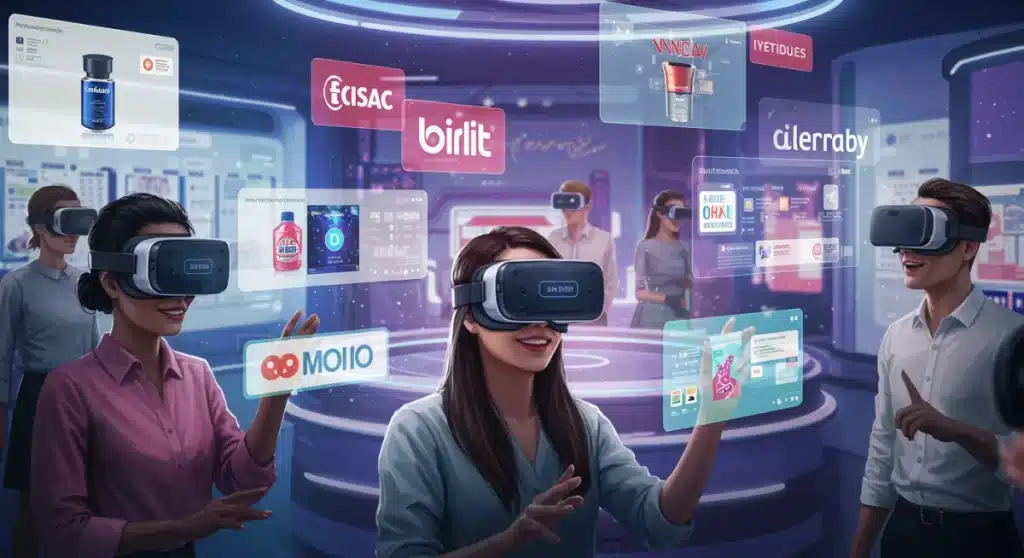
In the rapidly evolving landscape of consumer interaction, brands are constantly seeking innovative ways to capture attention, foster loyalty, and ultimately, drive growth. Traditional marketing and customer service channels, while still vital, are increasingly being augmented by cutting-edge technologies. Among these, Virtual Reality (VR) stands out as a transformative force, poised to redefine how US brands connect with their audiences. The promise isn’t just about novelty; it’s about delivering tangible, measurable improvements in key performance indicators, notably customer engagement and Net Promoter Score (NPS).
The projection of VR experiences driving a 5-point NPS increase for US brands by 2026 is not merely an optimistic forecast; it’s a reflection of the profound impact immersive technologies have on human perception and emotional connection. This article delves deep into the mechanisms through which VR elevates customer engagement, explores the strategic imperatives for brands looking to harness its power, and outlines a roadmap for achieving significant NPS improvements.
The Paradigm Shift: From Passive Consumption to Immersive Interaction
For decades, customer engagement was largely a one-way street, or at best, a transactional exchange. Brands broadcasted messages, and consumers passively received them. The digital age introduced more interactive elements – social media, personalized emails, chat support – but these often still operated within a two-dimensional framework. VR shatters this paradigm, ushering in an era of true immersion and active participation.
Imagine a potential car buyer not just watching a video review, but virtually test-driving a vehicle through scenic routes, customizing its interior in real-time, and even experiencing its safety features through simulated scenarios. Or a furniture shopper not merely browsing an online catalog, but placing a virtual sofa in their actual living room to see how it fits and complements their decor. These are not distant futuristic concepts; they are current applications of VR that are already reshaping consumer behavior and expectations. This level of VR customer engagement creates a memorable, personal, and highly effective interaction.
Why Immersion Matters for Customer Engagement
The human brain processes immersive experiences differently than traditional media. When individuals are fully immersed in a VR environment, their senses are engaged in a way that fosters a deeper sense of presence and realism. This heightened state of engagement translates into several critical advantages for brands:
- Emotional Connection: VR can evoke powerful emotions, from excitement and wonder to empathy and understanding. Brands can leverage this to create emotionally resonant experiences that forge stronger bonds with customers.
- Memorability: Immersive experiences are inherently more memorable than passive ones. A customer’s VR interaction with a brand is likely to stick with them long after the headset comes off, influencing their recall and perception.
- Understanding and Education: Complex products or services can be demystified through VR. Customers can explore intricate details, understand functionalities, and even learn how to use products in a safe, simulated environment, leading to greater confidence and satisfaction.
- Personalization at Scale: VR platforms can be tailored to individual preferences, offering personalized journeys that resonate deeply with each user. This level of customization is difficult to achieve with traditional marketing efforts.
- Reduced Cognitive Load: By making abstract concepts tangible and interactive, VR reduces the mental effort required to understand information, making the customer journey smoother and more enjoyable.
The Link Between VR Experiences and Net Promoter Score (NPS)
NPS, a key metric for measuring customer loyalty and satisfaction, is calculated based on a single question: “On a scale of 0 to 10, how likely are you to recommend [Company/Product/Service] to a friend or colleague?” High scores indicate a strong likelihood of recommendation, driven by positive experiences and perceived value. The projected 5-point increase in NPS for US brands by 2026 due to VR experiences is a testament to VR’s ability to directly impact the factors that drive recommendations.
How VR Elevates NPS
- Enhanced Customer Satisfaction: When customers have delightful, engaging, and problem-solving experiences through VR, their overall satisfaction levels naturally rise. This positive sentiment directly translates into a higher likelihood of recommending the brand.
- Novelty and Innovation Perception: Brands that embrace VR are often perceived as innovative and forward-thinking. This perception alone can boost a customer’s willingness to recommend, as they appreciate being associated with cutting-edge experiences.
- Problem Resolution and Support: VR can be utilized for advanced customer support, allowing customers to virtually interact with product specialists, troubleshoot issues in a simulated environment, or even receive guided assistance for complex tasks. This efficient and engaging problem-solving can significantly improve loyalty.
- Improved Product Understanding: As mentioned, VR helps customers understand products better. This reduces post-purchase dissonance and increases confidence in their purchase decisions, leading to higher satisfaction and advocacy.
- Brand Differentiation: In crowded markets, VR offers a powerful way for brands to differentiate themselves. Unique and memorable VR experiences create a competitive edge, making customers more enthusiastic about sharing their positive interactions. This directly contributes to stronger VR customer engagement.
- Community Building: Multi-user VR experiences can foster a sense of community around a brand. Imagine virtual events, product launches, or collaborative design sessions that bring customers together in an engaging virtual space, strengthening their connection to the brand and to each other.
Key Sectors Poised for VR-Driven NPS Growth
While VR’s potential is broad, certain sectors are particularly well-positioned to leverage its capabilities for significant NPS improvements. Understanding these areas can provide valuable insights for brands across industries.
Retail and E-commerce: Redefining the Shopping Journey
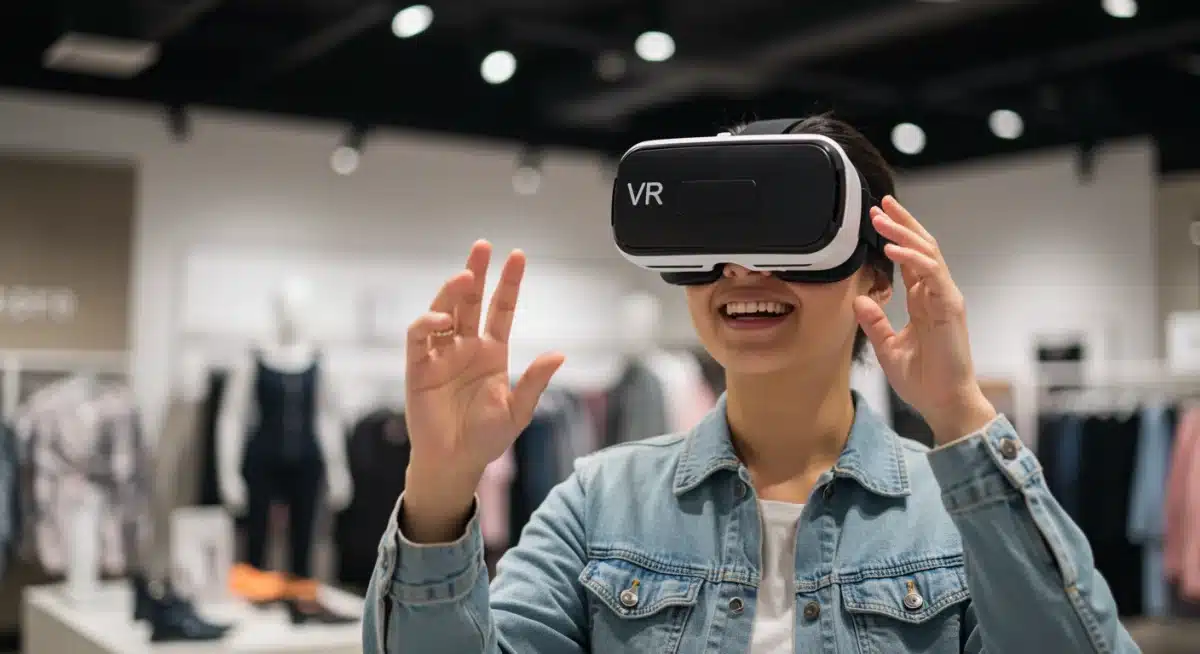
The retail sector is perhaps one of the most obvious beneficiaries of VR. As consumers increasingly demand personalized and convenient shopping experiences, VR offers solutions that bridge the gap between online and in-store shopping. Virtual showrooms, AR-powered ‘try-before-you-buy’ features, and immersive product demonstrations are transforming how consumers discover, evaluate, and purchase goods.
- Virtual Try-On: From clothing to cosmetics, VR/AR allows customers to virtually try on products, reducing returns and increasing purchase confidence.
- Immersive Showrooms: Brands can create virtual stores that customers can explore from anywhere, offering a curated and interactive browsing experience that rivals, and in some ways surpasses, physical retail.
- Product Customization: VR enables customers to design and customize products in real-time, seeing their creations come to life before making a purchase.
These experiences lead to higher satisfaction, fewer post-purchase regrets, and a greater likelihood of positive recommendations, directly impacting NPS.
Automotive: The Ultimate Test Drive
The automotive industry has long relied on the test drive as a crucial part of the sales process. VR takes this to a new level, offering virtual test drives that can be customized to any environment, weather condition, or performance scenario. Customers can explore different models, interiors, and features without leaving the dealership or even their homes.
- Virtual Test Drives: Experience a car’s performance in various scenarios, from city driving to off-road adventures, without physical limitations.
- Interior Customization: Design and visualize bespoke car interiors, choosing materials, colors, and features in a highly realistic virtual environment.
- Safety Feature Simulations: Understand complex safety systems through interactive simulations, enhancing trust and confidence in the brand.
This deep level of engagement in the purchase decision process significantly enhances customer confidence and satisfaction, translating to a higher NPS.
Travel and Hospitality: Previewing Paradise
For travel agencies, hotels, and tourism boards, VR offers an unparalleled opportunity to showcase destinations and accommodations. Instead of static images or videos, potential travelers can virtually walk through a hotel room, explore a resort’s amenities, or even take a guided tour of a landmark.
- Virtual Tours: Immerse potential guests in a 360-degree view of hotels, cruise ships, or tourist attractions.
- Destination Previews: Allow travelers to ‘visit’ a destination before booking, helping them make informed decisions and build excitement.
- Experiential Marketing: Create engaging VR experiences that transport users to exotic locales, fostering wanderlust and brand association.
The ability to ‘try before you buy’ in the travel sector significantly reduces uncertainty and increases excitement, leading to more satisfied customers and higher NPS.
Education and Training: Learning by Doing
While not directly customer-facing in the traditional sense, VR in education and training impacts the ‘customer’ (student, employee) experience profoundly. Brands offering educational programs or employee training can leverage VR to create highly engaging and effective learning environments. This leads to higher satisfaction among learners, who are more likely to recommend the programs or the companies providing them.
- Interactive Learning Modules: Simulate complex procedures or scenarios for hands-on training without real-world risks.
- Virtual Field Trips: Transport students to historical sites, scientific labs, or even outer space.
- Skill Development: Practice soft skills like public speaking or customer service in realistic virtual environments.
Improved learning outcomes and engaging experiences naturally lead to higher satisfaction and advocacy, boosting NPS for educational providers and corporate training departments alike.
Challenges and Considerations for VR Implementation
While the benefits of VR for customer engagement and NPS are substantial, successful implementation requires careful planning and consideration of potential challenges.
Cost of Entry and Scalability
Developing high-quality VR experiences can be expensive, requiring specialized hardware, software, and expertise. Brands need to weigh the initial investment against the projected returns and consider how to scale their VR initiatives effectively without compromising quality.
Content Creation and Quality
The success of any VR experience hinges on the quality of its content. Poorly designed or glitchy VR can do more harm than good, leading to frustration and negative perceptions. Brands must invest in professional content creation that aligns with their brand identity and delivers a seamless, engaging experience.
Accessibility and User Experience
While VR technology is becoming more accessible, not all customers own VR headsets. Brands need to consider how to make their VR experiences available to a broader audience, perhaps through in-store VR stations, mobile VR (Google Cardboard, etc.), or even web-based VR (WebXR) that runs in standard browsers. Furthermore, the user experience must be intuitive and comfortable to avoid motion sickness or confusion, ensuring positive VR customer engagement.
Integration with Existing Systems
For VR initiatives to be truly effective, they need to integrate seamlessly with existing CRM systems, marketing platforms, and data analytics tools. This allows for personalized experiences, trackable metrics, and a holistic view of the customer journey.
Measuring ROI and NPS Impact
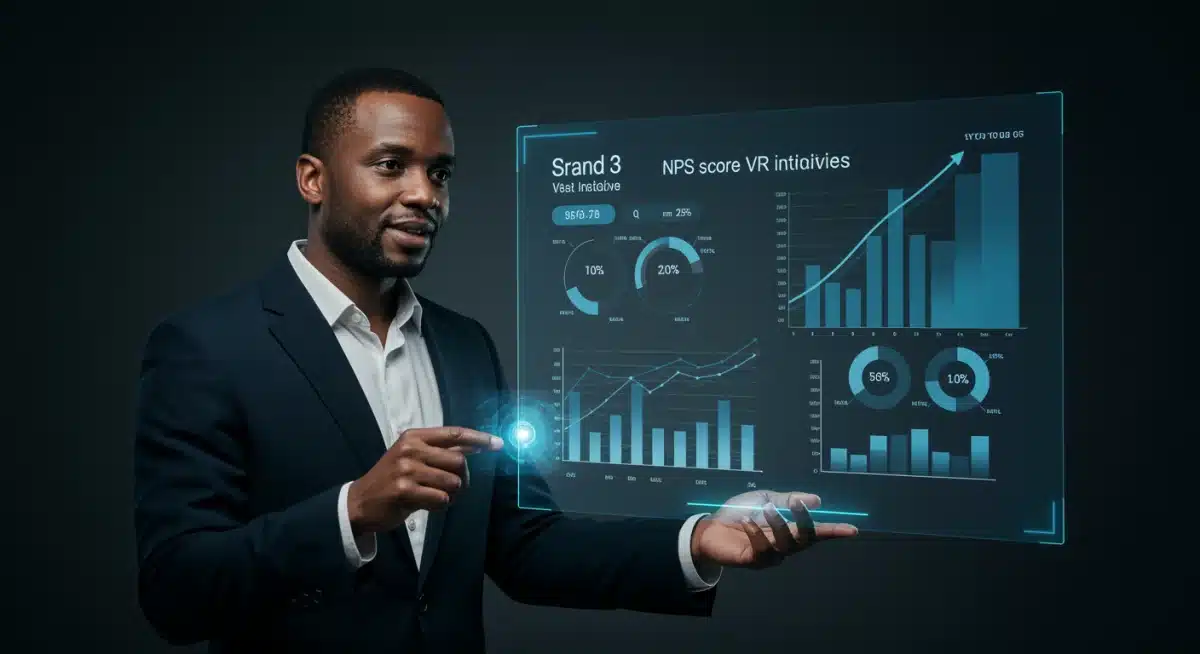
While the projection is a 5-point NPS increase, brands need robust methodologies to measure the actual impact of their VR investments. This involves tracking engagement metrics within VR experiences, correlating them with NPS surveys, and conducting A/B testing to optimize performance.
Strategies for Maximizing VR’s Impact on NPS
To fully capitalize on the potential of VR for boosting NPS, US brands should adopt a strategic approach that focuses on creating meaningful and impactful experiences.
1. Define Clear Objectives and Target Audience
Before embarking on any VR project, brands must clearly define what they aim to achieve (e.g., increase product understanding, improve customer support, boost brand perception) and for whom. Understanding the target audience’s demographics, tech savviness, and pain points will guide the design of relevant and engaging VR experiences.
2. Focus on Value-Driven Experiences
VR should not be a gimmick. Experiences must offer genuine value to the customer, whether it’s solving a problem, providing entertainment, facilitating learning, or enabling better decision-making. The perceived value is directly proportional to the positive impact on satisfaction and NPS.
3. Integrate VR into the Customer Journey
Rather than standalone activations, VR should be thoughtfully integrated into various touchpoints of the customer journey. This could mean using VR for pre-purchase exploration, post-purchase support, or even loyalty program engagement. A cohesive integration ensures that VR enhances the overall brand experience.
4. Prioritize User Experience (UX) Design
A smooth, intuitive, and comfortable user experience is paramount. Invest in professional UX design that minimizes friction, prevents motion sickness, and guides users through the experience effortlessly. Regular testing and feedback loops are crucial for refinement.
5. Leverage Data and Analytics
Implement robust analytics within VR experiences to track user behavior, engagement levels, and pain points. This data is invaluable for optimizing experiences, personalizing content, and demonstrating the ROI of VR initiatives. Correlate these insights with NPS feedback to understand the direct impact.
6. Promote and Educate
Don’t assume customers will spontaneously discover VR experiences. Brands need to actively promote their VR offerings and educate customers on how to access and benefit from them. This can involve in-store demonstrations, digital marketing campaigns, and clear instructions.
7. Experiment and Iterate
The VR landscape is constantly evolving. Brands should adopt an agile approach, experimenting with different types of VR experiences, gathering feedback, and iterating on their designs. Staying abreast of new technologies and trends will ensure long-term relevance and effectiveness.
The Future of VR and Customer Engagement
Looking beyond 2026, the convergence of VR with other emerging technologies like Artificial Intelligence (AI) and the Metaverse promises even more profound transformations in customer engagement. AI-powered virtual assistants within VR environments could offer hyper-personalized support and recommendations. The Metaverse, a persistent, shared virtual space, could become the ultimate platform for brands to create enduring virtual presences, host events, and foster deep community engagement.
As hardware becomes more affordable, accessible, and comfortable, and as content creation tools become more sophisticated, VR will move from a niche technology to a mainstream channel for customer interaction. Brands that invest early and strategically in VR will not only reap the benefits of increased NPS but will also position themselves as leaders in the next era of experiential marketing and customer relationship management. The journey to a 5-point NPS increase through VR customer engagement is not just about adopting a new technology; it’s about embracing a new philosophy of connecting with customers on a deeper, more meaningful level.
Conclusion
The prediction of VR experiences driving a 5-point NPS increase for US brands by 2026 is a bold yet achievable target. By offering unparalleled immersion, personalization, and emotional connection, Virtual Reality holds the key to unlocking new levels of customer engagement and loyalty. Brands that strategically invest in high-quality, value-driven VR experiences, integrate them seamlessly into the customer journey, and continuously optimize based on data, will be the ones to lead the charge. The future of customer interaction is immersive, and VR is at its forefront, promising not just fleeting attention, but lasting advocacy and a significantly improved Net Promoter Score.