Future-Proofing Your VR Hardware Investment: Key Considerations for Purchases Made in Early 2026
The virtual reality (VR) landscape is a rapidly evolving frontier, promising immersive experiences that transcend traditional computing. For enthusiasts, developers, and businesses alike, the allure of VR is undeniable. However, the pace of technological advancement also presents a unique challenge: how do you make a VR hardware investment today that won’t be obsolete tomorrow? Especially when considering purchases made in early 2026, where the market is poised for significant shifts, strategic foresight is paramount. This comprehensive guide will delve into the critical factors you need to consider to future-proof your VR hardware investment, ensuring longevity, adaptability, and continued value.
Investing in VR hardware is more than just buying a new gadget; it’s an entry point into a burgeoning ecosystem of content, applications, and social interactions. The wrong choice can lead to buyer’s remorse, costly upgrades, and missed opportunities. The right choice, however, can unlock unparalleled experiences and provide a competitive edge. As we approach early 2026, several key trends and technological advancements are shaping the VR market, making this a pivotal time for making informed decisions about your VR hardware investment.
Understanding the Current VR Landscape in Early 2026
Before diving into specific hardware recommendations, it’s crucial to understand the state of VR technology as we enter early 2026. The market is maturing, moving beyond niche early adopters to a broader consumer and enterprise base. This shift is driven by several factors:
- Increased Accessibility: Standalone VR headsets have dramatically lowered the barrier to entry, offering powerful experiences without the need for a high-end PC.
- Technological Refinements: Displays are getting sharper, refresh rates higher, and tracking more precise. Haptic feedback is becoming more sophisticated, adding to the immersion.
- Content Expansion: The library of VR games, educational tools, productivity applications, and social platforms is growing exponentially, attracting diverse users.
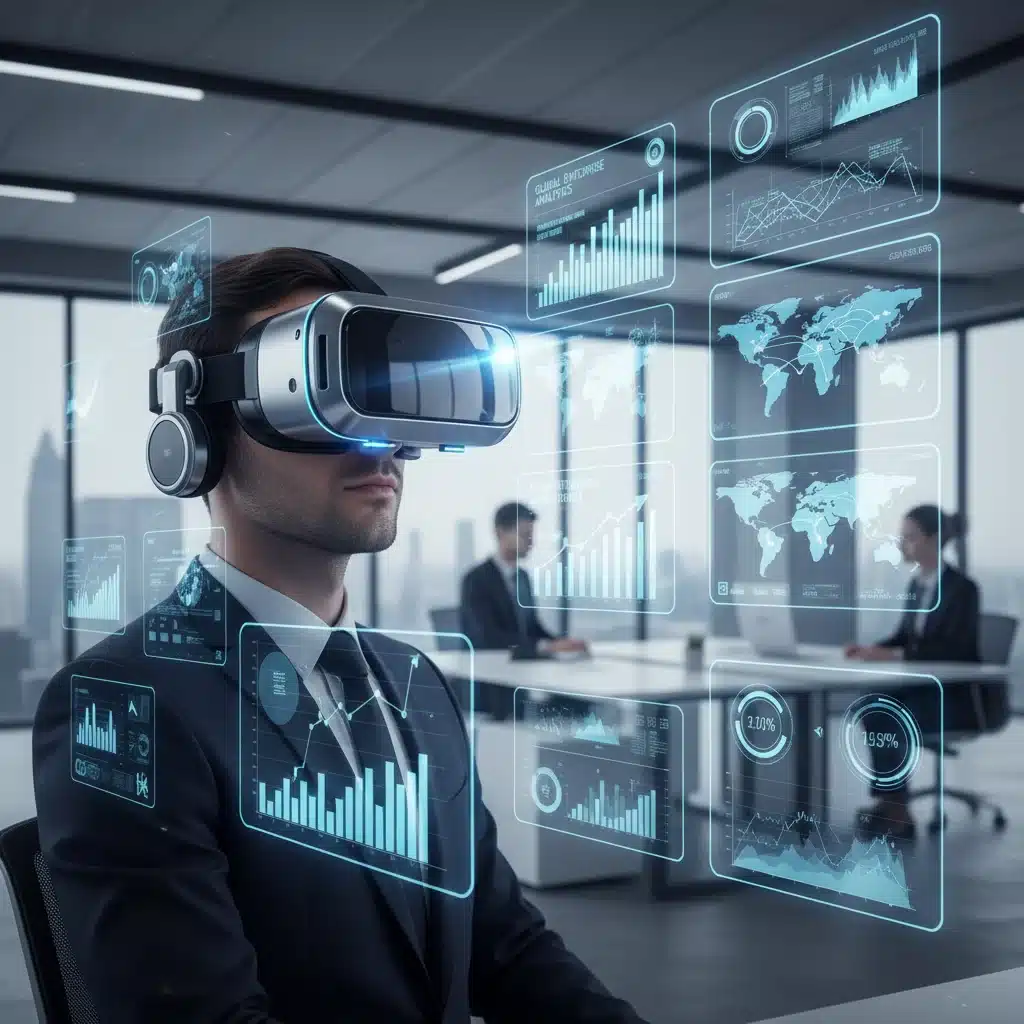
- Enterprise Adoption: Businesses are increasingly leveraging VR for training, design, collaboration, and remote work, driving demand for robust and reliable hardware.
- The Metaverse Vision: While still nascent, the concept of the metaverse continues to influence VR development, pushing towards more interconnected and persistent virtual worlds.
These trends highlight a market that is consolidating around certain standards and technologies, yet still ripe for innovation. Your VR hardware investment strategy must account for both stability and potential disruption.
Key Pillars of a Future-Proof VR Hardware Investment
1. Display Technology: Resolution, Refresh Rate, and Optics
The visual fidelity of a VR headset is paramount to immersion and comfort. As of early 2026, expect significant advancements in display technology. When making your VR hardware investment, prioritize:
- High Resolution: Aim for headsets with at least 4K resolution per eye, or even higher. Pixel density directly impacts the “screen door effect” (SDE) – the visible gaps between pixels. Higher resolution provides sharper images, clearer text, and a more realistic sense of presence. Future content will demand this clarity.
- High Refresh Rate: A refresh rate of 90Hz is now standard, but 120Hz and even 144Hz are becoming more common. Higher refresh rates reduce motion sickness and create a smoother, more fluid experience. This is critical for fast-paced games and comfortable prolonged use.
- Advanced Optics: Look beyond just resolution. Pancake lenses are gaining traction, offering a wider field of view (FOV) and a thinner, lighter form factor compared to traditional Fresnel lenses. These advancements reduce bulk and improve visual clarity across the entire FOV, minimizing distortions.
- Mini-LED or Micro-OLED: These display technologies offer superior contrast, true blacks, and vibrant colors compared to traditional LCDs. While potentially more expensive, they significantly enhance the visual experience and are likely to be standard in premium headsets moving forward.
2. Processing Power and Connectivity: Standalone vs. PC-Tethered
The debate between standalone and PC-tethered VR continues, but the lines are blurring. Your VR hardware investment should align with your primary use cases:
- Standalone Power: For early 2026, standalone headsets are expected to feature increasingly powerful mobile processors (e.g., Snapdragon XR3 or equivalent). These chips are capable of delivering impressive graphics and complex interactions without external hardware. If portability, ease of use, and a cable-free experience are priorities, a high-end standalone device is a strong contender. Ensure it has ample RAM and storage for future applications.
- PC-Tethered Performance: For the absolute best graphics, complex simulations, and access to the most demanding VR titles, a PC-tethered headset remains superior. The processing power of a dedicated gaming PC or workstation cannot be matched by mobile chips. Consider a headset that offers both wired and wireless PC VR capabilities (e.g., via Wi-Fi 6E/7). This hybrid approach provides flexibility.
- Future Connectivity Standards: Wi-Fi 6E and Wi-Fi 7 are crucial for high-bandwidth wireless VR streaming (Air Link, Virtual Desktop). Ensure your router and headset support these standards. USB4 and Thunderbolt 4 are also important for high-speed wired connections and data transfer.
3. Tracking and Input: Precision and Innovation
Accurate tracking and intuitive input methods are fundamental to a compelling VR experience. A robust VR hardware investment will prioritize:
- Inside-Out Tracking: Most modern headsets use inside-out tracking (cameras on the headset track your position and controllers). This technology is continually improving in accuracy and robustness. Look for headsets with multiple cameras for wider tracking volumes and better occlusion handling.
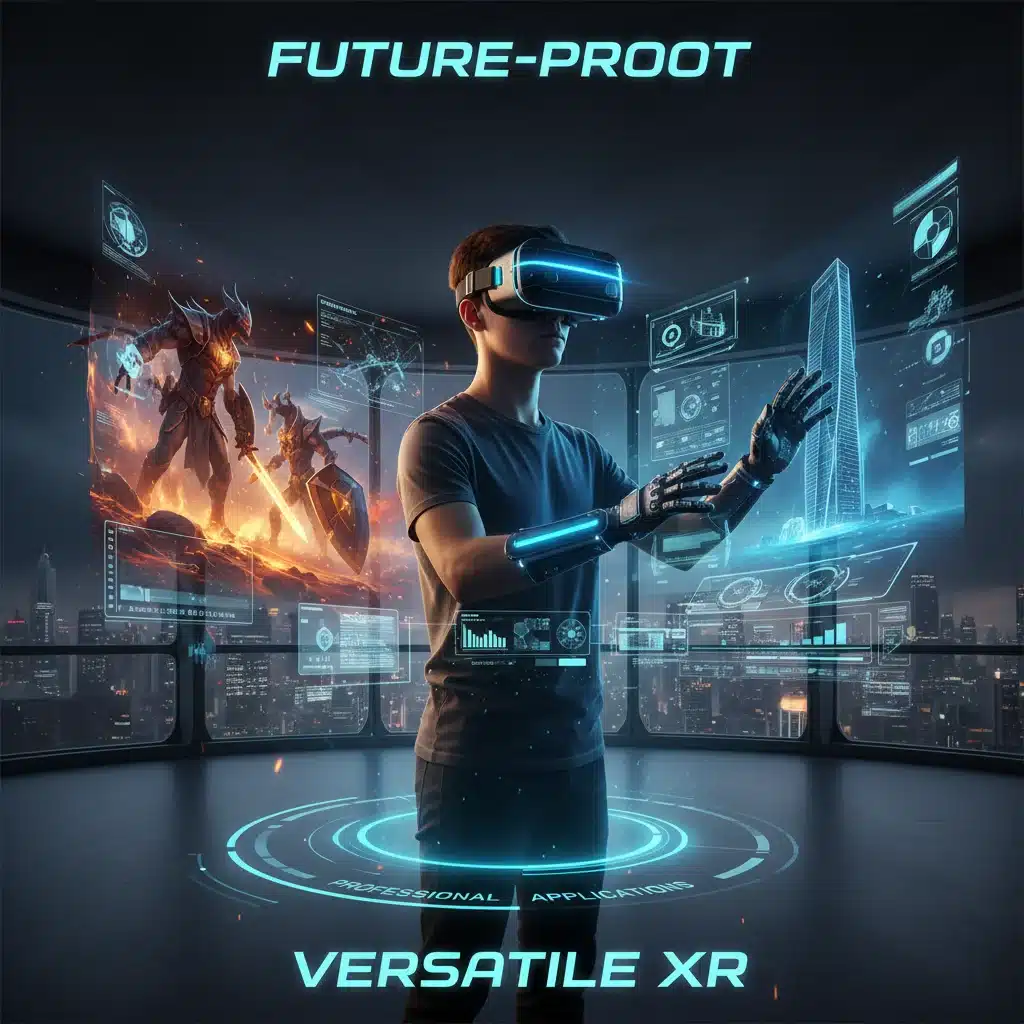
- Advanced Controllers: Controllers are evolving beyond basic button inputs. Expect more sophisticated haptics (e.g., haptic gloves, advanced trigger feedback), finger tracking, and even hand-tracking as a primary input method. Controllers that support precise finger articulation and provide realistic force feedback will enhance immersion significantly.
- Eye Tracking: This is a game-changer for VR. Eye tracking enables foveated rendering (only rendering the area you’re looking at in full resolution, saving computational power), dynamic IPD adjustment, and more natural social interactions through avatars. It’s a strong indicator of a future-proof headset.
- Facial Tracking: While less common in consumer headsets by early 2026, facial tracking adds another layer of immersion, allowing your avatar to mirror your expressions. For social VR or enterprise communication, this could become a significant feature.
4. Comfort and Ergonomics: Long-Term Usability
No matter how powerful a headset is, if it’s uncomfortable to wear, you won’t use it. Your VR hardware investment should include a strong focus on ergonomics:
- Weight Distribution: Lighter headsets are generally better, but even more important is balanced weight distribution. Headsets that put too much pressure on the face or forehead can cause discomfort.
- Adjustability: Look for easy-to-adjust straps, headbands, and interpupillary distance (IPD) mechanisms. A comfortable fit is highly personal.
- Materials: Breathable, skin-friendly materials for face gaskets and head straps are essential, especially for longer sessions. Replaceable facial interfaces are a bonus for hygiene and customization.
- Prescription Lens Inserts: If you wear glasses, consider headsets that accommodate them or offer prescription lens inserts. This greatly enhances comfort and visual clarity.
5. Ecosystem and Software Support: Longevity and Content Access
Hardware is only as good as the software and content it supports. A smart VR hardware investment considers the broader ecosystem:
- Open vs. Closed Ecosystems: Some platforms are more open (e.g., SteamVR compatible headsets), offering access to a wider range of content. Others are more closed (e.g., Meta Quest ecosystem), providing a curated experience but potentially limiting choices. Understand the implications for your content library.
- Developer Support: A vibrant developer community ensures a steady stream of new applications and updates. Look for platforms with strong developer tools and engagement.
- Backward Compatibility: Will your new headset be compatible with existing VR titles and accessories? This is crucial for protecting your previous content investments.
- Operating System Updates: Regular software updates from the manufacturer are vital for security, performance improvements, and new features. Research a company’s track record for supporting its devices post-launch.
6. Modular Design and Upgradeability: The Future-Proofing Holy Grail
In a rapidly changing tech landscape, modularity is perhaps the ultimate future-proofing feature for your VR hardware investment. While full modularity is rare, look for:
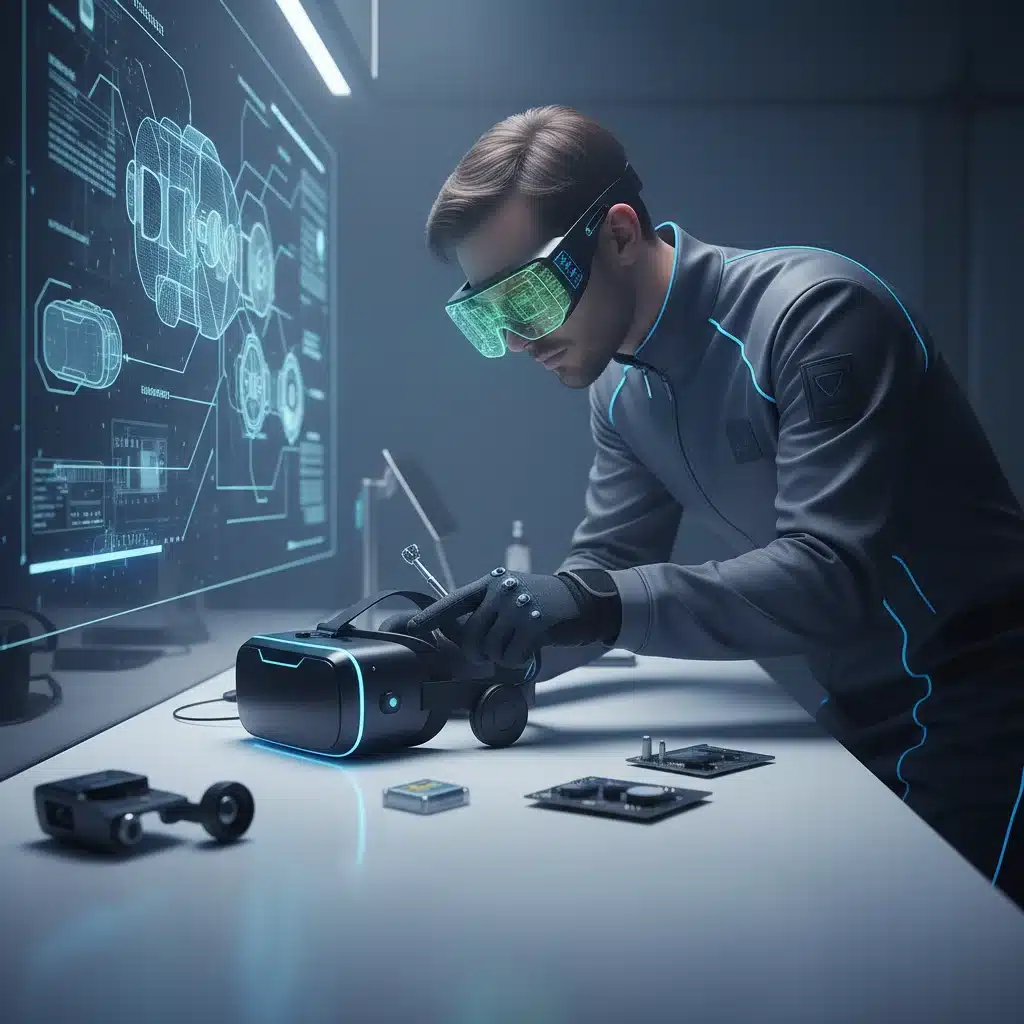
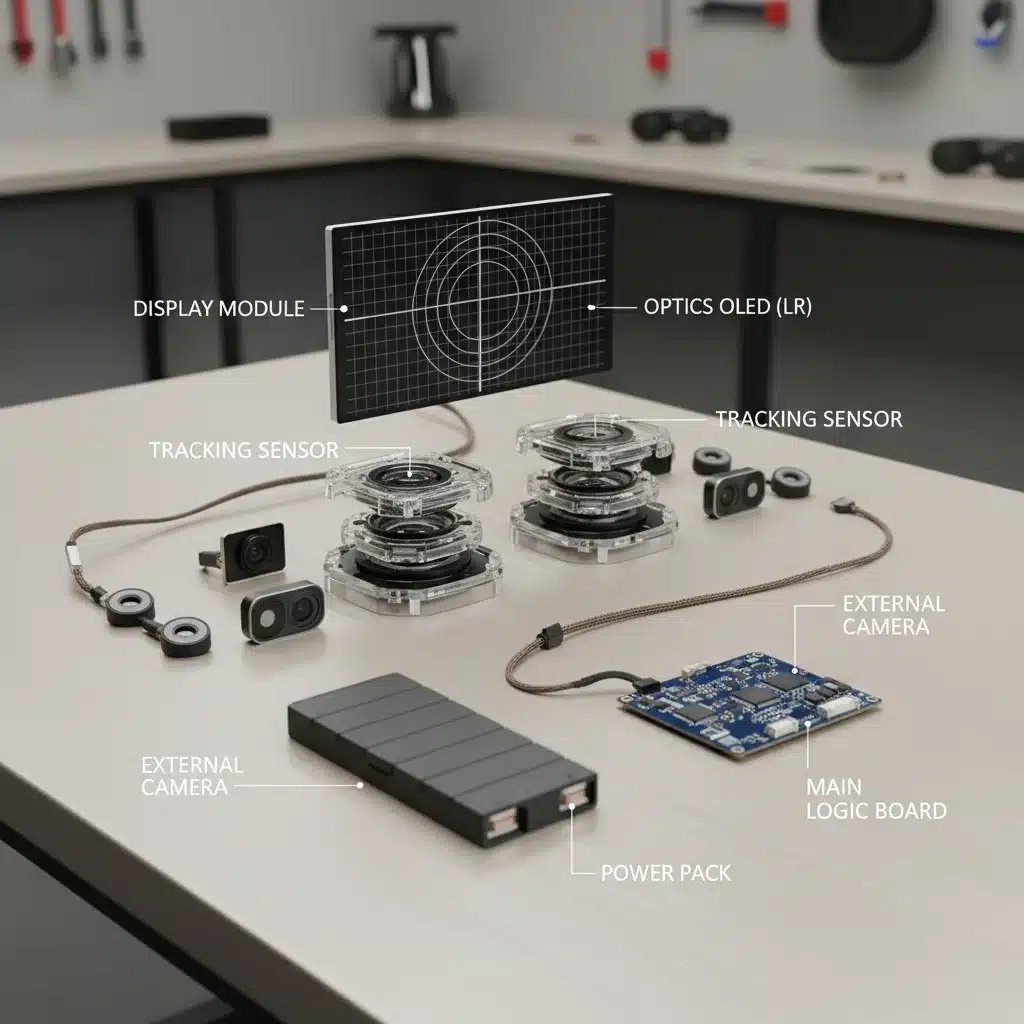
- Swappable Components: Can you upgrade specific components like the facial interface, head strap, or even tracking modules? This extends the life of the core device.
- External Accessory Ports: USB-C or proprietary ports that allow for the addition of new accessories (e.g., haptic vests, scent generators, advanced hand trackers) indicate forward-thinking design.
- Open Standards: Headsets that adhere to open standards for tracking (e.g., OpenXR) or accessory integration are more likely to remain compatible with future innovations from third parties.
While a fully modular headset that allows for display or processor upgrades might be a few years away for mainstream consumers, any degree of modularity will help protect your VR hardware investment.
Specific Considerations for Different User Profiles
For the Casual Gamer/Entertainment User:
Your VR hardware investment should prioritize ease of use, a robust content library, and a comfortable standalone experience. Look for:
- High-resolution standalone headsets with excellent game libraries.
- Good refresh rates (90-120Hz) for smooth gameplay.
- Comfortable design for extended play sessions.
- Strong community support and social features.
For the VR Enthusiast/Hardcore Gamer:
You’ll likely want the best performance and immersion. Your VR hardware investment will lean towards:
- PC-tethered or hybrid headsets with the highest resolutions and refresh rates.
- Advanced optics (pancake lenses, wider FOV).
- Precise tracking and sophisticated controllers with advanced haptics.
- Eye tracking for foveated rendering and future-proof performance.
- Open ecosystem access (SteamVR) for maximum content choice.
For Enterprise and Professional Users:
Reliability, specialized features, and robust support are key. Your VR hardware investment should focus on:
- High-resolution displays for detailed work (e.g., design, engineering).
- Accurate tracking and low latency for precise interactions.
- Eye tracking and potentially facial tracking for training, research, or advanced collaboration.
- Enterprise-grade support and warranties.
- Compatibility with professional software platforms and development kits.
- Modularity or easy maintenance for fleet management.
Avoiding Common Pitfalls in Your VR Hardware Investment
- Buying on Hype Alone: Don’t jump on the first new release. Research reviews, compare specifications, and consider long-term value over short-term excitement.
- Underestimating PC Requirements: If opting for PC VR, ensure your computer can handle the demands of current and future VR titles. A powerful GPU, CPU, and ample RAM are essential.
- Ignoring Comfort: A powerful headset is useless if it’s uncomfortable. If possible, try before you buy or ensure a good return policy.
- Neglecting Ecosystem Lock-in: Be aware of which content libraries you’re committing to. Switching ecosystems later can mean losing access to purchased games/apps.
- Overlooking Future Connectivity: Ensure your home network (Wi-Fi router) can support high-bandwidth wireless VR if that’s your preferred mode of play.
The Role of Software and Content in Future-Proofing
While this guide focuses on hardware, it’s impossible to discuss future-proofing your VR hardware investment without acknowledging the critical role of software and content. A headset is merely a portal; the experiences it delivers are what truly matter. As of early 2026, the VR software landscape is characterized by:
- Cross-Platform Development: Many developers are creating content that can run on multiple VR platforms, which is good for consumers as it reduces platform lock-in.
- Cloud VR: The promise of cloud-rendered VR experiences, streamed to less powerful headsets, continues to be a long-term goal. While not fully mature by early 2026, headsets with robust wireless connectivity are best positioned for this future.
- AI Integration: AI is increasingly being used to create more dynamic and responsive virtual environments, intelligent NPCs, and personalized experiences. Hardware capable of handling these AI-driven applications will have a longer shelf life.
- User-Generated Content (UGC): Platforms that empower users to create and share their own VR experiences will foster vibrant communities and ensure a constant stream of fresh content, adding significant value to your VR hardware investment.
When evaluating a headset, consider the vitality of its associated content ecosystem. Is it growing? Are there diverse applications? Does the platform encourage innovation and user contribution? These questions are just as important as the hardware specifications themselves.
The Metaverse and Your VR Hardware Investment
The concept of the metaverse, while still loosely defined, is a driving force behind much of the current VR development. For your VR hardware investment to be truly future-proof, it should ideally align with the trajectory of the metaverse. This means considering:
- Interoperability: Will your headset and its associated platform allow you to easily move between different virtual worlds and experiences? Open standards and cross-platform compatibility are crucial here.
- Social Presence: Features like eye tracking, facial tracking, and advanced avatar customization will enhance your social presence in metaverse environments.
- Persistent Worlds: As virtual worlds become more persistent, the ability of your hardware to seamlessly connect and interact within these spaces will be key.
- Digital Ownership: The increasing role of NFTs and digital assets within virtual economies suggests that headsets capable of securely interacting with these systems might gain an edge.
While no single headset in early 2026 will perfectly embody the full vision of the metaverse, choosing one that embraces open standards and prioritizes social and interactive features will set you up for a smoother transition into this evolving digital frontier.
Conclusion: Making an Informed VR Hardware Investment in Early 2026
The decision to make a VR hardware investment in early 2026 is an exciting one, but it requires careful thought and strategic planning. The market is dynamic, with constant innovation pushing the boundaries of what’s possible. By focusing on key areas such as high-resolution displays, robust processing power, precise tracking, ergonomic design, and a vibrant software ecosystem, you can significantly future-proof your purchase.
Remember that the ‘best’ VR headset is subjective and depends on your individual needs and budget. However, by prioritizing features that contribute to longevity, adaptability, and an immersive user experience, you can ensure that your VR hardware investment remains valuable and enjoyable for years to come. Stay informed about emerging technologies, read expert reviews, and consider your primary use cases. With a thoughtful approach, you can confidently step into the future of virtual reality.