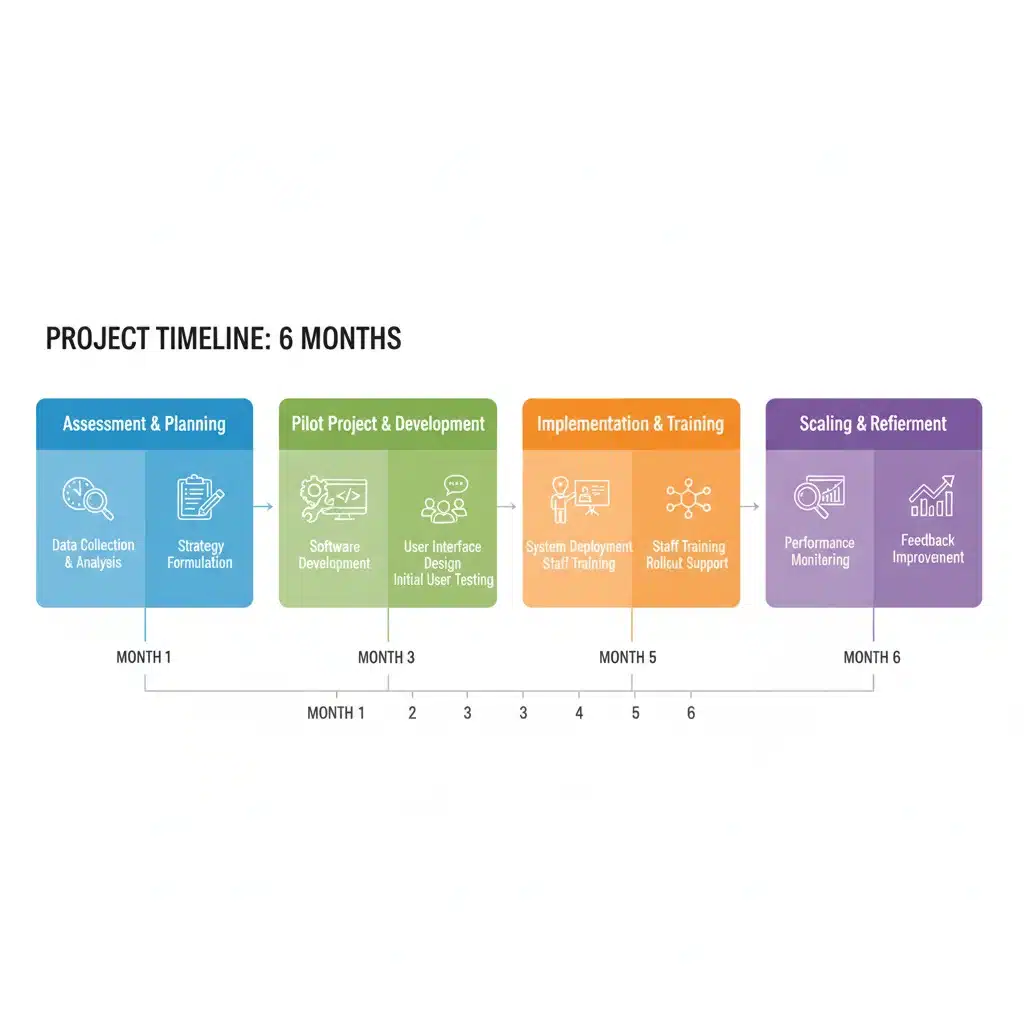
2026 Guide to VR for Industrial Process Optimization: 6-Month Roadmap
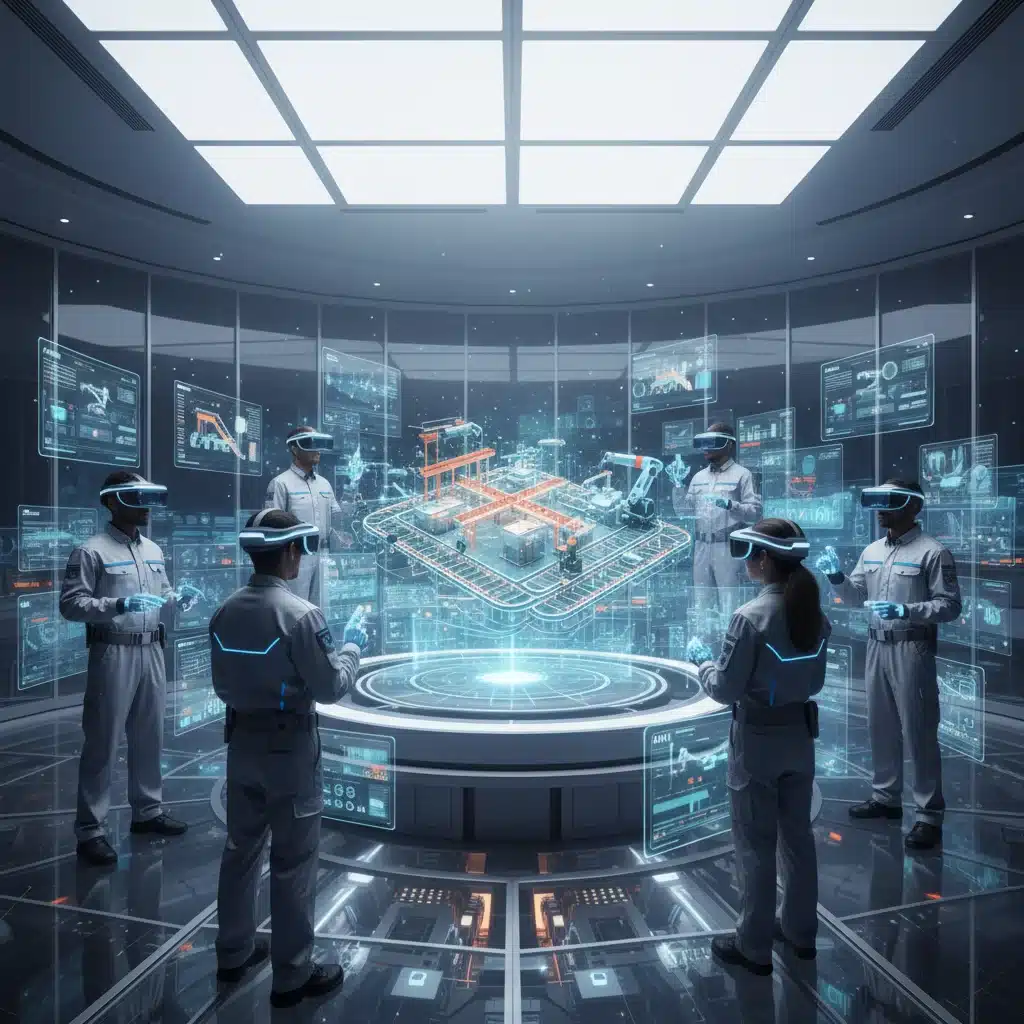
The 2026 Guide to Implementing VR for Industrial Process Optimization: A 6-Month Roadmap
In the rapidly evolving landscape of industrial technology, staying ahead means embracing innovation. Virtual Reality (VR), once a niche for gaming, is now a transformative force in industrial settings. This 2026 guide provides a comprehensive, actionable 6-month roadmap for businesses looking to leverage VR for unparalleled industrial process optimization.
The dawn of 2026 brings with it a matured VR ecosystem, ready to be integrated into the most demanding industrial environments. From enhancing safety protocols to streamlining complex manufacturing workflows, the potential for VR industrial optimization is immense. This guide will walk you through a structured approach, ensuring your VR implementation is not just a technological adoption, but a strategic leap forward.
Introduction: The Imperative of VR in Modern Industry
The global industrial sector faces constant pressure to increase efficiency, reduce downtime, and ensure worker safety. Traditional methods, while foundational, often struggle to keep pace with the complexities of modern machinery and intricate supply chains. This is where Virtual Reality steps in as a game-changer. VR offers an immersive, interactive, and safe environment to simulate, analyze, and optimize industrial processes like never before.
For businesses seeking a competitive edge, understanding and implementing VR industrial optimization is no longer optional; it’s a necessity. Imagine training new employees on hazardous machinery without any risk, or designing an entire factory layout in a virtual space, identifying bottlenecks before a single brick is laid. These are not futuristic dreams; they are current capabilities that can be realized through a well-planned VR strategy.
This roadmap is designed for decision-makers, engineers, and IT professionals who are ready to embark on this transformative journey. We will break down the process into manageable monthly phases, providing clear objectives, key activities, and expected outcomes. By the end of this 6-month period, your organization will be well on its way to harnessing the full power of VR for industrial process optimization.
Month 1: Foundation and Strategic Alignment for VR Industrial Optimization
The first month is crucial for laying a solid foundation. This phase focuses on understanding your current industrial processes, identifying pain points, and aligning your VR strategy with overall business objectives. Without clear goals, even the most advanced technology can fall short of expectations.
Key Activities for Month 1:
- Identify Core Challenges: Conduct thorough internal audits to pinpoint specific industrial processes that could benefit most from VR. Are there high-risk training scenarios? Complex assembly lines? Frequent maintenance issues? Data collection here is key to effective VR industrial optimization.
- Define Clear Objectives: Translate identified challenges into measurable VR implementation goals. Examples include: “Reduce training time by 30%,” “Decrease equipment downtime by 15%,” or “Improve design review cycles by 20%.”
- Stakeholder Identification and Buy-in: Engage key stakeholders from all relevant departments – operations, engineering, safety, IT, and executive leadership. Their support is vital for the project’s success. Present the potential ROI of VR industrial optimization.
- Form a Dedicated VR Task Force: Assemble a cross-functional team responsible for overseeing the VR project. This team should include representatives with expertise in industrial processes, IT, and project management.
- Initial Market Research and Vendor Scouting: Begin researching available VR hardware (headsets, haptic feedback devices) and software platforms (industrial VR development kits, simulation tools). Identify potential VR solution providers that specialize in industrial applications.
- Budget Allocation and Resource Planning: Establish an initial budget for hardware, software, development, and training costs. Outline the human resources required for each phase of the project.
Expected Outcomes for Month 1:
- A clear understanding of which industrial processes will be targeted for VR optimization.
- Well-defined, measurable objectives for the VR project.
- Identified and engaged key stakeholders with initial buy-in.
- A dedicated VR task force established.
- A preliminary list of potential VR hardware and software vendors.
- An initial budget and resource plan.
Month 2: Detailed Planning and Solution Design
With a foundation in place, Month 2 delves into the specifics of solution design and technology selection. This is where the theoretical framework begins to take a concrete shape, moving towards a pilot project.
Key Activities for Month 2:
- Deep Dive into Use Cases: For the chosen industrial processes, create detailed use case scenarios. For example, if training is a focus, map out the specific tasks, procedures, and potential hazards that will be simulated in VR. This directly contributes to effective VR industrial optimization.
- Technology Selection: Based on your use cases and budget, finalize your VR hardware and software choices. Consider factors like fidelity, portability, ease of development, and compatibility with existing industrial systems (e.g., CAD software).
- Proof-of-Concept (PoC) Design: Develop a detailed plan for a small-scale pilot project. This PoC should address a specific, high-impact problem identified in Month 1 and demonstrate the core capabilities of VR.
- Data Integration Strategy: Plan how VR applications will integrate with existing industrial data sources (e.g., IoT sensors, SCADA systems, ERP). Real-time data can significantly enhance the value of VR for industrial optimization.
- Security and Privacy Protocols: Establish guidelines for data security and user privacy within the VR environment, especially if sensitive operational data is involved.
- Vendor Engagement and Partnership: Initiate formal discussions with selected VR vendors. Finalize contracts for development, support, and hardware procurement.
Expected Outcomes for Month 2:
- Detailed use case scenarios for the pilot project.
- Finalized selection of VR hardware and software.
- A comprehensive plan for the Proof-of-Concept (PoC).
- A clear strategy for data integration.
- Established security and privacy protocols.
- Formal agreements with VR vendors.
Month 3: Pilot Project Development and Content Creation
Month 3 is dedicated to the actual development of your VR pilot project. This involves translating the design into tangible VR experiences and content, directly addressing the goals of VR industrial optimization.
Key Activities for Month 3:
- VR Content Development: Begin creating the virtual environments, 3D models of machinery, interactive elements, and simulation logic for your PoC. This might involve converting existing CAD files, developing new assets, or leveraging off-the-shelf industrial VR content.
- Platform Configuration and Integration: Set up the chosen VR platform and integrate it with relevant data sources as per the strategy developed in Month 2. Ensure seamless data flow for real-time feedback and analysis.
- User Interface (UI) and User Experience (UX) Design: Focus on creating intuitive and effective VR interfaces. The experience should be easy to navigate, minimizing cognitive load for industrial users.
- Initial Testing and Iteration (Internal): Conduct rigorous internal testing with the VR task force and a small group of end-users. Gather feedback and make iterative improvements to the VR application.
- Training Material Preparation: Start developing basic training materials for the pilot users, covering how to operate the VR hardware and navigate the application.
Expected Outcomes for Month 3:
- A functional, albeit early, version of the VR pilot application.
- Integrated VR platform with relevant industrial data.
- Refined UI/UX based on initial internal feedback.
- Basic training materials for pilot users.
Month 4: Pilot Project Deployment and Evaluation
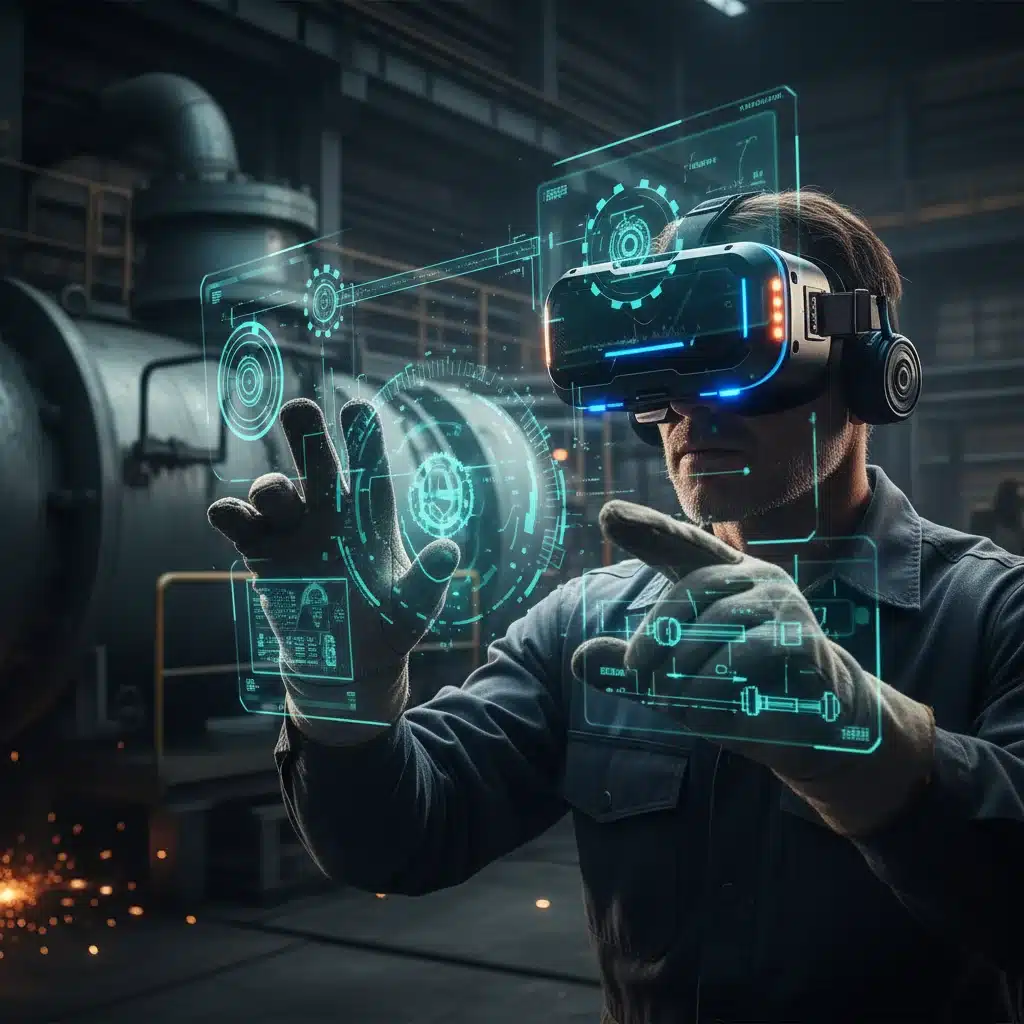
This month sees the pilot project go live with a select group of end-users. The focus is on real-world testing, data collection, and demonstrating the value of VR industrial optimization.
Key Activities for Month 4:
- Pilot Group Training: Train the designated pilot users on how to effectively use the VR system for their specific tasks.
- Pilot Deployment: Roll out the VR application to the pilot group in a controlled environment. Monitor usage and performance closely.
- Data Collection and Performance Metrics: Collect quantitative data (e.g., time saved, error reduction, task completion rates) and qualitative feedback (user satisfaction, ease of use) from the pilot users. This data is critical for proving the ROI of VR industrial optimization.
- Regular Feedback Sessions: Conduct frequent meetings with the pilot group to gather insights, identify bugs, and understand areas for improvement.
- Risk Assessment and Mitigation: Continuously assess any operational risks introduced by the VR system and implement mitigation strategies.
- Initial ROI Analysis: Based on the collected data, start compiling an initial return on investment analysis for the pilot project.
Expected Outcomes for Month 4:
- Successful deployment of the VR pilot project.
- Comprehensive data and feedback collected from pilot users.
- Identified areas for improvement and refinement of the VR application.
- Preliminary ROI analysis demonstrating the benefits of VR industrial optimization.
Month 5: Refinement, Documentation, and Standardization
Armed with valuable data from the pilot, Month 5 focuses on refining the VR solution, creating comprehensive documentation, and establishing standards for broader deployment. This solidifies the path for scalable VR industrial optimization.
Key Activities for Month 5:
- VR Application Refinement: Implement changes and improvements based on the pilot feedback. Optimize performance, enhance features, and fix any identified issues.
- Develop Comprehensive Documentation: Create detailed user manuals, technical guides, troubleshooting protocols, and best practices for using the VR system. This is vital for consistent VR industrial optimization.
- Standardization of Processes: Document the refined VR-integrated industrial processes. This ensures consistency as the solution scales across different departments or locations.
- Advanced Training Program Development: Design a more extensive training program for future users and administrators, including train-the-trainer modules.
- Finalize ROI Report: Complete a detailed ROI report based on the pilot project’s performance, highlighting the achieved objectives and quantifiable benefits of VR industrial optimization.
- Plan for Scalability: Begin outlining a strategy for expanding the VR solution beyond the pilot group to other relevant departments or sites.
Expected Outcomes for Month 5:
- A refined and optimized VR application ready for broader implementation.
- Comprehensive documentation for users and administrators.
- Standardized VR-integrated industrial processes.
- A developed advanced training program.
- A finalized ROI report supporting further investment.
- A clear plan for scaling the VR solution.
Month 6: Scaling and Continuous Improvement for VR Industrial Optimization
The final month of the roadmap is dedicated to expanding the VR solution and establishing a framework for ongoing optimization and innovation. This ensures the long-term success and evolving impact of VR industrial optimization.
Key Activities for Month 6:
- Phased Rollout: Begin the systematic expansion of the VR solution to other departments, teams, or facilities as per the scalability plan.
- Full-Scale Training Deployment: Implement the advanced training program for all new users and administrators.
- Establish Ongoing Support System: Set up a dedicated support channel (e.g., helpdesk, knowledge base) for VR users to address technical issues and provide assistance.
- Performance Monitoring Framework: Implement tools and processes for continuous monitoring of the VR solution’s performance and its impact on industrial processes. This ensures ongoing VR industrial optimization.
- Feedback Loop Implementation: Establish a formal system for collecting ongoing user feedback and suggestions for future enhancements.
- Innovation Pipeline: Begin exploring new potential VR use cases within the organization and researching emerging VR technologies to stay at the forefront of industrial innovation.
- Celebrate Successes: Acknowledge and celebrate the achievements of the VR task force and all contributors to reinforce positive change and encourage further adoption.
Expected Outcomes for Month 6:
- Successful initial scaling of the VR solution.
- A fully trained user base.
- A robust ongoing support system in place.
- A framework for continuous performance monitoring and improvement.
- An established feedback loop for future enhancements.
- A clear vision for future VR innovation within the organization.
Beyond the 6-Month Roadmap: Sustaining VR Industrial Optimization
The 6-month roadmap is just the beginning. To truly maximize the benefits of VR industrial optimization, a commitment to continuous improvement and adaptation is essential. Technology evolves, and so too should your VR strategy.
Key Considerations for Long-Term Success:
- Regular Technology Reviews: Periodically assess new VR hardware and software advancements. Could next-generation devices or platforms offer even greater benefits?
- Expand Use Cases: As your organization becomes more comfortable with VR, identify new areas where it can provide value. Think about remote assistance, predictive maintenance, digital twins, or even supply chain visualization.
- Integrate with Other Technologies: Explore synergies with Augmented Reality (AR), Artificial Intelligence (AI), and the Internet of Things (IoT) to create a more holistic digital transformation strategy. Combining VR with AI for data analysis, for example, can unlock deeper insights for VR industrial optimization.
- Foster an Innovation Culture: Encourage employees to experiment with VR and identify novel ways to leverage the technology in their daily tasks.
- Measure and Report ROI Continuously: Keep track of the benefits and communicate them regularly to stakeholders. This justifies ongoing investment and support for VR industrial optimization initiatives.
- User Engagement: Continuously engage with users to ensure the VR solutions remain relevant, user-friendly, and impactful. User adoption is key to long-term success.
Challenges and Mitigation Strategies in VR Industrial Optimization
While the benefits of VR are clear, implementing any new technology comes with its challenges. Being aware of these and having mitigation strategies in place is crucial for a smooth transition and successful VR industrial optimization.
Common Challenges:
- High Initial Investment: VR hardware and custom software development can be expensive.
- User Adoption and Resistance to Change: Employees may be hesitant to adopt new technologies.
- Technical Expertise Gap: Lack of in-house skills for VR development and maintenance.
- Data Security Concerns: Protecting sensitive industrial data within VR environments.
- Integration Complexities: Connecting VR systems with legacy industrial infrastructure.
- Motion Sickness/Discomfort: Some users may experience discomfort with certain VR experiences.
- Content Creation Challenges: Developing realistic and accurate industrial models and simulations can be time-consuming and complex.
Mitigation Strategies:
- Phased Implementation and ROI Justification: Start with high-impact pilot projects to demonstrate clear ROI, justifying further investment. Explore grant opportunities or government incentives for technology adoption.
- Comprehensive Training and Communication: Provide thorough training, highlight benefits to employees, and involve them in the design process to foster ownership. Emphasize how VR industrial optimization makes their jobs easier or safer.
- External Partnerships and Training: Collaborate with experienced VR solution providers and invest in upskilling internal IT and engineering teams.
- Robust Security Protocols: Implement strong encryption, access controls, and compliance with industry-specific data regulations.
- API-First Approach: Prioritize VR platforms that offer robust APIs for seamless integration with existing systems.
- Careful UX Design and Hardware Selection: Optimize VR experiences to minimize discomfort and select hardware known for good ergonomics and display quality.
- Leverage Existing CAD Data and Photogrammetry: Utilize existing 3D models and explore techniques like photogrammetry to accelerate content creation.
Conclusion: Embracing the Future of Industrial Efficiency with VR
The journey to VR industrial optimization is a strategic investment in the future of your operations. By following this 6-month roadmap, businesses can systematically integrate Virtual Reality into their industrial processes, leading to significant improvements in efficiency, safety, training, and overall productivity. The year 2026 marks a pivotal moment where VR is no longer an emerging technology but a proven tool for competitive advantage.
Embrace the immersive power of VR to transform your industrial landscape. From virtual training simulations that eliminate risk to real-time process visualization that optimizes workflows, the applications are boundless. Start your VR industrial optimization journey today and position your organization at the forefront of industrial innovation.
The future of industry is virtual, and the time to act is now. This roadmap provides the structured approach you need to navigate this exciting technological frontier and unlock unprecedented levels of operational excellence.