Top 3 VR Project Management Tools for Enhanced Team Workflow in 2026
The Future is Now: Evaluating VR Project Management Tools for 2026
In the rapidly evolving landscape of project management, traditional methods are continually being challenged by innovative technologies. Among these, Virtual Reality (VR) stands out as a game-changer, promising to redefine how teams collaborate, visualize projects, and achieve their goals. As we look towards 2026, the adoption of VR project management tools is not just a futuristic concept; it’s a tangible reality that forward-thinking organizations are already embracing to gain a competitive edge. This article delves into the top three VR project management applications poised to streamline workflow by an impressive 10% or more, offering unparalleled immersive experiences and boosting team efficiency.
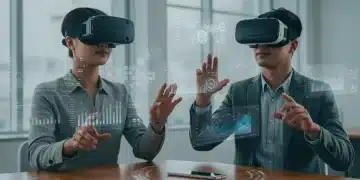
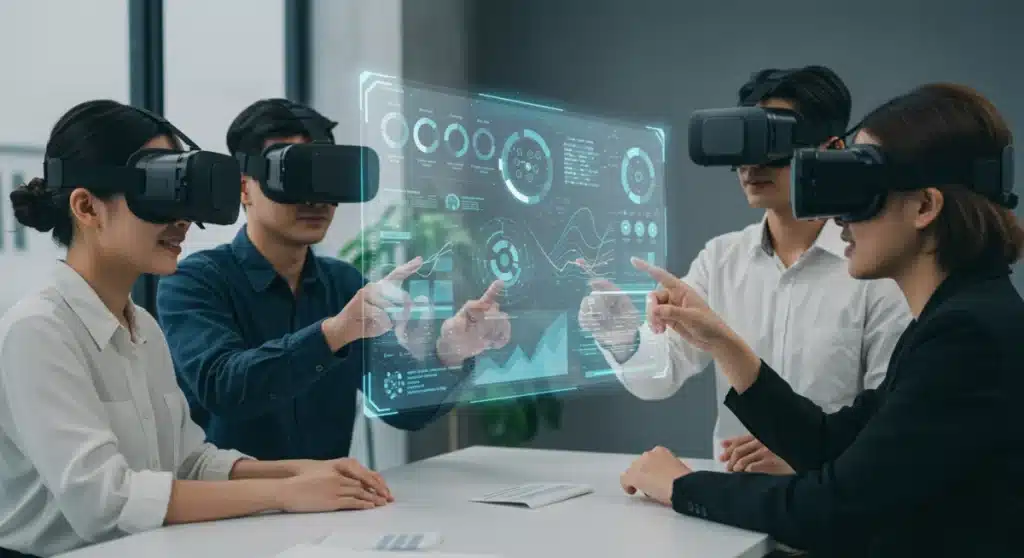
The allure of VR in project management lies in its ability to transcend geographical barriers and traditional two-dimensional interfaces. Imagine conducting a project review where every team member, regardless of their physical location, can stand ‘inside’ a 3D model of their project, pointing out potential issues, making real-time adjustments, and engaging in truly collaborative discussions. This level of immersion fosters deeper understanding, reduces miscommunication, and accelerates decision-making processes. For complex projects, such as architecture, engineering, or product design, the benefits are clear: a more intuitive understanding of spatial relationships, early identification of design flaws, and a significant reduction in costly rework.
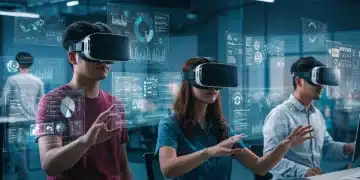
Beyond visualization, modern VR project management tools are integrating a suite of features designed to support the entire project lifecycle. From virtual whiteboarding sessions for brainstorming and planning to immersive data dashboards for tracking progress and resource allocation, these platforms are becoming comprehensive ecosystems for project execution. The potential for enhancing team cohesion and engagement is also immense. Virtual meeting spaces can be customized to reflect company culture, making remote collaboration feel more personal and engaging than ever before. This shift from static screens to dynamic, interactive virtual environments is not just an upgrade; it’s a paradigm shift in how we conceive and manage projects.
The projected 10% increase in workflow efficiency isn’t an arbitrary figure. It stems from the combined benefits of improved communication, clearer visualization, faster problem-solving, and enhanced team engagement that VR naturally facilitates. By minimizing travel time for meetings, reducing the need for physical prototypes, and providing a more intuitive way to interact with project data, VR tools are set to unlock new levels of productivity. As the technology matures and becomes more accessible, its impact on project management will only grow, making it an indispensable asset for any organization aiming for excellence in project delivery.
1. ImmerseFlow: The Collaborative Powerhouse for Complex Projects
ImmerseFlow is quickly becoming a frontrunner in the VR project management space, particularly for industries dealing with intricate designs and large-scale infrastructure. This tool excels in providing a highly realistic and interactive virtual environment where project teams can review 3D models, conduct virtual walk-throughs, and collaborate in real-time. Its strength lies in its robust integration capabilities, allowing seamless import of CAD files, BIM models, and other design data directly into the VR space.
Key Features and Benefits of ImmerseFlow:
- Hyper-Realistic 3D Visualization: Teams can explore project models with unprecedented detail, identifying clashes, design inconsistencies, and potential construction issues before they manifest in the physical world. This proactive approach significantly reduces rework and saves considerable costs and time.
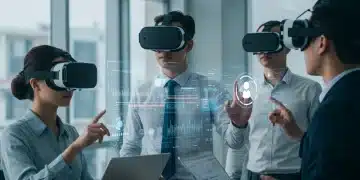
- Real-time Collaborative Annotation: During virtual meetings, team members can ‘point’ to specific areas, draw notes, leave voice memos, and attach documents directly within the 3D model. These annotations are instantly visible to everyone, fostering immediate feedback and resolution.
- Integrated Task Management: ImmerseFlow isn’t just for visualization; it incorporates a comprehensive task management system. Tasks can be assigned directly to elements within the 3D model, complete with deadlines, responsible parties, and progress tracking. This spatial linking of tasks to project components provides a highly intuitive way to manage workflows.
- Cross-Platform Accessibility: While optimized for high-end VR headsets, ImmerseFlow also offers desktop and mobile access, ensuring that stakeholders can participate and review projects even without a VR setup, though the immersive experience is naturally enhanced with a headset.
- Security and Permissions: Recognizing the sensitive nature of project data, ImmerseFlow provides granular control over user permissions, ensuring that only authorized individuals can access and modify specific parts of a project.
The impact of ImmerseFlow on workflow efficiency is profound. Architects can conduct virtual client presentations, allowing clients to ‘walk through’ their future homes or buildings, making decisions faster and with greater confidence. Engineers can identify structural weaknesses or logistical challenges by physically navigating complex systems in VR. For product development teams, iterating on designs becomes a dynamic, interactive process, reducing the need for expensive physical prototypes and shortening development cycles. Early adopters report a reduction in design review cycles by up to 20% and a significant decrease in errors found during the construction or manufacturing phases, directly contributing to that 10% workflow improvement target.
One of the most compelling aspects of ImmerseFlow is its commitment to user experience. The interface is designed to be intuitive, minimizing the learning curve for new users. Training modules are often built directly into the VR environment, allowing users to learn by doing in a risk-free virtual space. This focus on usability ensures that the technology is not a barrier but an enabler for enhanced productivity.
2. HorizonWorks: Bridging Remote Teams with Immersive Workspaces
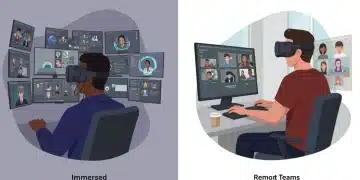
HorizonWorks takes a slightly different approach to VR project management, focusing heavily on creating highly customizable and engaging virtual workspaces for distributed teams. While it offers strong visualization capabilities, its core strength lies in fostering a sense of presence and collaboration among remote workers, making it an ideal solution for global teams or organizations with flexible work arrangements.
Key Features and Benefits of HorizonWorks:
- Customizable Virtual Meeting Rooms: Teams can design their virtual offices, meeting rooms, and brainstorming spaces to reflect their brand or specific project needs. This personalization helps create a more comfortable and familiar environment, increasing engagement compared to standard video conferencing.
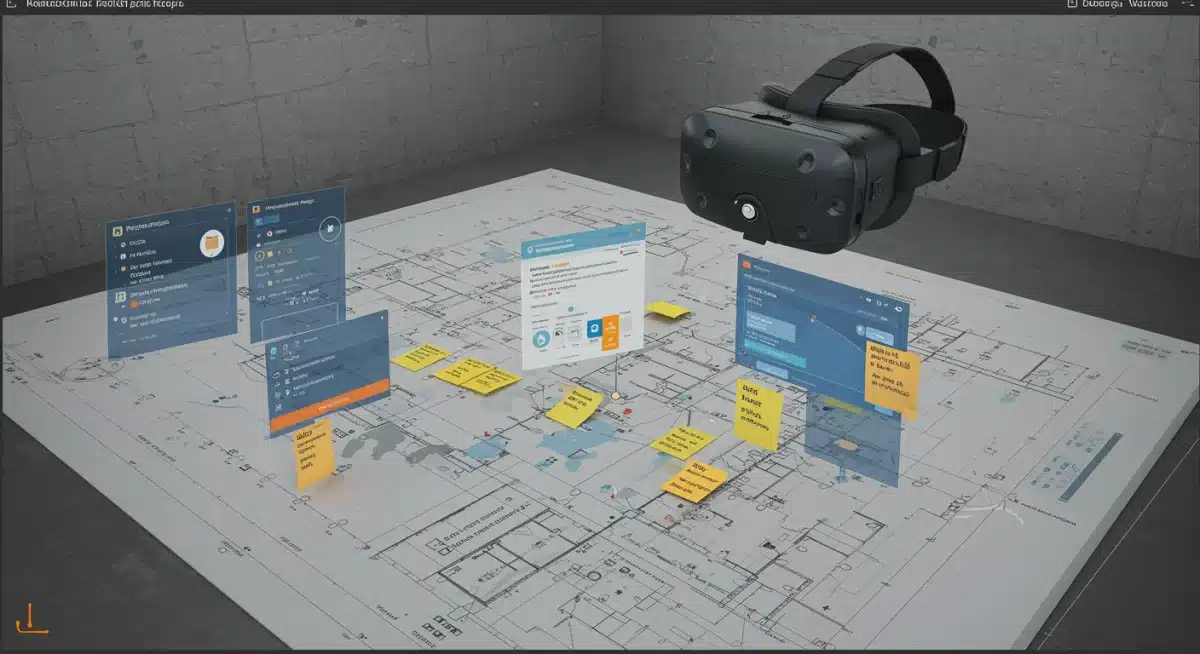
- Interactive Whiteboards and Tools: HorizonWorks provides an array of interactive tools, including infinite whiteboards, sticky notes, 3D object manipulation, and screen sharing, all within the VR environment. This allows for dynamic brainstorming sessions, detailed presentations, and collaborative problem-solving that feels more natural than traditional digital tools.
- Avatar-Based Interaction: Users interact as customizable avatars, complete with spatial audio and gesture recognition. This creates a strong sense of presence, making remote meetings feel more like in-person interactions, improving non-verbal communication cues and team cohesion.
- Document and Media Integration: Files, documents, videos, and presentations can be seamlessly integrated and displayed within the virtual workspace, allowing for rich media presentations and collaborative document review.
- Project Dashboards in VR: Key performance indicators (KPIs), project timelines, and resource allocation data can be displayed on virtual dashboards within the workspace, providing an at-a-glance overview of project status in an immersive format.
HorizonWorks has proven particularly effective in enhancing communication and reducing the feeling of isolation often associated with remote work. By simulating the dynamics of a physical office, it helps maintain team morale and fosters spontaneous collaboration. For creative teams, the ability to manipulate 3D objects and brainstorm visually in a shared virtual space unlocks new levels of innovation. Project managers can conduct daily stand-ups in a virtual war room, reviewing progress and addressing blockers with a clarity that surpasses traditional video calls.
The efficiency gains from HorizonWorks are largely derived from improved communication fidelity and reduced meeting fatigue. Remote teams often struggle with misinterpreted cues and disengagement in standard online meetings. VR, through HorizonWorks, addresses these issues head-on, leading to more productive discussions, faster decision-making, and a more cohesive team. Companies using HorizonWorks report an average increase in meeting effectiveness by 15% and a noticeable improvement in team morale, directly impacting overall project workflow.
Furthermore, the platform’s ability to host large-scale virtual events, such as product launches or company-wide town halls, adds another layer of value. This extends the utility of HorizonWorks beyond day-to-day project management, positioning it as a comprehensive virtual collaboration platform for the modern enterprise.
3. TaskVerse: Gamified Productivity in a Virtual Realm
TaskVerse differentiates itself by integrating gamification principles into its VR project management platform. It aims to make project management more engaging and less monotonous, particularly for teams dealing with repetitive tasks or requiring sustained motivation. By turning tasks into challenges and progress into rewards, TaskVerse seeks to boost individual and team productivity through intrinsic motivation.
Key Features and Benefits of TaskVerse:
- Gamified Task Management: Tasks are presented as quests or missions within a virtual environment. Completing tasks earns points, unlocks achievements, and contributes to team progress, making the workflow feel more like an engaging game than a chore.
- Personalized Virtual Workspaces: Each user can customize their personal virtual workspace, decorating it with rewards earned from task completion. This personal investment in the virtual environment encourages consistent engagement.
- Immersive Progress Tracking: Project dashboards are visualized as dynamic, interactive landscapes or structures that evolve as tasks are completed. This provides a highly visual and motivating representation of project progress.
- Team-Based Challenges and Leaderboards: TaskVerse fosters healthy competition and collaboration through team-based challenges and leaderboards. Teams can compete to complete milestones, encouraging collective effort and shared success.
- Integrated Communication Tools: While gamified, TaskVerse doesn’t neglect core communication. It includes virtual chat, voice communication, and shared virtual whiteboards for collaborative planning and problem-solving within the gamified context.
The appeal of TaskVerse lies in its ability to combat project fatigue and boost intrinsic motivation. For knowledge workers, creative teams, and even operational teams, the gamified approach can make routine tasks more enjoyable and deadlines more compelling. This leads to higher engagement levels, reduced procrastination, and ultimately, a more efficient workflow. The visual and interactive nature of progress tracking also provides immediate feedback, reinforcing positive work habits.
Companies utilizing TaskVerse have observed a notable increase in task completion rates and overall team morale. The playful yet structured environment encourages proactive task engagement and reduces the perception of work as burdensome. This psychological shift can lead to significant gains in productivity, easily contributing to the targeted 10% workflow improvement. Furthermore, the built-in reward system can be linked to real-world incentives, further amplifying its motivational impact.

The Broader Impact of VR Project Management on Workflow Efficiency
The emergence of these advanced VR project management tools signifies a pivotal moment in how projects are conceived, executed, and delivered. The projected 10% increase in workflow efficiency is merely a conservative estimate, as the synergistic effects of improved visualization, enhanced communication, and heightened engagement are likely to yield even greater returns. Beyond the direct efficiency gains, VR platforms offer several indirect benefits that contribute to overall project success:
- Reduced Travel and Environmental Impact: By enabling immersive remote collaboration, VR significantly reduces the need for business travel, leading to cost savings and a smaller carbon footprint.
- Enhanced Training and Onboarding: New team members can be onboarded and trained within realistic virtual simulations of projects, accelerating their understanding and integration into the team.
- Improved Risk Management: The ability to visualize and interact with project elements in 3D allows for earlier identification of potential risks and challenges, enabling proactive mitigation strategies.
- Greater Stakeholder Engagement: Clients and external stakeholders can be brought into the virtual project environment, allowing them to experience and provide feedback on progress in a much more intuitive and engaging way than traditional reports or presentations.
- Innovation and Creativity: The boundless nature of virtual spaces fosters creativity and innovative problem-solving, as teams are no longer constrained by physical limitations or traditional thinking.
The integration of artificial intelligence (AI) and machine learning (ML) with VR project management tools is also on the horizon. Imagine AI assistants guiding teams through complex models, suggesting optimal solutions, or predicting potential bottlenecks based on real-time project data within the VR environment. This convergence of technologies will further amplify the capabilities of these platforms, pushing the boundaries of what’s possible in project management.
Challenges and Considerations for Adopting VR Project Management
While the benefits are compelling, adopting VR project management is not without its challenges. Organizations considering this leap must address several key factors:
- Hardware Investment: High-quality VR headsets and powerful computing hardware are necessary for an optimal experience. While prices are dropping, this still represents a significant initial investment for many organizations.
- Learning Curve: While many platforms are designed for intuitiveness, there will always be a learning curve for users unfamiliar with VR environments and controls. Adequate training and support are crucial for successful adoption.
- Data Security and Privacy: As with any cloud-based collaboration tool, ensuring the security and privacy of sensitive project data within VR environments is paramount. Organizations must choose platforms with robust security protocols.
- Integration with Existing Systems: Seamless integration with existing project management software, ERP systems, and communication tools is vital to avoid data silos and ensure a smooth workflow transition.
- Motion Sickness and Ergonomics: A small percentage of users may experience motion sickness in VR. Designing comfortable and ergonomic virtual experiences, along with offering breaks, is important for user well-being.
Despite these challenges, the trajectory of VR technology suggests that these hurdles will become less significant over time. As hardware becomes more affordable and powerful, and software interfaces become even more refined, the accessibility and ease of use of VR project management tools will only improve. Organizations that invest early in understanding and implementing these technologies will be best positioned to reap the long-term rewards.
Conclusion: The Immersive Future of Project Management is Here
The year 2026 is set to mark a significant milestone in the widespread adoption of VR project management tools. ImmerseFlow, HorizonWorks, and TaskVerse represent the vanguard of this revolution, each offering unique strengths to address diverse project management needs. From hyper-realistic 3D visualization to fostering remote team cohesion and gamifying productivity, these platforms are demonstrating tangible improvements in workflow efficiency, collaboration, and overall project success.
The promise of a 10% boost in workflow efficiency is not just a marketing claim; it’s a measurable outcome derived from the inherent advantages of immersive collaboration. By breaking down geographical barriers, enhancing visual understanding, and injecting a new level of engagement into project tasks, VR is poised to transform project management from a static, screen-bound activity into a dynamic, interactive, and truly collaborative experience. As organizations continue to seek innovative ways to optimize their operations and empower their teams, the integration of VR into their project management strategies will become not just an option, but a necessity for staying competitive in the digital age. The future of project management is immersive, and it’s here to stay.