VR Hardware Longevity: Maximize Enterprise Gear Lifespan Beyond 3 Years
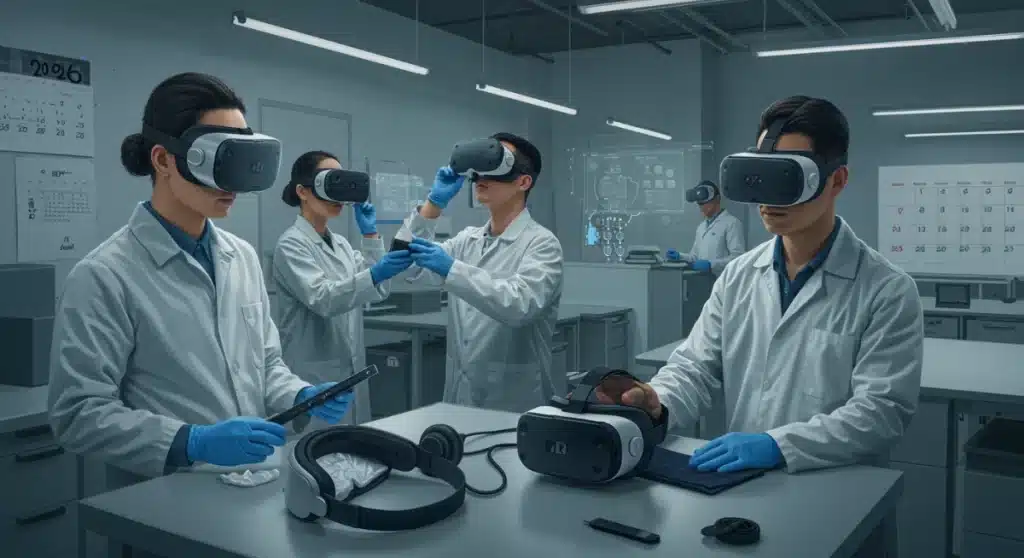
Achieving optimal VR hardware longevity for enterprise gear beyond three years is crucial for maximizing return on investment, requiring a proactive approach to maintenance, environmental control, and strategic upgrades to sustain performance and reliability in 2026.
In the rapidly evolving landscape of virtual reality, ensuring VR hardware longevity for enterprise gear beyond a typical three-year cycle is paramount for businesses. This goes beyond mere cost savings; it’s about maintaining operational efficiency, consistent user experience, and a strong return on investment in an era where VR is increasingly integral to business operations. As we look towards 2026, understanding and implementing robust maintenance strategies becomes non-negotiable for any organization leveraging this transformative technology.
Understanding the Challenges to VR Hardware Longevity
Enterprise VR hardware faces unique stressors that consumer-grade devices often do not. Constant use, multiple users, and diverse operational environments contribute significantly to wear and tear. These factors directly impact the lifespan of your valuable assets, making a proactive approach to maintenance not just beneficial but essential.
The components within VR headsets and peripherals are delicate. From high-resolution displays and complex optical systems to intricate sensors and haptic feedback mechanisms, each part is susceptible to damage from mishandling, dust, and environmental fluctuations. Ignoring these challenges can lead to premature failure and costly replacements.
Common points of failure in VR hardware
- Cable fatigue: Repeated bending and twisting of cables, especially tethered headsets, can lead to internal wire damage and connectivity issues.
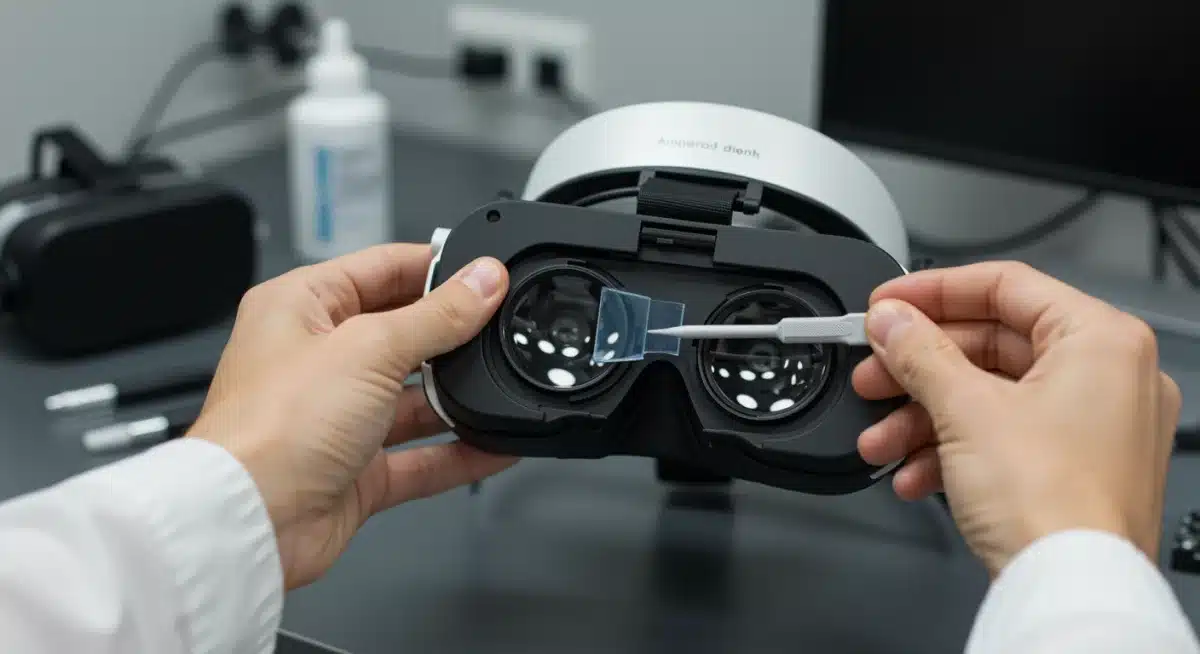
- Lens scratches and smudges: Improper cleaning or accidental contact can permanently impair visual clarity, degrading the immersive experience.
- Battery degradation: Frequent charging cycles and exposure to high temperatures can reduce battery capacity and overall lifespan, particularly for standalone units.
- Sensor damage: The precise tracking capabilities of VR systems rely on delicate sensors that can be affected by impacts or environmental interference.
Addressing these vulnerabilities head-on requires a comprehensive strategy that encompasses not only reactive repairs but also preventative measures. By understanding where enterprise VR hardware is most likely to fail, businesses can implement targeted solutions to extend its operational life well beyond the initial warranty period, ensuring continued value for years to come.
Establishing a Robust Maintenance Protocol
A structured maintenance protocol is the cornerstone of achieving extended VR hardware longevity. This isn’t just about occasional cleaning; it involves a systematic approach to inspection, care, and preventative measures. For enterprise environments, consistency and standardization are key to managing a fleet of devices effectively and ensuring peak performance.
Implementing a daily, weekly, and monthly checklist for VR equipment can significantly reduce the risk of unexpected failures. This protocol should be clearly communicated to all users and technicians, emphasizing the importance of each step. Proper training on handling and storage procedures is also vital to prevent accidental damage.
Daily maintenance routines
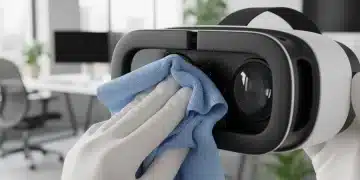
- Lens cleaning: Use specialized microfiber cloths and approved cleaning solutions to remove smudges and dust without scratching.
- Sanitization: Disinfect all surfaces that come into contact with users, such as face masks and head straps, using VR-safe sanitizers.
- Cable inspection: Check for any visible signs of wear, kinks, or stress near connectors to prevent internal damage.
Beyond daily routines, weekly and monthly checks should include software updates, peripheral testing, and a thorough physical inspection of all components. Documenting these maintenance activities can help track the health of each device and identify recurring issues. A well-defined maintenance schedule not only extends the life of your hardware but also ensures a hygienic and optimal experience for all users.
Environmental Control and Storage Best Practices
The environment in which enterprise VR hardware operates and is stored plays a critical role in its VR hardware longevity. Extreme temperatures, humidity, and airborne contaminants can cause irreversible damage to sensitive electronic components and optical systems. Creating an optimal environment is a cost-effective way to protect your investment.
Controlling the ambient conditions directly impacts the performance and lifespan of batteries, displays, and internal circuitry. Dust, in particular, can accumulate on lenses and within cooling vents, leading to overheating and reduced visual clarity. Proper storage, when devices are not in use, is equally important to shield them from physical harm and environmental stressors.
Optimizing the VR operational environment
- Temperature regulation: Maintain a stable room temperature, ideally between 68-75°F (20-24°C), to prevent overheating or condensation.
- Humidity control: Keep humidity levels within the recommended range (typically 30-50%) to avoid moisture damage and static buildup.
- Dust prevention: Utilize air filtration systems in VR areas and ensure devices are covered or stored in dust-proof containers when not in use.
When storing VR headsets, custom-fit cases offer superior protection against impacts and environmental exposure. These cases often include compartments for accessories, ensuring everything is organized and secure. By diligently managing the operational and storage environment, businesses can significantly mitigate common risks and extend the useful life of their VR assets, contributing to long-term operational stability.
Strategic Software Management and Firmware Updates
While physical care is vital, software management is equally critical for maximizing VR hardware longevity. Regular software updates and firmware upgrades are not just about adding new features; they often include crucial performance enhancements, bug fixes, and security patches that contribute to the stability and efficiency of your VR systems. Neglecting these can lead to compatibility issues, reduced performance, and even hardware malfunctions.
Outdated software can strain hardware components, as the system might struggle to run newer applications or maintain optimal processing speeds. This prolonged stress can prematurely age components like GPUs and processors. Furthermore, security vulnerabilities in older software versions can expose your enterprise data to risks, making updates a non-negotiable aspect of hardware management.
Key aspects of software management
- Regular updates: Implement a schedule for applying operating system, application, and firmware updates across all VR devices.
- Compatibility checks: Before deploying new software, ensure it is fully compatible with your existing hardware to avoid performance degradation.
- System optimization: Periodically review background processes and applications to ensure only essential software is running, freeing up resources.
Effective software management also involves monitoring system logs for errors and performance bottlenecks, allowing for proactive troubleshooting. Keeping software current ensures that your VR hardware operates at its peak efficiency, minimizes potential compatibility conflicts, and extends its overall functional lifespan. This integrated approach ensures that both the physical and digital aspects of your VR investment are well-maintained for sustained performance.
Training and User Best Practices
Human interaction is often the primary cause of damage to enterprise VR hardware, making comprehensive user training a critical factor in enhancing VR hardware longevity. Even the most robust maintenance protocols can be undermined by improper handling or neglect by users. Educating staff on best practices for using, cleaning, and storing equipment is an investment that pays dividends in extended equipment life and reduced repair costs.
A well-informed user base understands the fragility of the equipment and the importance of adhering to guidelines. This includes not only the physical handling of headsets and controllers but also understanding the limitations of the technology and reporting issues promptly. A culture of care and responsibility among users can significantly reduce accidental damage and extend the lifespan of your VR assets.
Essential user training components
- Proper donning and doffing: Instruct users on how to correctly put on and take off headsets to avoid straining straps, cables, or facial interfaces.
- Safe handling of controllers: Emphasize using wrist straps and avoiding impacts with walls or other objects during active use.
- Reporting damage: Establish a clear process for users to report any issues or damage immediately, enabling timely repairs and preventing further deterioration.
Beyond initial training, periodic refreshers and easily accessible guides can reinforce best practices. Encouraging users to be proactive stewards of the equipment fosters a collective responsibility that directly translates into greater hardware durability. Empowering users with the knowledge and tools to care for VR equipment is a fundamental step in achieving long-term operational success and maximizing your investment.
The Role of Professional Servicing and Upgrades
While in-house maintenance is crucial, integrating professional servicing and considering strategic upgrades are vital for maximizing VR hardware longevity, especially when aiming beyond a three-year lifespan. Expert technicians possess specialized tools and knowledge to diagnose and repair issues that are beyond the scope of internal teams. Regular professional check-ups can identify nascent problems before they escalate into costly failures.
As technology evolves, certain components might become outdated or less efficient. Strategic upgrades, such as replacing aging cables with more durable alternatives, improving battery packs, or even upgrading specific internal modules if feasible, can breathe new life into older units. This approach is often more cost-effective than wholesale replacement, provided the core hardware remains sound.
Benefits of professional servicing and strategic upgrades
- Advanced diagnostics: Professionals can perform in-depth diagnostics to uncover hidden issues that might not be apparent during routine checks.
- Specialized repairs: Access to proprietary parts and repair techniques can restore complex components to optimal function.
- Performance enhancements: Targeted upgrades can improve specific aspects of the hardware, extending its competitive relevance.
Partnering with certified service providers ensures that repairs are conducted to the highest standards, often with warranties on parts and labor. Moreover, these experts can offer valuable insights into emerging maintenance technologies and upgrade pathways. By combining diligent internal care with professional support and judicious upgrades, businesses can unlock the full potential of their VR hardware investment, ensuring its viability and performance for many years.
| Key Longevity Factor | Brief Description |
|---|---|
| Proactive Maintenance | Regular cleaning, inspection, and preventative actions to mitigate wear and tear. |
| Environmental Control | Managing temperature, humidity, and dust to protect sensitive components. |
| User Training | Educating users on proper handling and care to prevent accidental damage. |
| Software & Firmware Updates | Ensuring systems are current for optimal performance, security, and compatibility. |
Frequently Asked Questions About VR Hardware Longevity
It is recommended that enterprise VR headsets receive professional servicing annually. This allows for deep cleaning, calibration, and identification of potential issues not visible during routine checks, significantly contributing to the overall VR hardware longevity and performance.
Always use a dry, lint-free microfiber cloth specifically designed for optics. For stubborn smudges, a small amount of distilled water or a VR-approved lens cleaning solution can be applied to the cloth, never directly to the lens, to protect the delicate coatings crucial for visual quality.
Yes, to extend battery life, avoid fully discharging the headset regularly and store it at around 50% charge if not used for extended periods. Operating in moderate temperatures also prevents battery degradation, maximizing the VR hardware longevity of these critical components.
Upgrading specific components like cables or external tracking systems can be highly beneficial, especially if the core headset remains functional. This can provide significant performance improvements and extend the useful life of the device, making it a cost-effective strategy for VR hardware longevity.
High humidity can lead to condensation inside lenses and electronic components, causing fogging, short circuits, and corrosion. Conversely, extremely low humidity can increase static electricity, which can damage sensitive electronics. Maintaining optimal humidity levels is crucial for reliable operation.
Conclusion
Achieving significant VR hardware longevity for enterprise gear beyond the typical three-year mark is not an elusive goal but a tangible outcome of diligent planning and execution. By embracing robust maintenance protocols, controlling operational environments, implementing strategic software updates, and empowering users with proper training, businesses can safeguard their substantial investments in virtual reality technology. As we navigate the technological advancements of 2026 and beyond, a proactive and holistic approach to hardware care will be the defining factor in maximizing ROI and ensuring VR remains a powerful, reliable tool for enterprise innovation.