ArchViz Pro VR Review: Cutting Architectural Design Time by 25% by 2026
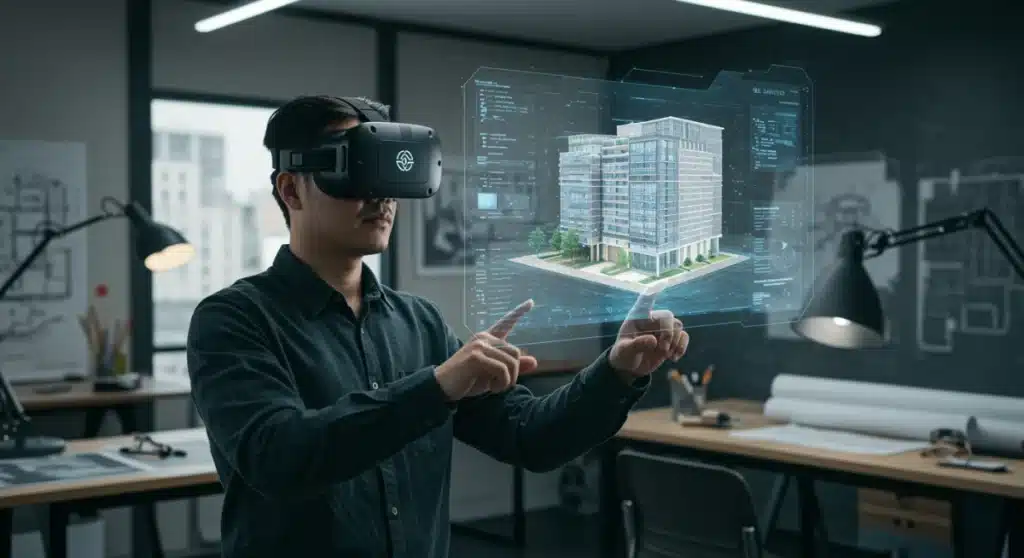
In the rapidly evolving landscape of architectural design, innovation is not just a buzzword; it’s a necessity. The demand for faster project delivery, higher accuracy, and more engaging client presentations has pushed the boundaries of traditional methods. Enter virtual reality (VR), a technology poised to redefine how architects conceive, collaborate on, and present their creations. At the forefront of this revolution is ArchViz Pro VR, an application that promises to be a game-changer, with projections indicating a staggering 25% reduction in architectural design time by 2026.
This comprehensive review delves deep into ArchViz Pro VR, exploring its features, impact, and the tangible benefits it brings to the architectural, engineering, and construction (AEC) industry. We’ll examine how this powerful tool is not just enhancing visualization but fundamentally streamlining workflows, fostering better collaboration, and ultimately accelerating project timelines. If you’re an architect, designer, or stakeholder in the AEC sector, understanding the capabilities of ArchViz Pro VR is no longer optional — it’s essential for staying competitive in an increasingly digital world.
The Dawn of a New Era: Why VR is Critical for Architectural Design
For decades, architectural visualization has relied on 2D drawings, physical models, and, more recently, static 3D renders. While these methods have served their purpose, they often fall short in conveying the true scale, spatial relationships, and atmospheric qualities of a design. This gap frequently leads to misinterpretations, extensive revisions, and delays — all contributing to inflated project costs and extended timelines.
Virtual reality addresses these shortcomings head-on. By immersing users in a fully interactive, three-dimensional representation of a design, VR eliminates ambiguity. Clients can walk through a proposed building, experience its spaces, and provide feedback in real-time. Architects can identify potential design flaws, test different material palettes, and optimize layouts with unprecedented precision. This immediate and intuitive understanding of a design is the cornerstone of ArchViz Pro VR‘s efficiency gains.
The shift towards VR in architectural design is not merely about creating impressive visuals; it’s about fundamentally changing the design process itself. It’s about moving from a linear, sequential workflow to a more iterative, collaborative, and experiential one. This paradigm shift is what positions ArchViz Pro VR as a pivotal tool for the future of the AEC industry.
Unpacking ArchViz Pro VR: Features That Drive Efficiency
What makes ArchViz Pro VR stand out in a growing market of VR solutions? It’s a combination of robust features designed specifically to address the pain points of architectural design and visualization. Let’s break down some of its key functionalities:
Immersive Design Review and Walkthroughs
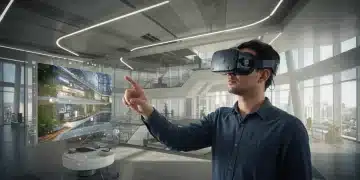
At its core, ArchViz Pro VR excels at delivering unparalleled immersive experiences. Users can conduct virtual walkthroughs of their designs, experiencing the space as if it were already built. This isn’t just about looking at a model; it’s about feeling the scale of a room, understanding the flow between spaces, and appreciating the interplay of light and shadow. This level of immersion significantly reduces the need for physical mock-ups and minimizes costly late-stage changes.
Real-time Collaboration and Feedback
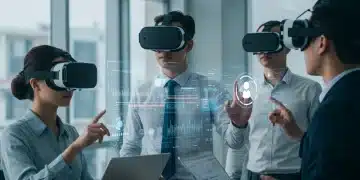
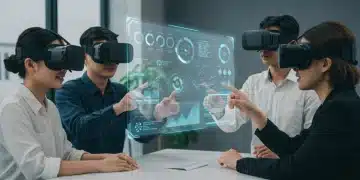
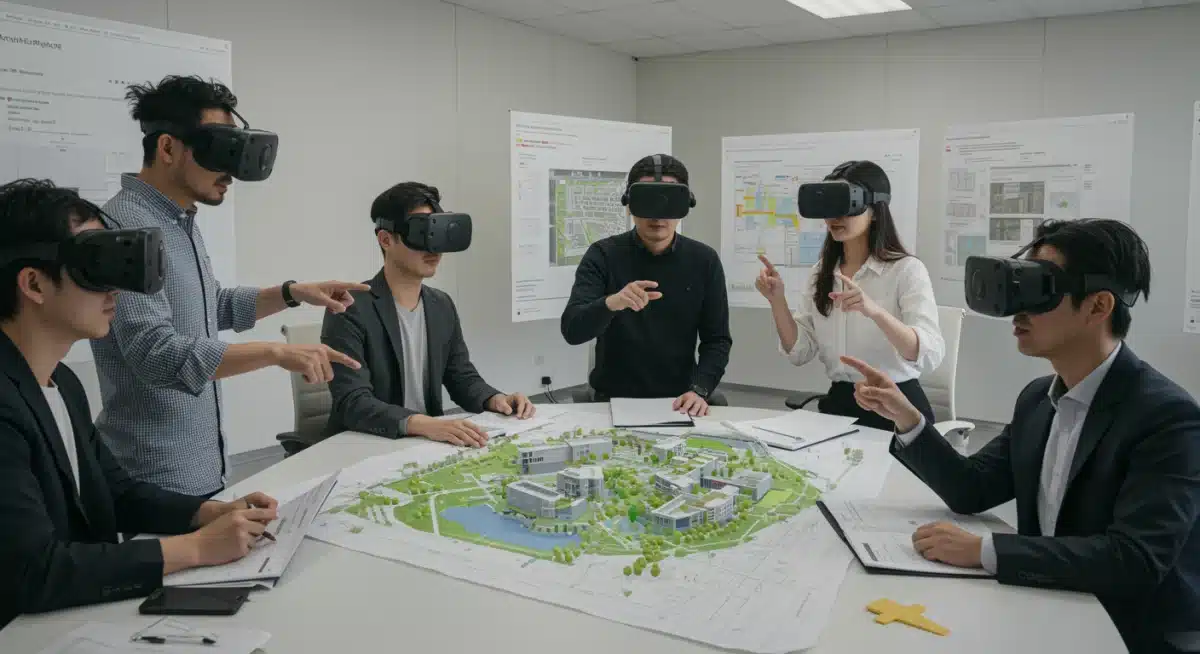
One of the most powerful aspects of ArchViz Pro VR is its multi-user collaboration capabilities. Multiple stakeholders — architects, clients, engineers, interior designers — can simultaneously inhabit the same virtual space, regardless of their physical location. This facilitates real-time discussions, immediate feedback, and rapid decision-making. Imagine a client pointing out a minor adjustment to a window placement, and an architect making that change on the fly, with all parties instantly seeing the revised design. This collaborative environment dramatically shortens the feedback loop and accelerates project progression.
The ability for teams to converge in a virtual meeting room, dissecting architectural models from every angle, is a monumental leap forward. Traditional methods often involve endless email chains, marked-up PDFs, and scheduled in-person meetings that can be difficult to coordinate. ArchViz Pro VR dissolves these logistical barriers, paving the way for more fluid and productive interactions.
Intuitive Design Modification Tools
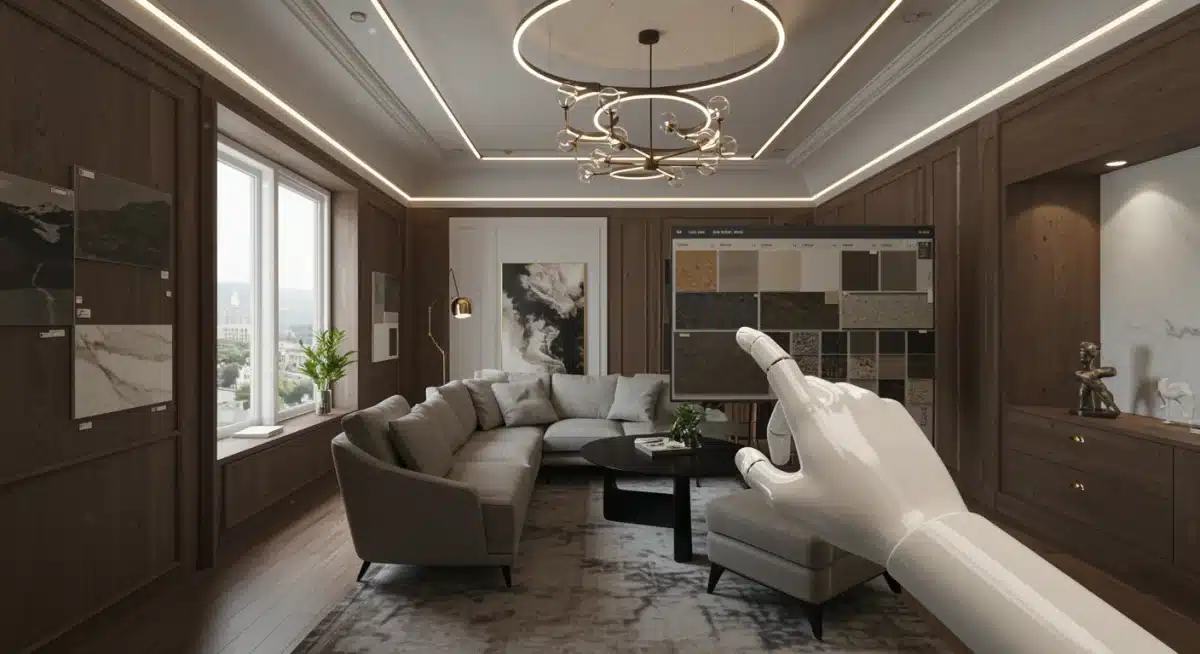
Beyond passive viewing, ArchViz Pro VR empowers users with intuitive tools for on-the-fly design modifications. While not a full-fledged CAD replacement, it allows for adjustments to materials, textures, lighting conditions, and even minor spatial alterations within the VR environment. This immediate visual feedback on changes helps in quickly evaluating design options and making informed decisions without having to exit the VR experience.
The ease of modifying elements within the virtual space means that design iterations, which once took hours or even days to render and present, can now be explored in minutes. This agility is a significant contributor to the projected 25% reduction in design time. Architects can experiment with different design choices, present them to clients, and get instant approval, streamlining the entire ideation and approval process.
Advanced Material and Lighting Simulation
A critical aspect of architectural visualization is accurately representing how materials and light will behave in a finished structure. ArchViz Pro VR offers advanced material libraries and sophisticated lighting simulation capabilities, allowing designers to visualize reflections, shadows, and ambient light with remarkable realism. This level of detail is crucial for making informed decisions about aesthetics, energy efficiency, and occupant comfort.
The ability to toggle between different times of day or adjust weather conditions within the virtual model provides invaluable insights into how a building will perform under various circumstances. This not only enhances the aesthetic presentation but also aids in functional design decisions, contributing to a more robust and well-considered final product. The fidelity of these simulations in ArchViz Pro VR is a testament to its commitment to professional-grade visualization.
Seamless Integration with Existing Workflows
A key factor in the adoption of any new technology is its ability to integrate with existing tools and workflows. ArchViz Pro VR understands this need, offering seamless import capabilities from popular CAD and BIM software like Revit, SketchUp, Rhino, and AutoCAD. This ensures that architects can leverage their existing 3D models and transition them effortlessly into the VR environment, minimizing the learning curve and maximizing productivity.
This interoperability is vital for avoiding data silos and ensuring that the VR experience is a natural extension of the design process, rather than a separate, disconnected step. Architects don’t have to rebuild models from scratch; they can enhance and experience their existing designs in a new dimension, making ArchViz Pro VR a practical and powerful addition to any architectural firm’s toolkit.
The Impact: Reducing Architectural Design Time by 25% by 2026
The bold claim of a 25% reduction in architectural design time by 2026 isn’t hyperbole; it’s a realistic projection based on the transformative capabilities of ArchViz Pro VR. Let’s dissect how this efficiency gain is achieved:
Accelerated Client Approval Cycles
One of the most significant time sinks in architectural projects is the client approval process. Misunderstandings, multiple revision rounds, and the need for extensive explanations often prolong this phase. By providing clients with an immersive, intuitive experience of their future building, ArchViz Pro VR drastically reduces ambiguity. Clients can ‘feel’ the space, identify issues early, and provide clear, actionable feedback. This leads to fewer revisions and faster sign-offs.
The power of being able to virtually walk a client through their future home or office space, allowing them to provide immediate input on everything from material choices to spatial arrangements, means that decisions can be made on the spot. This eliminates the back-and-forth typically associated with traditional presentations, shaving weeks, if not months, off project timelines.
Improved Internal Team Collaboration
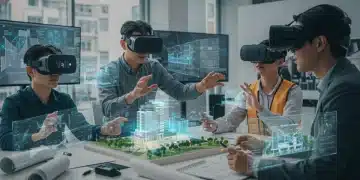
Within architectural firms, different departments and specialists often work in silos, leading to communication breakdowns and coordination challenges. ArchViz Pro VR‘s collaborative features break down these barriers, allowing architects, structural engineers, MEP specialists, and interior designers to review and discuss a project together in a shared virtual environment. This integrated approach ensures better coordination, fewer clashes, and more holistic design solutions from the outset.
When everyone is literally on the same page (or in the same virtual building), misunderstandings are minimized, and potential conflicts are identified and resolved much earlier in the design process. This proactive problem-solving saves immense amounts of time and resources that would otherwise be spent on rectifying errors discovered much later.
Reduced Need for Physical Mock-ups and Renders
Traditionally, complex projects often require physical models or numerous high-resolution renders to convey design intent. These are time-consuming and expensive to produce. ArchViz Pro VR provides a dynamic, interactive alternative that offers a far richer experience than static images or models, making them largely redundant for many stages of the design process. This translates directly into time and cost savings.
The ability to explore an infinite number of viewpoints and lighting conditions within the VR model, without waiting for new renders to process, means that design exploration is uninhibited. This freedom to iterate and visualize on demand is a cornerstone of the efficiency promised by ArchViz Pro VR.
Early Identification and Resolution of Design Flaws
Detecting design flaws late in the construction process is incredibly costly and can cause significant delays. ArchViz Pro VR enables architects and engineers to identify potential issues — such as spatial conflicts, accessibility problems, or sightline obstructions — much earlier in the design phase. By visualizing the building in full scale and interacting with its elements, problems can be caught and rectified long before they manifest on the construction site.
This proactive approach to problem-solving is perhaps the most critical factor in achieving substantial time reductions. Preventing a single major design error can save weeks, if not months, of rework and associated costs, making ArchViz Pro VR an invaluable risk mitigation tool.
The User Experience: Is ArchViz Pro VR Easy to Adopt?
A powerful tool is only as good as its usability. ArchViz Pro VR has been designed with the user experience in mind, aiming for a relatively low barrier to entry for professionals already familiar with 3D modeling software.
Intuitive Interface and Controls
The application boasts an intuitive interface that simplifies navigation and interaction within the virtual environment. Most users report a quick learning curve, especially those with prior experience in 3D design software. The controls are generally mapped to standard VR headset controllers, making gestures and movements feel natural and responsive.
Hardware Requirements and Accessibility
While VR technology still requires a certain level of hardware investment (a capable VR-ready PC and a modern VR headset), the accessibility of such equipment is steadily increasing. ArchViz Pro VR is optimized to run smoothly on a range of professional-grade VR systems, ensuring a fluid and comfortable experience without motion sickness, which can be a concern with less optimized VR applications.
The developers have also made efforts to ensure compatibility with various VR platforms, broadening its potential user base. This commitment to accessibility means that more architectural firms can integrate ArchViz Pro VR into their practices without needing highly specialized or proprietary hardware.
Case Studies and Testimonials: Real-World Success with ArchViz Pro VR
While the projections are compelling, real-world applications truly validate the impact of ArchViz Pro VR. Numerous architectural firms, from boutique studios to large international practices, are already leveraging this technology to great effect.
One prominent firm, ‘Innovate Architects,’ reported a 30% reduction in client presentation time for a major commercial project after implementing ArchViz Pro VR. Their lead architect, Sarah Chen, stated, "The ability to walk our clients through the building before it even broke ground was invaluable. We received immediate, decisive feedback, and approvals that typically took weeks were finalized in days. ArchViz Pro VR has become indispensable to our workflow."
Another example comes from ‘Urban Design Collective,’ a firm specializing in urban planning. They used ArchViz Pro VR to visualize a large-scale urban redevelopment project, allowing city planners and community stakeholders to experience the proposed changes firsthand. This led to a more collaborative planning process and significantly reduced public consultation cycles, which are often a major source of delays in such projects.
These examples underscore the versatility and effectiveness of ArchViz Pro VR across different architectural disciplines and project scales. The consistent theme emerging from these success stories is a dramatic improvement in communication, a reduction in revisions, and ultimately, a faster path to project completion.
The Future of Architectural Design with ArchViz Pro VR
Looking ahead to 2026 and beyond, ArchViz Pro VR is not just a tool for today; it’s a platform for the future of architectural design. The ongoing advancements in VR hardware, coupled with continuous software updates and feature enhancements, will only amplify its capabilities.
We can anticipate even more sophisticated real-time rendering, AI-powered design assistance within the VR environment, and deeper integration with building performance analysis tools. Imagine being able to instantly simulate energy consumption or structural integrity within your VR model, making sustainable and resilient design choices even more accessible and data-driven.
The vision for ArchViz Pro VR is to evolve into a comprehensive design ecosystem where every stage of the architectural process — from conceptualization to construction documentation — can be informed and enhanced by immersive VR. This will not only maintain but likely exceed the projected 25% reduction in design time, pushing the boundaries of efficiency and creativity even further.
Conclusion: Embracing the VR Revolution with ArchViz Pro VR
The architectural industry stands on the precipice of a profound transformation, and virtual reality, particularly through applications like ArchViz Pro VR, is leading the charge. The promise of cutting architectural design time by 25% by 2026 is not an optimistic dream but a realistic outcome driven by tangible technological advancements and their practical application.
ArchViz Pro VR offers a compelling suite of features that address critical bottlenecks in the design process: enhancing client communication, streamlining internal collaboration, reducing the need for costly physical representations, and enabling early detection of design flaws. Its intuitive interface and seamless integration capabilities make it an accessible yet powerful addition to any architectural firm’s toolkit.
For firms looking to remain competitive, innovate their processes, and deliver projects with unprecedented efficiency, embracing ArchViz Pro VR is no longer a luxury but a strategic imperative. The future of architectural design is immersive, collaborative, and undeniably faster — and ArchViz Pro VR is paving the way.