Boost Q1 Sales 15%: VR Showroom Strategies for U.S. Businesses
Boosting Sales by 15% in Q1 2026: VR Showroom Strategies for U.S. Businesses (PRACTICAL SOLUTIONS)
In the fiercely competitive landscape of modern business, achieving significant sales growth requires more than traditional approaches. As U.S. businesses look towards Q1 2026, the imperative to innovate and capture market share intensifies. One of the most transformative technologies poised to revolutionize sales is Virtual Reality (VR). Specifically, the implementation of VR Showroom Strategies offers an unprecedented opportunity to engage customers, streamline sales processes, and ultimately, boost sales by a remarkable 15% or more. This comprehensive guide delves into the practical solutions and strategic advantages of integrating VR showrooms into your sales arsenal.
The Evolving Sales Landscape: Why VR Showroom Strategies are Essential
The digital age has fundamentally altered customer expectations. Buyers are no longer content with static images or generic product descriptions. They demand immersive, interactive, and personalized experiences that allow them to truly understand and connect with a product or service before making a purchase. This shift is particularly pronounced in industries ranging from real estate and automotive to manufacturing and B2B services, where complex products or large-scale projects benefit immensely from detailed visualization.
Limitations of Traditional Sales Approaches
Traditional sales methods, while still relevant, often come with inherent limitations:
- Geographical Barriers: Physical showrooms restrict access to local customers, limiting market reach. Shipping physical samples can be costly and time-consuming.
- Logistical Challenges: Coordinating visits to physical locations, especially for B2B clients, can be cumbersome. Setting up product demonstrations or showcasing large-scale installations is often impractical.
- Lack of Customization: Physical showrooms offer a fixed presentation. Tailoring the experience to individual customer needs on the fly is difficult.
- High Overhead Costs: Maintaining a physical showroom, including rent, utilities, and staffing, represents a significant expense.
- Environmental Impact: Frequent travel for sales meetings and product demonstrations contributes to carbon emissions, a growing concern for environmentally conscious businesses and consumers.
These challenges highlight the urgent need for innovative solutions that can overcome these hurdles, and this is precisely where VR Showroom Strategies shine.
What are VR Showroom Strategies?
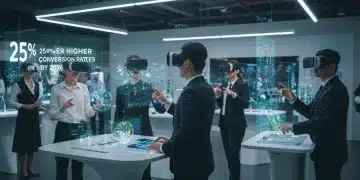
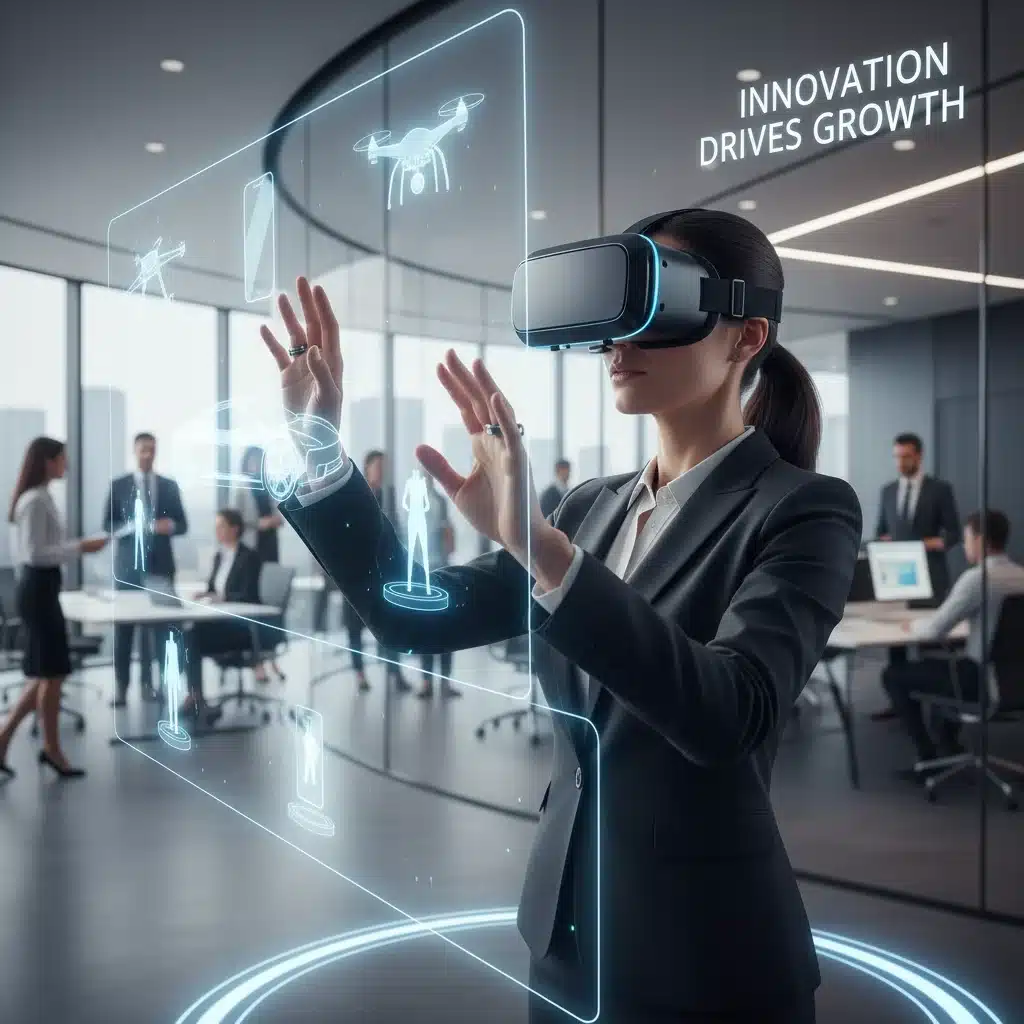
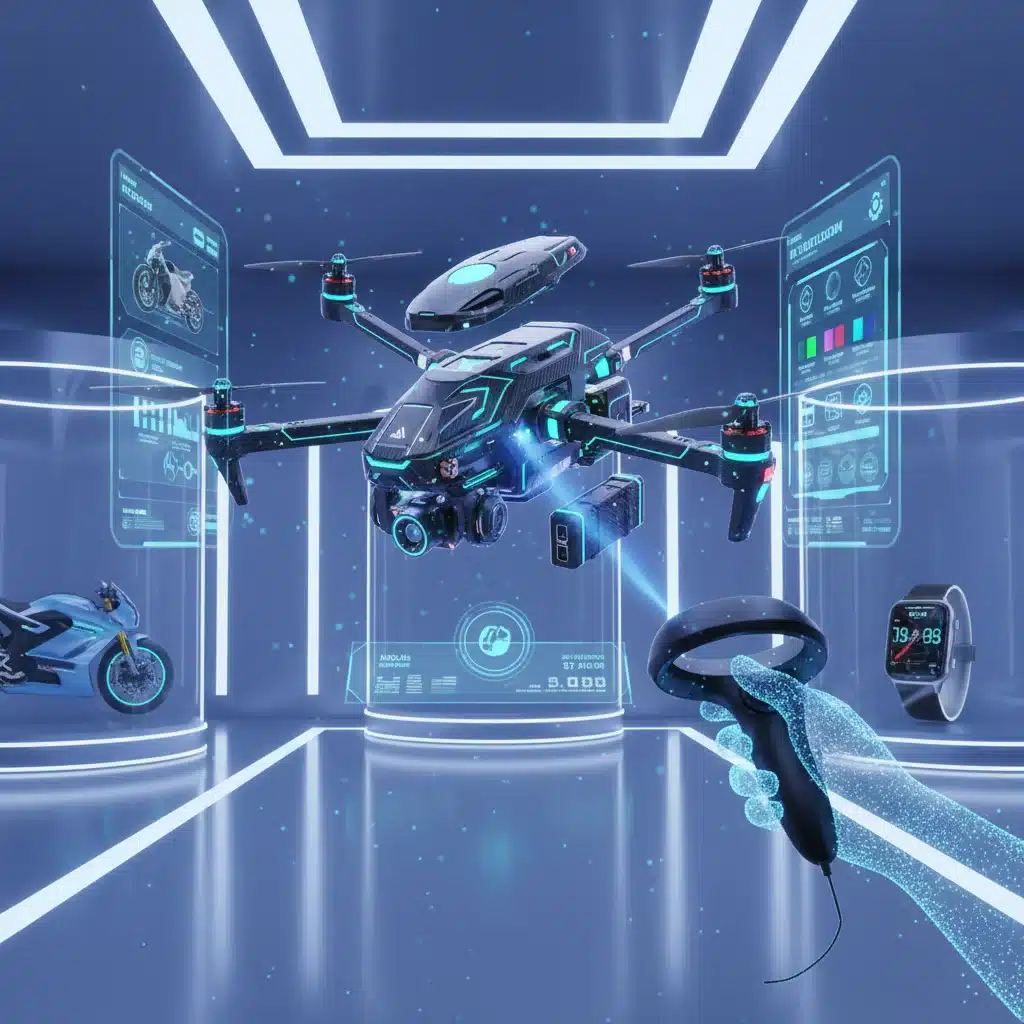
VR showroom strategies involve leveraging virtual reality technology to create immersive, interactive, and accessible digital environments where customers can explore products, services, and experiences. These virtual spaces can replicate physical showrooms, offer entirely new fantastical environments, or provide a blend of both. The core idea is to transport the customer into a simulated world where they can engage with offerings in a highly realistic and personal way.
Key Components of Effective VR Showroom Strategies:
- Immersive Environments: High-fidelity 3D models and realistic textures create a sense of presence, making users feel as if they are truly in the virtual space.
- Interactive Product Exploration: Users can manipulate 3D models, change colors, view internal components, and even experience products in action.
- Personalized Experiences: VR showrooms can be tailored to individual customer preferences, showcasing relevant products and configurations.
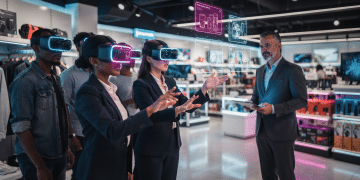
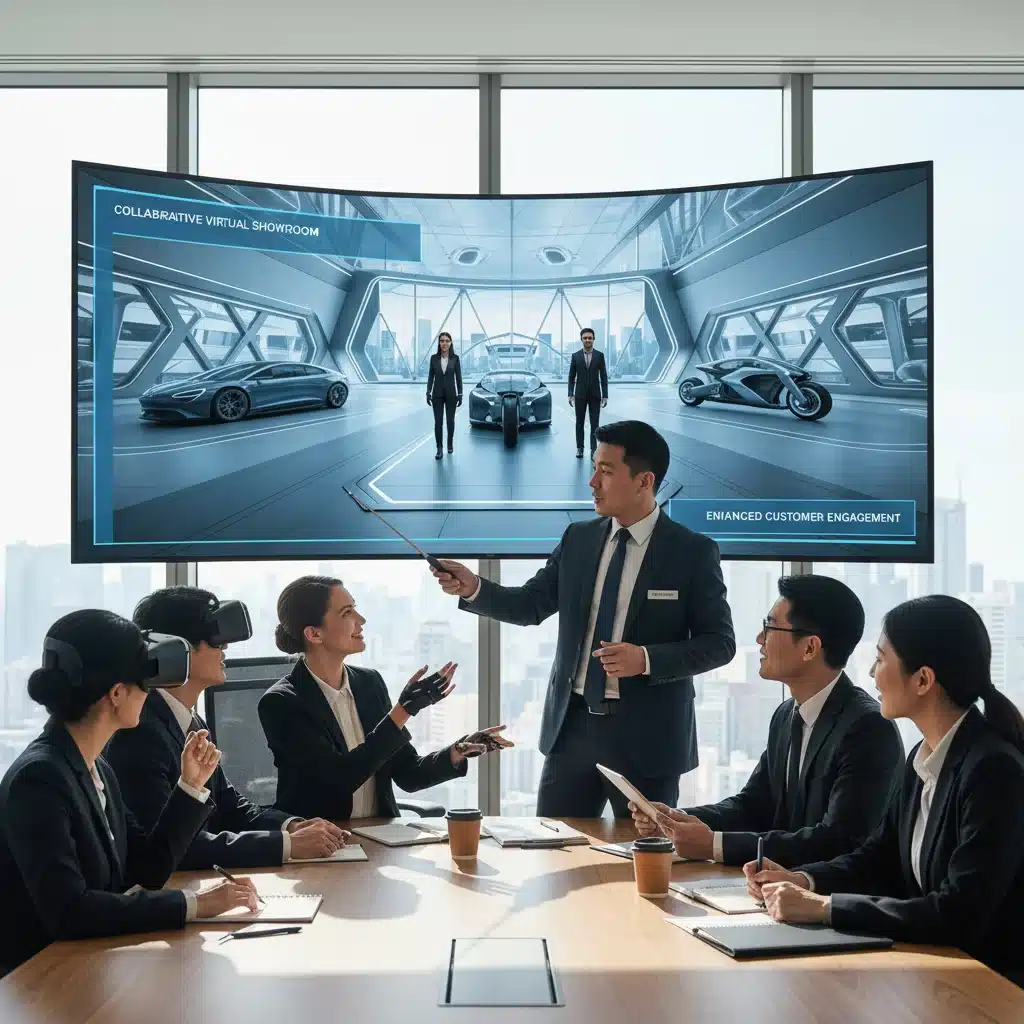
- Guided Tours and Sales Assistance: Sales representatives can join customers in the virtual space, providing guided tours, answering questions, and offering real-time support.
- Analytics and Insights: VR platforms can track user behavior, providing valuable data on product interest, engagement points, and decision-making patterns.
Practical Solutions for Implementing VR Showroom Strategies
Implementing effective VR Showroom Strategies doesn’t have to be an insurmountable task. Here are practical steps and considerations for U.S. businesses:
1. Define Your Objectives and Target Audience
Before diving into development, clearly articulate what you want to achieve with your VR showroom. Are you aiming to:
- Increase lead generation?
- Improve conversion rates?
- Enhance customer education?
- Reduce sales cycle times?
- Expand market reach?
Understanding your target audience is equally crucial. Who are your ideal customers? What are their technological comfort levels? What kind of VR experience would resonate most with them?
2. Choose the Right VR Platform and Hardware
The choice of platform and hardware will depend on your budget, target audience, and desired level of immersion:
- High-End VR (e.g., Meta Quest Pro, HTC Vive Pro 2): Offers the most immersive and realistic experience, ideal for complex product demonstrations or high-value sales. Requires dedicated headsets.
- Standalone VR (e.g., Meta Quest 2/3): More accessible and portable, offering a good balance of immersion and convenience. Excellent for widespread deployment.
- WebVR/Mobile VR (e.g., Google Cardboard, browser-based VR): Lowest barrier to entry, accessible via smartphones and web browsers. Less immersive but reaches a broader audience.
Consider the ease of use, setup requirements, and potential for scalability when making your decision.
3. Content Creation: From CAD to Immersive 3D
This is where your products come to life in the virtual world. The process typically involves:
- 3D Modeling: Converting existing CAD files or creating new 3D models of your products. Focus on accuracy and detail.
- Texturing and Materials: Applying realistic textures, colors, and material properties to make products look authentic.
- Environment Design: Creating the virtual space itself – whether it’s a sleek modern showroom, an outdoor landscape for large equipment, or a customized brand-specific environment.
- Interactivity: Programming interactive elements, such as clickable hotspots, configurable options (e.g., changing car colors, furniture fabrics), and animated sequences.
- Optimization: Ensuring that the 3D assets are optimized for performance to prevent lag and ensure a smooth user experience.
Partnering with experienced VR development studios can significantly streamline this process and ensure high-quality output.
4. Integrate with Existing Sales & Marketing Tools
To maximize the impact of your VR Showroom Strategies, integrate them with your existing business systems:
- CRM Systems: Log customer interactions, preferences, and feedback from VR sessions directly into your CRM (e.g., Salesforce, HubSpot).
- E-commerce Platforms: Allow customers to seamlessly transition from an immersive VR experience to making a purchase on your e-commerce site.
- Marketing Automation: Use data from VR interactions to personalize follow-up campaigns and nurture leads.
- Analytics Platforms: Track key performance indicators (KPIs) such as session duration, popular products, interaction points, and conversion rates within the VR environment.
5. Training Your Sales Team
Your sales team will be at the forefront of leveraging VR showrooms. Provide comprehensive training on:
- VR Hardware Operation: How to set up, troubleshoot, and guide customers through the VR experience.
- Showroom Features: How to effectively showcase products, utilize interactive elements, and personalize presentations.
- Sales Techniques in VR: Adapting sales pitches for an immersive environment, answering questions effectively, and closing deals virtually.
Empowering your sales force with these tools will ensure a smooth and effective customer journey.
Benefits of Adopting VR Showroom Strategies for Q1 2026 Sales Boost
The adoption of VR Showroom Strategies can yield significant benefits, directly contributing to a 15% sales increase in Q1 2026:
1. Enhanced Customer Engagement and Experience
VR offers an unparalleled level of engagement. Customers aren’t just viewing products; they’re experiencing them. This deeper connection fosters trust and excitement, making the sales process more memorable and effective. Imagine a potential homeowner walking through a virtual model of their future house, or an industrial buyer inspecting a piece of machinery from every angle, even operating it virtually. This level of immersion translates directly into higher purchase intent.
2. Global Reach and Accessibility
Geographical barriers become irrelevant. Your VR showroom can be accessed by anyone, anywhere, at any time. This dramatically expands your potential customer base, allowing U.S. businesses to tap into national and international markets without the overheads of physical expansion. This is particularly advantageous for businesses with niche products or services that appeal to a dispersed audience.
3. Cost Reduction and Efficiency Gains
- Reduced Travel Costs: Fewer in-person meetings and product demonstrations mean significant savings on travel expenses.
- Lower Showroom Overhead: A virtual showroom eliminates or significantly reduces the costs associated with maintaining a physical space.
- Faster Sales Cycles: The ability to present complex products comprehensively and allow for immediate customization can shorten the decision-making process for buyers.
- Reduced Need for Physical Prototypes: For industries like manufacturing or automotive, VR allows for showcasing product variations and configurations without the need for expensive physical prototypes.
4. Personalization and Customization at Scale
VR showrooms enable dynamic personalization. A customer interested in a specific car model can instantly change its color, interior trim, and add accessories, then see the changes in real-time. This level of customization empowers buyers and makes them feel truly heard, leading to higher satisfaction and conversion rates. Sales teams can tailor presentations on the fly, responding to customer feedback instantly.
5. Data-Driven Sales Insights
Every interaction within a VR showroom can be tracked and analyzed. This invaluable data provides insights into:
- Which products or features are most popular.
- How long customers spend on different elements.
- The common paths customers take through the showroom.
- Points of friction or confusion in the user journey.
These insights allow businesses to continuously refine their product offerings, optimize their VR showroom design, and improve their sales strategies, directly contributing to the 15% sales boost.
6. Competitive Differentiation
Early adopters of VR Showroom Strategies will gain a significant competitive edge. Offering a cutting-edge, immersive experience sets your business apart from competitors still relying on traditional methods. This innovation positions your brand as forward-thinking and customer-centric, attracting new clients and strengthening relationships with existing ones.
Overcoming Challenges in VR Showroom Implementation
While the benefits are compelling, implementing VR showroom strategies isn’t without its challenges. Proactive planning can mitigate these:
1. Initial Investment
The cost of developing a high-quality VR showroom and acquiring necessary hardware can be substantial. However, view this as an investment with a strong ROI, especially when considering the potential for a 15% sales increase and long-term cost savings. Start with a pilot project to demonstrate value before scaling up.
2. Technical Expertise
Developing immersive VR experiences requires specialized skills in 3D modeling, game engine development (e.g., Unity, Unreal Engine), and VR programming. If in-house expertise is lacking, partner with reputable VR development agencies.
3. User Adoption
Some customers or sales team members might be unfamiliar or hesitant to use VR technology. Provide clear instructions, easy-to-use interfaces, and showcase the benefits to encourage adoption. Offer both VR and non-VR (e.g., desktop 3D viewer) options where possible to cater to diverse preferences.
4. Content Management and Updates
Products and services evolve. Plan for how you will update your VR showroom content efficiently and cost-effectively to ensure it remains current and relevant.
Case Studies and Industry Applications
Many industries are already reaping the rewards of VR Showroom Strategies:
- Automotive: Car manufacturers allow customers to configure and virtually test drive vehicles. BMW and Audi have used VR to offer personalized car experiences.
- Real Estate: Prospective buyers can tour properties before they are built, explore different floor plans, and visualize interiors with various finishes. Companies like Matterport offer VR tours.
- Manufacturing: B2B companies showcase complex machinery, industrial equipment, and factory layouts to clients worldwide, reducing the need for costly physical travel.
- Retail: Furniture retailers let customers place virtual furniture in their homes to see how it fits and looks. IKEA Place app is a prime example.
- Education & Training: While not direct sales, VR is used to simulate complex procedures and environments, demonstrating the power of immersive visualization.
These examples underscore the versatility and effectiveness of VR in transforming how businesses interact with their customers and drive sales.
Future Outlook: The Continued Evolution of VR in Sales
The trajectory of VR technology points towards even greater integration into sales and marketing. As hardware becomes more affordable, powerful, and user-friendly, and as development tools mature, the barriers to entry for U.S. businesses will continue to decrease. Expect to see:
- Augmented Reality (AR) Integration: Blending VR showrooms with AR capabilities, allowing customers to see virtual products in their real-world environment.
- Haptic Feedback: Enhancing immersion with tactile sensations, allowing users to ‘feel’ virtual products.
- AI-Powered Sales Assistants: Virtual AI agents guiding customers through showrooms, answering questions, and providing personalized recommendations.
- Multiplayer VR Showrooms: Enabling multiple customers and sales representatives to interact in the same virtual space, fostering collaborative selling and demonstrations.
Businesses that invest in VR Showroom Strategies now will not only secure a 15% sales boost in Q1 2026 but will also be well-positioned to adapt and thrive in this evolving technological landscape.
Conclusion
The opportunity for U.S. businesses to achieve a significant 15% sales increase in Q1 2026 is tangible and within reach through the strategic implementation of VR showroom strategies. By offering immersive, interactive, and personalized customer experiences, businesses can overcome traditional sales limitations, expand their global reach, reduce costs, and gain invaluable insights. While initial investments and technical considerations exist, the long-term benefits in customer engagement, competitive differentiation, and ultimately, revenue growth, make VR an undeniable force in the future of sales. Embrace these practical solutions, empower your sales team, and prepare to revolutionize your sales approach for a prosperous future.