AR/VR in Field Service: Boosting Productivity for U.S. Teams by 2026
The landscape of field service operations is undergoing a profound transformation, driven by technological advancements that promise unprecedented levels of efficiency and precision. Among these, Augmented Reality (AR) and Virtual Reality (VR) stand out as game-changers, poised to redefine how U.S. technical teams operate, train, and collaborate. As we look towards 2026, the integration of AR VR Field Service technologies is no longer a futuristic concept but a rapidly approaching reality, offering a blueprint for maximizing productivity and addressing the evolving demands of a complex industrial environment.
The imperative for enhanced productivity in field service is more pressing than ever. Companies face challenges ranging from a shrinking skilled workforce and increasing complexity of equipment to the need for faster response times and improved first-time fix rates. Traditional methods, while foundational, often fall short in addressing these modern pressures. This is where AR and VR step in, offering immersive and interactive solutions that empower technicians with real-time information, expert guidance, and hands-on training experiences without the physical constraints of location or equipment availability.
This comprehensive guide will delve into the transformative potential of AR VR Field Service, exploring the specific applications, tangible benefits, and strategic considerations for U.S. technical teams aiming to leverage these technologies by 2026. We will examine how AR can augment a technician’s reality with critical data overlays, how VR can create unparalleled training environments, and the economic and operational advantages that accrue from their judicious implementation. Furthermore, we will address the challenges associated with adoption, offering insights into overcoming hurdles to ensure a smooth and successful integration.
The goal is to provide a clear roadmap for organizations to understand not just ‘what’ AR and VR can do, but ‘how’ they can strategically implement these tools to achieve measurable improvements in productivity, safety, and overall service quality. The time-sensitive nature of this technological shift means that early adopters stand to gain a significant competitive advantage, shaping the future of field service in the United States.
Understanding Augmented Reality (AR) in Field Service
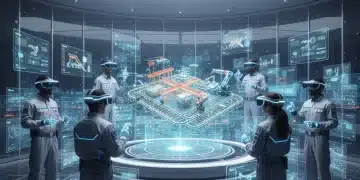
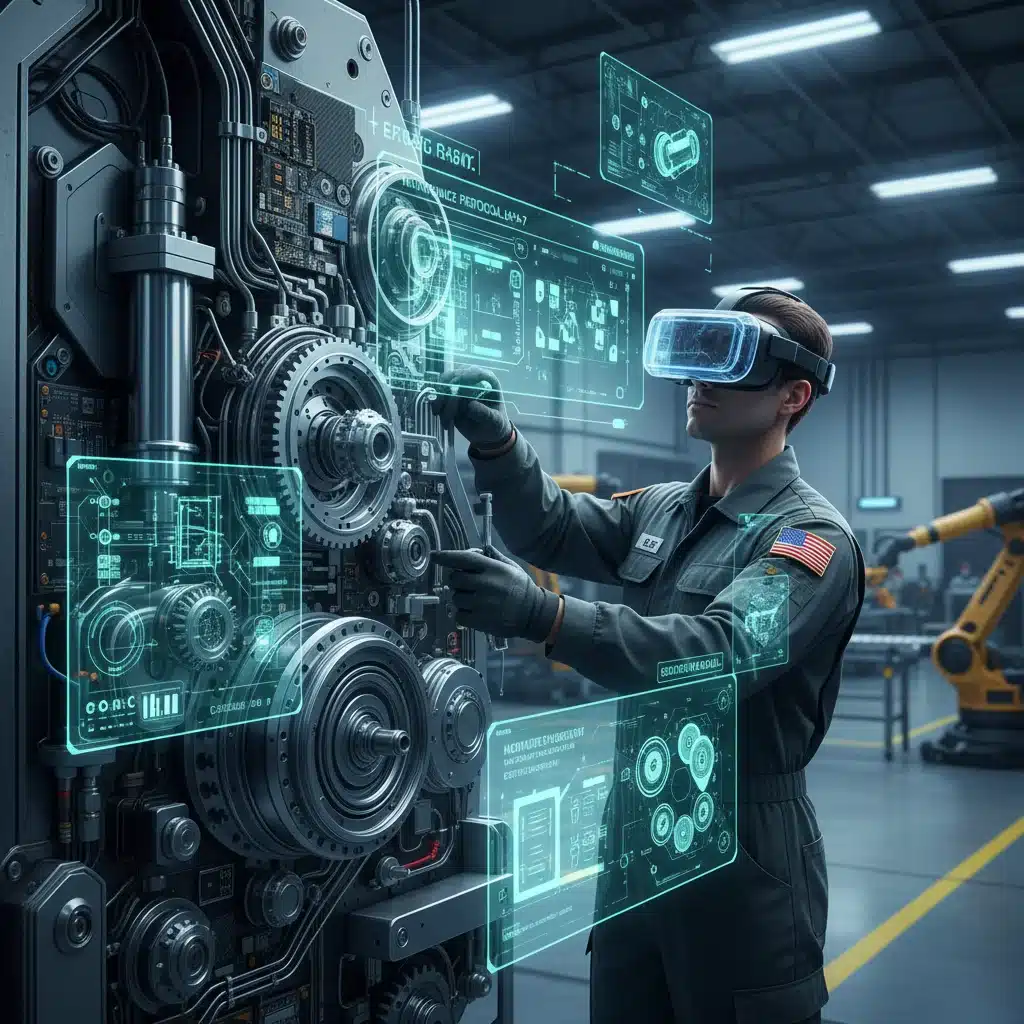
Augmented Reality (AR) overlays digital information onto the real world, enhancing a user’s perception of their environment. In the context of AR VR Field Service, this means technicians can view instructions, schematics, and diagnostic data directly on the equipment they are servicing, all in real-time. This capability significantly reduces the need for constant reference to manuals or separate devices, streamlining workflows and minimizing errors.
Real-time Information Overlay and Guided Workflows
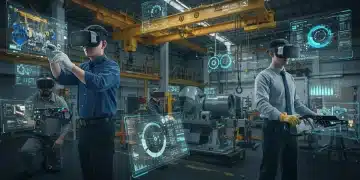
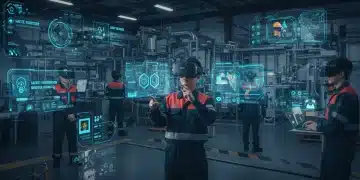
One of the most immediate benefits of AR in field service is the provision of real-time information. Imagine a technician troubleshooting a complex HVAC system. Instead of flipping through a thick manual or navigating a tablet, an AR headset can display a digital overlay of the system’s components, highlighting specific parts, providing step-by-step repair instructions, and even indicating torque specifications or voltage readings directly on the physical object. This guided workflow ensures that every step is performed correctly and efficiently, even by less experienced technicians.
For example, a technician might wear smart glasses that project an interactive 3D model of a faulty part onto the actual equipment. The glasses could then guide them through the disassembly process, highlighting which screws to remove, in what order, and even displaying a live feed from a remote expert if further assistance is needed. This hands-free operation is crucial for tasks requiring dexterity and precision, allowing technicians to maintain focus on the task at hand.
Remote Assistance and Expert Collaboration
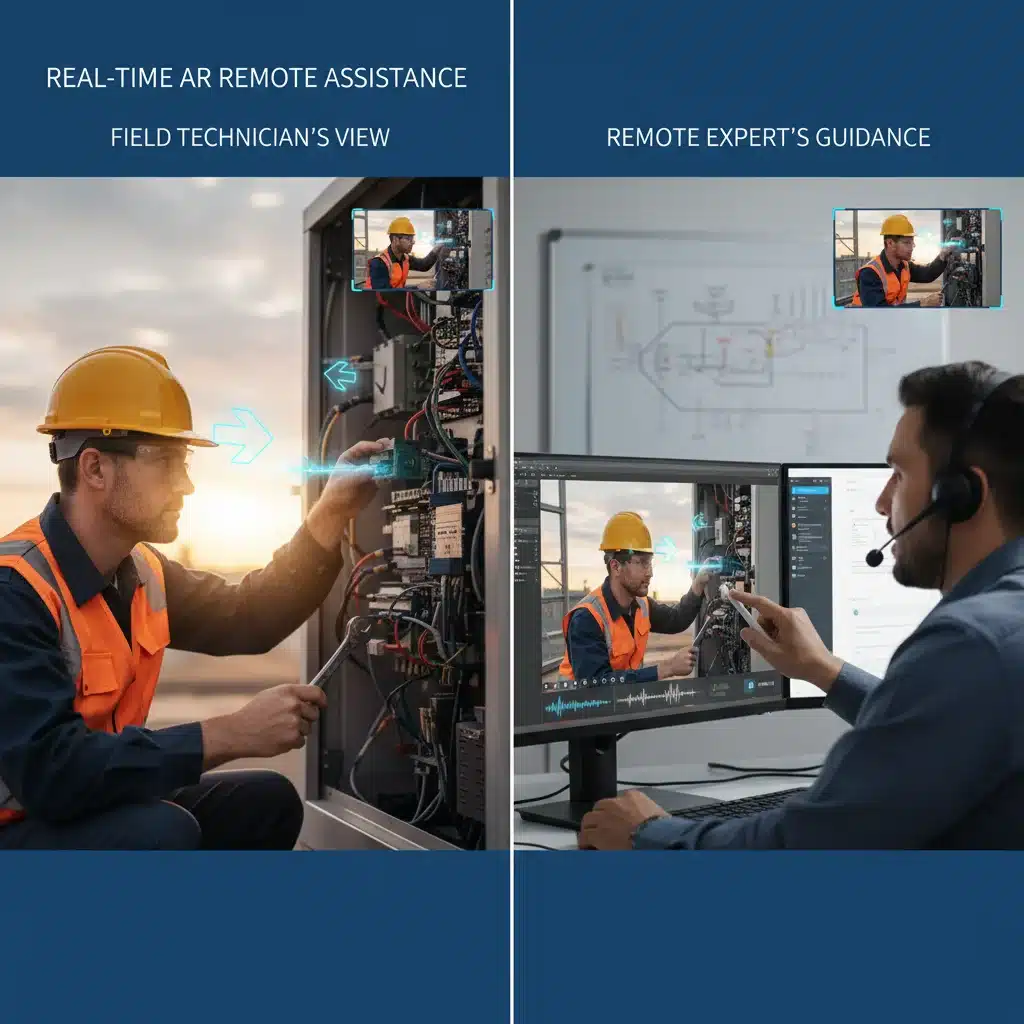
The ability to connect field technicians with remote experts is another cornerstone of AR’s value proposition. Through AR-enabled devices, a remote expert can see exactly what the field technician sees, annotate the technician’s view with digital markers, arrows, and instructions, and even share documents or videos. This real-time, visual collaboration dramatically reduces the need for experts to travel to remote sites, saving time and resources while accelerating problem resolution.
Consider a scenario where a critical piece of machinery breaks down in a remote location. Instead of waiting for a specialist to arrive, a local technician, equipped with an AR headset, can connect with an expert hundreds of miles away. The expert can then guide the local technician through the diagnostic and repair process as if they were standing side-by-side. This capability not only improves first-time fix rates but also drastically reduces equipment downtime, a critical factor for many industries.
Enhanced Safety and Compliance
AR can also play a vital role in improving safety and ensuring compliance with industry regulations. By providing immediate access to safety protocols, hazard warnings, and lockout/tagout procedures directly within the technician’s field of view, AR minimizes the risk of accidents. Technicians can be alerted to potential dangers associated with specific equipment or environments, ensuring they follow proper safety measures before commencing work.
Furthermore, AR can be used for digital checklists and compliance verification, ensuring that all necessary steps are completed and documented according to regulatory standards. This creates an auditable trail, which is invaluable for industries with strict compliance requirements, such as healthcare, energy, and manufacturing. The integration of AR VR Field Service technologies thus contributes not only to productivity but also to a safer and more compliant work environment.
Exploring Virtual Reality (VR) in Field Service
While AR enhances the real world, Virtual Reality (VR) creates entirely immersive, simulated environments. In the context of AR VR Field Service, VR’s primary application lies in training, simulation, and complex procedure planning, offering a safe and cost-effective way to develop and refine skills without the risks or logistical challenges of real-world scenarios.
Immersive Training and Skill Development
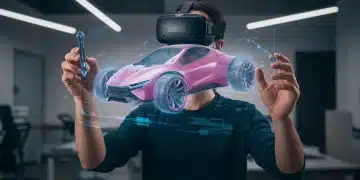
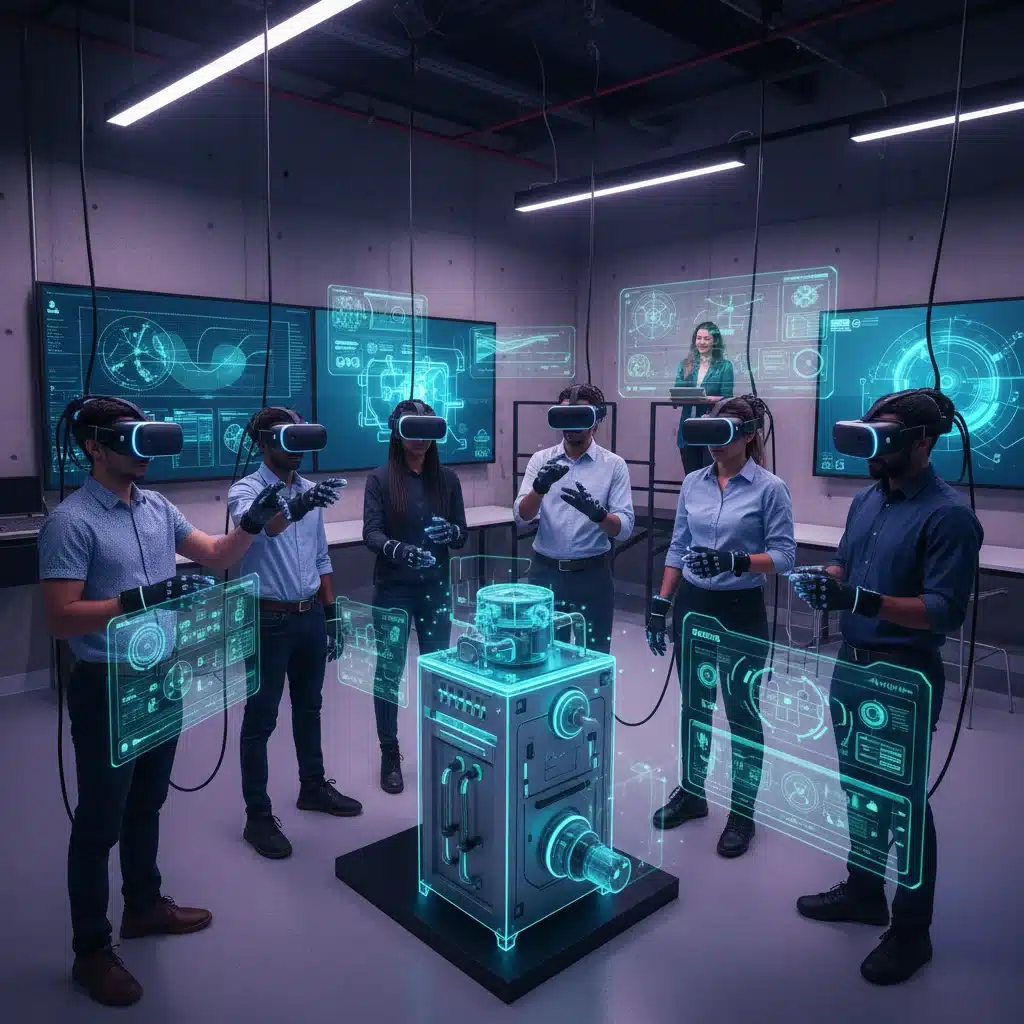
VR offers unparalleled opportunities for immersive training. Instead of learning from textbooks or videos, technicians can enter a virtual environment where they can interact with realistic 3D models of equipment, practice complex repair procedures, and troubleshoot virtual malfunctions. This hands-on experience in a risk-free setting accelerates learning and improves retention rates significantly.
For instance, new technicians can practice disassembling and reassembling intricate machinery components, identifying potential issues, and performing diagnostic tests, all within a virtual environment. This allows them to make mistakes, learn from them, and perfect their techniques before ever touching actual equipment in the field. Such immersive training is particularly valuable for complex and expensive machinery where real-world practice might be prohibitive due to cost, safety, or availability.
VR training can also be tailored to specific scenarios, such as working in hazardous environments or dealing with rare equipment failures. This prepares technicians for a wider range of situations, making them more adaptable and effective in the field. The ability to simulate various conditions, from different temperatures to varying light levels, further enhances the realism and effectiveness of VR training modules.
Procedure Planning and Pre-deployment Simulation
Beyond training, VR can be instrumental in procedure planning and pre-deployment simulations. Before undertaking a complex installation or repair, technical teams can use VR to walk through the entire process virtually, identifying potential obstacles, optimizing workflows, and ensuring all necessary tools and resources are available. This proactive approach minimizes surprises in the field and increases the likelihood of a successful outcome.
Imagine a scenario where a new, large piece of industrial equipment needs to be installed in a confined space. Using VR, engineers and technicians can virtually navigate the installation site, position the equipment, and simulate the entire installation process. This allows them to identify clearance issues, plan optimal crane paths, and even practice lifting and maneuvering techniques, all before any physical work begins. This level of meticulous planning, facilitated by VR, can save significant time and prevent costly mistakes.
Cost-Effective Knowledge Transfer
VR also provides a highly cost-effective method for knowledge transfer, especially in an era where experienced technicians are retiring, taking valuable institutional knowledge with them. By capturing the expertise of senior technicians through VR simulations, companies can create a persistent, accessible knowledge base for future generations. This ensures that critical skills and best practices are preserved and continuously updated.
Furthermore, VR training eliminates the need for expensive physical prototypes, travel costs associated with traditional training programs, and the inherent risks of practicing on live equipment. This makes high-quality, specialized training accessible to a broader workforce, regardless of their geographical location, contributing significantly to the overall efficiency and skill level of U.S. technical teams in AR VR Field Service.
Synergies of AR and VR in Field Service by 2026
While AR and VR offer distinct advantages, their combined application in AR VR Field Service creates a powerful synergy that can unlock even greater productivity gains. By 2026, we anticipate a seamless integration of these technologies, where technicians move fluidly between immersive training environments and augmented real-world tasks, creating a highly efficient and adaptable workforce.
Integrated Training and On-the-Job Support
The ideal scenario involves technicians training in VR, mastering complex procedures in a simulated environment, and then applying that knowledge in the field with AR support. For example, a technician might use VR to learn the intricacies of a new engine model. When they encounter that engine in the field, their AR headset can provide contextual information, reminding them of specific steps or highlighting diagnostic points based on their VR training. This continuous learning loop ensures that theoretical knowledge is immediately applicable and reinforced by practical experience.
This integration also extends to troubleshooting. If a technician encounters an unfamiliar problem, the AR system could suggest relevant VR training modules or simulations that address that specific issue, allowing for quick upskilling or knowledge refresh on demand. This adaptive learning approach is critical for maintaining high performance in a rapidly evolving technological landscape.
Predictive Maintenance and Proactive Intervention
The combination of AR/VR with IoT (Internet of Things) and AI (Artificial Intelligence) will lead to highly sophisticated predictive maintenance capabilities. By 2026, field service platforms will likely integrate sensor data from equipment, analyzed by AI, to predict potential failures. AR will then visualize these predictions for technicians, overlaying potential fault zones and recommended maintenance procedures onto the physical equipment. VR can then be used to simulate the proactive intervention, ensuring technicians are fully prepared.
For example, an AR headset could alert a technician to an impending bearing failure, displaying a heat map of the affected area and providing step-by-step instructions for replacement. If the replacement procedure is particularly complex or new, the technician could quickly jump into a VR simulation to practice the steps before performing them on the live equipment. This proactive and integrated approach minimizes downtime and extends the lifespan of valuable assets.
Challenges and Considerations for Adoption
While the benefits of AR VR Field Service are compelling, organizations must navigate several challenges to ensure successful adoption. By proactively addressing these, U.S. technical teams can maximize their return on investment and truly transform their operations by 2026.
Initial Investment and ROI Justification
The upfront cost of AR/VR hardware (headsets, smart glasses) and software development can be substantial. Companies need to conduct thorough cost-benefit analyses, demonstrating a clear return on investment (ROI) through improved productivity, reduced travel costs, enhanced safety, and faster training cycles. Focusing on pilot programs with measurable outcomes can help build a strong business case for broader deployment.
It’s crucial to look beyond the immediate hardware costs and consider the long-term savings and competitive advantages. Reduced technician travel, fewer repeat visits, faster repairs, and a more skilled workforce all contribute to significant operational efficiencies that can quickly offset initial investments. Furthermore, grants and incentives for adopting innovative technologies might be available, especially for U.S. businesses.
Integration with Existing Systems
AR/VR solutions need to integrate seamlessly with existing enterprise systems, such as Enterprise Resource Planning (ERP), Customer Relationship Management (CRM), and Field Service Management (FSM) platforms. Data must flow effortlessly between these systems to provide technicians with the most up-to-date and relevant information. This often requires robust API development and careful planning to avoid data silos.
Poor integration can lead to disjointed workflows, frustrating technicians and negating the productivity benefits. Companies should prioritize solutions that offer open APIs and are designed for interoperability, or be prepared to invest in custom integration solutions. A unified data ecosystem is paramount for maximizing the utility of AR VR Field Service tools.
User Adoption and Training
Technicians, especially those accustomed to traditional methods, may initially resist new technologies. Comprehensive training programs, emphasizing the practical benefits and ease of use, are essential for fostering user adoption. Early involvement of technicians in the selection and testing phases can also build enthusiasm and ownership.
The learning curve for new hardware and software can vary, so providing adequate support, clear instructions, and opportunities for hands-on practice is vital. Highlighting how AR/VR simplifies their work, enhances their capabilities, and improves safety can turn skeptics into advocates. A gradual rollout, starting with tech-savvy early adopters, can also create internal champions who can then assist in wider adoption.
Data Security and Privacy
AR/VR systems handle sensitive operational data and often involve visual feeds from customer sites. Ensuring robust data security measures, compliance with privacy regulations (e.g., GDPR, CCPA), and clear policies on data usage are paramount. Companies must implement encryption, access controls, and secure data storage solutions to protect proprietary information and customer privacy.
Given the increasing sophistication of cyber threats, neglecting data security in AR VR Field Service deployments could have severe consequences, including reputational damage and regulatory fines. A comprehensive security strategy, developed in consultation with cybersecurity experts, is non-negotiable.
The Future of AR VR Field Service in the U.S. by 2026
By 2026, the widespread adoption of AR VR Field Service technologies will fundamentally reshaped the operational landscape for U.S. technical teams. We can expect a future where field technicians are not just repair personnel but highly augmented, data-driven experts, capable of handling increasingly complex tasks with unprecedented efficiency.
Autonomous Assistance and AI Integration
The evolution of AR/VR will increasingly integrate with advanced AI. Imagine AR systems that don’t just overlay instructions but proactively identify problems, suggest solutions based on historical data, and even initiate automated diagnostic sequences. AI-powered virtual assistants within AR/VR environments will provide real-time guidance, making even novice technicians perform like seasoned experts.
This means AR headsets could become intelligent co-pilots for technicians, anticipating their needs, providing contextual information before it’s explicitly requested, and learning from each interaction to improve future recommendations. This level of autonomous assistance will further reduce human error and accelerate problem resolution significantly.
Hyper-Personalized Training and Skill Tracking
VR training will become hyper-personalized, adapting to individual learning styles, tracking skill proficiency in real-time, and recommending specific modules to address knowledge gaps. This continuous, adaptive learning will ensure that the workforce remains agile and up-to-date with the latest technologies and procedures.
Imagine a technician’s skill profile dynamically updating based on their performance in VR simulations and actual field work. The system could then automatically suggest AR overlays for tasks where their proficiency is lower or recommend advanced VR modules for career development. This personalized approach to skill development will be a cornerstone of maintaining a highly competent AR VR Field Service workforce.
Sustainability and Resource Optimization
The reduction in expert travel, improved first-time fix rates, and optimized resource allocation facilitated by AR/VR will also have significant environmental benefits. Less travel means reduced carbon footprints, and more efficient repairs lead to less waste and extended equipment lifespans. This aligns with broader corporate sustainability goals and positions companies as environmentally responsible innovators.
By minimizing the need for physical prototypes in training and ensuring optimal use of parts and resources in repairs, AR VR Field Service technologies contribute to a more sustainable and resource-efficient operational model. This not only benefits the planet but also translates into cost savings and enhanced brand reputation.
Conclusion: A Blueprint for 2026
The journey towards fully integrated AR VR Field Service by 2026 is an exciting and challenging one. For U.S. technical teams, embracing these immersive technologies is not merely an option but a strategic imperative to remain competitive, efficient, and resilient in an increasingly demanding market. The blueprint for success involves a clear understanding of AR and VR’s individual strengths, their synergistic potential, and a proactive approach to addressing the inherent challenges of adoption.
From empowering technicians with real-time, context-aware information through AR to providing risk-free, immersive training environments with VR, these technologies offer a comprehensive solution to many of the long-standing pain points in field service. The ability to connect remote experts with field personnel, enhance safety protocols, and optimize complex procedures will drive unparalleled gains in productivity and service quality.
As we move towards 2026, organizations that invest strategically in AR VR Field Service will cultivate a highly skilled, adaptable, and efficient workforce. They will be better equipped to meet customer expectations, reduce operational costs, and navigate the complexities of modern industrial equipment. The future of field service is immersive, intelligent, and augmented, and the time to prepare for this transformation is now.
By carefully planning, investing in the right solutions, and prioritizing user adoption and data security, U.S. businesses can leverage AR and VR to not only survive but thrive in the competitive landscape of the coming years. The promise of maximized productivity and a truly optimized field service operation is within reach.