
The Latest AR Overlays: How US Businesses Are Saving 15% on Operational Costs This Year
In the rapidly evolving landscape of business technology, a groundbreaking innovation is quietly revolutionizing how US companies operate: Augmented Reality (AR) overlays. Far from being a futuristic gimmick, AR overlays are now a tangible, proven solution for enhancing efficiency, reducing errors, and, most importantly, significantly cutting down operational costs. This year alone, forward-thinking US businesses are reporting an average of 15% savings on their operational expenditures, a testament to the transformative power of AR overlays. This comprehensive guide will delve into the mechanics of AR overlays, explore their diverse applications across various industries, and provide a roadmap for businesses looking to harness this technology for substantial financial and operational gains.
The promise of augmented reality has long captivated imaginations, but its practical implementation in the enterprise sector has matured to a point where it’s no longer a question of ‘if’ but ‘when’ it will become a mainstream operational tool. With AR overlays, digital information is superimposed onto the real world, providing workers with contextual, real-time data directly within their field of vision. This seamless integration of digital and physical realms is proving to be a game-changer for businesses striving for lean operations and competitive advantage. The ability to access critical information without breaking focus, to receive step-by-step guidance, or to visualize complex data in an intuitive manner, is fundamentally reshaping workflows and empowering employees like never before. The 15% operational cost savings reported by US businesses using AR overlays is a compelling indicator of this paradigm shift, signaling a new era of efficiency and productivity.
Understanding AR Overlays: More Than Just Digital Graphics
At its core, an AR overlay is a digital layer of information that is superimposed onto a user’s view of the real world, typically through devices like smart glasses, tablets, or smartphones. Unlike virtual reality (VR), which creates an entirely immersive digital environment, AR enhances the existing physical environment. For businesses, this means workers can see crucial data, instructions, or visual aids precisely where and when they need them, without disrupting their interaction with the physical task at hand. This contextual awareness is key to the efficiency gains and cost reductions observed with AR overlays. Imagine a technician repairing a complex machine; instead of consulting a bulky manual, AR overlays can highlight specific components, display real-time diagnostic data, and provide animated step-by-step repair instructions directly on the machine itself. This immediate access to information minimizes errors, speeds up task completion, and reduces the need for extensive prior training or constant supervision. The power of AR overlays lies in their ability to bridge the gap between the digital and physical, transforming how work is performed and managed. The immediate access to information and guided assistance provided by AR overlays directly contributes to the significant operational cost savings experienced by US businesses.
The Technological Backbone: How AR Overlays Work
The functionality of AR overlays relies on a sophisticated interplay of hardware and software. High-resolution cameras on AR devices capture the real-world environment, while advanced computer vision algorithms recognize objects, track movements, and understand spatial relationships. This data is then processed to accurately anchor digital content onto the physical world. For instance, a GPS system combined with AR can guide a field technician to a specific location, then overlay relevant schematics or work orders onto the equipment they need to service. Modern AR platforms also incorporate artificial intelligence (AI) to interpret user intent, predict needs, and even learn from interactions, making the overlays increasingly intelligent and responsive. The seamless integration of these technologies ensures that the AR experience is not only informative but also intuitive and highly effective. This technological synergy is what enables AR overlays to deliver such tangible benefits, directly impacting a company’s bottom line through improved efficiency and reduced waste. The precision and adaptability of AR overlays are crucial for achieving the 15% operational cost savings that US businesses are now realizing.
Industry-Specific Applications of AR Overlays Driving Cost Savings
The versatility of AR overlays means they are not confined to a single industry but are rather proving to be universally beneficial. From manufacturing floors to retail spaces, and from healthcare facilities to logistics warehouses, the applications are vast and varied, all contributing to significant operational cost savings for US businesses.
Manufacturing and Assembly: Precision and Reduced Downtime
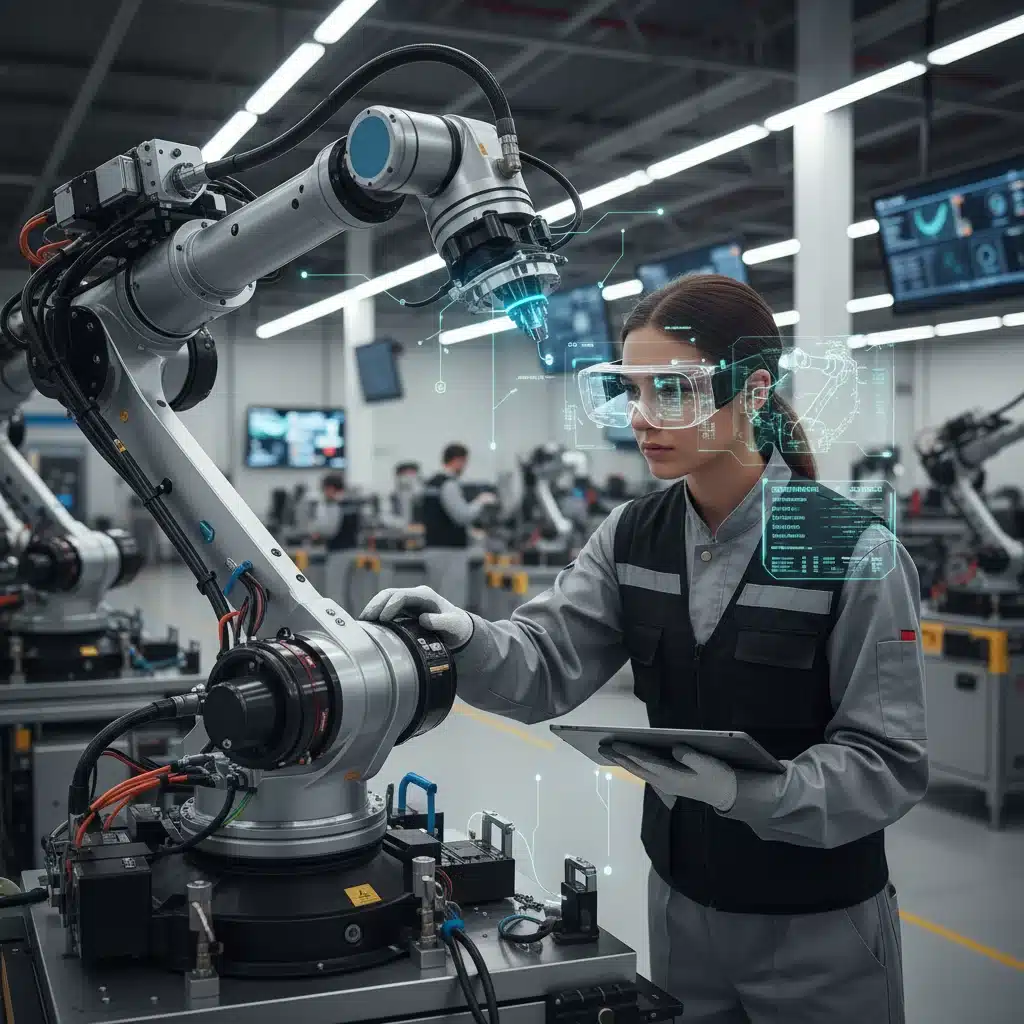
In manufacturing, AR overlays are transforming assembly lines and maintenance procedures. Workers can receive visual, step-by-step instructions for complex assembly tasks, ensuring accuracy and reducing the learning curve for new employees. This leads to fewer errors, less rework, and faster production cycles. For maintenance, AR overlays can superimpose digital schematics, highlight faulty components, and guide technicians through repair procedures. This significantly reduces equipment downtime, a major source of operational cost. Predictive maintenance, enhanced by AR, allows for proactive intervention before failures occur, further optimizing operational efficiency. For example, a US automotive manufacturer deployed AR overlays to guide technicians through intricate engine assembly, resulting in a 20% reduction in assembly time and a 10% decrease in errors, directly contributing to their 15% operational cost savings target. The precision offered by AR overlays minimizes material waste and maximizes output, making them an indispensable tool in modern manufacturing.
Logistics and Warehousing: Streamlined Operations and Error Reduction
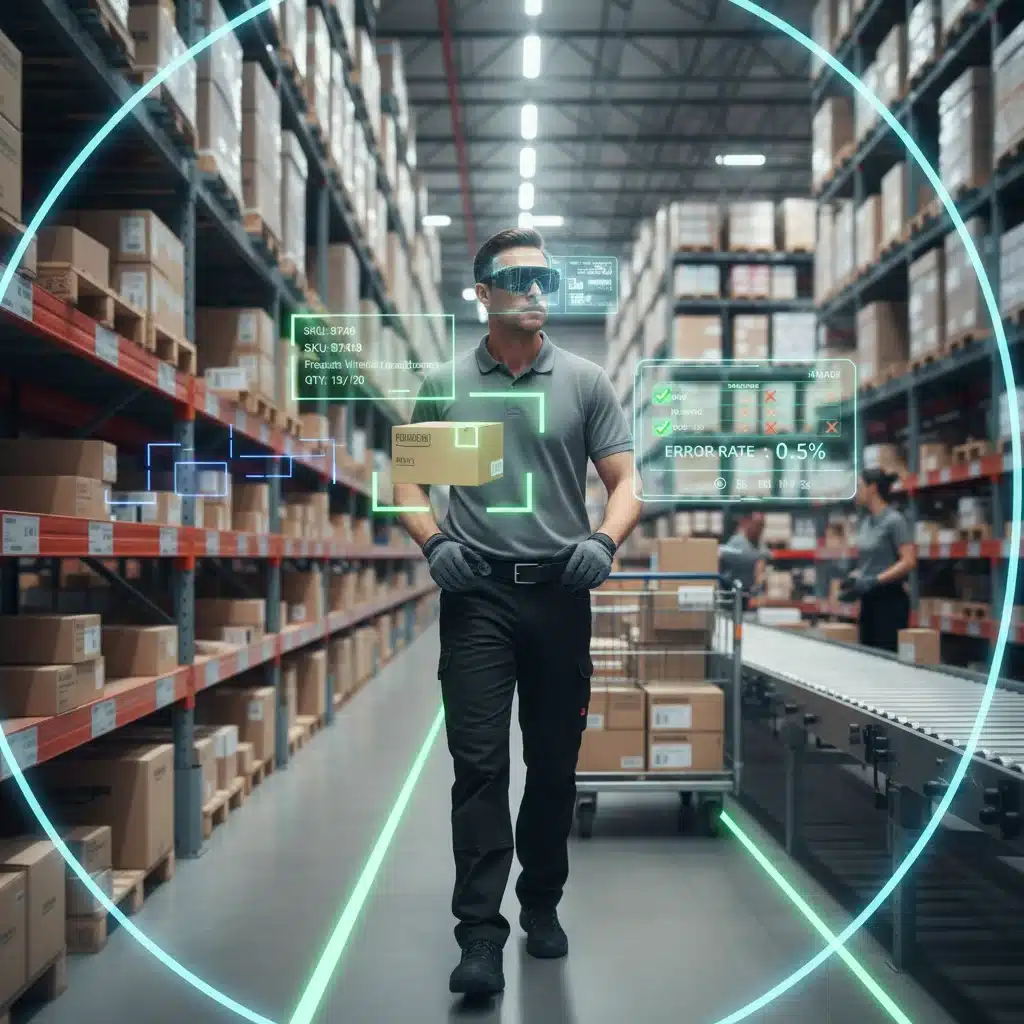
The logistics sector is another area where AR overlays are making a substantial impact. In warehouses, AR-enabled smart glasses can guide pickers to the exact location of items, optimize picking routes, and display order details directly in their line of sight. This dramatically increases picking efficiency and reduces mispicks, which are costly due to returns, reshipments, and customer dissatisfaction. Inventory management also benefits, with AR overlays providing real-time stock levels and location information, minimizing manual checks and improving accuracy. A major US e-commerce fulfillment center implemented AR overlays for order picking and reported a 25% increase in picking speed and a 40% reduction in picking errors within six months, directly feeding into their overall operational cost savings. The ability of AR overlays to visually confirm item selection and placement ensures that the right product reaches the right customer, every time. This translates into tangible savings from reduced returns, improved customer satisfaction, and optimized labor utilization.
Field Service and Remote Assistance: Expert Support Anywhere
For businesses with field service operations, AR overlays are a game-changer. Technicians can connect with remote experts who can see what the technician sees through their AR device. The expert can then draw annotations, highlight specific parts, or display instructions directly onto the technician’s view, guiding them through complex repairs or installations. This reduces the need for costly on-site expert travel, speeds up problem resolution, and improves first-time fix rates. Training new field technicians also becomes more efficient, as they can learn on the job with expert guidance. A US telecommunications company reported a 30% reduction in truck rolls for complex issues after implementing AR-powered remote assistance, leading to substantial fuel and labor cost savings, which contributed significantly to their 15% operational cost savings. The immediacy and clarity of AR-driven remote assistance ensure that expertise is always available, regardless of geographical distance.
Healthcare: Enhanced Training and Surgical Precision
In healthcare, AR overlays are being used for surgical planning, medical training, and even during complex procedures. Surgeons can overlay patient data, 3D anatomical models, or real-time vital signs directly onto their view of the patient, enhancing precision and reducing risks. For training, AR provides immersive and interactive experiences for medical students, allowing them to practice procedures in a realistic yet safe environment. A leading US medical institution has begun experimenting with AR overlays for surgical guidance, anticipating a reduction in surgical times and improved patient outcomes, indirectly leading to cost efficiencies through better resource utilization and reduced complications. The ability to visualize critical information in context during delicate procedures is invaluable, minimizing the chances of error and improving overall quality of care. These applications, while not always directly measurable in immediate dollar savings, contribute to long-term operational efficiency through improved outcomes and reduced liabilities.
The Mechanics of Achieving 15% Operational Cost Savings with AR Overlays
The reported 15% operational cost savings by US businesses using AR overlays isn’t a random figure; it’s a direct result of several key efficiencies and improvements driven by the technology. Understanding these mechanisms is crucial for any business considering AR implementation.
Reduced Error Rates and Rework
One of the most significant contributors to operational cost savings is the dramatic reduction in human error. AR overlays provide precise, visual guidance for tasks, making it much harder for workers to make mistakes. Whether it’s assembling a product, picking an order, or performing a repair, the real-time visual cues minimize missteps. Fewer errors mean less rework, less scrapped material, fewer returned products, and reduced warranty claims, all of which directly impact the bottom line. The initial investment in AR technology is quickly offset by the cost avoidance associated with these error reductions. The precision afforded by AR overlays means that tasks are performed correctly the first time, every time, leading to substantial savings for US businesses.
Increased Productivity and Efficiency
AR overlays empower workers to complete tasks faster and more efficiently. By providing immediate access to information and guiding them through workflows, AR eliminates the need to consult separate manuals, search for tools, or ask for help. This streamlines processes, reduces task completion times, and allows workers to handle a higher volume of work within the same timeframe. In a manufacturing setting, this translates to higher output; in logistics, faster order fulfillment; and in field service, more completed calls per day. The optimization of labor utilization is a direct driver of the operational cost savings, as companies can achieve more with their existing workforce or even reduce staffing needs in certain areas. The ability of AR overlays to accelerate workflows without compromising quality is a key factor in the 15% operational cost savings.
Optimized Training and Onboarding
Training new employees can be a costly and time-consuming process. AR overlays offer an immersive and highly effective training platform. New hires can learn complex procedures by following AR-guided instructions, practicing in a simulated environment, or receiving real-time guidance from experienced mentors. This accelerates the onboarding process, reduces the need for extensive classroom training, and gets new employees up to speed faster, making them productive members of the team sooner. The reduction in training costs and the faster path to productivity contribute significantly to overall operational savings. The experiential learning facilitated by AR overlays creates a more engaged and competent workforce, directly impacting long-term operational costs.
Enhanced Safety and Compliance
AR overlays can also play a crucial role in improving workplace safety and ensuring compliance with regulations. By overlaying safety warnings, highlighting hazardous areas, or guiding workers through safe operating procedures, AR can prevent accidents and injuries. This not only protects employees but also reduces costs associated with workplace injuries, insurance claims, and regulatory fines. In industries with strict compliance requirements, AR can ensure that all procedures are followed precisely, minimizing the risk of non-compliance. A safer workplace is a more efficient workplace, and the avoidance of safety-related costs contributes to the overall 15% operational cost savings.
Implementing AR Overlays: A Strategic Approach for US Businesses
While the benefits of AR overlays are clear, successful implementation requires a strategic approach. US businesses looking to achieve similar operational cost savings must consider several factors.
Identifying Key Use Cases
The first step is to identify specific areas within the business where AR overlays can deliver the most significant impact. This involves a thorough analysis of existing workflows, pain points, and areas with high error rates or inefficiencies. For example, if a manufacturing plant frequently experiences downtime due to complex machine repairs, remote AR assistance for technicians might be a prime candidate. If a warehouse struggles with order picking accuracy, AR-guided picking could be the solution. Focusing on high-impact use cases ensures a clear return on investment and builds internal support for the technology. A targeted approach to AR overlays maximizes the potential for achieving substantial operational cost savings.
Choosing the Right Hardware and Software
The market for AR hardware and software is growing rapidly. Businesses need to evaluate various options based on their specific needs, budget, and integration requirements. Hardware options range from robust industrial smart glasses designed for challenging environments to more lightweight options for everyday use. Software platforms offer different capabilities, from basic annotation tools to advanced AI-powered guidance systems. Compatibility with existing IT infrastructure and scalability are also critical considerations. Partnering with experienced AR solution providers can help navigate this complex landscape and ensure the selection of the most appropriate tools for the job. The right combination of hardware and software is essential for the effective deployment of AR overlays and the realization of operational cost savings.
Pilot Programs and Scalability
Instead of a full-scale deployment, many US businesses find success by starting with pilot programs. This allows them to test AR overlays in a controlled environment, gather feedback from users, and refine the implementation strategy. A successful pilot program provides valuable data to demonstrate ROI and build momentum for broader adoption. Once the pilot proves effective, businesses can then scale the solution across other departments or locations. This iterative approach minimizes risk and ensures that the AR solution is tailored to the specific needs of the organization, leading to sustained operational cost savings. The ability to demonstrate tangible benefits through pilot programs is key to securing wider adoption of AR overlays.
Training and Change Management
Technology adoption is as much about people as it is about machines. Proper training for employees on how to use AR devices and software is essential for successful implementation. Equally important is a robust change management strategy to address any resistance to new technologies. Clearly communicating the benefits of AR overlays, involving employees in the implementation process, and providing ongoing support can foster a positive attitude towards the technology. When employees embrace AR as a tool that empowers them, rather than replaces them, the chances of achieving the desired operational cost savings are significantly higher. Engaging employees in the transition to AR overlays ensures smoother adoption and greater long-term success.
The Future of Operational Efficiency: Continued Growth for AR Overlays
The 15% operational cost savings currently being realized by US businesses using AR overlays is likely just the beginning. As AR technology continues to advance, becoming more affordable, powerful, and user-friendly, its impact on operational efficiency will only grow. Future developments in spatial computing, AI integration, and haptic feedback will further enhance the capabilities of AR overlays, opening up new possibilities for businesses across all sectors.
Imagine AR overlays that can not only guide a technician but also predict potential failures based on real-time sensor data and suggest preventative measures before any issue arises. Envision AR systems that can dynamically adapt to changing work environments, providing optimal guidance even in unstructured settings. These advancements will further streamline operations, reduce waste, and unlock even greater levels of productivity and cost savings. The continuous evolution of AR overlays promises an even brighter future for US businesses seeking to optimize their operations and maintain a competitive edge.
Beyond Cost Savings: Strategic Advantages of AR Overlays
While operational cost savings are a compelling driver for AR overlay adoption, the technology offers numerous other strategic advantages. Improved employee satisfaction, enhanced customer experience, better quality control, and the ability to innovate faster are all direct benefits of integrating AR into business processes. A highly skilled and efficient workforce, empowered by AR overlays, can lead to superior product quality and more responsive customer service, ultimately strengthening market position. The ability to rapidly prototype and iterate designs using AR can significantly reduce time-to-market for new products and services. These strategic benefits, though harder to quantify in immediate dollar figures, contribute to long-term business growth and sustainability. The holistic impact of AR overlays extends far beyond mere cost reduction, positioning businesses for future success.
Conclusion: Embrace AR Overlays for a More Efficient Future
The evidence is clear: AR overlays are no longer a niche technology but a vital tool for US businesses aiming to achieve significant operational cost savings and gain a competitive advantage. The reported 15% savings this year by companies that have embraced this technology speaks volumes about its effectiveness. By reducing errors, increasing productivity, optimizing training, and enhancing safety, AR overlays are fundamentally reshaping how work is done across various industries.
For any US business looking to streamline operations, reduce expenditures, and empower its workforce, now is the time to explore the potential of AR overlays. The future of efficiency is augmented, and those who embrace this technology today will be the leaders of tomorrow. Investing in AR overlays is not just an expenditure; it’s a strategic investment in a more productive, precise, and profitable future.