
The landscape of professional development is undergoing a seismic shift, driven by technological advancements that are redefining how we learn, work, and innovate. At the forefront of this revolution is Augmented Reality (AR) training. By 2026, AR is poised to become an indispensable tool for skill development across a myriad of US industries. This comprehensive guide outlines a strategic 3-month plan for organizations to seamlessly integrate and maximize the benefits of AR training, ensuring their workforce is future-ready and their operations are optimized for unparalleled efficiency and safety.
The urgency for adopting cutting-edge training methodologies has never been greater. Industries, from manufacturing and healthcare to logistics and aerospace, are grappling with complex challenges: an aging workforce, the need for rapid upskilling and reskilling due to technological evolution, and the imperative to reduce errors and improve safety. Traditional training methods, while foundational, often fall short in providing the immersive, hands-on, and real-time guidance necessary for today’s dynamic environments. This is where AR training steps in, offering a transformative solution that bridges the gap between theoretical knowledge and practical application.
Our focus on AR training 2026 is not merely about adopting a new gadget; it’s about fundamentally rethinking how human potential is nurtured and unleashed. It’s about empowering employees with immediate access to information, expert guidance, and simulated experiences that accelerate learning curves, reduce cognitive load, and foster a deeper understanding of complex tasks. The economic implications are significant, with projections indicating substantial returns on investment through reduced training costs, increased productivity, and fewer operational mishaps. This guide is designed to be your roadmap, breaking down the often-daunting process of AR implementation into manageable, actionable steps over a three-month period.
Month 1: Foundation and Pilot Program – Laying the Groundwork for AR Training 2026
The initial month is critical for establishing a solid foundation for your AR training 2026 initiative. This phase involves meticulous planning, stakeholder engagement, and the launch of a targeted pilot program designed to validate the technology’s effectiveness within your specific operational context. Rushing this stage can lead to missteps and resistance later on, so a methodical approach is paramount.
Week 1: Vision, Strategy, and Stakeholder Alignment
The journey begins with defining a clear vision for how AR will transform your training landscape. This isn’t just about technology; it’s about business outcomes. What specific problems will AR solve? What are the key performance indicators (KPIs) that will measure success? Engage key stakeholders from leadership, HR, IT, and operational departments. Their buy-in is essential for resource allocation and smooth integration. Conduct workshops to educate them on the potential of AR, addressing any misconceptions or concerns. Develop a comprehensive strategy that outlines the scope, objectives, budget, and timeline for your AR training 2026 program. Identify specific use cases where AR can deliver the most immediate and measurable impact. For instance, in manufacturing, this might be complex assembly instructions; in healthcare, it could be surgical procedure walkthroughs or equipment maintenance.
Week 2: Technology Selection and Vendor Partnership
The AR market is dynamic, with a plethora of hardware and software solutions available. This week focuses on researching and selecting the most appropriate AR technology for your needs. Consider factors such as hardware form factor (head-mounted displays, tablets), software capabilities (authoring tools, content management systems, analytics), scalability, security, and integration with existing enterprise systems. Evaluate leading AR platforms and devices, comparing their features, cost, and support. Engage with potential vendors, requesting demos and proof-of-concept trials. Prioritize vendors who offer robust support, customizable solutions, and a clear roadmap for future development. A strong vendor partnership is crucial for long-term success in your AR training 2026 endeavor.
Week 3: Content Development Strategy and Initial Creation
Content is king, and in AR training, it’s the immersive experiences that drive learning. Develop a content strategy that aligns with your identified use cases. This involves determining what types of content will be created (e.g., 3D models, animated sequences, interactive overlays, step-by-step instructions), who will create it (in-house team, external agency, or a hybrid approach), and the tools that will be used. Begin the initial phase of content creation for your pilot program. Start with a relatively simple yet impactful training module that can demonstrate the value of AR quickly. This could involve digitizing existing training manuals or creating new interactive guides for a specific task. Focus on clarity, accuracy, and user-friendliness.
Week 4: Pilot Program Launch and Initial Feedback
With the technology selected and initial content developed, it’s time to launch your pilot program. Select a small, representative group of trainees and trainers for this initial rollout. Provide them with adequate training on how to use the AR hardware and software. Monitor their progress closely, collecting qualitative and quantitative feedback. What are their immediate impressions? Are they finding the AR experience intuitive? Is it improving their understanding and performance? Document challenges, successes, and areas for improvement. This feedback is invaluable for refining your content, technology choices, and overall implementation strategy for wider adoption of AR training 2026.
Month 2: Scaling and Refinement – Expanding the Reach of AR Training
Having successfully completed the pilot, Month 2 is dedicated to scaling your AR training 2026 program and refining its components based on the insights gained. This phase focuses on expanding content, optimizing the user experience, and preparing for broader deployment.
Week 5: Pilot Program Analysis and Iteration
Deep dive into the data and feedback from your pilot program. Conduct detailed analysis of performance metrics (e.g., task completion time, error rates, knowledge retention) and qualitative feedback from participants. Identify what worked well and what needs improvement. Are there specific AR features that were particularly effective? Were there any technical glitches or usability issues? Use these insights to iterate on your AR content and technology configuration. This iterative process is crucial for ensuring that your AR training 2026 solution is robust, effective, and user-centric.
Week 6: Advanced Content Development and Integration
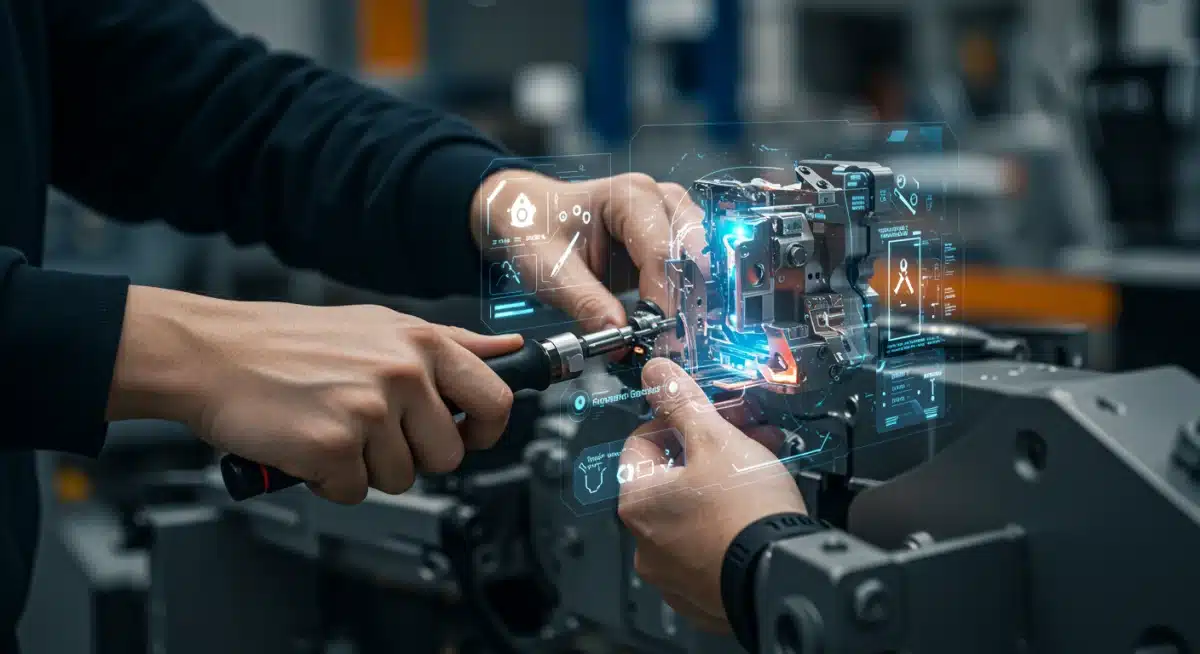
Expand your content creation efforts, moving beyond the pilot module to develop more complex and varied training scenarios. This might include creating modules for advanced troubleshooting, complex machinery operation, or intricate procedural guidance. Consider integrating AR training with existing learning management systems (LMS) or other enterprise platforms to streamline content delivery, track progress, and manage user data. Explore possibilities for integrating real-time data from sensors or IoT devices into your AR training scenarios, offering truly dynamic and context-aware learning experiences. This level of integration enhances the practical utility of AR training 2026.
Week 7: Trainer Enablement and Best Practices Development
While AR training can be largely self-directed, trainers still play a vital role in facilitating learning, providing context, and addressing complex queries. This week focuses on empowering your trainers to effectively utilize AR in their instructional roles. Conduct comprehensive ‘train-the-trainer’ programs, equipping them with the skills to operate AR hardware, navigate software, and understand how to integrate AR experiences into their existing curricula. Develop best practices for AR training delivery, including tips for setting up AR environments, troubleshooting common issues, and maximizing engagement. A well-prepared training team is essential for the successful rollout of AR training 2026.
Week 8: User Experience (UX) Optimization and Accessibility
A seamless and intuitive user experience is paramount for widespread adoption. Continuously optimize the UX of your AR training applications. This involves refining interfaces, simplifying navigation, and ensuring that instructions are clear and concise. Pay close attention to accessibility, ensuring that the AR training is usable by individuals with diverse needs. This might involve considering different input methods, adjustable font sizes, or alternative visual cues. Gather feedback from a broader set of users to identify any remaining friction points and address them proactively. A focus on UX ensures that your AR training 2026 initiative is inclusive and effective for all employees.
Month 3: Deployment and Continuous Improvement – Sustaining AR Training Excellence
The final month of this initial 3-month guide is dedicated to the broader deployment of your AR training 2026 program and establishing mechanisms for continuous improvement. This phase transitions from development to widespread adoption and long-term sustainability.
Week 9: Full-Scale Deployment Planning and Logistics
With refined content and optimized user experience, it’s time to plan for full-scale deployment across relevant departments or sites. Develop a detailed deployment plan that outlines the rollout schedule, equipment distribution, IT infrastructure requirements, and support procedures. Consider logistical challenges such as managing a large inventory of AR devices, ensuring connectivity, and providing on-site technical assistance. Communicate the deployment plan clearly to all affected teams and individuals, generating excitement and addressing any concerns. A well-orchestrated deployment is key to the successful integration of AR training 2026 into your organizational culture.
Week 10: Performance Monitoring and Analytics
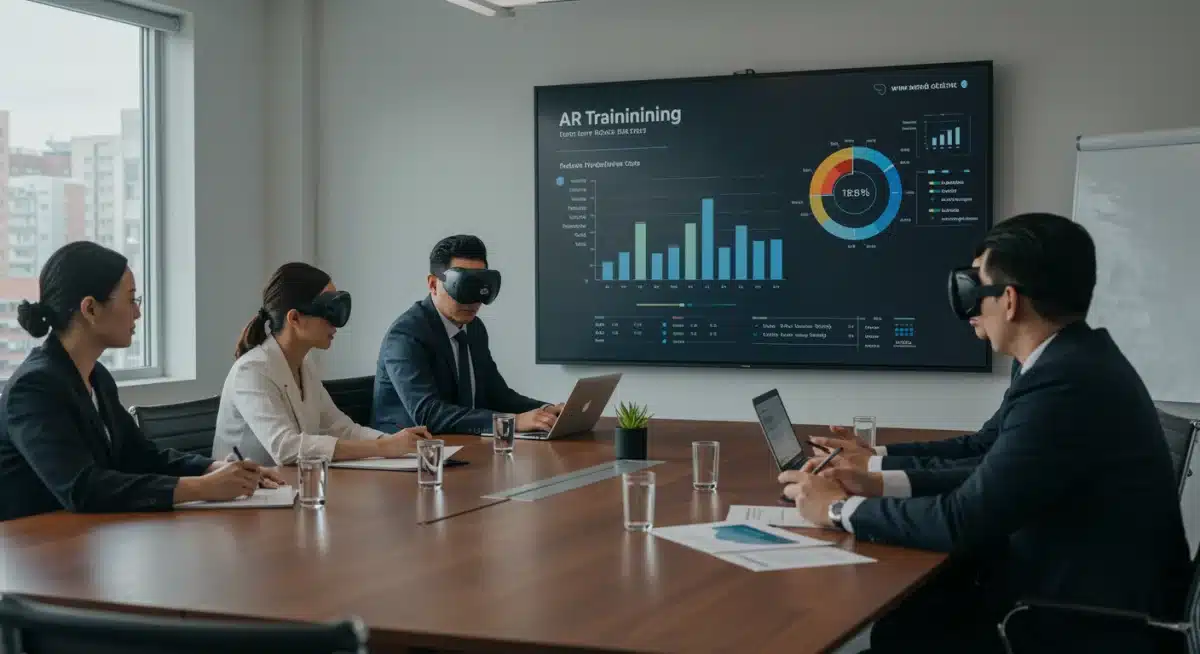
Once deployed, continuous monitoring of the AR training program’s performance is essential. Implement robust analytics tools to track key metrics such as completion rates, time spent on modules, error reduction, skill proficiency improvements, and overall user satisfaction. Analyze these data points to identify trends, pinpoint areas for further optimization, and demonstrate the return on investment (ROI) of your AR training 2026 initiative. Regular reporting to stakeholders will reinforce the value of AR and secure continued support for its expansion.
Week 11: Feedback Loops and Iterative Enhancement
Establish formal and informal feedback mechanisms to continuously gather insights from users and trainers. This could include regular surveys, focus groups, suggestion boxes, and direct communication channels. Encourage an open dialogue where users can share their experiences and propose improvements. Use this feedback to drive iterative enhancements to your AR content, software features, and training methodologies. The dynamic nature of AR technology means that continuous improvement is not just an option but a necessity to maintain the effectiveness and relevance of your AR training 2026 program.
Week 12: Future-Proofing and Strategic Expansion
As your AR training 2026 program matures, begin to look towards the future. Explore opportunities for strategic expansion into new departments, use cases, or even integration with other emerging technologies like Artificial Intelligence (AI) for personalized learning paths or Virtual Reality (VR) for more immersive simulations. Stay abreast of advancements in AR hardware and software, planning for potential upgrades or new feature integrations. Develop a long-term roadmap for AR training within your organization, ensuring that it remains a cornerstone of your skill development strategy and continues to deliver significant value well beyond 2026.
Benefits of Embracing AR Training by 2026
The strategic implementation of AR training 2026 offers a myriad of benefits that extend far beyond mere technological novelty. For US industries, these advantages translate directly into tangible improvements in operational efficiency, safety, and competitive advantage.
- Enhanced Skill Retention and Transfer: AR provides immersive, hands-on experiences that mimic real-world scenarios, leading to significantly higher knowledge retention rates compared to traditional methods. Learners can practice complex tasks in a safe, controlled environment, reducing the cognitive load and accelerating the transfer of skills to the job.
- Reduced Training Costs: While initial investment is required, AR training can drastically cut long-term costs associated with travel, physical equipment, and instructor-led sessions. It also reduces the need for expensive physical prototypes or real machinery for training purposes, saving on wear and tear.
- Improved Safety: Training in hazardous environments or with dangerous machinery can be simulated in AR without putting employees at risk. This allows for extensive practice of safety protocols and emergency procedures, leading to a safer workforce and fewer workplace incidents.
- Increased Efficiency and Productivity: AR can guide workers through complex tasks step-by-step, providing real-time information and visual cues directly in their field of view. This reduces errors, speeds up task completion, and minimizes downtime, boosting overall productivity.
- Faster Onboarding and Upskilling: New hires can get up to speed much faster with AR-guided instructions, while existing employees can quickly acquire new skills needed for evolving job roles or new technologies. This agility is crucial in rapidly changing industrial landscapes.
- Personalized Learning Experiences: AR platforms can adapt to individual learning paces and styles, offering personalized feedback and tailored content. This ensures that each employee receives the support they need to master skills effectively.
- Remote Assistance and Collaboration: AR enables remote experts to guide on-site technicians through complex repairs or procedures, reducing the need for costly travel and ensuring prompt resolution of issues. This fosters better collaboration across geographically dispersed teams.
- Data-Driven Insights: AR training platforms can collect valuable data on user performance, allowing organizations to identify common errors, assess skill gaps, and continuously refine their training programs for maximum effectiveness.
Challenges and Considerations for AR Training 2026
While the benefits are compelling, implementing AR training 2026 is not without its challenges. Addressing these proactively is key to a successful deployment.
- Initial Investment: The cost of AR hardware (headsets, devices) and software licenses can be substantial. Organizations need to build a strong business case demonstrating ROI to secure necessary funding.
- Content Creation: Developing high-quality, engaging AR content requires specialized skills in 3D modeling, animation, and instructional design. This can be time-consuming and expensive if done in-house without prior experience.
- Technical Infrastructure: Robust Wi-Fi, sufficient bandwidth, and compatible IT systems are essential for smooth AR operation, especially in large industrial environments.
- User Acceptance and Training: Some employees may be resistant to new technologies or find AR interfaces challenging initially. Proper change management, comprehensive training, and demonstrating immediate value are crucial for user adoption.
- Data Privacy and Security: AR systems can collect sensitive operational and performance data. Ensuring data privacy, compliance with regulations, and robust cybersecurity measures is paramount.
- Hardware Limitations: Current AR hardware, while rapidly improving, can still have limitations in terms of field of view, battery life, comfort, and ruggedness for industrial use. Selecting appropriate hardware for specific environments is critical.
- Integration with Existing Systems: Integrating AR platforms with existing LMS, ERP, or other operational systems can be complex and require significant IT effort.
Conclusion: Paving the Way for a Skilled Future with AR Training 2026
The journey to fully leverage AR training 2026 for enhanced skill development in US industries is a strategic imperative, not just a technological upgrade. By following this detailed 3-month guide, organizations can systematically lay the groundwork, scale their programs, and establish a culture of continuous improvement. The benefits—from improved safety and efficiency to reduced costs and a highly skilled, adaptable workforce—are profound and will undoubtedly shape the competitive landscape for years to come.
Embracing AR training is an investment in human capital, positioning your workforce at the cutting edge of industrial innovation. As we move towards 2026 and beyond, those who proactively integrate augmented reality into their training strategies will not only mitigate the challenges of a rapidly evolving industrial environment but will also unlock unprecedented opportunities for growth, resilience, and sustained excellence. The future of skill development is immersive, interactive, and augmented, and the time to act is now.