In the rapidly evolving landscape of technology, Virtual Reality (VR) has emerged as a transformative tool for businesses across various sectors. From enhancing employee training and product design to revolutionizing customer engagement and remote collaboration, VR offers unparalleled immersive experiences. However, the initial investment in VR hardware can be substantial, and the ongoing cost of replacements due to wear and tear or malfunction can significantly impact a company’s bottom line. US businesses, in particular, are looking for ways to maximize their technological investments and reduce operational expenditures.
This article delves into three critical VR hardware maintenance strategies that, when diligently implemented, can extend the lifespan of your VR equipment, reduce the frequency of costly replacements, and ultimately save US businesses an estimated 15% on annual hardware replacement costs. By adopting a proactive approach to VR hardware maintenance, companies can ensure their VR ecosystems remain robust, reliable, and ready for action, safeguarding their investments and fostering sustained innovation.
The Economic Imperative: Why VR Hardware Maintenance Matters for US Businesses
Virtual Reality is no longer a niche technology; it’s a powerful business tool. As businesses integrate VR into their daily operations, the reliability and longevity of the hardware become paramount. A malfunctioning VR headset or controller can disrupt training sessions, delay product development, or lead to a subpar customer experience, all of which translate to lost productivity and revenue. The financial implications of neglecting VR hardware maintenance are significant.
Consider the average cost of a high-end enterprise VR headset, which can range from several hundred to several thousand dollars. Multiply this by the number of units deployed in a large organization, and the total hardware investment becomes substantial. Without proper care, these devices are susceptible to premature failure, requiring expensive repairs or complete replacements. Industry estimates suggest that US businesses could save up to 15% annually on VR hardware replacement costs by simply adopting comprehensive maintenance protocols. This isn’t just about saving money; it’s about optimizing resource allocation and ensuring a higher return on investment (ROI) for VR initiatives.
Moreover, the environmental impact of frequent hardware replacements cannot be ignored. Sustainable business practices are increasingly important, and extending the life of electronic devices aligns with corporate social responsibility goals. Effective VR hardware maintenance is thus a multifaceted strategy that benefits both the financial health and the ethical standing of a company.
Strategy 1: Implement a Rigorous Cleaning and Sanitization Protocol for VR Hardware Maintenance
The most fundamental aspect of VR hardware maintenance, and often the most overlooked, is regular cleaning and sanitization. VR headsets, particularly those used by multiple individuals in a commercial setting, are prone to accumulating sweat, oils, dust, and other debris. This not only poses hygiene concerns but can also lead to hardware degradation.
The Importance of Cleanliness
Sweat and skin oils can corrode internal components over time, especially around the facial interface and head straps. Dust and grime can obstruct sensors, degrade lens clarity, and even cause overheating by blocking ventilation ports. Furthermore, shared VR equipment is a breeding ground for bacteria and viruses, making sanitization a critical health and safety measure for users.
Best Practices for Cleaning VR Headsets and Controllers
- Lenses: The most delicate part of a VR headset. Use a dry, lint-free microfiber cloth specifically designed for optics. Wipe gently in a circular motion, starting from the center and moving outwards. Avoid abrasive materials or chemical cleaners, which can scratch or damage lens coatings. If necessary, a small amount of distilled water can be applied to the cloth, but never directly to the lenses.
- Facial Interfaces: Most modern VR headsets feature removable foam or silicone facial interfaces. These should be cleaned regularly with a mild, alcohol-free disinfectant wipe. For heavily soiled interfaces, consider replacing them periodically or using disposable covers for each user.
- Head Straps and Body: The main body of the headset and head straps can be wiped down with a disinfectant wipe. Pay attention to areas that come into direct contact with skin. Ensure the wipes are not excessively wet to prevent moisture from seeping into electronic components.
- Controllers: VR controllers are subject to constant handling and often accumulate grime. Use disinfectant wipes to clean the handles, buttons, and trigger mechanisms. Pay close attention to joysticks and trackpads, ensuring no debris interferes with their movement.
- Cables and Ports: Regularly inspect cables for fraying or damage. Gently clean ports with a can of compressed air to remove dust and debris, ensuring a secure connection. Avoid inserting any objects into ports.
Establishing a Schedule
For businesses, establishing a strict cleaning schedule is crucial. Depending on usage frequency, this could range from daily sanitization for heavily used equipment to weekly deep cleaning. Training staff on proper cleaning techniques and providing them with the necessary supplies (microfiber cloths, disinfectant wipes, compressed air) is an investment that pays dividends in extending the life of your VR hardware maintenance efforts.
By making cleaning and sanitization a non-negotiable part of your VR operations, you not only improve user experience and hygiene but also significantly mitigate the risk of premature hardware failure, directly contributing to those 15% annual savings on replacements. This foundational step in VR hardware maintenance cannot be overstated.
Strategy 2: Implement Proactive Software and Firmware Updates for Optimal Performance and Longevity
While often associated with physical care, effective VR hardware maintenance extends beyond the tangible. Software and firmware play a critical role in the performance, stability, and ultimately, the lifespan of your VR equipment. Neglecting these updates can lead to a myriad of issues, from performance bottlenecks and compatibility problems to security vulnerabilities and even hardware damage.
The Interplay of Software and Hardware
Modern VR systems are complex ecosystems where hardware and software are deeply intertwined. Firmware, the low-level software embedded in the hardware, dictates how components communicate and function. Operating system updates for VR platforms (e.g., Oculus Quest, SteamVR) introduce new features, optimize performance, and address bugs. Application software, such as VR experiences and development tools, also receives regular updates to improve functionality and compatibility.
Benefits of Regular Updates
- Performance Enhancements: Manufacturers frequently release updates that optimize resource utilization, improve tracking accuracy, reduce latency, and generally make the VR experience smoother and more efficient. Better performance means less strain on hardware components, potentially extending their operational life.
- Bug Fixes and Stability Improvements: Software bugs can cause crashes, glitches, and unexpected behavior. Unresolved bugs can lead to system instability, forcing reboots or even causing data corruption, which can indirectly stress hardware. Regular updates patch these issues, leading to a more stable and reliable system.
- Security Patches: As with any connected device, VR hardware is susceptible to security threats. Firmware and software updates often include critical security patches that protect your data and prevent unauthorized access, safeguarding your business operations.
- Compatibility and Feature Updates: New VR applications or peripherals often require the latest software versions to function correctly. Keeping your system updated ensures compatibility with the newest content and allows you to leverage the full capabilities of your hardware and software ecosystem.
- Preventative Measures: In some cases, updates can address potential hardware issues before they manifest. For example, a firmware update might optimize fan speeds to prevent overheating or fine-tune power management to reduce battery wear, directly contributing to VR hardware maintenance.
Establishing an Update Strategy
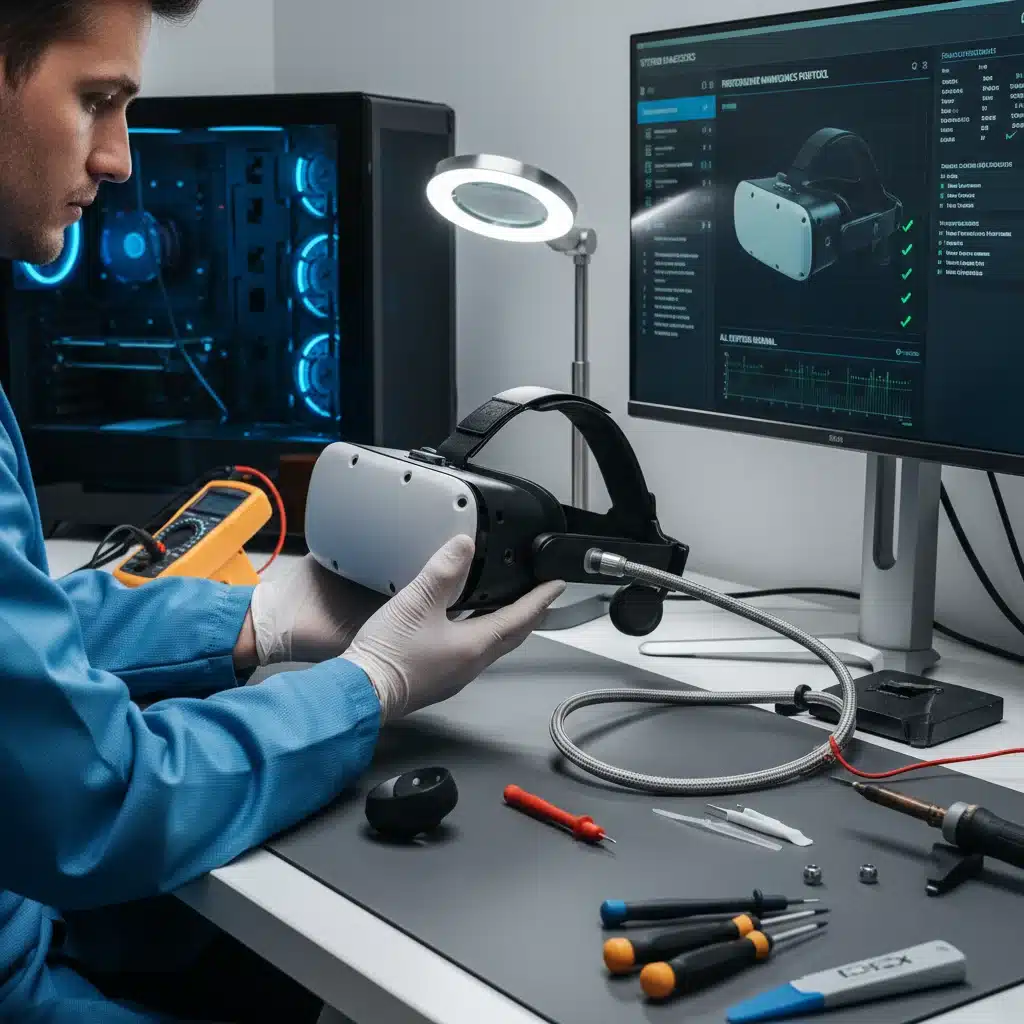
For businesses, a systematic approach to software and firmware updates is essential:
- Centralized Management: If possible, utilize device management tools provided by VR platform manufacturers to monitor and push updates across multiple devices simultaneously.
- Scheduled Updates: Schedule updates during off-peak hours to minimize disruption to operations. Communicate update schedules to users to manage expectations.
- Testing (if applicable): For critical business applications, consider testing new updates on a small batch of devices before a full rollout to ensure compatibility and prevent unforeseen issues.
- Documentation: Keep a record of current software/firmware versions on all devices. This helps in troubleshooting and ensures consistency across your VR fleet.
Neglecting software and firmware updates is akin to driving a car without regular oil changes – it might run for a while, but its performance will degrade, and it’s far more likely to break down prematurely. By prioritizing proactive software management as a key component of your VR hardware maintenance strategy, businesses can significantly enhance the longevity and efficiency of their VR investments, realizing substantial savings over time.
Strategy 3: Optimize Storage, Handling, and Environmental Conditions for Extended VR Hardware Lifespan
The physical environment and how VR hardware is stored and handled outside of active use are paramount to its long-term health. Improper storage, rough handling, or exposure to adverse conditions can drastically shorten the lifespan of even the most robust VR equipment. This third strategy for effective VR hardware maintenance focuses on creating an optimal physical ecosystem for your devices.
The Impact of Environment and Handling
VR headsets and controllers are sophisticated pieces of electronics, often containing delicate optics, sensitive sensors, and intricate mechanical parts. They are not designed to withstand extreme temperatures, high humidity, direct sunlight, or repeated impacts. Each of these factors can contribute to accelerated wear, component failure, and diminished performance, directly undermining your VR hardware maintenance efforts.
Best Practices for Storage and Handling
- Controlled Environment:
- Temperature: Store VR hardware in a cool, dry place. Extreme heat can damage batteries, internal components, and adhesive bonds. Extreme cold can make plastics brittle and affect LCD/OLED displays. Follow manufacturer recommendations for operating and storage temperatures, typically between 50°F and 85°F (10°C and 30°C).
- Humidity: High humidity can lead to condensation and corrosion of internal electronics. Low humidity can increase static electricity, which can also be harmful. Aim for moderate humidity levels, ideally between 40% and 60%.
- Direct Sunlight: Never expose VR headset lenses to direct sunlight. The lenses act like magnifiers, focusing sunlight onto the internal displays, which can cause permanent burn-in damage in a matter of seconds. Always store headsets with the lenses covered or facing away from windows.
- Secure Storage Solutions:
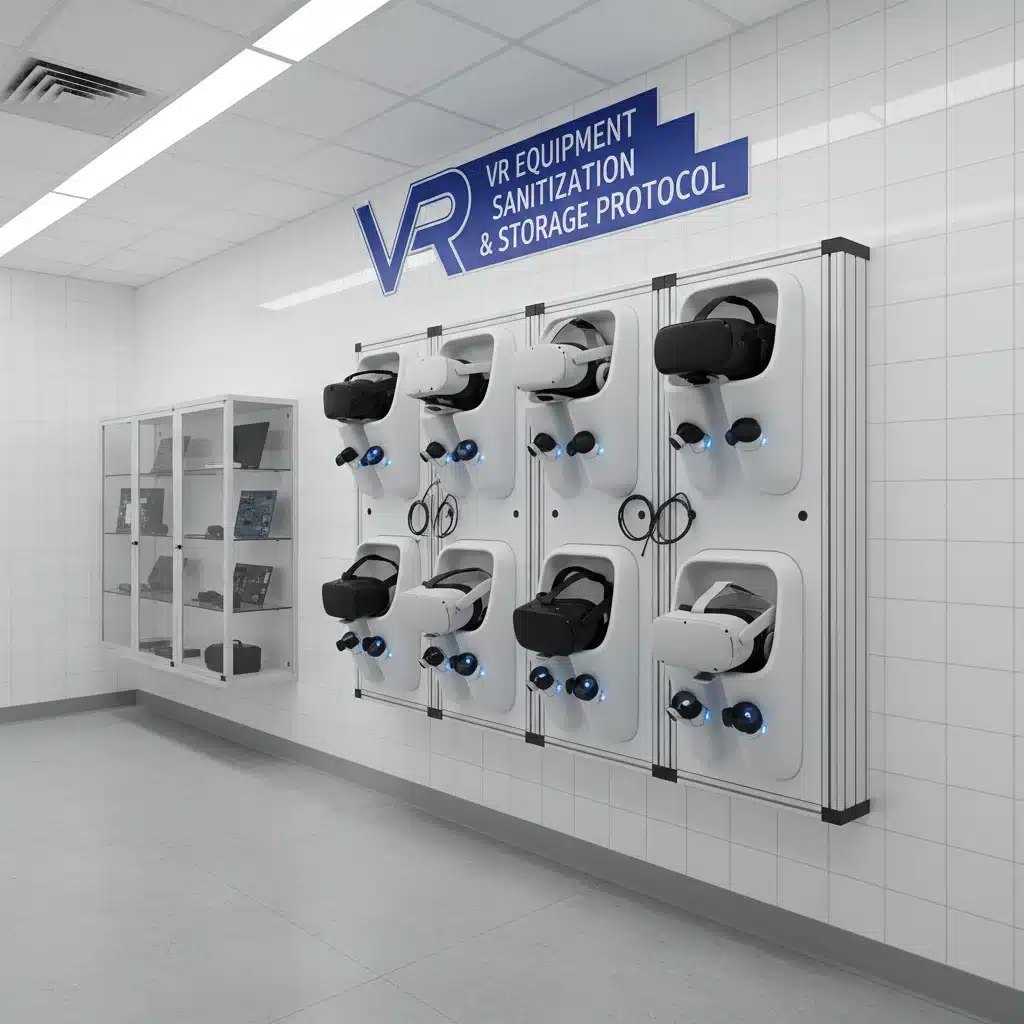
- Dedicated Storage: Invest in dedicated storage solutions such as padded cases, wall mounts, or charging stations. These not only protect devices from accidental drops and impacts but also keep them organized and easily accessible.
- Dust Protection: Use dust covers for headsets when not in use, especially in environments prone to dust. Dust can infiltrate ventilation ports and obscure sensors.
- Cable Management: Untangled and properly stored cables prevent fraying and damage to connectors. Avoid tightly coiling cables, which can stress internal wires.
- Proper Handling Protocols:
- Gentle Use: Train users on the importance of gentle handling. Avoid dropping headsets or controllers, and instruct them to remove and put on headsets carefully.
- Authorized Personnel: Limit handling and maintenance tasks to trained personnel to ensure consistent and correct procedures are followed.
- Transportation: When transporting VR equipment, always use protective cases to prevent damage from bumps and vibrations.
The Long-Term Impact on Investment
By meticulously controlling the storage environment and enforcing strict handling protocols, businesses can dramatically extend the operational life of their VR hardware. This proactive approach to VR hardware maintenance directly reduces the need for premature replacements, translating into significant cost savings. The initial investment in proper storage solutions and user training is minimal compared to the cost of replacing multiple high-value VR units. Adhering to these guidelines is a strategic move that protects your assets and ensures your VR ecosystem remains a reliable and impactful tool for years to come.
Integrating a Holisitc VR Hardware Maintenance Plan into Business Operations
Successfully implementing these three strategies requires more than just knowing what to do; it demands a holistic approach to VR hardware maintenance that is integrated into the very fabric of your business operations. A comprehensive plan ensures consistency, accountability, and ultimately, the realization of those projected 15% annual savings on replacement costs.
Key Components of a Holistic Plan:
- Dedicated Maintenance Team/Personnel: Assign specific individuals or a team responsible for overseeing VR hardware maintenance. This includes scheduling cleanings, monitoring updates, managing inventory, and troubleshooting minor issues. Having dedicated personnel ensures that maintenance tasks are not overlooked amidst daily operational pressures.
- Standard Operating Procedures (SOPs): Develop clear, concise SOPs for every aspect of VR hardware care. These documents should detail cleaning protocols, update schedules, storage guidelines, and troubleshooting steps. SOPs ensure consistency, regardless of who is performing the task, and serve as valuable training resources.
- User Training and Awareness: Educate all VR users on their role in maintaining the equipment. Simple actions like wiping down a headset after use, carefully placing it back in its storage, and reporting issues promptly can significantly contribute to longevity. Foster a culture of responsibility and care for shared assets.
- Inventory Management and Tracking: Implement a system to track each VR unit. Record purchase dates, serial numbers, maintenance history, and any reported issues or repairs. This data is invaluable for identifying recurring problems, assessing equipment lifespan, and making informed decisions about future hardware investments.
- Budget Allocation for Maintenance: Allocate a specific budget for VR hardware maintenance supplies (cleaning kits, replacement facial interfaces), software licenses, and potential professional repair services. Viewing maintenance as an investment rather than an expense reinforces its importance.
- Regular Audits and Reviews: Periodically audit your maintenance practices to identify areas for improvement. Are cleaning schedules being adhered to? Are updates being applied promptly? Are storage conditions optimal? Gather feedback from users and maintenance staff to refine your plan.
- Partnerships with Manufacturers/Service Providers: Establish relationships with VR hardware manufacturers or certified third-party service providers. This ensures access to genuine parts, expert repair services, and the latest technical support. For complex issues, professional intervention can often save a device that would otherwise be deemed irreparable.
By weaving these elements into a cohesive strategy, businesses can transform VR hardware maintenance from an afterthought into a strategic operational advantage. This proactive stance not only protects your significant VR investment but also ensures that your VR applications run smoothly, reliably, and efficiently, maximizing their impact on your business objectives.
The Financial and Operational Benefits of Proactive VR Hardware Maintenance
The cumulative effect of implementing rigorous cleaning, proactive software management, and optimized storage/handling practices for VR hardware maintenance extends far beyond mere cost savings. While the 15% annual reduction in replacement costs is a compelling financial incentive for US businesses, the operational benefits are equally, if not more, impactful.
Enhanced ROI and Budget Predictability
Extending the lifespan of your VR hardware directly translates to a higher return on your initial investment. Instead of replacing devices every 1-2 years due to neglect, you might extend their useful life to 3-5 years or even longer. This pushes back large capital expenditures, allowing for more predictable budgeting and freeing up funds for other strategic initiatives or upgrades. Knowing that your existing equipment will last longer provides financial stability and confidence in your VR strategy.
Reduced Downtime and Increased Productivity
Malfunctioning VR equipment leads to downtime. Whether it’s a training session that needs to be rescheduled, a design review that’s delayed, or a customer demo that fails, each instance of downtime costs money and impacts productivity. Effective VR hardware maintenance minimizes these interruptions, ensuring that your VR systems are always ready for use. This maximizes the productivity of your employees and the efficiency of your VR-driven processes.
Improved User Experience and Adoption
A well-maintained VR system offers a superior user experience. Clean lenses, responsive controllers, and stable software contribute to immersive and seamless interactions. Conversely, dirty, glitchy, or unreliable equipment can lead to motion sickness, frustration, and a reluctance to use VR, hindering adoption rates within your organization. A positive user experience is crucial for realizing the full potential of your VR investment.
Data Integrity and Security
Regular software and firmware updates, a cornerstone of VR hardware maintenance, are vital for maintaining data integrity and security. Patches address vulnerabilities that could be exploited, protecting sensitive business data and intellectual property. Secure, well-maintained devices reduce the risk of cyber threats, which is increasingly important in today’s digital landscape.
Sustainability and Corporate Responsibility
By extending the life of electronic devices, businesses reduce their electronic waste footprint. This aligns with growing demands for corporate social responsibility and sustainable practices. Companies that prioritize device longevity not only save money but also enhance their brand image as environmentally conscious entities. This aspect of VR hardware maintenance contributes to a positive public perception and demonstrates a commitment to sustainable operations.
Competitive Advantage
Businesses that effectively manage and maintain their VR hardware gain a competitive edge. They can leverage VR technology more consistently and reliably than competitors who struggle with frequent equipment failures and high replacement costs. This allows them to innovate faster, train more effectively, and engage customers more powerfully, solidifying their position in the market.
Conclusion: Safeguarding Your VR Investment with Strategic Maintenance
The integration of Virtual Reality into business operations represents a significant step forward in technological advancement. However, the true value of this investment can only be realized and sustained through diligent and strategic VR hardware maintenance. The three strategies outlined – rigorous cleaning and sanitization, proactive software and firmware updates, and optimized storage and handling – form a robust framework for preserving your VR assets.
For US businesses, the financial incentive is clear: a potential annual saving of 15% on hardware replacement costs. This is not a trivial sum but a substantial contribution to the bottom line, enabling reallocation of resources to further innovation and growth. Beyond the financial benefits, the operational advantages of extended device lifespan, reduced downtime, enhanced user experience, and improved data security are invaluable.
By adopting a proactive, integrated approach to VR hardware maintenance, businesses can ensure their VR ecosystems remain high-performing, reliable, and future-proof. This commitment to care transforms VR from a mere expenditure into a sustainable, long-term asset that continues to deliver immersive experiences and tangible business value for years to come. Invest in maintenance today, and secure the future of your VR initiatives.