In an increasingly competitive global landscape, businesses are constantly seeking innovative strategies to optimize operations, enhance employee skills, and ultimately, improve their bottom line. Traditional training methods, while foundational, often come with significant logistical challenges and escalating costs. Enter Virtual Reality (VR) – a transformative technology that is rapidly redefining the paradigm of corporate training. The promise of VR isn’t just about novelty; it’s about delivering tangible, measurable results, particularly in reducing training expenditures and boosting return on investment (ROI). This article delves into how three cutting-edge VR applications are poised to help organizations achieve a remarkable 10% reduction in training costs by 2026, making a compelling case for integrating VR into your strategic learning initiatives. We will explore the mechanisms behind this cost-saving potential, analyze the unique features of these leading VR training apps, and provide insights into maximizing your VR training ROI.
The Economic Imperative: Why VR Training is a Game Changer for Cost Reduction
The traditional approach to corporate training often involves substantial expenses. These include travel costs for instructors and trainees, venue rentals, material printing, equipment setup, and the opportunity cost of employees being away from their core duties. For large enterprises with geographically dispersed teams or those requiring specialized, hands-on training, these costs can quickly escalate into millions. The search for more efficient, scalable, and effective training solutions has never been more urgent.
Virtual reality offers a powerful alternative. By simulating real-world environments and scenarios, VR training allows employees to learn, practice, and master skills in a safe, controlled, and repeatable digital space. This drastically cuts down on many of the expenses associated with traditional methods. Consider the following key areas where VR directly impacts cost reduction:
- Reduced Travel and Logistics: VR eliminates the need for trainees and instructors to travel to physical locations, saving on airfares, accommodation, and per diems. This is particularly beneficial for global companies.
- Minimized Equipment and Material Costs: Instead of purchasing and maintaining expensive physical equipment for training, VR allows for virtual representations. This is especially impactful in industries like manufacturing, healthcare, and aviation, where real equipment can be prohibitively costly or dangerous for initial training.
- Enhanced Scalability and Repeatability: Once a VR training module is developed, it can be deployed to an unlimited number of trainees, anywhere in the world, at any time, with minimal additional cost per user. Trainees can repeat modules as many times as needed to achieve proficiency without incurring extra instructor or resource fees.
- Faster Learning Curves and Retention: Immersive VR experiences often lead to faster skill acquisition and better knowledge retention compared to passive learning methods. This means employees become proficient quicker, reducing the overall time spent in training and allowing them to contribute to productivity sooner.
- Safer Training Environments: For high-risk professions, VR provides a safe space to practice hazardous procedures without the risk of injury or damage to equipment. This reduces potential liability costs and equipment repair expenses.
- Standardized Training Quality: VR ensures a consistent training experience for all employees, regardless of location or instructor. This eliminates variations in training quality and ensures everyone receives the same high standard of instruction, leading to more uniform skill sets and fewer errors down the line.
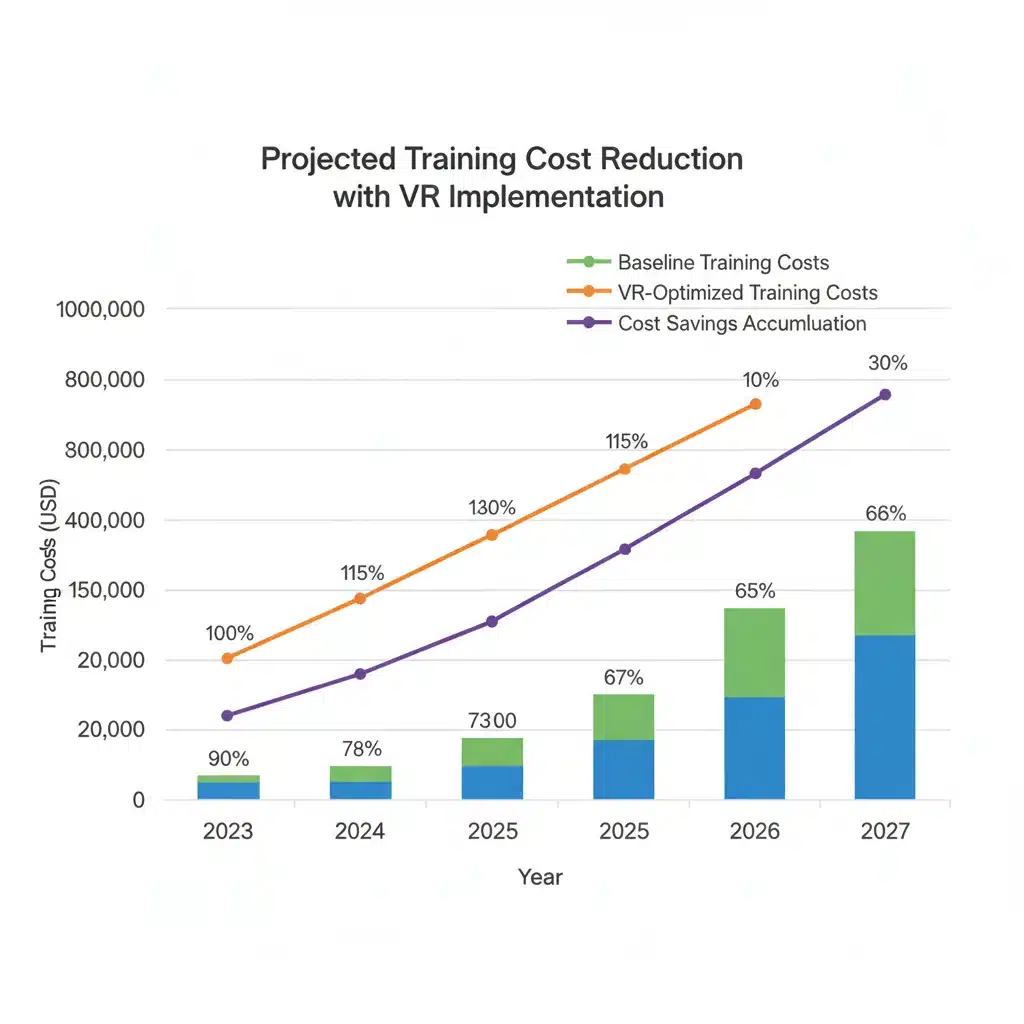
These factors collectively contribute to a compelling economic argument for VR adoption. Analysts predict that the VR training market will continue its explosive growth, with a significant portion of this growth driven by the demonstrable cost savings and improved efficiency it offers. Achieving a 10% reduction in overall training costs by 2026 through strategic VR implementation is not just an ambitious goal; it’s an attainable strategic imperative for forward-thinking organizations.
App Spotlight: Leading VR Solutions Driving Cost Efficiency
To illustrate the practical application of VR in reducing training costs, let’s examine three prominent VR training applications that are making significant strides in various industries. These platforms exemplify the potential for enhanced learning outcomes coupled with substantial financial savings.
1. Strivr: Immersive Learning for Enterprise Scale
Strivr is a leading enterprise VR training platform that has gained significant traction across retail, logistics, manufacturing, and public safety sectors. Their approach focuses on creating highly realistic, scenario-based training modules that immerse employees in critical work situations, allowing them to practice decision-making and operational skills in a low-stakes environment.
Key Features and Cost-Saving Mechanisms:
- Realistic Scenario Simulation: Strivr excels at replicating complex operational environments, from a busy retail floor during peak hours to a hazardous manufacturing plant. This realism means employees gain practical experience without disrupting live operations or using expensive real-world equipment. For example, training a new forklift operator in VR eliminates the risk of damaging inventory or injuring personnel during initial practice, saving on potential repair costs and downtime.
- Soft Skills Training: Beyond technical skills, Strivr also offers modules for critical soft skills like customer service, de-escalation, and leadership. Practicing these interactions in VR provides a safe space for employees to make mistakes and learn from them without negative real-world consequences, improving performance and reducing customer complaints or internal conflicts.
- Performance Analytics: The platform provides robust data analytics on trainee performance, identifying areas of strength and weakness. This allows organizations to tailor subsequent training, focusing resources where they are most needed, thereby optimizing training time and reducing unnecessary expenditures on broad, generic programs.
- Scalable Content Deployment: Strivr’s cloud-based platform allows for easy deployment of training content to thousands of employees across multiple locations. This scalability dramatically reduces the per-user cost of training once the initial content is developed.
- Reduced Onboarding Time: Companies using Strivr have reported significant reductions in employee onboarding time. Faster onboarding means new hires become productive members of the team quicker, reducing the cost associated with extended training periods and increasing overall workforce efficiency.
Example Impact: A major retailer reported a 15% reduction in training time for new managers and a significant improvement in customer satisfaction scores after implementing Strivr for customer service and operational training. The elimination of travel for regional training sessions alone resulted in millions of dollars in annual savings.
2. PIXO VR: Industrial Training and Safety Simulation
PIXO VR specializes in high-fidelity virtual reality training for industrial, construction, and public safety sectors. Their focus is on creating immersive simulations for high-risk, high-consequence tasks, where traditional training can be dangerous, expensive, or impractical. PIXO’s platform is designed to improve safety compliance and operational efficiency, directly impacting cost reduction through risk mitigation and error prevention.
Key Features and Cost-Saving Mechanisms:
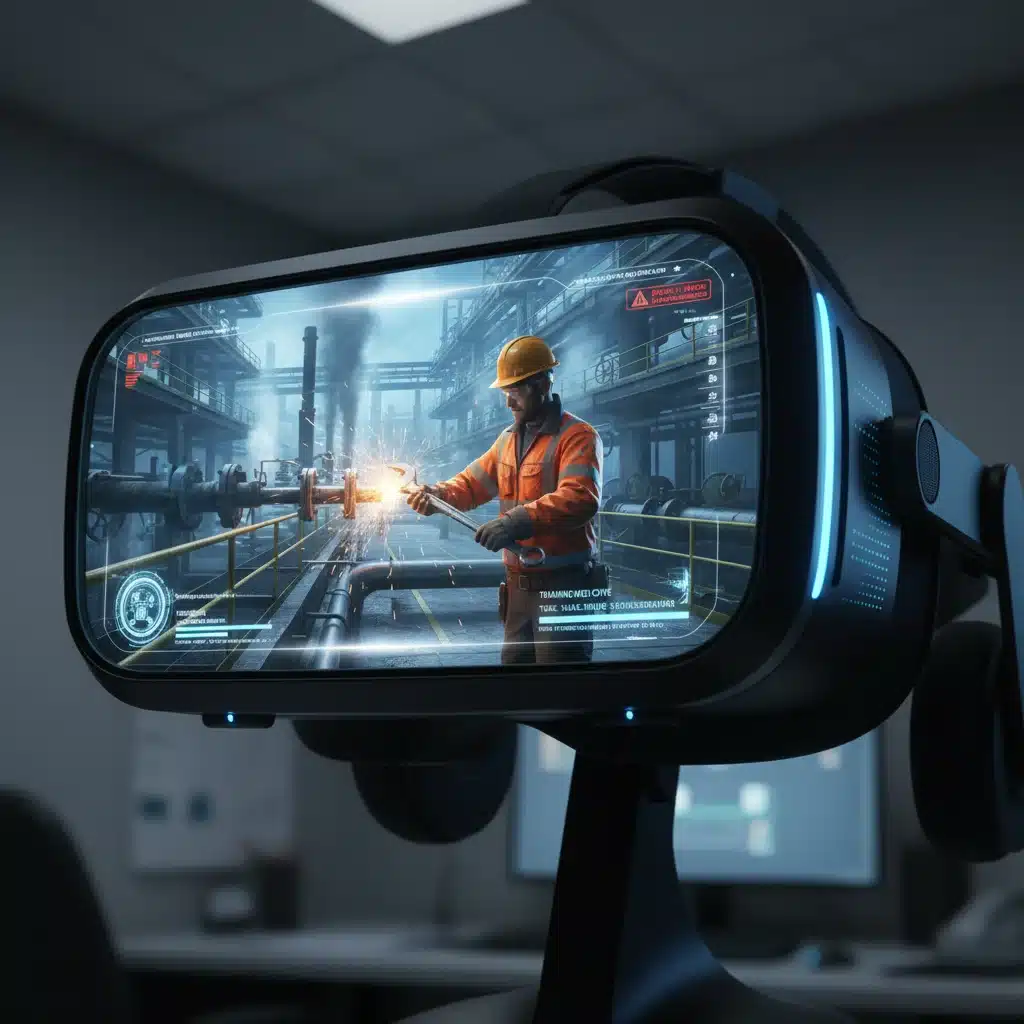
- Hazardous Environment Replication: PIXO VR excels at replicating dangerous work environments, such as confined spaces, elevated work platforms, or sites with hazardous materials. This allows workers to practice safety protocols and emergency procedures without exposure to actual risks, dramatically reducing the potential for accidents, injuries, and associated costs (medical, legal, lost productivity).
- Equipment Operation Training: For complex machinery and heavy equipment, PIXO VR provides realistic simulations that allow operators to learn controls and practice procedures without using actual equipment. This saves on fuel, maintenance, wear and tear on expensive machinery, and the cost of potential damage during training.
- Compliance and Certification: The platform can be used to deliver and track compliance training for various industry regulations. By ensuring employees are consistently up-to-date with safety standards through immersive practice, companies can avoid costly fines and legal repercussions associated with non-compliance.
- Remote Training Capabilities: PIXO VR’s platform supports remote training, enabling organizations to deliver specialized industrial training to employees in remote locations without incurring travel expenses or requiring physical training facilities.
- Standardized Safety Protocols: By providing a consistent and interactive way to teach safety procedures, PIXO VR helps standardize safety knowledge across the workforce, leading to fewer incidents and a safer work environment overall. This proactive approach significantly reduces the reactive costs associated with workplace accidents.
Example Impact: A global energy company implemented PIXO VR for training on complex machinery operation and safety protocols. They reported a 20% decrease in safety incidents during the first year of implementation and a 30% reduction in the cost of equipment-related training due to minimized physical equipment usage.
3. Talespin: Professional Skills and Leadership Development
Talespin focuses on developing the professional skills essential for a modern workforce, particularly in areas like leadership, communication, and empathy. Their platform leverages VR to create emotionally engaging simulations that allow users to practice nuanced interpersonal interactions and receive immediate, personalized feedback. This approach aims to build a more effective and resilient workforce, leading to indirect but significant cost savings.
Key Features and Cost-Saving Mechanisms:
- Empathy and Communication Training: Talespin’s simulations place users in challenging interpersonal scenarios, such as difficult conversations with employees or customers. By experiencing these situations from different perspectives and practicing various communication strategies, trainees develop greater empathy and more effective communication skills. This can reduce employee turnover, improve team cohesion, and enhance customer satisfaction, all of which contribute to cost savings.
- Leadership Development: The platform offers modules designed to hone leadership qualities, including coaching, feedback delivery, and conflict resolution. Effective leadership reduces managerial errors, improves team productivity, and lowers the costs associated with poor management, such as low morale and high attrition rates.
- AI-Powered Feedback: Talespin’s use of AI for real-time feedback and performance analysis is a significant differentiator. This personalized coaching eliminates the need for one-on-one instructor time for basic skill practice, freeing up human trainers for more complex, high-value interactions. This automation significantly reduces instructor costs.
- Replicable and Consistent Learning: Similar to other platforms, Talespin ensures a consistent and high-quality learning experience. This means every employee receives the same standard of leadership and communication training, leading to more predictable and positive outcomes across the organization.
- Reduced Employee Turnover: By equipping employees and managers with better communication and leadership skills, Talespin helps foster a more positive and productive work environment. This can lead to reduced employee turnover, saving companies substantial costs associated with recruitment, onboarding, and training new hires.
Example Impact: A large financial institution utilized Talespin for leadership training and reported a 10% improvement in employee engagement scores and a 5% reduction in voluntary turnover within departments that heavily adopted the VR training. The ability to scale leadership training without increasing the number of expensive executive coaches also yielded considerable savings.
Calculating Your VR Training ROI: A Framework for Success
While the qualitative benefits of VR training are clear, justifying its implementation often requires a robust quantitative analysis of its ROI. To achieve the projected 10% cost reduction by 2026, organizations need a clear framework for measuring and optimizing their VR training ROI.
Key Metrics to Track:
- Direct Cost Savings: Quantify reductions in travel, venue, instructor fees, physical equipment, and materials.
- Training Time Reduction: Measure the decrease in hours/days spent in training per employee.
- Improved Performance Metrics: Track improvements in job performance, error rates, safety incidents, customer satisfaction, and compliance scores post-VR training.
- Employee Retention: Monitor changes in turnover rates, especially in roles where VR training is heavily utilized.
- Equipment Damage/Maintenance Reduction: For industrial training, track the decrease in costs related to equipment damage during training or post-training operational errors.
- Productivity Gains: Assess how quickly employees become productive after VR training compared to traditional methods.
Steps to Maximize VR Training ROI:
- Pilot Program with Clear Objectives: Start with a pilot program focused on a specific training need with measurable outcomes. Define what a 10% cost reduction would look like for that specific area.
- Baseline Data Collection: Before implementing VR, meticulously collect baseline data on current training costs, time, and performance metrics. This is crucial for demonstrating improvement.
- Strategic Content Development: Invest in high-quality, engaging VR content that directly addresses critical skill gaps and high-cost training areas. Generic content will yield generic results.
- Hardware Strategy: Choose VR hardware that balances cost, comfort, and functionality. Consider standalone headsets for ease of deployment and scalability.
- Integration with Learning Management Systems (LMS): Integrate VR training platforms with your existing LMS to streamline tracking, reporting, and learner management.
- Continuous Evaluation and Iteration: Regularly review performance data, gather feedback from trainees, and iterate on your VR training modules to ensure they remain effective and cost-efficient.
- Secure Stakeholder Buy-in: Educate leadership and key stakeholders on the long-term cost benefits and strategic advantages of VR training to ensure continued investment and support.
By systematically tracking these metrics and following a structured implementation plan, organizations can confidently project and achieve significant cost reductions, making a strong business case for the continued expansion of VR in their training ecosystems.
The Future of Training: Beyond Cost Savings
While the 10% cost reduction by 2026 is a significant and achievable benchmark, the benefits of VR training extend far beyond financial savings. The immersive nature of VR fundamentally transforms the learning experience, leading to a more engaged, skilled, and confident workforce. This translates into a myriad of qualitative advantages that indirectly contribute to a stronger bottom line:
- Enhanced Engagement and Motivation: VR training is inherently more engaging and interactive than traditional methods. This increased engagement leads to higher motivation, better attendance, and a more positive attitude towards learning, ultimately resulting in more effective skill transfer.
- Improved Knowledge Retention: Experiential learning in VR creates stronger memory pathways. When trainees actively participate in a simulated environment, they are more likely to remember and apply what they’ve learned compared to passively listening to a lecture or reading a manual.
- Consistency and Standardization: VR ensures every trainee receives the exact same high-quality instruction, eliminating variations that can occur with different human instructors or varying physical conditions. This consistency leads to a more uniformly skilled workforce.
- Access to Otherwise Inaccessible Training: VR can simulate scenarios that would be too dangerous, expensive, or rare to train for in the real world (e.g., emergency response in a nuclear power plant, complex surgical procedures, or rare customer service scenarios).
- Reduced Environmental Impact: By minimizing travel and physical materials, VR training also contributes to a company’s sustainability goals, aligning with corporate social responsibility initiatives.
- Attraction and Retention of Talent: Offering cutting-edge VR training can be a significant draw for potential employees, particularly younger generations who are accustomed to technology-driven experiences. It also signals that a company is forward-thinking and invests in its employees’ development.
These qualitative benefits, while harder to quantify in direct monetary terms, contribute significantly to a company’s overall health and competitive advantage. A highly skilled, engaged, and confident workforce is more productive, innovative, and resilient, which ultimately drives long-term growth and profitability.
Challenges and Considerations for VR Implementation
Despite its immense potential, implementing VR training is not without its challenges. Organizations must consider several factors to ensure a successful deployment and maximize their VR training ROI:
- Initial Investment: The upfront cost of VR hardware (headsets, controllers) and software development can be substantial. However, this cost needs to be weighed against the long-term savings and benefits.
- Content Development: Creating high-quality, effective VR training content requires specialized skills and expertise. Companies may need to hire external agencies or build internal capabilities.
- Technical Infrastructure: Ensuring adequate network infrastructure, storage, and device management capabilities is crucial for seamless VR deployment, especially at scale.
- User Adoption: Some employees may be resistant to new technology or experience motion sickness. Proper onboarding, comfortable hardware, and engaging content can mitigate these issues.
- Integration with Existing Systems: Integrating VR platforms with existing HR systems, LMS, and performance management tools can be complex but is essential for a holistic training ecosystem.
- Maintenance and Updates: VR hardware and software require ongoing maintenance, updates, and troubleshooting.
Addressing these challenges proactively through careful planning, strategic partnerships, and a phased implementation approach is key to unlocking the full potential of VR training and realizing significant cost reductions.
Conclusion: Embracing VR for a Smarter, More Cost-Effective Future
The evidence is compelling: Virtual Reality training is no longer a futuristic concept but a pragmatic, powerful tool for modern enterprises. The ability of platforms like Strivr, PIXO VR, and Talespin to deliver immersive, scalable, and effective training solutions directly translates into significant cost reductions and enhanced ROI. By strategically adopting VR, businesses can confidently aim for and achieve a 10% reduction in training costs by 2026, gaining a substantial competitive edge.
This isn’t just about cutting expenses; it’s about investing in a smarter, more engaging, and ultimately more effective way to develop your workforce. The future of corporate training is immersive, data-driven, and highly efficient. Organizations that embrace VR now will not only reap the financial rewards but also foster a culture of innovation, continuous learning, and unparalleled employee development, positioning themselves for sustained success in the years to come. The time to invest in your VR training ROI is now.