VR in Supply Chain: Achieving 12% Efficiency by 2026
The Latest in VR for Supply Chain Management: Achieving a 12% Efficiency Gain by Late 2026
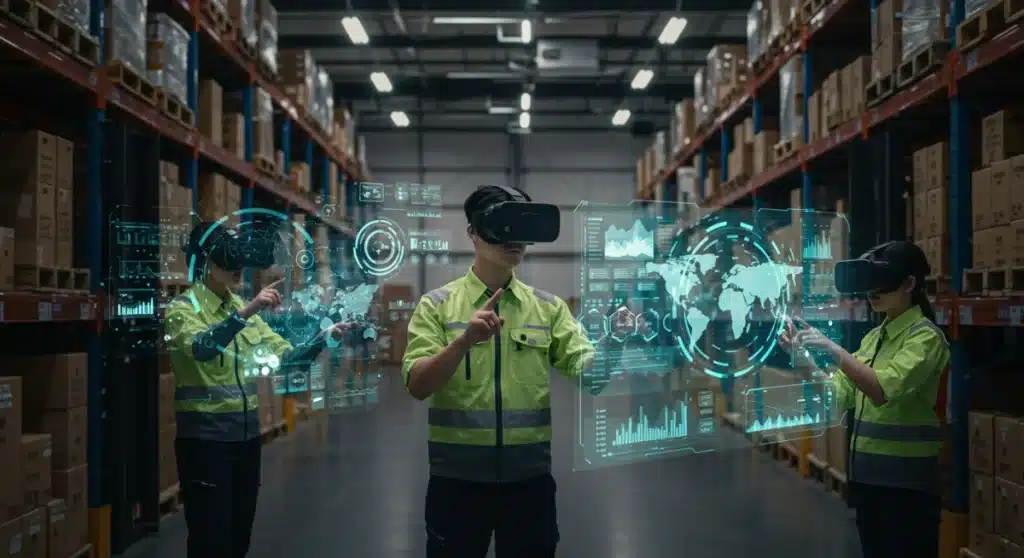
The global supply chain is a complex, ever-evolving beast, constantly challenged by disruptions, demand fluctuations, and the relentless pursuit of greater efficiency. In this dynamic landscape, emerging technologies are not just buzzwords but essential tools for survival and growth. Among these, Virtual Reality (VR) stands out as a transformative force, poised to redefine how we manage, optimize, and innovate within the supply chain. The promise is significant: a projected 12% efficiency gain across various facets of supply chain management by late 2026, driven by the strategic integration of VR technology.
For decades, supply chain operations have relied on traditional methods, often characterized by manual processes, physical prototypes, and on-site training. While these methods have served their purpose, they are inherently limited in scalability, cost-effectiveness, and adaptability. VR, with its ability to create immersive, interactive, and realistic simulations, offers a compelling alternative, addressing many of these long-standing challenges. The adoption of VR in supply chain efficiency is no longer a distant dream but a rapidly approaching reality, with early adopters already reporting promising results.
This article will delve deep into the multifaceted applications of VR in supply chain management, exploring how this technology is not only improving current operations but also paving the way for unprecedented levels of optimization. From enhancing workforce training and streamlining logistics to revolutionizing warehouse management and product design, VR is proving to be an indispensable asset. We will examine the core mechanisms through which VR contributes to a projected 12% efficiency gain, highlighting real-world examples and future trends that will shape the industry by late 2026 and beyond.
VR’s Transformative Role in Supply Chain Training
One of the most immediate and impactful applications of VR in supply chain management is in workforce training. Traditional training methods, often involving classroom lectures, on-the-job shadowing, and physical mock-ups, can be time-consuming, expensive, and sometimes even hazardous. VR offers a revolutionary alternative, providing a safe, controlled, and highly effective environment for employees to learn and practice critical skills. This focus on VR supply chain efficiency in training is a cornerstone of the projected gains.
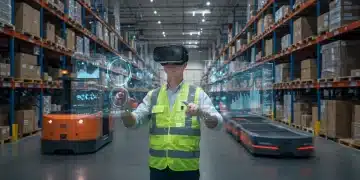
Imagine a new warehouse employee learning to operate a forklift in a virtual environment, without the risk of damaging equipment or injuring themselves. Or a logistics manager practicing complex route optimization scenarios, experimenting with different variables without impacting real-world operations. VR simulations can replicate virtually any real-world scenario, from navigating a bustling distribution center to troubleshooting a complex machine, offering an unparalleled level of experiential learning.
The benefits of VR-based training are manifold. Firstly, it significantly reduces training costs by eliminating the need for physical equipment, travel expenses, and dedicated training facilities. Secondly, it accelerates the learning curve, as trainees can repeat scenarios as many times as needed, gaining mastery at their own pace. This personalized approach leads to better retention and faster skill acquisition. Thirdly, VR training enhances safety by allowing employees to practice dangerous tasks in a risk-free environment, minimizing accidents and injuries in the actual workplace. This direct impact on operational safety contributes substantially to overall VR supply chain efficiency.
Furthermore, VR training can be standardized across multiple locations, ensuring consistency in skill development regardless of geographical boundaries. This is particularly crucial for large, multinational supply chain organizations. By late 2026, we anticipate that VR will be the standard for many supply chain training programs, leading to a more skilled, efficient, and safer workforce, directly contributing to the 12% efficiency target.
Optimizing Logistics and Operations with VR
Beyond training, VR is making significant inroads into optimizing the actual logistics and operational aspects of the supply chain. From warehouse layout design to inventory management and route planning, VR offers powerful visualization and simulation capabilities that were previously unattainable. The pursuit of VR supply chain efficiency extends deeply into these critical operational areas.
Warehouse Design and Layout Optimization
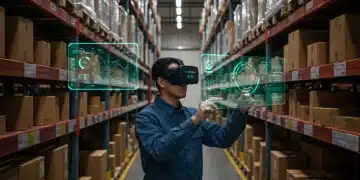
Designing an efficient warehouse layout is a critical factor in supply chain performance. Traditionally, this involves blueprints, 2D drawings, and often costly physical prototypes. VR allows engineers and planners to walk through a virtual warehouse, experimenting with different layouts, shelving configurations, and equipment placements before any physical construction begins. This immersive experience enables them to identify bottlenecks, optimize workflow, and ensure maximum space utilization, all in a cost-effective and risk-free virtual environment. Imagine being able to see how a new automated picking system integrates with existing infrastructure, or how a revised aisle configuration impacts forklift traffic flow, all before breaking ground. This proactive optimization is a key driver for improved VR supply chain efficiency.
Inventory Management and Visualization
Effective inventory management is the backbone of a lean supply chain. VR can provide powerful visualizations of inventory levels, locations, and movement patterns. Through augmented reality (AR) overlays in warehouses (often a hybrid approach with VR principles), workers can instantly access information about specific items, their optimal storage locations, and even their journey through the supply chain. In a purely VR context, managers can simulate different inventory strategies, such as just-in-time (JIT) or safety stock adjustments, to understand their impact on storage costs and stock-out risks. This predictive capability, driven by VR, is crucial for maintaining high VR supply chain efficiency.
Route Planning and Simulation
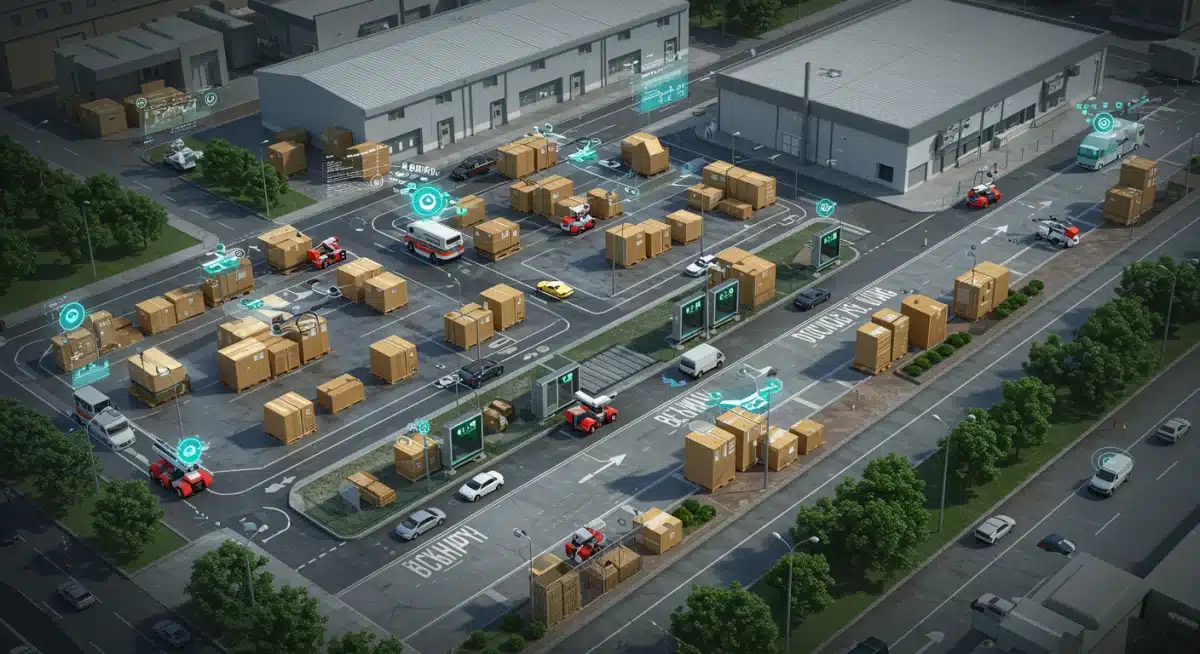
For logistics and transportation, VR offers innovative solutions for route planning and optimization. While traditional software provides sophisticated algorithms, VR can bring these plans to life. Logistics managers can virtually ‘drive’ through proposed routes, identifying potential obstacles, traffic hotspots, and delivery challenges that might not be apparent on a 2D map. This allows for more informed decision-making and the creation of highly optimized routes, leading to reduced fuel consumption, faster delivery times, and lower operational costs. The ability to simulate various scenarios, from adverse weather conditions to unexpected road closures, further enhances contingency planning and overall VR supply chain efficiency.
Enhancing Product Design and Prototyping with VR
The impact of VR extends upstream into product design and prototyping, influencing the very genesis of goods that flow through the supply chain. By integrating VR into the design process, companies can significantly reduce development cycles, minimize errors, and bring products to market faster and more efficiently. This upstream impact directly contributes to overall VR supply chain efficiency.
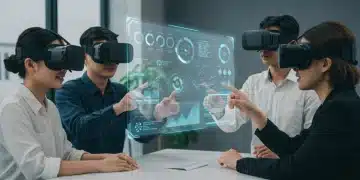
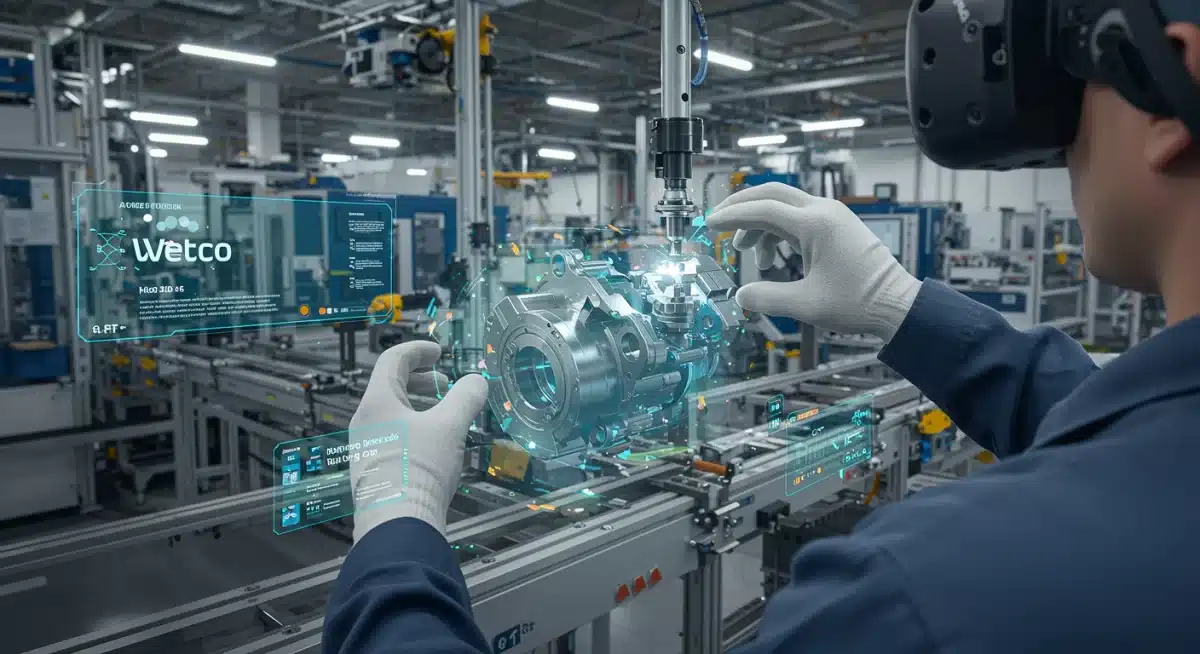
Traditionally, product design involves creating physical prototypes, which can be expensive and time-consuming, requiring multiple iterations of manufacturing and testing. VR eliminates these constraints by allowing designers and engineers to create and interact with virtual prototypes in a highly realistic 3D environment. Stakeholders from various departments – design, engineering, marketing, and even potential customers – can collaboratively review and refine product designs in a shared virtual space, regardless of their physical location.
This collaborative environment fosters instantaneous feedback and allows for rapid design iterations. Imagine a team reviewing the ergonomics of a new packaging design, the assembly process of a complex electronic device, or the aesthetic appeal of a consumer product, all within a VR simulation. Changes can be implemented and visualized in real-time, drastically cutting down the time and cost associated with physical prototyping. This agile approach to product development means that products entering the supply chain are already optimized for manufacturing, assembly, and distribution, leading to fewer defects, less waste, and ultimately, a more streamlined and efficient supply chain. The synergy between design optimization and supply chain readiness is a powerful driver for achieving the 12% VR supply chain efficiency target by late 2026.
The Role of Data and Analytics in VR Supply Chain Implementations
The true power of VR in supply chain management is unleashed when it is integrated with robust data analytics. VR platforms can collect vast amounts of data from simulations and interactions, providing invaluable insights into operational performance, training effectiveness, and design flaws. This data-driven approach is critical for continuously improving VR supply chain efficiency.
For instance, data from VR training simulations can highlight common errors made by trainees, allowing for targeted adjustments to the training modules. In warehouse simulations, tracking virtual forklift movements can reveal inefficient routes or congested areas, informing layout changes. In product design, analytics from user interactions with virtual prototypes can provide quantitative feedback on usability and preference. This continuous feedback loop ensures that VR applications are not just tools, but intelligent systems that learn and adapt, driving ongoing improvements.
Furthermore, VR can serve as a powerful visualization tool for complex supply chain data. Instead of sifting through spreadsheets and dashboards, managers can immerse themselves in a 3D representation of their entire supply chain, visualizing real-time data on inventory levels, shipment statuses, and potential disruptions. This intuitive and immersive data visualization can lead to faster, more informed decision-making, enabling proactive responses to challenges and opportunities. By late 2026, the integration of VR with AI and big data analytics will create predictive and prescriptive supply chain models, further amplifying VR supply chain efficiency.
Challenges and Considerations for VR Adoption
While the potential of VR in supply chain management is immense, its widespread adoption is not without challenges. Addressing these considerations is crucial for realizing the projected 12% VR supply chain efficiency gain.
Initial Investment and ROI
The upfront cost of VR hardware (headsets, powerful PCs) and software development can be substantial. Companies need to carefully evaluate the return on investment (ROI) and build a strong business case for VR implementation. However, as the technology matures and becomes more accessible, these costs are expected to decrease, making VR a more economically viable option for a broader range of businesses. The long-term savings in training, reduced errors, and optimized operations often far outweigh the initial investment.
Technical Expertise and Integration
Implementing VR solutions requires specialized technical expertise, from content creation to system integration with existing supply chain management (SCM) platforms. Companies may need to invest in training their IT teams or partnering with external VR development firms. Seamless integration with enterprise resource planning (ERP) systems, warehouse management systems (WMS), and transportation management systems (TMS) is essential for VR to deliver its full potential in enhancing VR supply chain efficiency.
User Acceptance and Ergonomics
While VR technology has advanced significantly, issues like motion sickness, discomfort from prolonged use of headsets, and the learning curve for new interfaces can impact user acceptance. Designing intuitive, comfortable, and engaging VR experiences is critical for successful adoption. Furthermore, ensuring that VR applications are accessible and beneficial to a diverse workforce is paramount.
Data Security and Privacy
As VR systems collect and process sensitive operational and employee data, robust data security and privacy protocols are essential. Companies must ensure compliance with relevant regulations and protect against cyber threats. Building trust in VR systems is fundamental for their widespread acceptance and contribution to VR supply chain efficiency.
The Future Landscape: Beyond 2026
The journey of VR in supply chain management is just beginning. As we look beyond 2026, the integration of VR with other cutting-edge technologies will unlock even greater levels of efficiency and innovation. The synergistic impact on VR supply chain efficiency will be profound.
VR and Artificial Intelligence (AI)
The combination of VR and AI holds immense promise. AI can power more intelligent and adaptive VR simulations, capable of responding dynamically to user actions and providing personalized feedback. AI algorithms can also analyze data from VR experiences to identify patterns, predict outcomes, and suggest optimizations that human analysts might miss. Imagine AI-driven VR training that adapts difficulty based on a trainee’s performance, or AI-powered virtual warehouses that automatically reconfigure themselves based on demand forecasts.
VR and Digital Twins
Digital twins – virtual replicas of physical assets, processes, or systems – are already transforming various industries. When combined with VR, digital twins become incredibly powerful. Supply chain managers can immerse themselves in a real-time, interactive digital twin of their entire supply chain, monitoring operations, simulating changes, and predicting the impact of disruptions with unprecedented accuracy. This level of real-time, immersive oversight will be a game-changer for VR supply chain efficiency.
Haptic Feedback and Enhanced Immersion
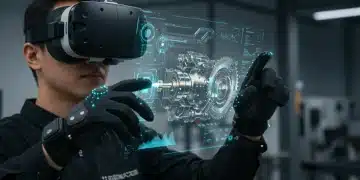
Advancements in haptic feedback technology will make VR experiences even more realistic and tactile. Imagine feeling the weight of a virtual package, the vibration of a machine, or the texture of a product. This enhanced immersion will further improve the effectiveness of VR training and product design, allowing for a deeper understanding and interaction with virtual environments and objects. Such innovations will solidify the role of VR in achieving and surpassing the 12% VR supply chain efficiency target.
Edge Computing and 5G Connectivity
The increasing availability of high-speed 5G networks and edge computing will enable more complex and responsive VR applications in the supply chain. This will allow for real-time data processing and rendering of highly detailed virtual environments, even in remote warehouse locations or during transit, without relying solely on centralized cloud infrastructure. The reduced latency and increased bandwidth will be crucial for seamless VR experiences, further boosting VR supply chain efficiency.
Conclusion: A New Era of VR Supply Chain Efficiency
The convergence of technological advancements and the pressing need for optimized operations is positioning Virtual Reality as a pivotal technology for the future of supply chain management. The projected 12% efficiency gain by late 2026 is not merely an optimistic forecast but an achievable target, underpinned by VR’s demonstrable capabilities in training, logistics, design, and data visualization.
Companies that embrace VR now will not only gain a significant competitive advantage but will also build a more resilient, adaptable, and intelligent supply chain ready to navigate the complexities of the 21st century. The journey towards a fully VR-integrated supply chain requires strategic planning, investment in talent and technology, and a willingness to innovate. However, the rewards – in terms of cost savings, productivity improvements, enhanced safety, and accelerated innovation – are immense.
As the technology continues to mature, becoming more accessible and sophisticated, VR will transition from a niche solution to an indispensable component of modern supply chain operations. The future of VR supply chain efficiency is bright, promising a landscape where virtual simulations and real-world operations intertwine to create unprecedented levels of performance and adaptability. The time to explore and invest in VR for your supply chain is now, to ensure you are at the forefront of this transformative wave and well on your way to achieving significant efficiency gains.