
In the rapidly evolving landscape of technological innovation, Augmented Reality (AR) stands out as a transformative force, especially within the realms of design and prototyping. For US businesses looking to maintain a competitive edge and drive innovation, integrating AR Design Prototyping into their core development processes is no longer a futuristic fantasy but a strategic imperative. By 2026, companies that have successfully adopted AR will likely see significant improvements in efficiency, collaboration, and product quality. This comprehensive guide outlines a step-by-step strategy for US businesses to leverage AR for design and prototyping, ensuring a robust and future-proof approach.
The Dawn of AR in Design and Prototyping
The traditional design and prototyping workflow often involves multiple iterations of physical models, extensive 2D drawings, and complex software simulations. While effective, these methods can be time-consuming, costly, and sometimes limit the designer’s ability to truly visualize the product in its intended environment. Augmented Reality changes this paradigm entirely. By overlaying digital information onto the real world, AR allows designers to interact with 3D models in a spatial context, bringing concepts to life with unprecedented realism and immediacy. This capability is not just about making things look cool; it’s about fundamentally altering how products are conceived, developed, and refined.
For US businesses, the adoption of AR Design Prototyping offers a multitude of benefits. It accelerates the design cycle by enabling faster iterations and reducing the need for physical prototypes. It fosters enhanced collaboration among geographically dispersed teams, allowing them to review and modify designs in a shared virtual space. Furthermore, AR provides a more intuitive way for stakeholders, including clients and end-users, to experience and provide feedback on designs, leading to products that are more aligned with market needs and customer expectations. The strategic integration of AR is poised to become a cornerstone of innovation for forward-thinking companies.
Understanding the Landscape: Why AR Now?
The timing for widespread AR adoption in design and prototyping is ripe. Advances in hardware, such as more powerful and affordable AR headsets and mobile devices, along with sophisticated software development kits (SDKs) and cloud computing, have made AR solutions more accessible and practical than ever before. The COVID-19 pandemic also accelerated the need for remote collaboration tools, pushing AR to the forefront as a viable solution for distributed teams. US businesses, known for their embrace of cutting-edge technology, are uniquely positioned to capitalize on these trends. Investing in AR Design Prototyping now means securing a competitive advantage in a market that will increasingly demand innovative and efficient product development.
Phase 1: Strategic Planning and Assessment (2024)
The journey to successful AR integration begins with meticulous planning. Rushing into technology adoption without a clear strategy can lead to wasted resources and suboptimal outcomes. This initial phase focuses on understanding your organization’s specific needs, evaluating available AR technologies, and building a foundational roadmap.
1. Define Business Objectives and Use Cases
Before investing in any AR technology, identify what you aim to achieve. Are you looking to reduce prototyping costs, accelerate time-to-market, improve design accuracy, or enhance customer engagement? Specific objectives will guide your technology choices and implementation strategy. Brainstorm potential AR Design Prototyping use cases relevant to your industry. For example:
- Product Design: Visualizing new products in real-world environments before manufacturing.
- Architecture and Construction: Overlaying BIM models onto construction sites for progress monitoring and clash detection.
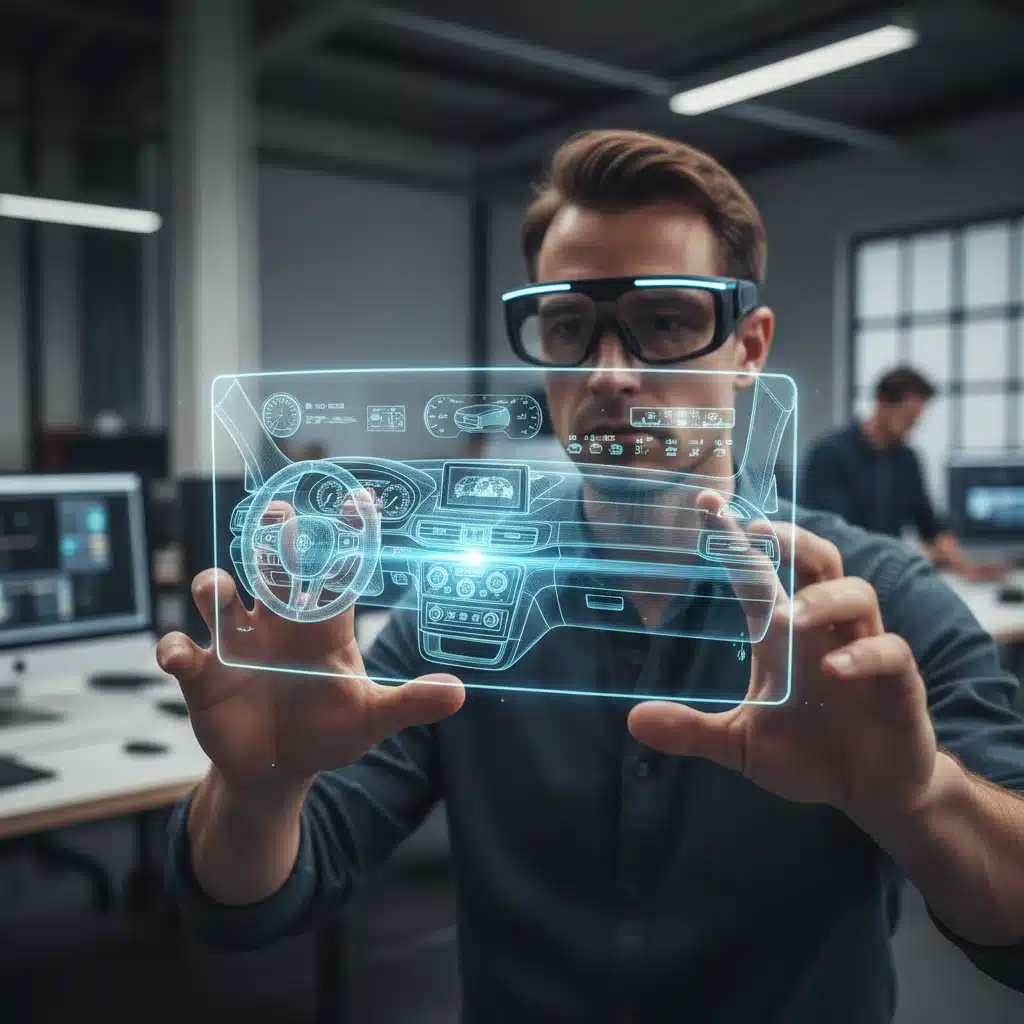
- Automotive: Designing interior and exterior components, conducting virtual ergonomic studies.
- Healthcare: Prototyping medical devices, simulating surgical procedures.
- Retail: Allowing customers to virtually try on clothes or place furniture in their homes.
Prioritize use cases based on their potential impact and feasibility. Start with a pilot project that has a high chance of success to build internal confidence and demonstrate value.
2. Conduct a Technology Landscape Analysis
The AR market is diverse, with various hardware (headsets, smart glasses, mobile devices) and software platforms (Unity, Unreal Engine, ARKit, ARCore, specialized AR design tools). Research and evaluate these options based on your defined use cases, budget, scalability requirements, and existing IT infrastructure. Consider factors such as:
- Hardware: Standalone vs. tethered headsets, mobile AR capabilities.
- Software: Ease of integration with current CAD/CAM systems, 3D modeling tools, and data management platforms.
- Developer Ecosystem: Availability of skilled developers and community support.
- Security and Data Privacy: Ensuring compliance with industry standards and regulations.
Engage with industry experts and consultants to gain insights and avoid common pitfalls. This analysis will form the basis for your technology stack for AR Design Prototyping.
3. Budget Allocation and ROI Projections
Develop a detailed budget that accounts for hardware, software licenses, development costs, training, and ongoing maintenance. Crucially, project the return on investment (ROI) by quantifying the expected benefits, such as cost savings from reduced physical prototypes, faster design cycles, improved product quality, and increased sales. A clear ROI projection will be vital for securing executive buy-in and justifying the investment. Consider both short-term gains from pilot projects and long-term strategic advantages.
Phase 2: Pilot Program and Infrastructure Development (2025)
With a solid strategy in place, the next phase involves implementing a pilot program to test your chosen AR solutions and building the necessary infrastructure to support widespread adoption.
1. Assemble a Dedicated AR Team
Form a cross-functional team comprising designers, engineers, IT specialists, project managers, and potentially external AR developers or consultants. This team will be responsible for leading the pilot program, developing initial AR prototypes, and championing the technology within the organization. Provide comprehensive training to ensure the team is proficient in using the selected AR hardware and software. Emphasize continuous learning as AR technology evolves rapidly.
2. Develop and Implement a Pilot AR Project
Select a low-risk, high-impact project for your pilot. This could be a specific product component, a small architectural model, or a particular manufacturing process. The goal is to demonstrate the practical application and benefits of AR Design Prototyping within your specific context. Work closely with the design and engineering teams to integrate AR into their existing workflows. Document the process, collect feedback, and measure key performance indicators (KPIs) against your initial objectives. This iterative approach allows for adjustments and refinements before a broader rollout.
3. Establish Data Management and Integration Protocols
AR solutions rely heavily on 3D data. Ensure that your existing CAD models and other design assets are compatible with your chosen AR platforms. This may involve optimizing 3D models for real-time AR rendering, establishing efficient data pipelines, and integrating AR tools with your Product Lifecycle Management (PLM) or Enterprise Resource Planning (ERP) systems. Robust data management is crucial for seamless collaboration and accurate visualization. Develop protocols for data security, version control, and accessibility across the organization.
4. Network and Connectivity Enhancement
AR applications, especially those involving complex 3D models and real-time collaboration, require significant bandwidth and low latency. Assess your current network infrastructure and make necessary upgrades to support AR deployments. This might include enhancing Wi-Fi capabilities, investing in 5G connectivity for mobile AR, or leveraging edge computing solutions to reduce processing delays. A reliable network is fundamental to a smooth AR Design Prototyping experience.
Phase 3: Scaled Deployment and Cultural Integration (2026)
By 2026, the goal is to move beyond pilot projects and fully integrate AR into your design and prototyping culture, making it a standard practice across relevant departments.
1. Expand AR Adoption Across Departments
Based on the successes and lessons learned from the pilot program, begin to scale AR adoption to other design and engineering teams. Develop a phased rollout plan, prioritizing departments or projects where AR can deliver the most significant impact. Provide ongoing training and support to new users, addressing any challenges or resistance to change. Celebrate early successes to build momentum and demonstrate the value of AR Design Prototyping.
2. Foster a Culture of Innovation and Experimentation
Encourage employees to explore new ways to use AR in their daily tasks. Create internal challenges or hackathons focused on AR innovation. Establish a feedback loop where users can share their experiences, suggest improvements, and contribute to the evolution of your AR strategy. A culture that embraces experimentation will unlock the full potential of AR, leading to unforeseen applications and competitive advantages.
3. Continuous Improvement and Technology Updates
The AR landscape is constantly evolving. Stay abreast of new hardware releases, software updates, and emerging AR capabilities. Regularly evaluate your AR strategy and make adjustments as needed. Invest in continuous training for your AR team to keep their skills sharp. Consider integrating advanced AR features such as haptic feedback, spatial computing, and AI-powered design assistance to further enhance your AR Design Prototyping capabilities. This commitment to continuous improvement ensures your AR investment remains cutting-edge and delivers sustained value.

Benefits of Implementing AR in Design and Prototyping
The strategic implementation of AR in design and prototyping yields a multitude of tangible and intangible benefits for US businesses:
Enhanced Visualization and Understanding
AR allows designers and stakeholders to experience 3D models in a real-world context, providing a far more intuitive understanding of scale, proportion, and spatial relationships than traditional 2D drawings or screen-based 3D models. This reduces misinterpretations and accelerates decision-making, as everyone involved can literally see the product come to life before their eyes. Imagine an architect walking through a virtual building on an actual construction site, or a product designer seeing a new engine component integrated into a physical vehicle. The clarity offered by AR Design Prototyping is unparalleled.
Accelerated Iteration Cycles
One of the most significant advantages of AR is its ability to speed up the design iteration process. Designers can make real-time modifications to virtual prototypes and instantly see the impact of those changes. This drastically reduces the time and cost associated with creating multiple physical prototypes, which can be expensive and time-consuming to produce. Faster iterations mean quicker feedback loops, leading to more refined designs in less time and ultimately a faster time-to-market for new products.
Cost Reduction
By minimizing the need for physical prototypes, AR directly contributes to substantial cost savings. Material costs, manufacturing expenses for prototypes, shipping, and storage can all be significantly reduced. Furthermore, fewer design errors caught earlier in the process translate to fewer costly rework cycles down the line. The initial investment in AR Design Prototyping hardware and software is often offset by these long-term operational cost reductions.
Improved Collaboration and Communication
AR facilitates seamless collaboration, especially for distributed teams. Multiple users can view and interact with the same virtual model simultaneously, regardless of their physical location. This shared spatial experience enhances communication, reduces ambiguities, and allows for more efficient problem-solving. Stakeholders can annotate, highlight, and discuss design elements in real-time, fostering a more cohesive and productive design environment. This is particularly valuable for US businesses with global teams or those needing to collaborate with external partners.
Enhanced Customer and Stakeholder Engagement
Presenting designs in AR creates a highly immersive and engaging experience for clients and other stakeholders. Instead of abstract drawings or static renderings, they can interact with a virtual prototype in their own environment. This allows for more meaningful feedback and helps build confidence in the design, leading to higher satisfaction and faster approvals. For sales and marketing, AR Design Prototyping can be a powerful tool to showcase future products in an incredibly compelling way.
Reduced Risk and Error
Identifying design flaws and potential issues early in the prototyping phase is crucial. AR enables designers to conduct virtual tests and simulations in realistic contexts, catching errors that might otherwise go unnoticed until later, more expensive stages of development. This proactive approach minimizes risks, improves product safety, and ensures that the final product meets all specifications and quality standards.
Competitive Advantage
Businesses that embrace AR for design and prototyping gain a significant competitive edge. They can bring innovative products to market faster, at a lower cost, and with higher quality. This positions them as leaders in their respective industries, attracting top talent and new business opportunities. Staying ahead of the curve in AR Design Prototyping is essential for long-term success in a competitive global market.
Challenges and Considerations
While the benefits are compelling, implementing AR is not without its challenges. US businesses must be prepared to address these to ensure a smooth transition:
Initial Investment and ROI Justification
The upfront costs for AR hardware, software licenses, development, and training can be substantial. Clearly articulating the long-term ROI and demonstrating early successes with pilot projects is crucial for gaining executive support. Focus on the tangible benefits like cost savings and accelerated time-to-market to make a strong business case for AR Design Prototyping.
Technical Complexity and Integration
Integrating AR tools with existing CAD/CAM, PLM, and ERP systems can be complex. Data compatibility, interoperability, and the need for optimized 3D models require significant technical expertise. A robust IT infrastructure and skilled development team are essential to overcome these integration hurdles.
Talent Gap and Training
There is a growing demand for professionals skilled in AR development, 3D modeling for AR, and AR user experience (UX) design. US businesses may face challenges in finding or training the necessary talent. Investing in internal training programs and partnering with educational institutions or specialized AR agencies can help bridge this gap. Continuous education for current employees on AR Design Prototyping best practices is also vital.
User Adoption and Change Management
Introducing new technology often encounters resistance from employees accustomed to traditional workflows. Effective change management strategies, including clear communication, comprehensive training, and demonstrating the benefits to individual users, are critical for successful adoption. Involve end-users early in the process to foster a sense of ownership and address concerns.
Data Security and Privacy
AR applications often handle sensitive design data and intellectual property. Ensuring robust data security measures, compliance with privacy regulations (e.g., GDPR, CCPA), and secure data transmission protocols is paramount. Businesses must implement strong cybersecurity practices to protect their valuable assets when engaging in AR Design Prototyping.
Hardware Limitations and Evolution
While AR hardware has advanced significantly, limitations in field of view, battery life, processing power, and comfort can still impact the user experience. Businesses must stay informed about the latest hardware developments and be prepared to upgrade their equipment as technology evolves. Choosing scalable solutions that can adapt to future hardware advancements is a smart strategy.
The Future of AR in Design and Prototyping Beyond 2026
Looking beyond 2026, the potential of AR in design and prototyping is set to expand even further. We can anticipate more seamless integration with Artificial Intelligence (AI) for generative design, where AI algorithms create optimized design variations that can then be reviewed and refined in AR. Haptic feedback devices will become more sophisticated, allowing designers to ‘feel’ the texture and material properties of virtual objects. Cloud-based AR rendering will enable even more complex and realistic visualizations on lighter, more comfortable headsets. The convergence of AR with the Internet of Things (IoT) will allow for real-time data overlays on physical prototypes, providing immediate performance feedback. The role of AR Design Prototyping will only grow, embedding itself as an indispensable tool across virtually all product development industries. US businesses that establish a strong foundation now will be perfectly positioned to capitalize on these future innovations and lead the next wave of industrial transformation.
Conclusion: Embracing the AR Revolution
The strategic implementation of Augmented Reality in design and prototyping is not merely a technological upgrade; it is a fundamental shift in how US businesses will innovate and compete in the coming years. By following a structured, phased approach from strategic planning and pilot programs to full-scale deployment and cultural integration, companies can unlock unprecedented efficiencies, foster superior collaboration, and deliver products that truly resonate with the market. The blueprint outlined in this article provides a clear path for US businesses to master AR Design Prototyping by 2026, ensuring they remain at the forefront of innovation and sustainable growth. The future of design is augmented, and the time to embrace it is now.