
In an increasingly digital and competitive landscape, US companies are constantly seeking innovative ways to differentiate themselves, enhance operational efficiency, and, most critically, deepen engagement with both their customers and employees. Augmented Reality (AR) has emerged as a transformative technology, moving beyond its initial novelty status to become a strategic imperative for businesses across various sectors. The promise of AR is not just about overlaying digital information onto the real world; it’s about creating immersive, interactive, and highly personalized experiences that drive measurable value. This article presents a comprehensive framework designed for US companies to strategically maximize their AR investment by 2026, with the ambitious yet achievable goal of achieving a 25% higher engagement rate – a critical metric for long-term success.
The journey to unlocking AR’s full potential requires a clear understanding of its diverse applications, a robust implementation strategy, and a forward-thinking approach to measurement and adaptation. From enhancing customer shopping experiences and product visualization to revolutionizing employee training and remote assistance, AR offers a spectrum of opportunities. However, without a structured approach, AR investments can yield suboptimal returns. Our 2026 framework provides a roadmap, guiding companies through the essential phases of AR adoption, from initial strategy formulation to advanced integration and continuous optimization.
Understanding the AR Landscape: Opportunities and Challenges
Before diving into the framework, it’s crucial to grasp the current state and projected trajectory of the augmented reality market. The global AR market is experiencing exponential growth, driven by advancements in hardware, software, and increasing consumer and enterprise adoption. For US companies, this presents both immense opportunities and significant challenges. The opportunity lies in leveraging AR to solve real-world business problems, create unique value propositions, and gain a competitive edge. The challenge, however, is navigating the complexities of technology selection, content creation, integration with existing systems, and ensuring a positive return on investment (ROI).
The Evolving Role of Augmented Reality in Business
AR is no longer confined to gaming or entertainment. Its enterprise applications are expanding rapidly, impacting various business functions:
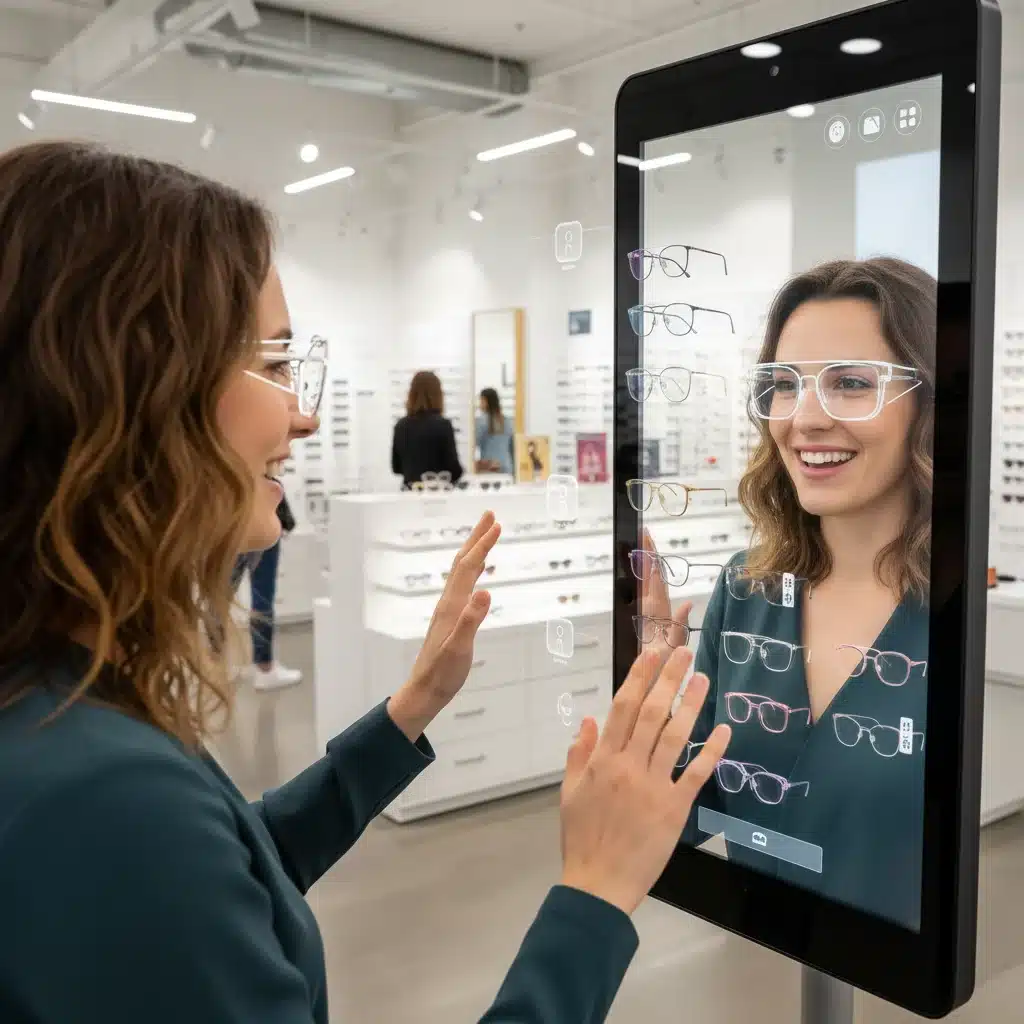
- Retail and E-commerce: Virtual try-on, product visualization in real environments, interactive catalogs.
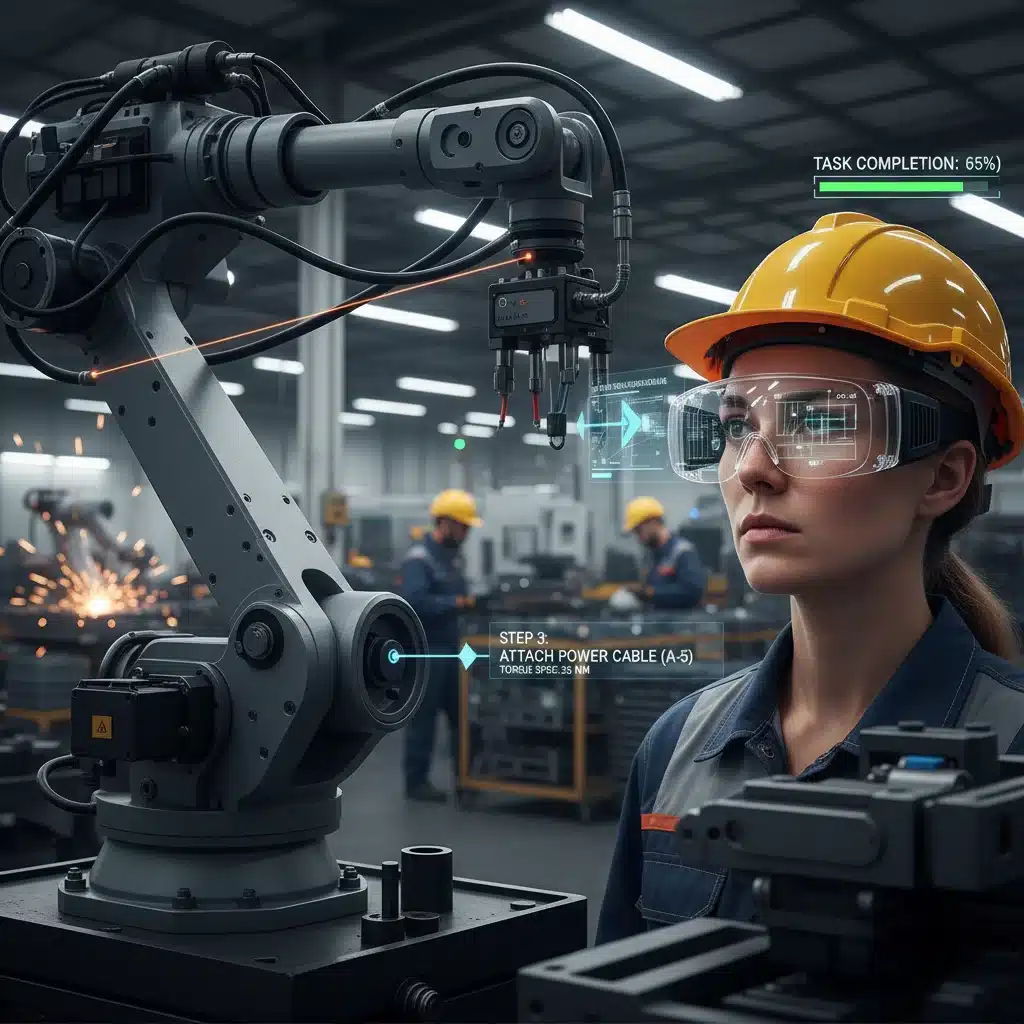
- Manufacturing and Industrial: Remote assistance, guided assembly, maintenance and repair, quality control.
- Healthcare: Surgical training, patient education, medical imaging visualization.
- Education and Training: Immersive learning experiences, hands-on simulations.
- Marketing and Advertising: Interactive campaigns, brand storytelling, experiential marketing.
- Architecture, Engineering, and Construction (AEC): Project visualization, on-site collaboration, progress monitoring.
The key to maximizing AR investment is identifying which of these applications align best with a company’s strategic objectives and target audience needs. A scattergun approach without clear goals will dilute the impact of any AR initiative.
Current Challenges in AR Adoption for US Companies
Despite the immense potential, US companies face several hurdles:
- High Development Costs: Creating high-quality AR content and applications can be expensive and time-consuming.
- Technical Expertise Gap: A shortage of skilled AR developers and designers.
- Hardware Limitations: While improving, current AR hardware (smartphones, smart glasses) still has limitations in terms of field of view, battery life, and comfort.
- Integration Complexities: Seamlessly integrating AR solutions with existing IT infrastructure and workflows.
- User Adoption: Overcoming user skepticism or lack of familiarity with AR technology.
- Measuring ROI: Quantifying the tangible benefits and return on AR investment can be challenging.
Our framework addresses these challenges head-on, providing actionable strategies to mitigate risks and capitalize on opportunities to maximize AR investment.
Phase 1: Strategic Foundation and Vision (2024)
The first phase of maximizing AR investment involves laying a solid strategic foundation. This is where companies define their vision for AR, identify key use cases, and establish measurable objectives.
1.1. Define Your AR Vision and Goals
What do you want AR to achieve for your business? This question must be answered with clarity. Your AR vision should align with your overall business strategy. For example, if your primary goal is customer loyalty, your AR initiatives might focus on personalized shopping experiences or interactive product support. If it’s operational efficiency, then employee training or remote assistance might take precedence.
- Identify Core Business Problems: Pinpoint specific pain points that AR can effectively address. Is it high customer return rates due to product misunderstanding? Or lengthy employee onboarding processes?
- Set SMART Goals: Make your AR objectives Specific, Measurable, Achievable, Relevant, and Time-bound. For instance, "Increase customer engagement on product pages by 15% through AR product visualization by Q4 2024."
- Quantify Engagement: Define what "25% higher engagement" means for your specific use cases. For customers, it could be increased time spent on AR-enabled platforms, higher conversion rates, or reduced support calls. For employees, it might be faster task completion, fewer errors, or improved training retention.
1.2. Conduct a Comprehensive AR Readiness Assessment
Before committing significant resources, assess your organization’s readiness for AR adoption.
- Technical Infrastructure: Evaluate your existing IT infrastructure, network capabilities, and device compatibility.
- Talent and Expertise: Identify internal skills gaps and determine if external partnerships or new hires are necessary.
- Content Strategy: Assess your current digital asset library. Do you have 3D models, CAD files, or other assets that can be repurposed for AR?
- Budget Allocation: Determine realistic budget constraints for AR development, deployment, and maintenance.
1.3. Pilot Programs and Proof-of-Concept (POC) Development
Start small but strategically. Develop pilot programs or POCs to test your AR hypotheses and gather initial feedback.
- Choose High-Impact, Low-Risk Scenarios: Select use cases that offer significant potential benefits but are relatively easier to implement.
- Iterative Development: Adopt an agile approach, developing and refining your AR solutions based on user feedback.
- Measure Early Successes: Even in pilot phases, track key metrics to demonstrate value and build internal buy-in.
This foundational phase is crucial for building a strong case for AR investment and ensuring that subsequent efforts are aligned with strategic objectives.
Phase 2: Implementation and Scalability (2025)
Once the strategic foundation is in place, Phase 2 focuses on the actual implementation, content creation, and integration of AR solutions, with an eye towards scalability.
2.1. Develop High-Quality AR Content and Experiences
The success of any AR initiative hinges on the quality and relevance of the content. Poorly designed or irrelevant AR experiences will deter users and undermine your AR investment.
- User-Centric Design: Always design with the end-user in mind. What information do they need? How can the experience be intuitive and engaging?
- 3D Asset Creation and Optimization: Invest in creating high-fidelity 3D models and optimizing them for AR platforms. This may involve photogrammetry, CAD conversion, or custom 3D modeling.
- Interactive Elements: Incorporate interactive features that go beyond passive viewing, such as annotations, animations, data overlays, and guided workflows.
- Contextual Relevance: Ensure AR content is contextually relevant to the user’s environment and task.
2.2. Integrate AR with Existing Systems and Workflows
For AR to be truly transformative, it must seamlessly integrate with your existing business processes and data ecosystems. This is a critical step in maximizing AR investment.
- CRM and ERP Integration: Connect AR applications with customer relationship management (CRM) and enterprise resource planning (ERP) systems to personalize experiences and leverage existing data.
- IoT and Sensor Data: Integrate AR with Internet of Things (IoT) devices and sensors to provide real-time data overlays for predictive maintenance, operational insights, or smart retail experiences.
- Workflow Automation: Embed AR into existing workflows, such as field service management or manufacturing assembly lines, to automate tasks and guide users.
2.3. Choose the Right AR Platforms and Hardware
The AR ecosystem is diverse, with various platforms (e.g., ARKit, ARCore, Unity, Unreal Engine) and hardware options (smartphones, tablets, smart glasses like Microsoft HoloLens, Magic Leap, or emerging consumer-grade devices). The choice depends on your specific use cases and budget.
- Platform Agnostic Development: Where possible, develop AR solutions that can be deployed across multiple platforms to reach a wider audience.
- Hardware Evaluation: Conduct thorough evaluations of AR hardware, considering factors like comfort, battery life, field of view, processing power, and cost.
- Future-Proofing: Opt for platforms and hardware that offer a clear upgrade path and are supported by a strong developer community.
Phase 3: Optimization and Future-Proofing (2026 and Beyond)
The final phase focuses on continuous improvement, measuring the impact of your AR investment, and preparing for future advancements to sustain and enhance that 25% higher engagement.
3.1. Measure, Analyze, and Iterate for 25% Higher Engagement
Achieving and sustaining a 25% higher engagement rate requires rigorous measurement and continuous iteration. This is where your initial SMART goals become critical.
- Define Key Performance Indicators (KPIs): Track metrics specific to your AR initiatives. For customer engagement, these might include:
- AR session duration
- Interaction rates (e.g., clicks on AR features)
- Conversion rates from AR-enabled product views
- Reduced customer support inquiries
- Social media mentions and shares of AR experiences
- Net Promoter Score (NPS) or customer satisfaction scores related to AR
- For employee engagement, KPIs could include:
- Task completion time reduction
- Error rate reduction
- Training comprehension and retention rates
- Employee satisfaction with AR tools
- Reduced need for expert travel for remote assistance
- A/B Testing: Experiment with different AR features, content, and user interfaces to identify what resonates most with your audience.
- User Feedback Loops: Establish mechanisms for collecting direct user feedback (surveys, interviews, usability testing) and actively incorporate it into your development cycles.
- Data Analytics: Leverage AR analytics tools to gain insights into user behavior and engagement patterns.
3.2. Foster an AR-Ready Culture
Technology adoption is as much about people as it is about platforms. Cultivating an AR-ready culture within your organization is vital for long-term success and maximizing AR investment.
- Employee Training and Upskilling: Provide comprehensive training programs for employees who will be developing, deploying, or using AR solutions.
- Internal Champions: Identify and empower AR champions within different departments to advocate for the technology and support their colleagues.
- Knowledge Sharing: Create platforms for employees to share best practices, lessons learned, and innovative AR ideas.
- Leadership Buy-in: Ensure continuous support and advocacy from senior leadership to drive adoption and resource allocation.
3.3. Explore Advanced AR Capabilities and Future Trends
The AR landscape is constantly evolving. To maintain a competitive edge and continue maximizing AR investment, companies must stay abreast of emerging technologies and trends.
- Spatial Computing and Digital Twins: Investigate how AR integrates with spatial computing (the ability for computers to understand and interact with the physical world) and digital twin technology (virtual replicas of physical assets, processes, or systems). This can unlock powerful new applications for monitoring, simulation, and predictive analysis.
- AI and Machine Learning Integration: Explore how AI and ML can enhance AR experiences, such as intelligent object recognition, personalized content delivery, and adaptive user interfaces.
- Persistent AR Experiences: Look into technologies that allow AR content to persist in the real world, enabling shared experiences and richer interactions over time.
- New Hardware Form Factors: Keep an eye on advancements in AR glasses, contact lenses, and other wearable devices that could offer more seamless and comfortable user experiences.
- Metaverse Integration: Understand how AR will play a role in the broader metaverse ecosystem, creating opportunities for interconnected virtual and augmented experiences.
By continuously exploring these advanced capabilities, US companies can future-proof their AR strategies and ensure sustained engagement growth.
Case Studies and Examples of High Engagement AR
To illustrate the power of strategic AR investment, let’s look at a few examples where companies have achieved significant engagement:
- IKEA Place: This app allows customers to virtually place furniture in their homes before purchasing. It significantly increased customer confidence and reduced returns, directly impacting engagement and conversion rates. The ability for customers to visualize products accurately in their own space drives immense value.
- Porsche AR Visualizer: Customers can configure and view Porsche models in AR, exploring customization options and even "driving" the car virtually. This immersive experience boosts brand engagement and generates qualified leads. The detailed visualization fosters a deeper emotional connection with the product.
- Boeing’s AR for Manufacturing: Boeing uses AR headsets to guide technicians through complex wiring harness assembly. This resulted in a 25% reduction in assembly time and a significant decrease in error rates, demonstrating enhanced employee engagement and efficiency. The real-time guidance and reduction in cognitive load are key benefits.
- Mayo Clinic’s AR for Surgical Planning: Surgeons use AR to visualize patient anatomy in 3D during planning and even during surgery, improving precision and outcomes. This application dramatically enhances the engagement of medical professionals with complex data, leading to better patient care.
These examples highlight that successful AR implementations are not just about the technology itself, but how it is strategically applied to solve specific business challenges and enhance user experiences. They underscore the potential for maximizing AR investment when executed thoughtfully.
The Role of Data and Analytics in Sustained Engagement
In the pursuit of 25% higher engagement, data and analytics are your most powerful allies. Every interaction within an AR experience generates valuable data that, when properly analyzed, can provide profound insights into user behavior, preferences, and pain points.
Collecting Relevant AR Data
What data points should you be tracking?
- Interaction Hotspots: Where do users tap, gaze, or interact most within your AR environment?
- Session Length and Frequency: How long are users engaging, and how often do they return?
- Feature Usage: Which AR features are most popular, and which are underutilized?
- Completion Rates: For guided tasks or tutorials, what percentage of users complete the entire sequence?
- Error Rates: In training or operational AR, how often do users make mistakes that the AR system helps correct?
- User Feedback: Direct feedback through surveys or in-app prompts.
Turning Data into Actionable Insights
Raw data is just numbers. The real value comes from transforming that data into actionable insights:
- Personalization: Use data to tailor AR experiences to individual user preferences, leading to more relevant and engaging interactions.
- Content Optimization: Identify underperforming AR content or features and iterate based on user behavior.
- Performance Improvements: Pinpoint technical issues or bottlenecks that might be hindering the user experience.
- ROI Justification: Use engagement metrics and other business outcomes (e.g., sales, efficiency gains) to continually justify and expand your AR investment.
Building a Collaborative Ecosystem for AR Success
No single company can master all aspects of AR development and deployment. Building a collaborative ecosystem is essential for maximizing AR investment and accelerating your journey to 25% higher engagement.
Partnerships and External Expertise
- AR Development Agencies: Partner with specialized agencies for complex AR content creation, application development, or platform integration.
- Hardware Providers: Collaborate closely with AR hardware manufacturers to ensure compatibility and leverage their latest advancements.
- Research Institutions: Engage with universities and research labs to explore cutting-edge AR technologies and applications.
- Industry Consortia: Participate in industry groups focused on AR to share knowledge, establish best practices, and influence technology standards.
Internal Collaboration and Cross-Functional Teams
Within your organization, break down silos. AR initiatives benefit immensely from cross-functional teams comprising:
- IT and Engineering: For infrastructure, integration, and technical development.
- Marketing and Sales: For customer-facing AR experiences and engagement strategies.
- HR and Training: For employee onboarding, skill development, and performance support.
- Product Development: For leveraging AR in design, prototyping, and visualization.
- Operations: For optimizing workflows and field service applications.
By fostering this collaborative environment, US companies can pool diverse expertise, accelerate innovation, and ensure that AR solutions are holistic and well-integrated across the business, ultimately leading to a higher return on AR investment.
Conclusion: The Path to 25% Higher Engagement with AR by 2026
The strategic adoption of Augmented Reality is no longer an option but a necessity for US companies aiming to thrive in the digital economy. By following this comprehensive framework – from strategic foundation and vision in 2024, through robust implementation and scalability in 2025, to continuous optimization and future-proofing in 2026 and beyond – businesses can confidently maximize their AR investment. The goal of achieving 25% higher customer and employee engagement is ambitious, but entirely attainable with a focused, data-driven, and user-centric approach.
The future of engagement is immersive, interactive, and intelligent. Companies that embrace AR strategically will not only differentiate themselves but will also build stronger, more loyal relationships with their customers and empower a more productive, satisfied workforce. The time to act is now, laying the groundwork for a future where augmented reality is an indispensable tool for business growth and innovation. Start your AR journey today, define your vision, measure your impact, and prepare to unlock unprecedented levels of engagement by 2026.