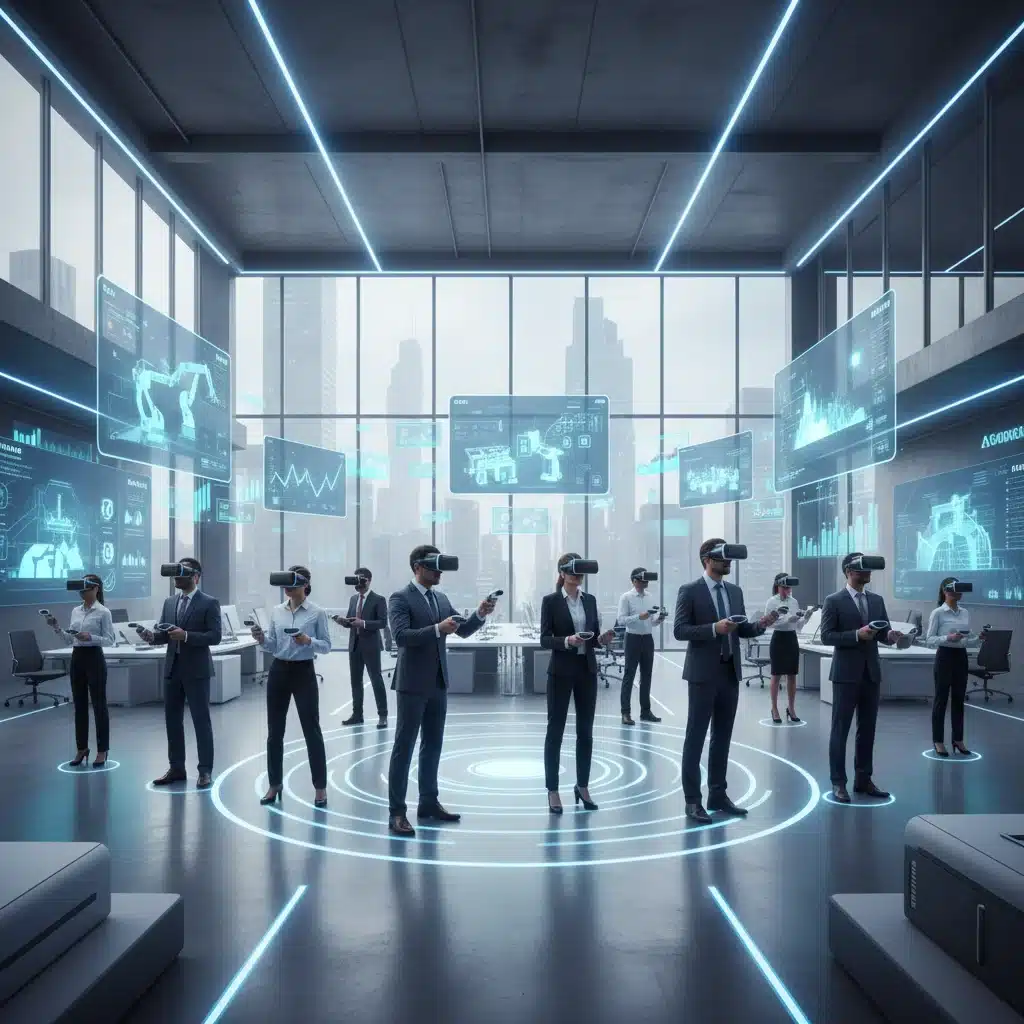
In the rapidly evolving landscape of retail, innovation is not just an advantage; it’s a necessity for survival and growth. As U.S. retailers navigate an increasingly competitive market, the search for disruptive technologies that can significantly impact the bottom line is paramount. Among these, Virtual Reality (VR) showrooms are emerging as a powerful tool, promising to revolutionize the customer experience and drive substantial sales growth. This comprehensive guide delves into how U.S. retailers can leverage cutting-edge VR showroom strategies to boost sales by an impressive 15% by Q1 2026, exploring the financial impact, implementation roadmap, and strategic advantages.
The Shifting Retail Paradigm: Why VR Showrooms Now?
The traditional retail model, characterized by physical brick-and-mortar stores and conventional e-commerce websites, is undergoing a profound transformation. Consumers today demand more than just products; they seek immersive, personalized, and convenient shopping experiences. The COVID-19 pandemic accelerated the adoption of digital solutions, pushing retailers to rethink how they engage with customers. VR technology, once confined to gaming and niche applications, has matured significantly, offering accessible and powerful solutions for retail.
VR showroom strategies provide a unique opportunity to bridge the gap between online convenience and in-store immersion. Imagine a customer in their living room, donning a VR headset, and stepping into a beautifully designed virtual showroom where they can explore products in 3D, customize items, interact with virtual sales assistants, and even ‘try on’ clothing or ‘place’ furniture in their own home environment. This level of engagement is unparalleled by traditional online shopping and can significantly influence purchasing decisions.
Understanding the Financial Impact: A 15% Sales Boost by Q1 2026
The projection of a 15% sales increase by Q1 2026 is not an arbitrary figure; it’s an ambitious yet achievable goal rooted in the proven benefits of immersive retail experiences. Several factors contribute to this potential growth:
- Enhanced Customer Engagement: VR offers a highly interactive and memorable shopping experience, leading to longer engagement times and a deeper connection with products. This increased engagement directly correlates with higher conversion rates.
- Reduced Returns: By allowing customers to visualize products more accurately – whether it’s seeing how a couch fits in their living room or how a piece of jewelry looks on them – VR significantly reduces buyer’s remorse and the likelihood of returns, saving retailers substantial costs.
- Wider Reach and Accessibility: VR showrooms break down geographical barriers, enabling retailers to reach a global audience without the overhead of physical expansion. This expands the potential customer base dramatically.
- Personalization at Scale: VR platforms can be tailored to individual customer preferences, offering personalized product recommendations and guided tours, mimicking a high-end personal shopping experience at scale.
- Data-Driven Insights: Interactions within VR showrooms generate a wealth of data on customer behavior, preferences, and pain points. This data is invaluable for optimizing product offerings, marketing strategies, and the showroom experience itself.
- Brand Differentiation: Adopting VR showroom strategies positions retailers as innovators, attracting tech-savvy consumers and enhancing brand perception.
Consider the average revenue per customer and the current conversion rates. A 15% increase in sales could translate into millions of dollars for medium to large U.S. retailers. This growth is not merely incremental but transformational, setting the stage for sustained competitive advantage.
Key Components of Effective VR Showroom Strategies
To achieve the projected sales growth, retailers must adopt a holistic approach to their VR showroom implementation. This involves several critical components:
1. Strategic Planning and Goal Setting
Before diving into technology, define clear objectives. What specific problems are you trying to solve? Is it reducing returns, increasing average order value, expanding market reach, or all of the above? Setting SMART (Specific, Measurable, Achievable, Relevant, Time-bound) goals is crucial. For instance, ‘Increase online conversion rates by 5% through VR showroom interactions by Q3 2025’ is a much more effective goal than ‘Implement VR.’
2. Technology Selection and Infrastructure
The choice of VR hardware and software is critical. While high-end VR headsets offer the most immersive experience, consider broader accessibility. Web-based VR (WebXR) can provide a more accessible entry point, allowing users to experience VR showrooms directly through their web browsers on various devices, including smartphones and desktop computers, without needing specialized hardware. For a premium experience, standalone VR headsets like Meta Quest or Pico offer a deeper dive. Retailers must also consider the backend infrastructure required to host and manage the VR content, ensuring scalability and seamless performance.
3. High-Quality 3D Content Creation
The success of a VR showroom hinges on the quality of its 3D assets. Products must be meticulously modeled and textured to look realistic and appealing in a virtual environment. This often requires specialized 3D artists and designers. Investing in photogrammetry or 3D scanning technologies can expedite the process for existing physical products. Furthermore, the virtual environment itself – the ‘showroom’ – needs to be aesthetically pleasing, intuitive to navigate, and reflective of the brand’s identity.
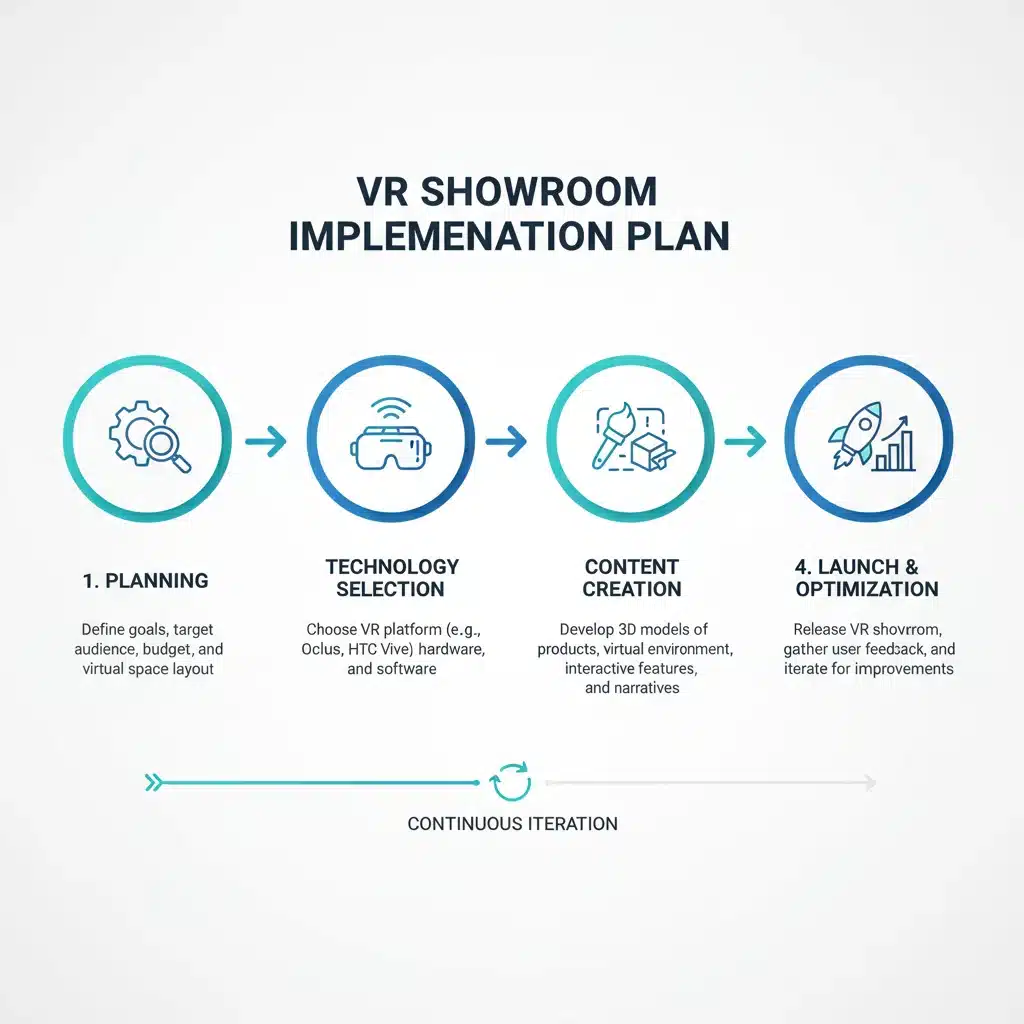
4. User Experience (UX) Design and Interactivity
A compelling VR showroom is more than just a collection of 3D models; it’s an interactive experience. UX design principles are paramount. Consider:
- Intuitive Navigation: How do users move through the space? Are controls clear and easy to learn?
- Product Interaction: Can users pick up, rotate, zoom in on products? Can they change colors, materials, or configurations?
- Virtual Assistants: Integrating AI-powered virtual sales assistants can provide personalized recommendations and answer questions in real-time.
- Multiplayer Functionality: Allowing friends or family to shop together in the same virtual space can enhance the social aspect of shopping.
- Call-to-Action (CTA): Clear pathways to purchase, whether directly within the VR environment or seamlessly linking to the e-commerce site, are essential.
5. Integration with Existing Systems
For maximum impact, VR showroom strategies should not operate in a silo. Integrate the VR platform with your existing CRM, inventory management, e-commerce platform, and analytics tools. This ensures a unified customer journey, accurate inventory tracking, and comprehensive data collection.
Implementation Roadmap: Phased Approach to Success
Implementing a VR showroom can seem daunting, but a phased approach can mitigate risks and ensure a smoother rollout:
Phase 1: Discovery and Pilot (6-9 Months)
- Market Research: Identify target audience segments most receptive to VR experiences.
- Vendor Selection: Partner with experienced VR development studios and technology providers.
- Content Prioritization: Start with a limited selection of high-value or complex products that benefit most from 3D visualization.
- Pilot Program: Launch a small-scale VR showroom with a controlled group of users to gather feedback, identify pain points, and refine the experience.
- KPI Definition: Establish key performance indicators (KPIs) for the pilot, such as engagement time, conversion rates, and user satisfaction scores.
Phase 2: Expansion and Optimization (9-12 Months)
- Feature Enhancement: Based on pilot feedback, add new features, expand product catalogs, and improve interactivity.
- Marketing and Promotion: Develop a robust marketing strategy to promote the VR showroom, leveraging digital channels and in-store promotions.
- Broader Rollout: Gradually expand access to a wider customer base.
- A/B Testing: Continuously A/B test different elements of the VR experience to optimize for conversion and engagement.
- Sales Team Training: If applicable, train sales associates on how to leverage the VR showroom for assisted selling.
Phase 3: Full Integration and Scalability (12-18 Months)
- Full Product Catalog Integration: Aim to integrate a significant portion, if not all, of your product catalog into the VR showroom.
- Advanced Analytics: Implement sophisticated analytics to track user journeys, identify trends, and measure ROI.
- AI and Personalization: Enhance the experience with advanced AI for hyper-personalization, predictive analytics, and dynamic content generation.
- Global Expansion: Explore opportunities to adapt the VR showroom for international markets.
Measuring Success: KPIs for VR Showroom Strategies
To track the 15% sales boost by Q1 2026, retailers need robust measurement frameworks. Key performance indicators (KPIs) should include:
- Conversion Rate: Percentage of VR showroom visitors who make a purchase.
- Average Order Value (AOV): The average value of transactions originating from the VR showroom.
- Engagement Time: How long users spend interacting with the VR showroom and individual products.
- Return Rate: Reduction in product returns for items purchased after a VR experience.
- Customer Satisfaction (CSAT): Surveys and feedback mechanisms to gauge user experience.
- Traffic to VR Showroom: Number of unique visitors to the virtual space.
- Brand Perception Scores: Changes in brand sentiment and innovation perception.
- Cost Per Acquisition (CPA): Comparing the cost of acquiring a customer through VR versus other channels.
Regularly reviewing these KPIs will provide actionable insights, allowing for continuous optimization and ensuring the VR showroom strategies remain aligned with business objectives.
Challenges and Mitigation Strategies
While the potential of VR showrooms is immense, retailers must be prepared for challenges:
- High Initial Investment: Developing high-quality 3D content and a robust VR platform requires significant upfront capital. Mitigation: Start small with a pilot program, focus on high-impact products, and explore SaaS VR solutions to reduce initial costs.
- Technological Barriers: Some consumers may lack VR hardware or be unfamiliar with the technology. Mitigation: Offer web-based VR options, provide clear tutorials, and consider in-store VR stations to introduce customers to the experience.
- Content Creation Complexity: Generating photorealistic 3D models can be time-consuming and expensive. Mitigation: Outsource to specialized agencies, invest in 3D scanning technology, and prioritize assets based on business impact.
- Maintaining Engagement: Novelty can wear off. Mitigation: Continuously update content, introduce new features, host virtual events, and leverage personalization to keep the experience fresh and relevant.
Real-World Examples and Future Outlook
Several forward-thinking companies are already experimenting with or fully embracing VR showroom strategies:
- Automotive Industry: Brands like Audi and BMW offer VR experiences where customers can configure cars, explore interiors, and even take virtual test drives.
- Furniture Retailers: IKEA and Wayfair have introduced AR/VR apps that allow customers to virtually place furniture in their homes before purchasing.
- Fashion and Apparel: Companies are developing virtual try-on experiences, allowing customers to see how clothes fit and look on their digital avatars.
- Real Estate: VR tours of properties are becoming standard, offering potential buyers an immersive walkthrough from anywhere in the world.
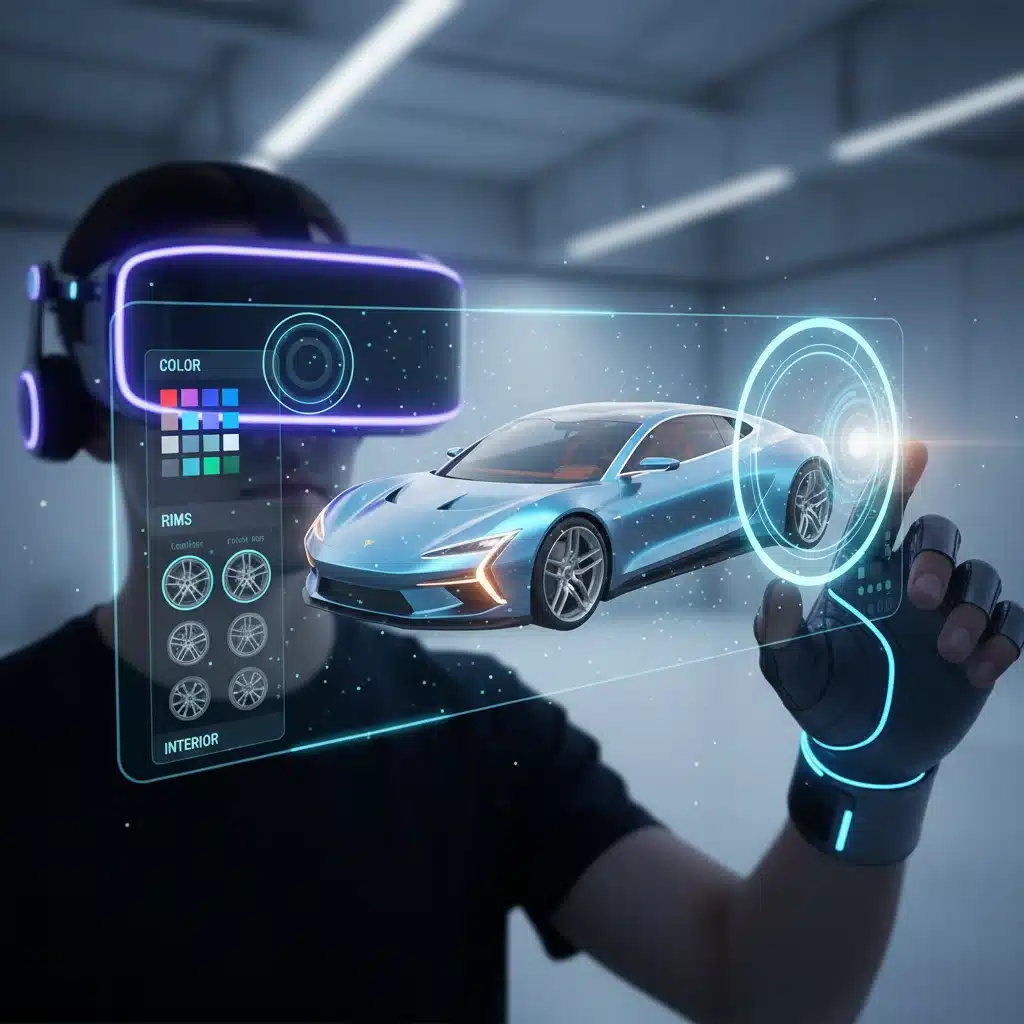
The future of retail is undoubtedly immersive. As VR technology becomes more sophisticated, affordable, and accessible, its integration into mainstream retail will accelerate. We can expect to see more personalized virtual shopping assistants, AI-driven showroom layouts that adapt to individual preferences, and even fully persistent virtual retail worlds where brands can establish a permanent digital presence.
Conclusion: Seizing the VR Opportunity for U.S. Retailers
The goal of boosting sales by 15% by Q1 2026 through VR showroom strategies is not merely aspirational; it’s a strategic imperative for U.S. retailers looking to thrive in the next decade. By understanding the technological landscape, meticulously planning implementation, focusing on exceptional user experience, and continuously measuring performance, retailers can unlock unprecedented growth opportunities. The time to invest in virtual reality is now, transforming the way customers interact with products and solidifying a competitive edge in the dynamic retail market. Embrace the immersive future, and watch your sales figures climb.