VR Design Software 2026: Best 3D Modeling Apps Compared
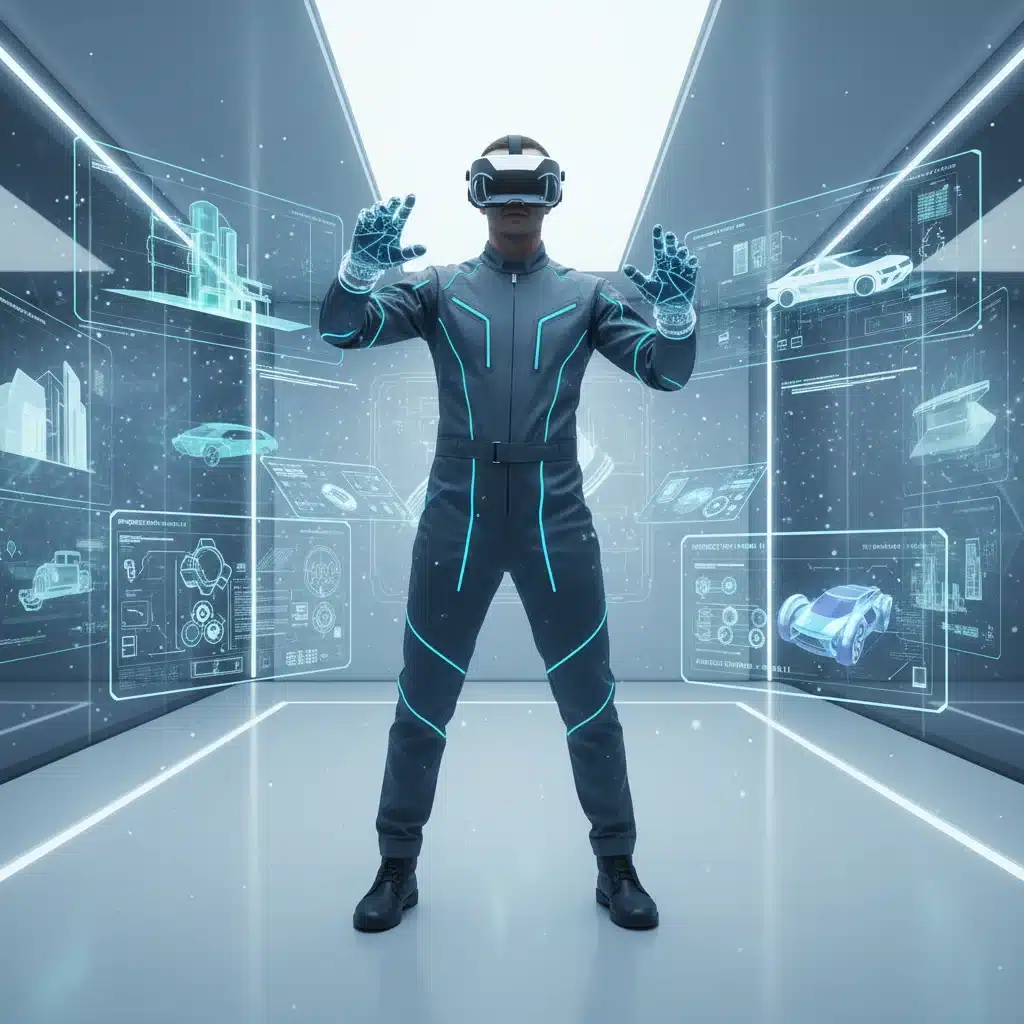
Comparing 2026’s Leading VR Design Software: Which App Offers the Best 3D Modeling Experience?
The year is 2026, and the landscape of design has been irrevocably transformed by the immersive power of virtual reality. What was once confined to 2D screens and cumbersome desktop applications has now leaped into a boundless, interactive 3D realm. For architects, industrial designers, product developers, game artists, and even casual creators, the choice of VR design software is paramount to bringing their visions to life. But with a rapidly evolving market, discerning which application truly offers the best 3D modeling experience can be a daunting task. This comprehensive guide delves into the leading contenders of 2026, comparing their features, usability, performance, and unique selling points to help you make an informed decision.
The advent of sophisticated VR hardware, coupled with advancements in haptic feedback and spatial computing, has elevated VR design software from a niche tool to an indispensable part of the creative workflow. Designers can now sculpt, sketch, and prototype in a truly spatial environment, experiencing their creations as if they were physically present. This shift not only accelerates the design process but also fosters a deeper intuitive understanding of scale, proportion, and interaction. As we move deeper into the decade, the demand for robust, intuitive, and high-performance VR design software continues to grow, pushing developers to innovate at an unprecedented pace.
The Evolution of VR Design Software: A Brief History and Current Trends
Before diving into the specifics of 2026’s top applications, it’s worth reflecting on how we arrived here. Early iterations of VR design tools were often clunky, resource-intensive, and lacked the precision required for professional work. They served primarily as experimental platforms, showcasing the potential rather than delivering polished results. However, significant breakthroughs in rendering technologies, GPU power, and VR headset resolution have dramatically improved the user experience. Today’s VR design software boasts real-time rendering capabilities, advanced physics engines, and highly responsive interaction models that were once the stuff of science fiction.
Current trends highlight a move towards greater accessibility, cross-platform compatibility, and enhanced collaborative features. Designers are no longer working in isolation; the ability to share a virtual workspace, iterate on designs in real-time with colleagues across the globe, and receive instant feedback is becoming a standard expectation. Furthermore, the integration of AI-powered tools for generative design, material simulation, and automated optimization is beginning to redefine what’s possible within VR design software. These trends are shaping the development trajectory of all major players in the market, driving them towards more intelligent, interconnected, and intuitive solutions.
Another crucial aspect of this evolution is the specialization of VR design software. While some platforms aim for broad utility, others focus on specific disciplines, such as architectural visualization, character sculpting, or industrial prototyping. This specialization allows for highly optimized toolsets and workflows tailored to the unique demands of each field, providing a deeper level of functionality than general-purpose applications. Understanding these underlying trends is key to appreciating the strengths and weaknesses of each software we’ll examine.
Key Criteria for Evaluating VR Design Software in 2026
When assessing VR design software, several critical factors come into play. These criteria are essential for any designer looking to invest their time and resources into a platform. The top applications in 2026 excel across most, if not all, of these areas:
- Usability and Intuition: How easy is it to learn and master the software? Does it offer natural, intuitive controls that leverage the strengths of VR?
- Feature Set and Tool Depth: Does it provide a comprehensive array of tools for modeling, sculpting, texturing, rendering, and animation? Are these tools powerful enough for professional-grade work?
- Performance and Stability: Can the software handle complex scenes and high-polygon models without lag or crashes? Is it optimized for various VR hardware configurations?
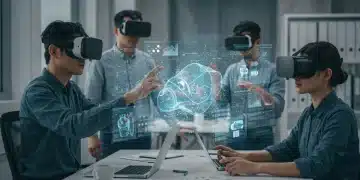
- Collaboration Capabilities: Does it support real-time multi-user collaboration? How effective are the communication and sharing features?
- Interoperability and Ecosystem: How well does it integrate with other design software (CAD, DCC tools) and file formats? Does it have a robust plugin ecosystem?
- Cost and Licensing: What are the pricing models (subscription, perpetual)? Are there different tiers for individuals, teams, or enterprises?
- Community and Support: Is there an active user community, extensive documentation, and responsive customer support?
Bearing these criteria in mind, let’s explore the leading VR design software applications that are setting the standard in 2026.
Leading Contender 1: "ImmersiSculpt Pro" – The Sculptor’s Dream
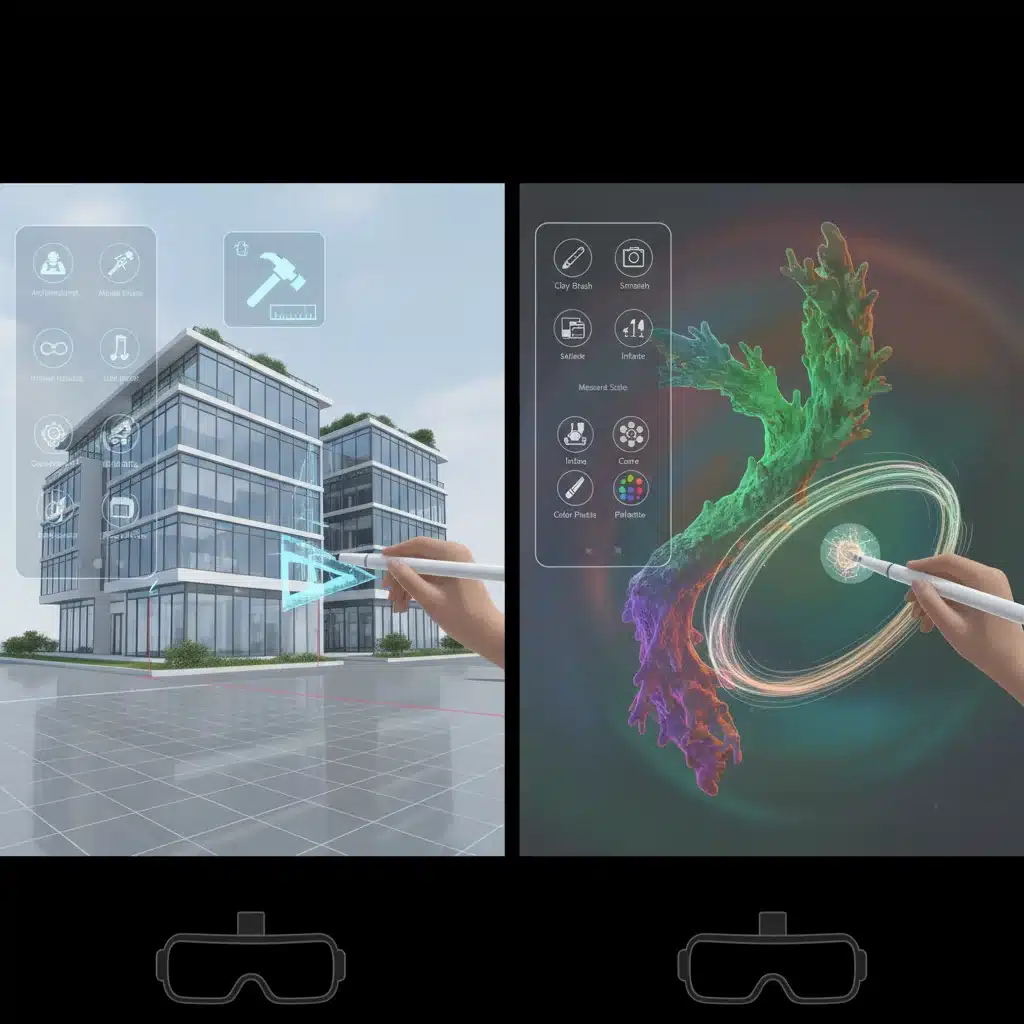
ImmersiSculpt Pro has solidified its position as the go-to VR design software for organic modeling and digital sculpting. Building on years of dedicated development, the 2026 version boasts an unparalleled haptic feedback system that simulates the feel of clay, wood, or stone, providing an incredibly tactile sculpting experience. Artists can manipulate virtual material with astonishing precision, using intuitive hand gestures and advanced haptic controllers.
Its feature set includes dynamic tessellation, allowing for infinite detail without bogging down performance, and a revolutionary "material brush" that applies not just texture but also physical properties to surfaces in real-time. ImmersiSculpt Pro’s performance is optimized for high-end VR systems, ensuring smooth operation even with millions of polygons. While its core strength lies in organic forms, recent updates have introduced more robust hard-surface modeling tools, expanding its utility for product design and character creation. The learning curve is surprisingly gentle for such a powerful tool, thanks to its highly intuitive interface and extensive tutorial library.
Leading Contender 2: "Architech VR 5.0" – The Architect’s Toolkit
For architectural visualization and spatial planning, Architech VR 5.0 remains the undisputed champion among VR design software. This application is specifically engineered to handle large-scale environments, offering unparalleled accuracy and tools for constructing complex structures. Its 2026 iteration introduces "Parametric VR Blueprints," allowing architects to define relationships between elements that automatically adjust when changes are made, significantly speeding up design iterations.
Architech VR 5.0 excels in its ability to import and export CAD files seamlessly, maintaining data integrity across different platforms. Its real-time rendering engine produces photorealistic walkthroughs, complete with dynamic lighting and environmental effects, making client presentations incredibly impactful. Collaboration is a cornerstone of Architech VR 5.0, with dedicated features for multi-user design reviews, annotation tools, and shared material libraries. While its interface can seem dense at first due to the sheer volume of specialized tools, its precision and industry-specific functionalities make it indispensable for architectural firms. The subscription model includes access to a vast library of pre-built assets and materials, further enhancing its value proposition.
Leading Contender 3: "ForgeXR Studio" – The Industrial Design Powerhouse
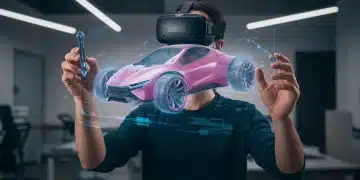
ForgeXR Studio has emerged as a formidable player in the industrial design and product development space. This VR design software combines the precision of traditional CAD with the immersive benefits of VR, allowing designers to prototype and iterate on physical products with unprecedented speed and accuracy. Its unique "Material Physics Engine" simulates how different materials behave under stress, heat, and impact, providing crucial insights early in the design phase.
The 2026 version of ForgeXR Studio introduces "Generative AI Design Assists," where the AI can suggest design variations based on specified constraints and objectives, pushing the boundaries of creative exploration. Its toolset is robust, featuring advanced surfacing, assembly modeling, and ergonomic analysis tools. ForgeXR Studio boasts excellent interoperability with leading CAD packages, ensuring a smooth transition between VR and traditional workflows. Collaboration features are highly refined, with tools for remote team members to work on the same model, conduct design reviews, and even perform virtual assembly simulations together. While it has a steeper learning curve due to its technical depth, the return on investment for industrial designers is substantial.
Leading Contender 4: "Project Chimera 3.0" – The All-Rounder for Creative Professionals
Project Chimera 3.0 aims to be the versatile choice for creative professionals who need a broad range of capabilities. This VR design software offers a balanced suite of tools for sculpting, hard-surface modeling, texturing, and even basic animation within the VR environment. Its strength lies in its adaptability and its ability to serve various creative disciplines, from game development to conceptual art.
The 2026 update focuses on a modular plugin architecture, allowing users to customize their toolset and integrate third-party extensions for specialized tasks. Project Chimera 3.0 features a highly intuitive user interface that is easy to navigate for newcomers while still offering deep functionality for advanced users. Its performance is optimized for a wide range of VR hardware, making it accessible to a broader audience. Collaboration in Project Chimera 3.0 is facilitated through shared workspaces and integrated version control, ensuring smooth teamwork. While it may not offer the extreme specialization of ImmersiSculpt Pro or Architech VR 5.0 in specific areas, its comprehensive toolset and flexibility make it an excellent choice for generalists or studios working across multiple project types.
Emerging Innovators: Keeping an Eye on the Horizon
Beyond the established leaders, several emerging VR design software platforms are making waves and challenging the status quo. These innovators often introduce novel approaches or focus on underserved niches. For example, "Synapse Design VR" is gaining traction for its unprecedented integration of brain-computer interface (BCI) technology, allowing for design inputs through thought commands, albeit in early stages. Another notable mention is "EcoForm VR," which specializes in sustainable design, offering real-time environmental impact analysis and material sourcing directly within the VR modeling process.
These newer platforms, while perhaps not yet as mature or feature-rich as the market leaders, often represent the future direction of VR design software. They push the boundaries of interaction, integration, and intelligent assistance. Keeping an eye on these emerging technologies is crucial for staying ahead in the rapidly evolving world of virtual reality design. Their rapid development cycles often mean that features considered experimental today could become industry standards tomorrow.
Comparative Analysis: Which VR Design Software is Right for You?
Choosing the "best" VR design software ultimately depends on your specific needs, workflow, and budget. Here’s a breakdown to help you navigate the decision:
- For Organic Sculpting and Character Design: ImmersiSculpt Pro is the clear winner. Its haptic feedback and dynamic tessellation are unmatched for creating fluid, organic forms.
- For Architecture and Urban Planning: Architech VR 5.0 offers the precision, scale, and integration with CAD workflows that architects demand. Its parametric capabilities are a game-changer.
- For Industrial Design and Product Prototyping: ForgeXR Studio’s material physics engine and AI-powered design assists provide a significant edge for developing functional products.
- For Generalists, Game Dev, and Conceptual Artists: Project Chimera 3.0 provides a well-rounded toolset and flexibility for various creative endeavors, making it a strong contender for those who need versatility.
Consider your primary use case, the complexity of your projects, and the importance of collaboration in your workflow. Test out trial versions if available, and explore community forums to get a sense of real-world user experiences. The investment in learning a new VR design software is significant, so careful consideration upfront can save you countless hours down the line.
The Future Landscape of VR Design Software
Looking beyond 2026, the trajectory of VR design software points towards even greater integration, intelligence, and accessibility. We can anticipate more seamless blending of augmented reality (AR) with VR, allowing designers to overlay virtual models onto real-world environments with greater fidelity. AI will play an increasingly pivotal role, not just in generative design but also in automating repetitive tasks, predicting design flaws, and optimizing for manufacturing or performance.
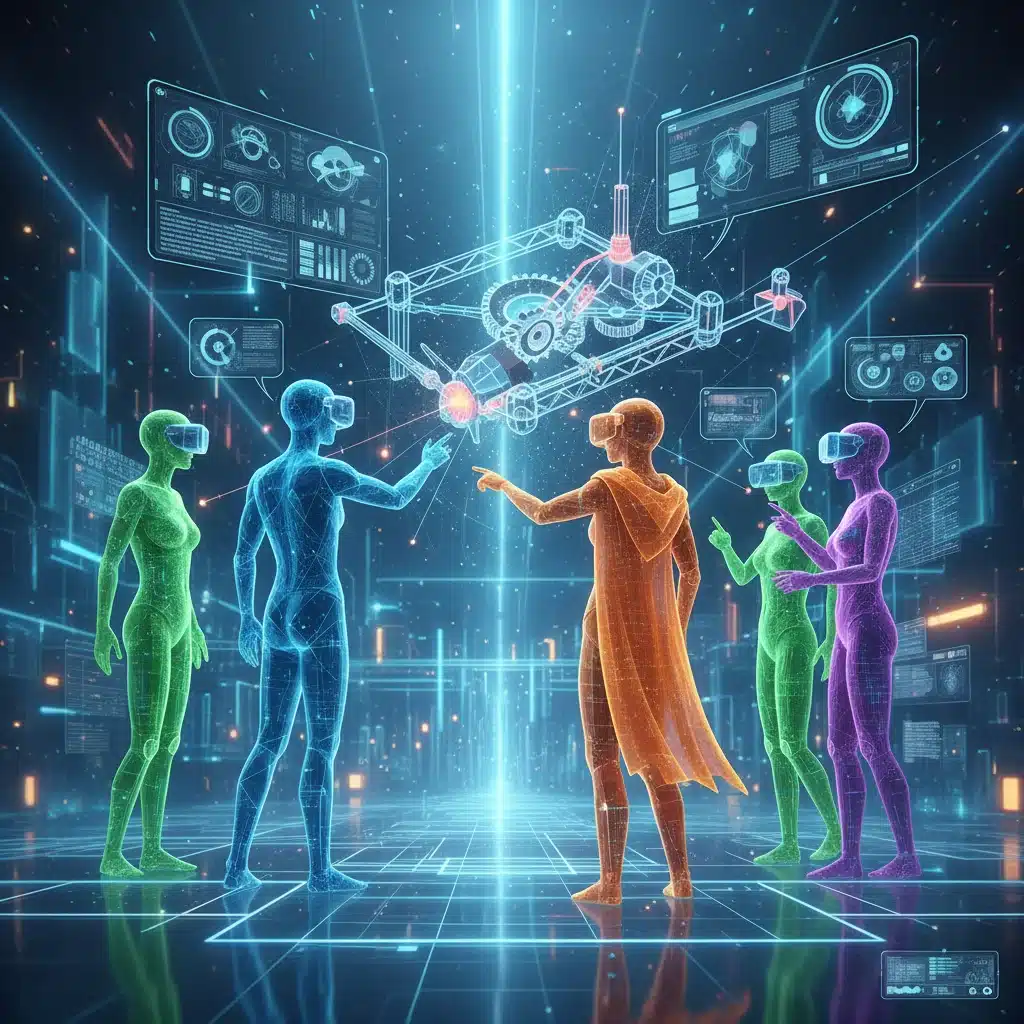
Haptic technology will continue to advance, offering nuanced sensations that mimic textures, weights, and resistances with astonishing realism. The line between physical and digital prototyping will blur further, leading to entirely new methodologies for product development. Furthermore, as VR hardware becomes more lightweight, affordable, and powerful, VR design software will become accessible to an even wider audience, fostering a new generation of spatial thinkers and creators.
The emphasis on sustainability will also drive innovation, with tools that factor in environmental impact from the earliest stages of design. Imagine a VR design software that not only helps you create a beautiful product but also calculates its carbon footprint and suggests eco-friendly material alternatives in real-time. This holistic approach to design, empowered by VR, holds immense promise for addressing global challenges.
Conclusion: Embracing the Immersive Future of Design with VR Design Software
The year 2026 marks a pivotal moment for VR design software. The tools available today are more powerful, intuitive, and collaborative than ever before, offering designers an unprecedented level of immersion and control over their creations. Whether you are sculpting organic forms in ImmersiSculpt Pro, planning architectural marvels in Architech VR 5.0, prototyping industrial products in ForgeXR Studio, or exploring diverse creative avenues with Project Chimera 3.0, the options are rich and varied.
The key to success lies in understanding your specific requirements and aligning them with the strengths of the available platforms. The best VR design software for you will be the one that seamlessly integrates into your workflow, enhances your creativity, and ultimately helps you realize your most ambitious visions. As technology continues its relentless march forward, one thing is clear: the future of design is undeniably spatial, immersive, and incredibly exciting. Embrace the revolution, step into the virtual studio, and unleash your creativity in ways previously unimaginable.