
The landscape of augmented reality (AR) development in the United States is undergoing a profound transformation, positioning itself as a pivotal technology for the coming years. As we step into Q1 2026, the convergence of advanced hardware, sophisticated software, and increasing consumer and enterprise adoption paints a vivid picture of innovation and boundless opportunities. This comprehensive analysis delves into the current state of AR development trends in the US, highlighting key drivers, emerging sectors, and the strategic pathways for stakeholders to capitalize on this burgeoning market.
Augmented reality, often seen as the bridge between the digital and physical worlds, is no longer a futuristic concept confined to science fiction. It is a tangible reality, reshaping industries from healthcare and education to retail and manufacturing. The US market, with its robust technological infrastructure and innovative spirit, is at the forefront of this revolution. Understanding the intricacies of these developments is crucial for developers, investors, businesses, and policymakers alike to navigate and contribute to its growth.
The Evolving Ecosystem of AR Development in the US
The US AR ecosystem is characterized by rapid innovation and a highly competitive environment. Major tech giants continue to invest heavily in AR research and development, while a vibrant startup scene continually pushes the boundaries of what’s possible. This dynamic interplay fosters an environment ripe for groundbreaking advancements and widespread adoption. The sustained interest from venture capitalists and corporate investors further fuels this growth, ensuring a steady influx of capital into promising AR ventures.
One of the primary drivers of current AR development trends is the continuous improvement in hardware capabilities. Lighter, more powerful, and aesthetically pleasing AR glasses are transitioning from niche enterprise tools to consumer-ready devices. Concurrently, smartphone-based AR experiences are becoming more sophisticated, leveraging advanced camera systems, improved processing power, and dedicated AR software development kits (SDKs) like Apple’s ARKit and Google’s ARCore. These advancements democratize AR, making it accessible to a broader audience and paving the way for more diverse applications.
Software innovation is equally critical. The development of more intuitive user interfaces (UIs) and user experiences (UXs) for AR applications is paramount. Developers are focusing on creating seamless interactions that feel natural and enhance, rather than detract from, the user’s perception of reality. Furthermore, advancements in computer vision, spatial computing, and artificial intelligence (AI) are empowering AR applications with greater contextual awareness, object recognition, and predictive capabilities, making them more intelligent and useful.
Key AR Development Trends Shaping Q1 2026
As we analyze the current trajectory, several distinct AR development trends stand out as particularly influential for Q1 2026:
1. Pervasive Enterprise Adoption
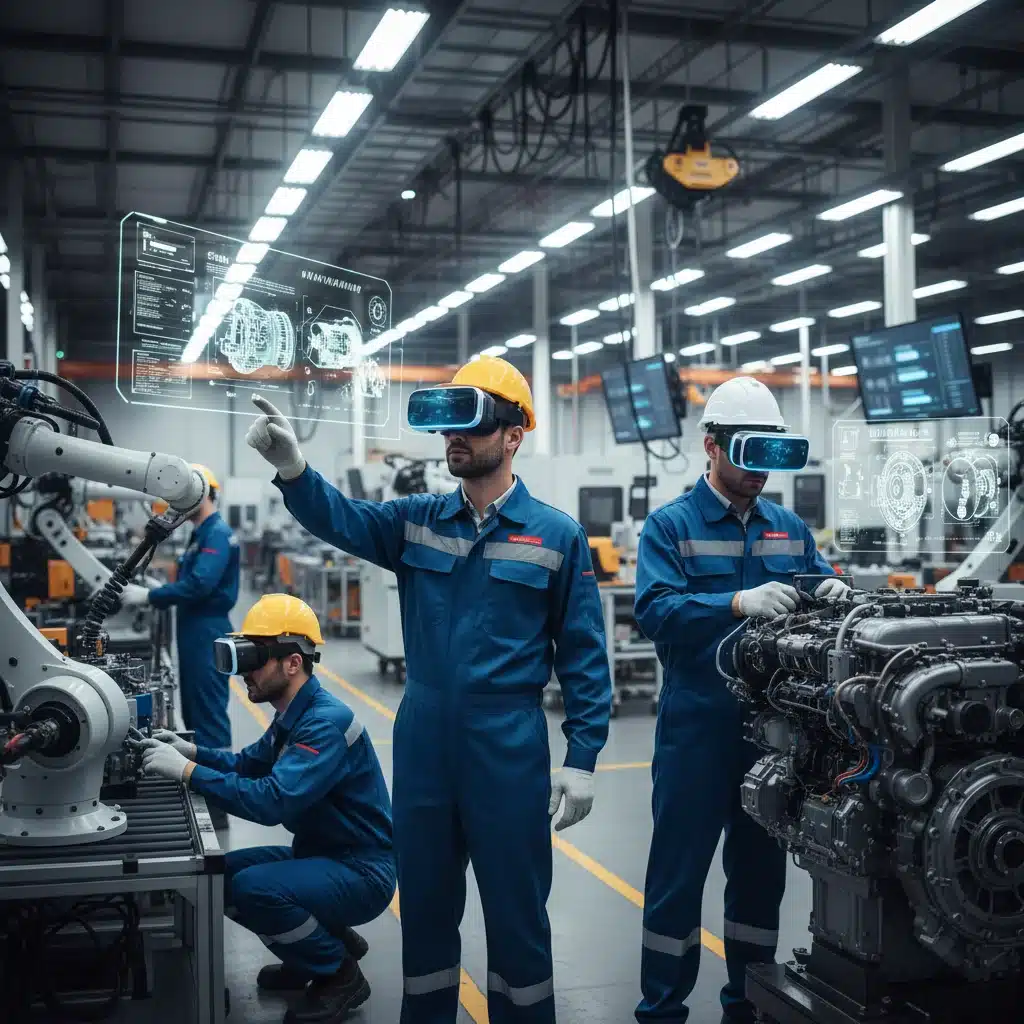
Enterprise AR continues to be a dominant force, with businesses increasingly leveraging AR for operational efficiency, training, and remote assistance. Industries such as manufacturing, logistics, healthcare, and field services are seeing significant returns on investment. AR-powered smart glasses enable frontline workers to access real-time information, receive guided instructions, and collaborate with remote experts, drastically reducing errors and improving productivity. The focus is shifting from experimental pilot programs to scalable, integrated solutions that are central to business operations.
2. Enhanced Consumer Experiences
While enterprise applications lead in immediate ROI, consumer AR is poised for explosive growth. The proliferation of AR-enabled smartphones and the anticipated release of more advanced, consumer-friendly AR glasses are set to transform how people interact with brands, shop, and consume entertainment. Virtual try-on experiences for fashion and cosmetics, immersive gaming, interactive navigation, and AR-enhanced social media filters are just the tip of the iceberg. The emphasis here is on creating engaging, personalized, and convenient experiences that seamlessly integrate AR into daily life.
3. Advancements in Spatial Computing and Persistent AR
Spatial computing, the ability of AR systems to understand and interact with the physical world in a meaningful way, is a cornerstone of future AR development trends. This involves advanced 3D mapping, object recognition, and scene understanding. Coupled with persistent AR, where digital content remains anchored in specific physical locations for extended periods, this trend enables richer, more interactive environments. Imagine digital art installations that stay in public spaces, or personalized guides that appear only when you visit certain landmarks. This opens up new avenues for public installations, interactive advertising, and location-based entertainment.
4. AI Integration for Intelligent AR
The synergy between AR and AI is becoming increasingly pronounced. AI algorithms are enhancing AR experiences by enabling more accurate object recognition, predictive interactions, and personalized content delivery. For instance, AI can analyze a user’s environment and preferences to dynamically adjust AR content, making it more relevant and engaging. This integration also extends to natural language processing, allowing for more intuitive voice commands and conversational AI within AR applications, further streamlining user interaction.
5. The Rise of WebAR
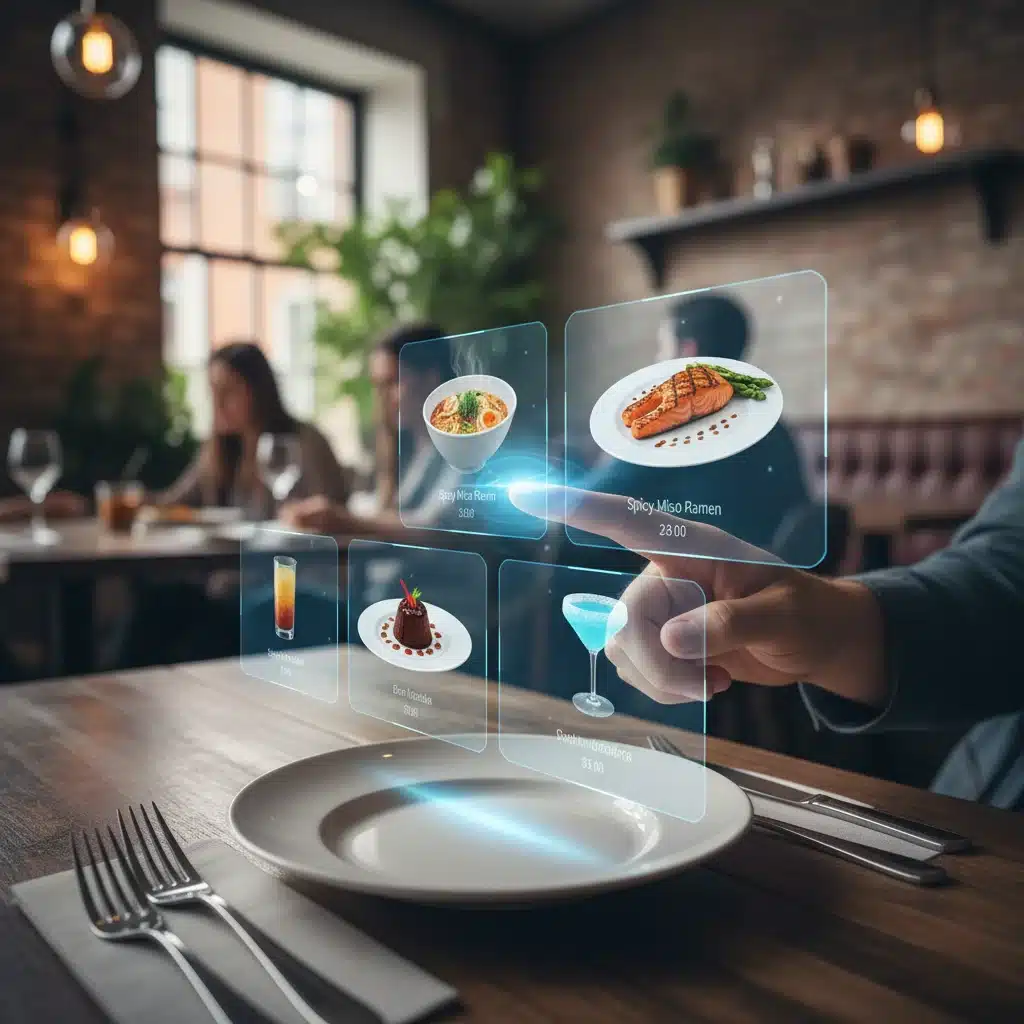
WebAR, or browser-based augmented reality, is gaining significant traction due to its accessibility. By eliminating the need for app downloads, WebAR lowers the barrier to entry for users, making AR experiences more readily available. This is particularly beneficial for marketing campaigns, product visualizations, and quick interactive experiences. As browser capabilities improve and 5G networks become more widespread, WebAR is expected to play a crucial role in democratizing AR content and expanding its reach.
6. Focus on Privacy and Security
As AR devices become more sophisticated and collect increasing amounts of data about users and their environments, privacy and security are paramount concerns. Developers and platform providers are investing heavily in robust security protocols, transparent data handling policies, and user controls to build trust and ensure responsible AR deployment. This trend will shape regulatory frameworks and consumer acceptance of AR technologies.
Opportunities for Innovation and Investment in Q1 2026
The prevailing AR development trends unlock a multitude of opportunities across various sectors:
1. Healthcare and Medical Training
AR is revolutionizing surgical planning, medical education, and patient care. Surgeons can overlay patient data onto their field of view during operations, while medical students can practice complex procedures in immersive virtual environments. Telemedicine is also benefiting from AR, enabling remote specialists to guide local practitioners with visual aids. Investment in AR solutions for diagnostics, therapy, and surgical assistance is expected to surge.
2. Retail and E-commerce
The retail sector is ripe for AR innovation. Virtual try-on applications for clothing, accessories, and makeup are enhancing online shopping experiences and reducing return rates. AR can also transform physical stores, offering interactive product information, personalized recommendations, and engaging in-store navigation. Companies that can seamlessly integrate AR into their customer journey will gain a significant competitive edge.
3. Education and Training
AR offers unparalleled potential to create engaging and interactive learning experiences. From bringing textbooks to life with 3D models to providing immersive simulations for vocational training, AR can make education more accessible and effective. The demand for AR-based educational content and platforms is growing rapidly, presenting a fertile ground for content creators and educational technology companies.
4. Manufacturing and Industrial Design
In manufacturing, AR is used for assembly guidance, quality control, and predictive maintenance. Designers can visualize and iterate on product prototypes in 3D, reducing development cycles and costs. The ability to overlay digital twins onto physical equipment provides real-time insights and enhances operational efficiency. The ongoing push towards Industry 4.0 will further accelerate AR adoption in these sectors.
5. Entertainment and Gaming
AR gaming continues to evolve beyond simple mobile experiences, with more complex narratives and interactive gameplay emerging. Location-based AR entertainment, where digital content is tied to physical locations, is also gaining popularity, offering unique experiences in theme parks, museums, and public spaces. The convergence with 5G is enabling more seamless, multiplayer AR gaming experiences.
6. Real Estate and Architecture
AR is transforming how properties are viewed and designed. Prospective buyers can take virtual tours of properties, customize interiors, and visualize future developments before they are built. Architects and urban planners use AR to overlay designs onto real-world sites, facilitating better visualization and collaboration. This reduces the need for physical models and speeds up decision-making processes.
Challenges and Considerations for AR Development
Despite the immense potential, the AR market in the US also faces several challenges. High hardware costs, particularly for advanced AR glasses, remain a barrier to mass consumer adoption. The need for robust connectivity, especially for cloud-rendered AR experiences, highlights the importance of 5G infrastructure. Furthermore, content creation for AR is often complex and resource-intensive, requiring specialized skills and tools.
Interoperability between different AR platforms and devices is another critical area for development. A fragmented ecosystem can hinder widespread adoption and create silos for developers. Efforts towards standardization and open platforms will be crucial for the long-term health of the AR market. Addressing these challenges will require collaborative efforts from hardware manufacturers, software developers, content creators, and regulatory bodies.
The Road Ahead: Forecasting Beyond Q1 2026
Looking beyond Q1 2026, the AR development trends are set to accelerate even further. The integration of AR with other emerging technologies like the Internet of Things (IoT), blockchain, and advanced haptics will unlock new functionalities and create truly immersive, intelligent experiences. The ultimate vision of AR, where digital information seamlessly blends with our perception of reality, is steadily moving closer.
The US market will continue to be a global leader in AR innovation, driven by its strong research institutions, entrepreneurial culture, and significant investment in cutting-edge technologies. The emphasis will shift towards creating more intuitive, personalized, and context-aware AR applications that cater to a wide range of user needs and preferences. The ethical implications of AR, including data privacy, digital well-being, and the potential for digital divide, will also become increasingly important considerations, guiding responsible development and deployment.
In conclusion, the state of AR development in the US for Q1 2026 is characterized by dynamic growth, significant technological advancements, and a wealth of opportunities. From enterprise efficiency to consumer delight, AR is redefining how we interact with information and the world around us. By understanding and strategically engaging with these key AR development trends, stakeholders can position themselves at the forefront of this transformative technological wave, shaping the future of augmented reality.