

Augmented Reality for Field Service: Reducing Downtime by 20% for US Technicians in 2026
In the dynamic world of modern industry, where every second of operational uptime translates directly into revenue and customer satisfaction, the challenge of minimizing equipment downtime remains paramount. For US field service technicians, this challenge is particularly acute, often involving complex machinery, remote locations, and the constant pressure to deliver swift, effective solutions. However, a revolutionary technology is rapidly emerging as a game-changer: Augmented Reality (AR). This isn’t just a futuristic concept; it’s a practical, deployable solution that is poised to dramatically transform field service operations, with projections indicating a staggering 20% reduction in downtime for US technicians by 2026. The integration of AR field service solutions promises to redefine efficiency, enhance technician capabilities, and ultimately, bolster bottom lines across various sectors.
The traditional model of field service, while effective for decades, is increasingly showing its limitations in an era of rapid technological advancement and escalating customer expectations. Technicians often face situations where they lack immediate access to critical information, require expert consultation that isn’t readily available on-site, or need extensive training for new, intricate equipment. These bottlenecks invariably lead to extended diagnostic times, repeated visits, and, most importantly, prolonged equipment downtime. This is where the power of AR steps in, offering an innovative paradigm shift. By overlaying digital information onto the real-world environment, AR empowers technicians with real-time data, interactive guides, and remote expert assistance, transforming their workflow from reactive troubleshooting to proactive, precision-driven problem-solving. This article delves deep into how AR is not just a trend but a strategic imperative for businesses aiming to optimize their field service operations and achieve significant reductions in downtime.
Understanding the Core Challenge: The Cost of Downtime in US Field Service
Before we explore the transformative potential of AR, it’s crucial to grasp the profound impact of downtime on US industries. Downtime isn’t merely an inconvenience; it’s a significant financial drain, leading to lost productivity, missed deadlines, contractual penalties, and damaged customer relationships. In sectors like manufacturing, energy, telecommunications, and healthcare, even a few hours of equipment malfunction can translate into millions of dollars in losses. For US companies, the average cost of downtime can range from thousands to hundreds of thousands of dollars per hour, depending on the industry and the specific asset. This immense financial pressure underscores the urgent need for innovative solutions that can drastically cut down the time equipment spends offline.
The complexity of modern machinery, coupled with a shrinking pool of experienced technicians and the geographical spread of operations, exacerbates the challenge. When a critical piece of equipment fails, a field service technician is dispatched. Their ability to diagnose and repair the issue quickly and correctly on the first visit is paramount. However, they often encounter unfamiliar equipment, nuanced problems requiring specialized knowledge, or simply a lack of immediate access to the right manuals or schematics. These factors contribute to extended Mean Time To Repair (MTTR) and, consequently, increased downtime. Traditional methods of support, such as phone calls or video conferencing on handheld devices, often lack the immersive, contextual assistance needed for intricate repairs. The limitations of these conventional approaches highlight the ripe opportunity for technologies like AR to step in and bridge these critical gaps, directly addressing the core challenge of reducing downtime.
How Augmented Reality Revolutionizes Field Service Operations
The integration of AR field service technologies is fundamentally reshaping how technicians operate, offering a suite of capabilities that directly target the root causes of downtime. AR doesn’t replace the technician; it augments their abilities, making them more efficient, knowledgeable, and effective. The core principle involves overlaying digital content—such as 3D models, step-by-step instructions, sensor data, or live annotations from a remote expert—directly onto a technician’s real-world view of the equipment. This contextual information is delivered precisely when and where it’s needed, eliminating ambiguity and accelerating decision-making.
Real-time Remote Assistance: Bridging the Expertise Gap
One of the most impactful applications of AR in field service is real-time remote assistance. Imagine a junior technician struggling with a complex repair. Instead of waiting for a senior expert to travel to the site, which could take hours or even days, the technician can connect with an expert remotely via an AR headset. The expert, viewing the technician’s real-time perspective through the headset camera, can then annotate the technician’s field of view, draw circles around components, point to specific parts, or overlay digital instructions directly onto the equipment. This visual, interactive guidance is far superior to verbal instructions over a phone call, significantly accelerating diagnosis and repair. This capability alone can drastically reduce the MTTR, directly contributing to the 20% downtime reduction target.
Interactive Step-by-Step Guides and Digital Work Instructions
For routine maintenance or repairs on unfamiliar equipment, AR can provide dynamic, step-by-step digital work instructions. Instead of flipping through paper manuals or navigating complex PDFs on a tablet, technicians see instructions overlaid onto the actual machine. For example, an AR application could highlight the exact screw to loosen, show an animation of how a part should be removed, or display torque specifications directly next to the relevant bolt. This reduces errors, speeds up task completion, and ensures adherence to best practices, regardless of the technician’s prior experience with that specific model. This level of guided assistance empowers technicians to perform tasks accurately and efficiently, minimizing the need for rework and repeat visits.
Enhanced Training and Onboarding with AR
The benefits of AR extend beyond immediate repair scenarios into the realm of training and skill development. The traditional apprenticeship model, while valuable, is time-consuming and often limits the number of technicians who can gain hands-on experience with critical equipment. AR offers an immersive and highly effective alternative for training new technicians and upskilling existing ones. By simulating real-world repair scenarios or providing interactive 3D models of machinery, AR allows technicians to practice complex procedures in a safe, controlled environment without risking damage to actual equipment.
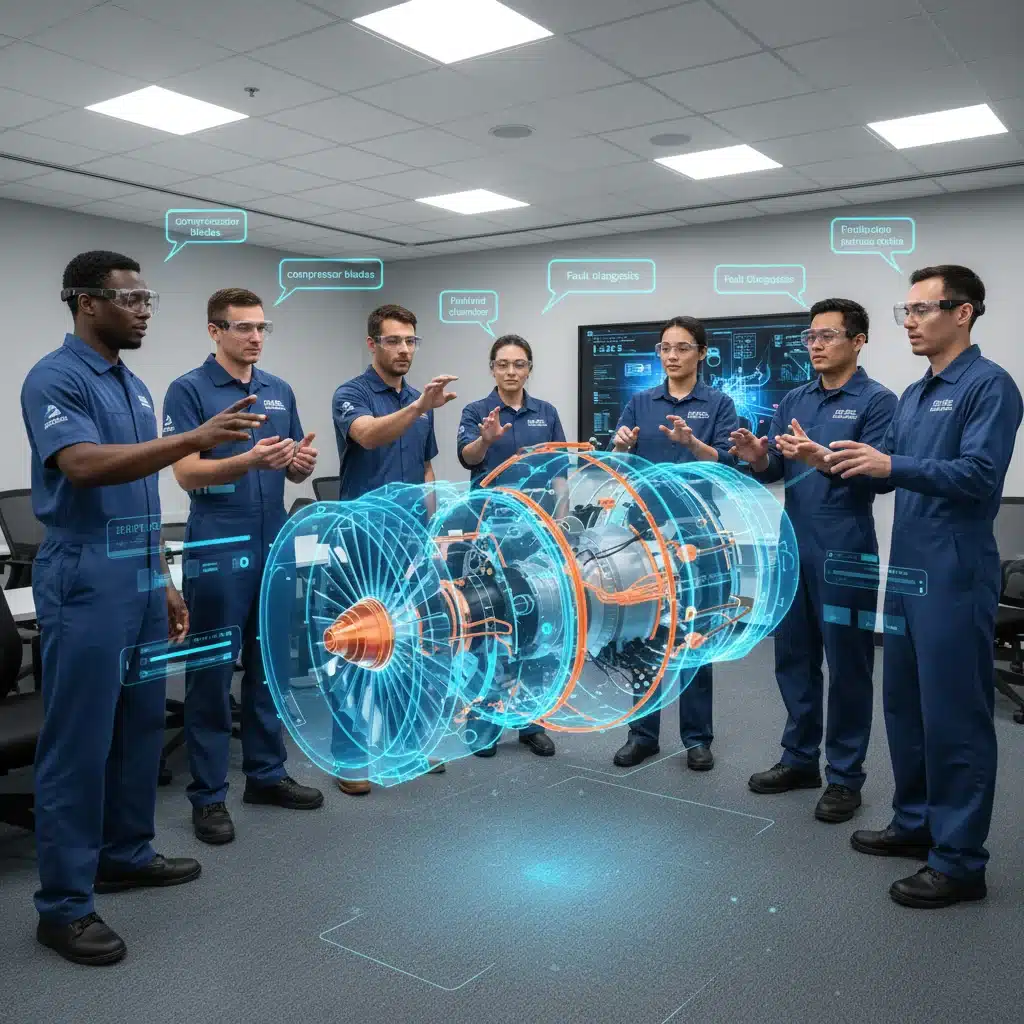
Imagine a new technician learning to service a specialized industrial pump. With AR, they can interact with a holographic representation of the pump, disassemble it virtually, identify components, and practice assembly sequences. This hands-on, visual learning experience significantly accelerates the learning curve, making new technicians productive much faster. Furthermore, AR can provide on-the-job training, offering contextual information and guidance as technicians work, reinforcing learned skills and introducing new ones in real-time. This continuous learning environment ensures that the workforce remains agile and capable of handling the ever-evolving complexities of modern industrial equipment, directly impacting the ability to reduce AR field service related downtime.
Predictive Maintenance and Proactive Troubleshooting with AR
While AR excels in reactive repair, its true power also lies in its ability to facilitate predictive and proactive maintenance strategies. By integrating AR with IoT sensors and data analytics platforms, field service organizations can move beyond simply reacting to breakdowns. Technicians equipped with AR devices can visualize real-time sensor data overlaid onto equipment, instantly identifying anomalies or potential failure points before they escalate into critical issues. For instance, an AR overlay might display temperature readings, vibration levels, or pressure gauges directly on a valve or motor, alerting the technician to an impending problem.
This capability transforms routine inspections into intelligent diagnostic sessions. Technicians can use AR to quickly verify the health of components, identify parts that are nearing their end-of-life, and schedule proactive maintenance. By addressing issues before they cause catastrophic failures, companies can significantly reduce unplanned downtime, which is often the most costly type of downtime. The shift from reactive to proactive maintenance, enabled by AR, is a critical component in achieving the ambitious goal of a 20% reduction in downtime by 2026 for US technicians.
The Economic Impact: Quantifying the 20% Downtime Reduction
Achieving a 20% reduction in downtime for US field service technicians by 2026 is not merely an operational improvement; it represents a substantial economic benefit for businesses across various industries. To fully appreciate this impact, it’s essential to consider the direct and indirect savings generated by such a significant reduction.
- Direct Cost Savings: Reduced downtime means fewer lost production hours, fewer penalties for missed service level agreements (SLAs), and a direct increase in operational output. For industries with high production volumes or critical infrastructure, these savings can amount to millions of dollars annually.
- Increased Technician Efficiency: With AR, technicians complete tasks faster and with higher first-time fix rates. This means they can handle more service calls per day, improving overall workforce productivity without necessarily increasing headcount. The efficiency gains translate directly into lower labor costs per service event.
- Reduced Travel and Logistics Costs: Remote assistance capabilities minimize the need for senior experts to travel to sites, cutting down on travel expenses, accommodation, and lost time. Fewer repeat visits also contribute to significant savings in fuel, vehicle maintenance, and technician hours.
- Extended Asset Lifespan: More accurate and timely maintenance, facilitated by AR, can lead to better care of equipment, extending its operational lifespan and delaying costly capital expenditures for replacements.
- Improved Customer Satisfaction and Retention: Faster resolutions and minimized downtime directly enhance customer satisfaction. Happy customers are more likely to remain loyal, reducing customer churn and supporting long-term business growth.
The cumulative effect of these benefits paints a compelling picture for the adoption of AR field service solutions. The 20% downtime reduction isn’t just an arbitrary number; it’s a conservative estimate of the tangible value AR can bring to the bottom line of US businesses.
Implementing AR in Your Field Service Operations: Best Practices
While the benefits of AR are clear, successful implementation requires a strategic approach. It’s not simply about purchasing headsets; it’s about integrating AR into existing workflows, training personnel, and ensuring a robust technological backbone.
1. Start Small, Scale Smart
Begin with pilot programs in specific areas or with particular types of equipment where downtime costs are highest or expertise is scarce. This allows for testing, gathering feedback, and refining the AR solution before a broader rollout. Learning from these initial deployments is crucial for a successful enterprise-wide adoption.
2. Choose the Right AR Hardware and Software
The market for AR devices is evolving rapidly. Select hardware that is durable, comfortable for technicians to wear for extended periods, and suitable for the industrial environment (e.g., ruggedized, intrinsically safe if required). Pair this with robust software that offers intuitive interfaces, strong backend integration capabilities (with existing FSM, CRM, or ERP systems), and comprehensive support for remote assistance, digital workflows, and data visualization.
3. Comprehensive Training and Change Management
Technicians need to be thoroughly trained not just on how to use the AR device, but also on how it integrates into their daily tasks. Effective change management strategies are vital to overcome resistance and ensure enthusiastic adoption. Highlight the benefits to technicians – making their jobs easier, safer, and more efficient – rather than just focusing on corporate efficiency gains. 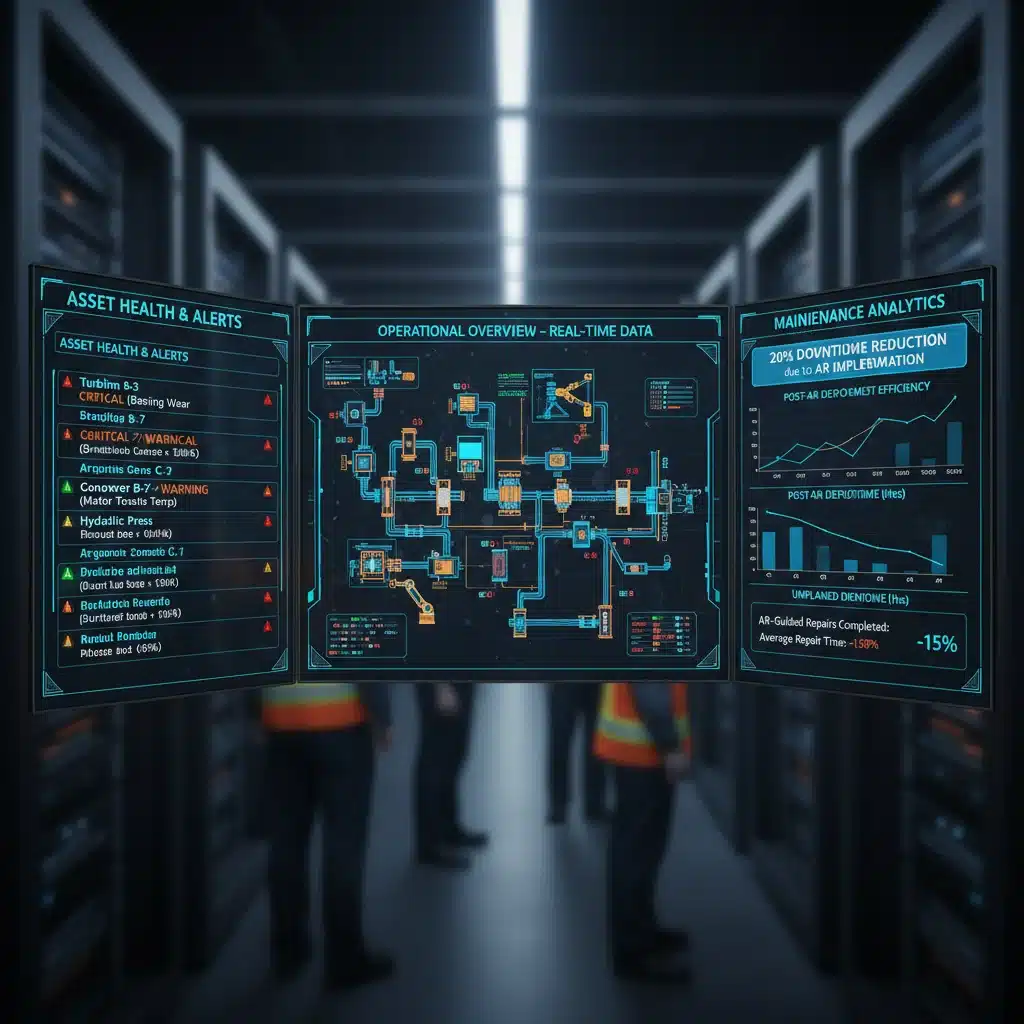
4. Integrate with Existing Systems
For AR to deliver its full potential, it must be seamlessly integrated with existing enterprise systems such as Field Service Management (FSM) platforms, Enterprise Resource Planning (ERP), and Computerized Maintenance Management Systems (CMMS). This ensures that data flows freely, work orders are automatically updated, and technicians have access to all relevant historical data and asset information through their AR interface.
5. Data Security and Privacy
As AR systems often handle sensitive operational data and potentially transmit live video feeds, robust data security and privacy protocols are non-negotiable. Ensure that all data transmission is encrypted, access controls are in place, and compliance with relevant industry regulations (e.g., HIPAA, GDPR) is maintained.
The Future Landscape: Beyond 2026
The 20% downtime reduction by 2026 for US technicians is just the beginning. As AR technology matures and becomes even more sophisticated, its impact on field service will continue to grow. We can anticipate advancements in several key areas:
- AI-Powered AR: The integration of Artificial Intelligence (AI) will make AR even smarter. AI could proactively identify issues based on visual inspection through the AR camera, suggest optimal repair paths, or even autonomously guide technicians through complex procedures with minimal human intervention.
- Haptic Feedback and Gesture Control: More intuitive interfaces, including haptic feedback (tactile sensations) and advanced gesture controls, will make AR interactions more natural and efficient, further reducing cognitive load on technicians.
- Digital Twins and AR: The combination of AR with digital twin technology (virtual replicas of physical assets) will create incredibly powerful diagnostic and maintenance tools. Technicians could compare the real-world asset with its digital twin in AR to spot discrepancies, simulate repairs, or predict performance issues with unprecedented accuracy.
- Enhanced Collaboration: Multi-user AR experiences will allow multiple technicians, both on-site and remote, to collaborate simultaneously on a single piece of equipment, fostering collective problem-solving and knowledge transfer.
These future developments underscore that AR is not a static technology but a rapidly evolving platform that will continue to deliver increasing value to AR field service operations. Businesses that embrace this technology early will not only gain a competitive advantage but also build a resilient, efficient, and future-proof field service organization.
Conclusion: Embracing the AR Revolution for Unprecedented Efficiency
The era of traditional field service is giving way to a new paradigm defined by innovation, efficiency, and intelligence, largely driven by Augmented Reality. For US field service technicians and the organizations they serve, AR presents an unparalleled opportunity to overcome long-standing challenges related to equipment downtime, skill gaps, and operational inefficiencies. The projection of a 20% reduction in downtime by 2026 is not an optimistic fantasy but a tangible, achievable goal rooted in the proven capabilities of AR technology.
By empowering technicians with real-time contextual information, enabling seamless remote expert collaboration, and revolutionizing training methodologies, AR transforms every service call into a highly efficient and effective operation. The economic benefits are clear: reduced operational costs, increased asset utilization, improved technician productivity, and ultimately, enhanced customer satisfaction and loyalty. As businesses continue to navigate an increasingly complex technological landscape, the strategic adoption of AR in field service will not just be a competitive advantage, but a necessity for sustained growth and success. The time to invest in and integrate AR into your field service strategy is now, to unlock unprecedented levels of efficiency and secure a dominant position in the industries of tomorrow.