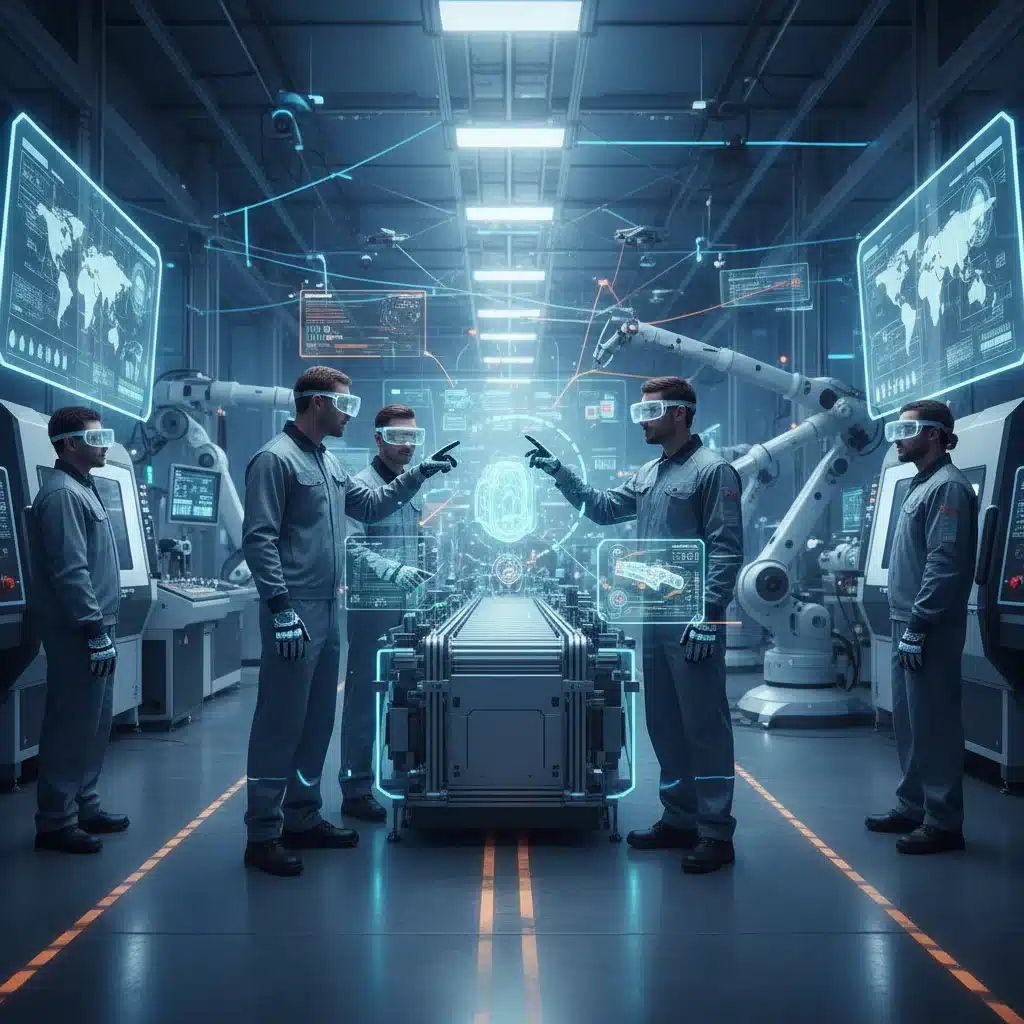
The landscape of the American workforce is undergoing a profound transformation, driven by rapid technological advancements. Among the most impactful innovations emerging is Augmented Reality (AR). Far from being a niche technology, AR is swiftly integrating into various industries, from manufacturing and healthcare to retail and education. For US professionals, understanding and mastering key AR skills professionals will need by 2026 is not merely an advantage; it’s a necessity for career longevity and success. This comprehensive guide will explore the eight essential AR skills that will define the future-ready professional, offering insights into why they are crucial and how to acquire them.
The pace of technological change can feel overwhelming, but proactive engagement with emerging technologies like AR offers immense opportunities. Companies are increasingly seeking individuals who can not only adapt to new tools but also innovate with them. By 2026, AR is projected to be a multi-billion dollar industry, influencing how we work, learn, and interact with the world. Professionals who possess a strong foundation in AR will be uniquely positioned to lead this charge, driving efficiency, enhancing user experiences, and unlocking new business models. This article delves into the specific competencies that will empower you to thrive in this augmented future.
Understanding the Augmented Reality Revolution
Before diving into specific skills, it’s crucial to grasp the scope of the AR revolution. Unlike Virtual Reality (VR), which immerses users in entirely simulated environments, AR overlays digital information onto the real world. Think of apps like Pokémon GO, Snapchat filters, or industrial applications where technicians see digital repair instructions directly on machinery. This seamless blend of the physical and digital offers unparalleled opportunities for enhancing productivity, training, and customer engagement across a multitude of sectors. The demand for AR skills professionals is escalating rapidly as businesses recognize its transformative potential.
From architectural visualization to surgical training, AR is proving to be a versatile tool. Businesses are investing heavily in AR solutions to streamline operations, reduce errors, and create more engaging experiences for their customers. This widespread adoption means that a broad spectrum of roles, not just those in tech, will require some level of AR proficiency. Therefore, understanding the fundamentals of AR technology and its applications is the first step toward future-proofing your career.
1. 3D Modeling and Asset Creation
At the heart of any compelling AR experience are the 3D models and assets that populate the augmented world. Whether it’s a virtual product for an e-commerce app, an interactive anatomical model for medical training, or a complex machine part for industrial maintenance, these digital objects need to be meticulously designed and optimized. Professionals with skills in 3D modeling software like Blender, Maya, or Unity’s ProBuilder will be in high demand. This skill set involves not just creating visually appealing models but also understanding poly counts, texture mapping, and optimization techniques essential for smooth AR performance on various devices.
Beyond static models, the ability to create animated 3D assets is also becoming increasingly valuable. Imagine an AR app that demonstrates how a piece of furniture assembles itself, or a training module that shows the internal workings of an engine. These dynamic experiences require expertise in animation principles and software. As AR becomes more sophisticated, the need for realistic, performant, and engaging 3D content will only grow, making 3D modeling and asset creation a cornerstone among essential AR skills professionals.
2. AR Development Platforms and Tools Proficiency
Developing AR applications requires familiarity with specialized platforms and SDKs (Software Development Kits). The most prominent among these include Unity, Unreal Engine, ARKit (Apple), ARCore (Google), and Vuforia. Each platform offers unique capabilities and targets different devices and operating systems. Proficiency in at least one, if not several, of these tools is critical for anyone looking to build or implement AR solutions.
Learning these platforms involves understanding their APIs, development workflows, and optimization techniques. For instance, Unity, often paired with C#, is a powerful engine for creating interactive 3D content and AR experiences across multiple devices. Unreal Engine, known for its high-fidelity graphics, is gaining traction in enterprise AR. Professionals who can navigate these environments, write custom scripts, and integrate various AR functionalities will be invaluable. This technical acumen directly translates into the ability to bring AR concepts to life, making it a non-negotiable entry on the list of vital AR skills professionals must cultivate.
3. UI/UX Design for Augmented Reality
Designing user interfaces and experiences for AR is fundamentally different from traditional web or mobile design. In AR, the interface often blends seamlessly with the real world, requiring intuitive spatial interactions, gesture controls, and contextual awareness. UI/UX designers for AR need to consider factors like field of view, depth perception, user comfort, and how digital objects interact with physical environments. This involves a deep understanding of human-computer interaction in three dimensions.
Key skills include spatial computing principles, understanding of haptic feedback, voice command integration, and designing for varying levels of user mobility. An effective AR UI/UX ensures that the augmented information enhances, rather than detracts from, the user’s real-world experience. Professionals who can create intuitive, engaging, and non-intrusive AR experiences will be highly sought after. This specialized design expertise is paramount for creating AR solutions that are not only functional but also enjoyable and easy to use, solidifying its place among crucial AR skills professionals need.
4. Spatial Computing and Environmental Understanding
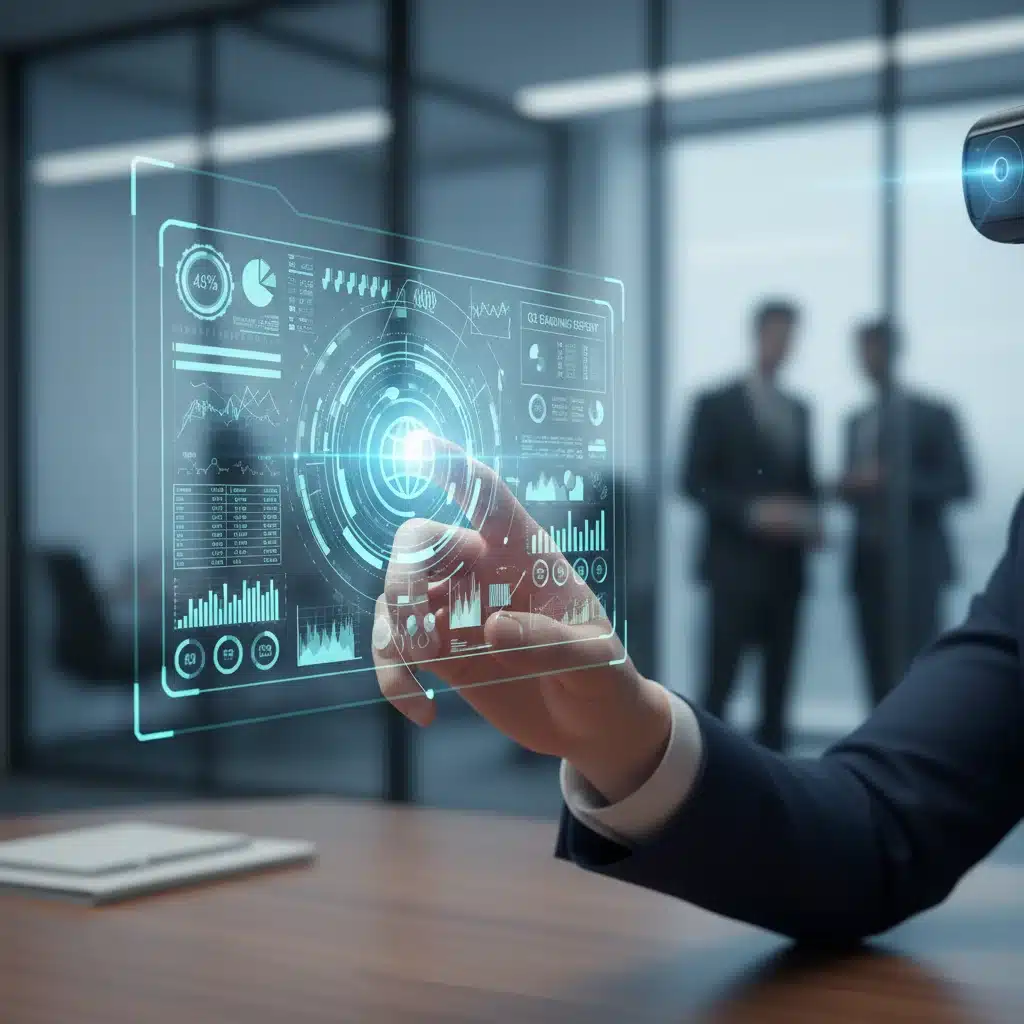
Augmented Reality thrives on its ability to understand and interact with the physical environment. Spatial computing is the concept of systems that can perceive and process the real physical world and interact with it. For AR, this means the ability to accurately map surfaces, track objects, understand depth, and anchor digital content firmly within the real world. Professionals need to understand concepts like SLAM (Simultaneous Localization and Mapping), object recognition, and persistent AR experiences.
Developing this skill involves working with sensors (cameras, LiDAR, IMUs), algorithms, and frameworks that allow AR applications to ‘see’ and ‘understand’ their surroundings. This is critical for applications that require precise placement of virtual objects, collision detection, or interactive experiences that respond to physical elements. Mastery of spatial computing ensures that AR applications are robust, realistic, and truly augment the user’s reality, making it a foundational element of the necessary AR skills professionals will need.
5. Data Visualization in 3D and AR
AR offers a powerful new medium for data visualization, allowing users to experience complex datasets in a spatial and interactive manner. Instead of flat charts and graphs, imagine seeing real-time performance metrics overlaid directly onto machinery on a factory floor, or visualizing urban planning data in a 3D model of a city street. This requires skills in transforming abstract data into tangible, understandable, and interactive 3D representations within an AR context.
Professionals need to understand principles of 3D data visualization, information hierarchy, and how to design AR overlays that are clear, concise, and actionable without overwhelming the user. This skill combines analytical thinking with design prowess, enabling the creation of powerful AR tools for decision-making, analysis, and training. As data continues to grow in volume and complexity, the ability to visualize it effectively in AR will become an increasingly valuable asset for AR skills professionals.
6. Programming Languages for AR Development
While many AR platforms offer visual scripting tools, a solid foundation in programming languages remains indispensable for advanced AR development. C# is the primary language for Unity, while C++ is crucial for Unreal Engine and lower-level AR development. Python is gaining traction for AR-related tasks, particularly in machine learning (ML) and computer vision components that power advanced AR features like object recognition and tracking.
Knowledge of these languages allows developers to create custom functionalities, optimize performance, integrate external APIs, and build complex AR systems. Even for roles that aren’t purely development-focused, understanding the basics of programming can significantly enhance a professional’s ability to communicate with technical teams, debug issues, and contribute to AR project planning. Proficiency in relevant programming languages is a core competency among the essential AR skills professionals must acquire.
7. Interdisciplinary Collaboration and Communication
AR projects are inherently interdisciplinary, often requiring collaboration between 3D artists, software engineers, UI/UX designers, data scientists, and subject matter experts. Effective communication and the ability to work in cross-functional teams are paramount. Professionals need to articulate complex technical concepts to non-technical stakeholders and translate business requirements into technical specifications for AR development teams.
This soft skill involves active listening, empathy, conflict resolution, and the ability to integrate diverse perspectives into a cohesive AR solution. As AR deployments become more widespread and integrated into core business functions, the capacity to foster seamless collaboration will be as critical as any technical skill. This often-overlooked aspect of project success is a vital component of the comprehensive AR skills professionals need to master.
8. Ethical Considerations and Privacy in AR
As AR technology becomes more pervasive, so do the ethical considerations surrounding its use. Professionals working with AR must be acutely aware of issues related to data privacy, user consent, potential biases in algorithms, and the impact of AR on human behavior and perception. AR applications often collect vast amounts of spatial data and user interaction data, raising concerns about surveillance and data security.
Understanding and adhering to ethical guidelines and privacy regulations (like GDPR, CCPA, and future AR-specific legislation) is not just a legal requirement but a moral imperative. Professionals need to design and implement AR solutions responsibly, prioritizing user well-being and data protection. This forward-thinking approach to ethical AR development will distinguish leaders in the field and is an indispensable part of the comprehensive AR skills professionals should possess.
Acquiring and Developing AR Skills
For US professionals looking to cultivate these essential AR skills, several pathways exist:
- Online Courses and Certifications: Platforms like Coursera, edX, Udemy, and Udacity offer specialized courses in AR development, 3D modeling, and UI/UX design. Many also provide certifications that validate your expertise.
- Bootcamps and Workshops: Intensive, short-term programs can provide hands-on experience and accelerate skill acquisition in specific AR tools or disciplines.
- University Programs: A growing number of universities are offering degrees or specializations in XR (Extended Reality), which encompasses AR, VR, and MR (Mixed Reality).
- Self-Learning and Personal Projects: The AR community is vibrant and open-source tools are abundant. Building personal projects, experimenting with AR SDKs, and participating in hackathons are excellent ways to gain practical experience.
- Industry Conferences and Meetups: Attending events like AWE (Augmented World Expo) or local AR meetups can provide networking opportunities, insights into emerging trends, and exposure to cutting-edge AR applications.
- Documentation and Tutorials: Leveraging the official documentation for ARKit, ARCore, Unity, and Unreal Engine, along with countless online tutorials, can be a highly effective way to learn.
- Internships and Entry-Level Roles: Gaining practical experience within companies working on AR projects is invaluable for understanding real-world challenges and solutions.
The key is to adopt a continuous learning mindset. The AR field is evolving rapidly, and staying updated with the latest tools, techniques, and best practices will be crucial for long-term success. Focusing on practical application and building a portfolio of AR projects can significantly boost your employability and demonstrate your mastery of these critical AR skills professionals will demand.
The Impact of AR Skills on Various Industries
The acquisition of these AR skills will not only benefit individual professionals but will also have a transformative impact across numerous US industries:
- Manufacturing and Industrial: AR can revolutionize maintenance, assembly, quality control, and training. Technicians can receive real-time instructions overlaid on machinery, reducing errors and downtime.
- Healthcare: Surgeons can use AR for pre-operative planning and intra-operative guidance. Medical students can practice complex procedures on holographic models.
- Retail and E-commerce: AR allows customers to virtually try on clothes, place furniture in their homes, or visualize products in their environment, enhancing the shopping experience and reducing returns.
- Education and Training: AR can create immersive and interactive learning experiences, making complex subjects more engaging and understandable, from dissecting virtual frogs to exploring historical sites.
- Architecture, Engineering, and Construction (AEC): AR enables professionals to visualize building designs in situ, collaborate on virtual models, and conduct on-site inspections with digital overlays.
- Marketing and Advertising: Brands can create highly engaging and interactive AR campaigns that capture consumer attention in novel ways.
The demand for professionals equipped with these skills will continue to grow as more industries recognize and implement AR solutions. This broad applicability underscores why investing in these AR skills professionals is a strategic move for career advancement.
Conclusion: Embracing the Augmented Future
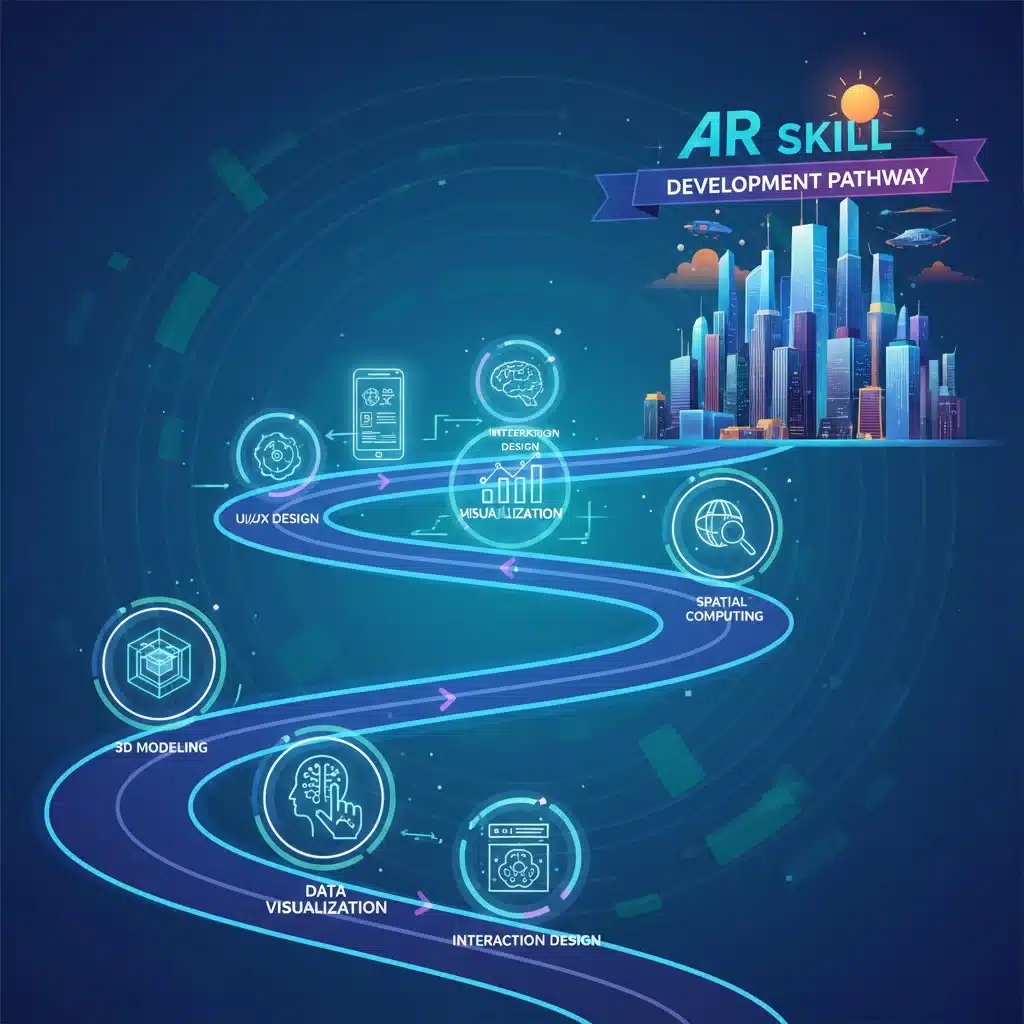
The year 2026 is just around the corner, and the shift towards an augmented workforce is accelerating. For US professionals, the time to invest in essential AR skills is now. From the foundational aspects of 3D modeling and platform proficiency to the nuanced demands of UI/UX design, spatial computing, and ethical considerations, mastering these eight areas will provide a robust foundation for navigating the future job market.
By proactively acquiring these AR skills professionals can not only secure their own career trajectories but also become key innovators in their respective fields, driving progress and unlocking new possibilities. The future is augmented, and those who embrace this reality will be the ones to shape it. Begin your journey today to become an indispensable part of the next technological frontier.