U.S. Enterprise VR Adoption Rates: A 2026 Forecast and What It Means for Your Business (RECENT UPDATES)
Virtual Reality (VR) is no longer confined to the realm of science fiction or niche gaming. It is rapidly emerging as a transformative technology with significant implications for businesses across various sectors. The United States, a global leader in technological innovation, is at the forefront of this revolution. Understanding the projected U.S. enterprise VR adoption rates by 2026 is crucial for any forward-thinking organization aiming to maintain a competitive edge and harness the power of immersive experiences.
This comprehensive analysis delves into the current landscape of enterprise VR, forecasts its trajectory over the next few years, and explores the profound impact it will have on business operations, employee training, product development, and customer engagement. We will examine the key drivers propelling this adoption, the challenges that need to be overcome, and the strategic opportunities that await businesses ready to embrace this new paradigm.
The Current State of Enterprise VR Adoption in the U.S.
While consumer VR has seen fluctuating interest, the enterprise sector has consistently demonstrated a more robust and sustained growth in VR adoption. Businesses are increasingly recognizing VR’s potential to solve real-world problems, enhance efficiency, and create entirely new value propositions. Early adopters have primarily been in industries such as manufacturing, healthcare, education, and retail, utilizing VR for specific, high-impact applications.
Key Applications Driving Early U.S. Enterprise VR Adoption:
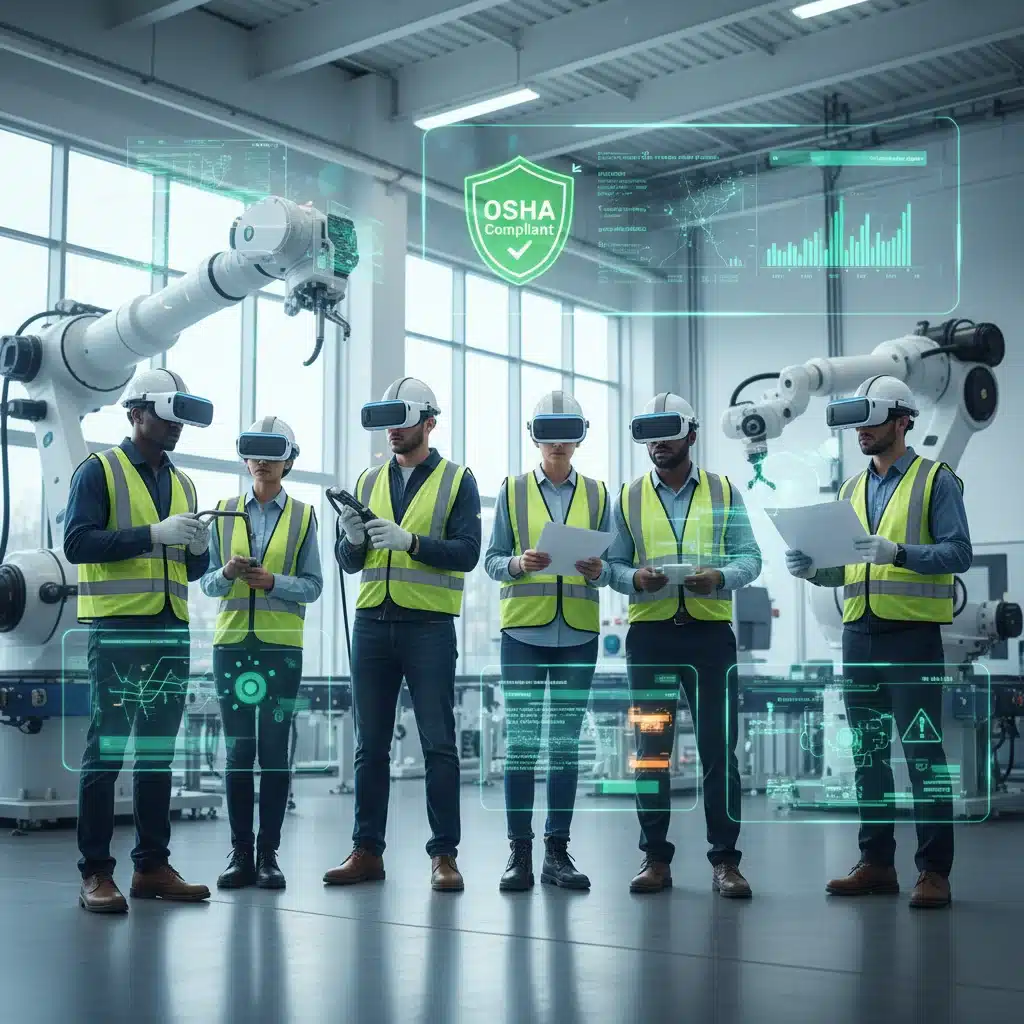
- Training and Simulation: From surgical training for doctors to complex machinery operation for engineers, VR offers a safe, repeatable, and highly effective environment for skill development. This is arguably the most significant driver of current enterprise VR adoption.
- Design and Prototyping: Automotive, aerospace, and architecture firms are leveraging VR to visualize and iterate on designs in 3D, reducing costs and accelerating development cycles.
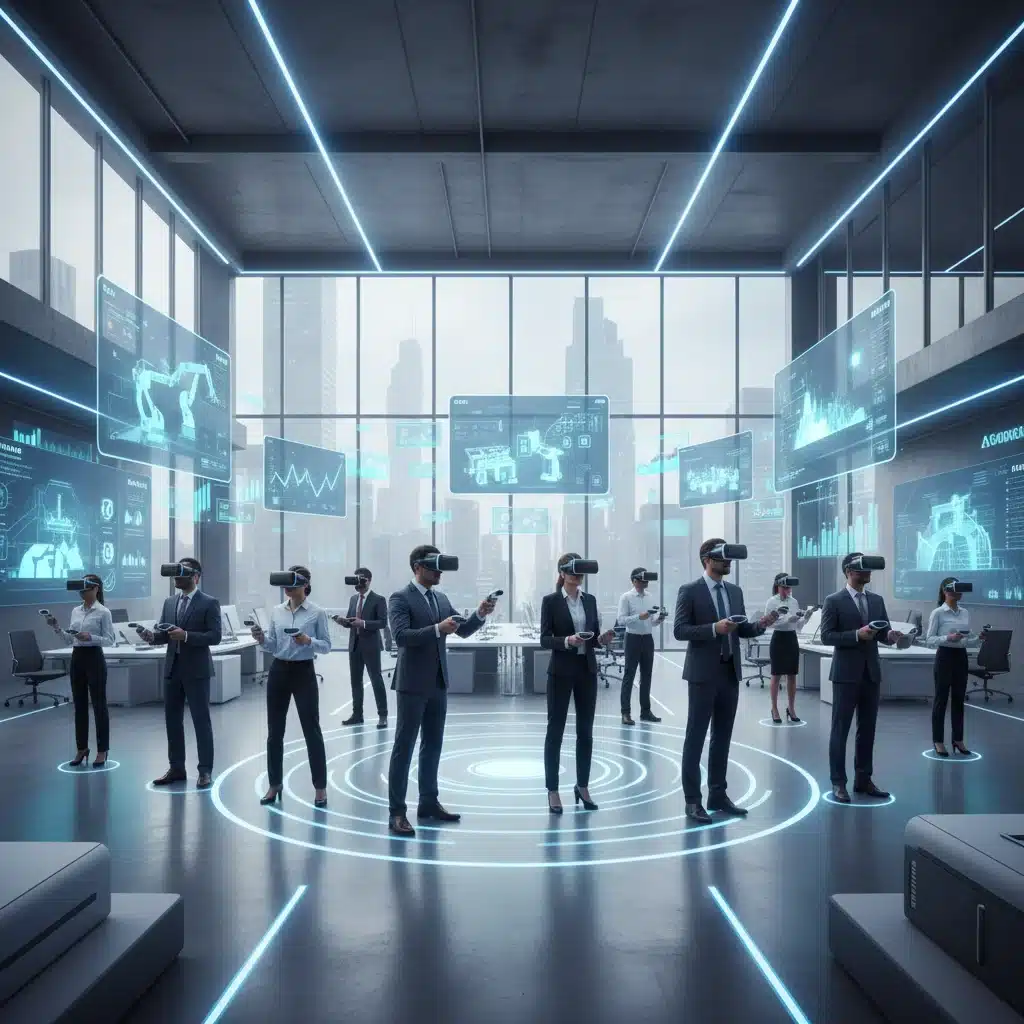
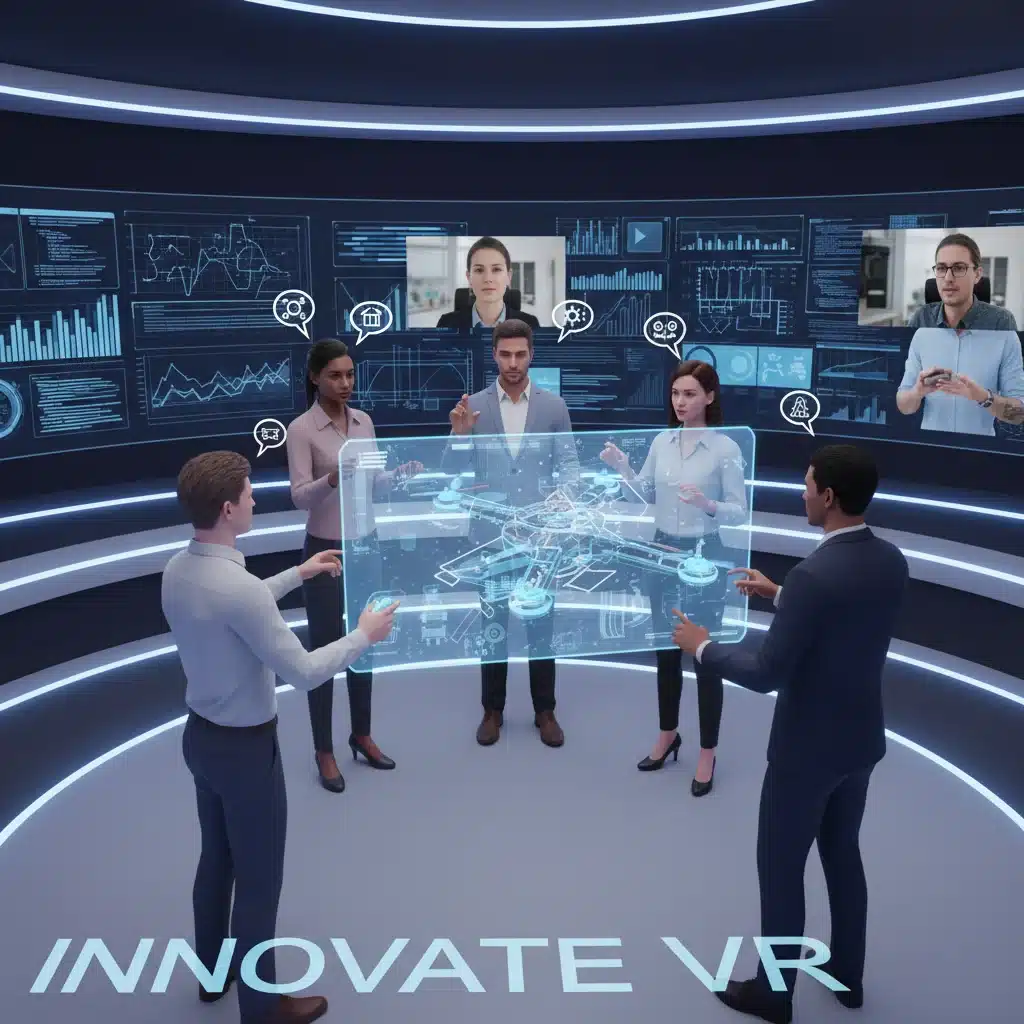
- Remote Collaboration: As remote work becomes more prevalent, VR provides immersive meeting spaces that foster a stronger sense of presence and engagement than traditional video conferencing.
- Data Visualization: Complex datasets can be rendered in 3D VR environments, allowing for more intuitive understanding and analysis.
- Sales and Marketing: Immersive product demonstrations and virtual showrooms are enhancing customer experiences and driving sales.
Despite these advancements, the overall penetration of VR within U.S. enterprises is still relatively low compared to other established technologies. This indicates significant room for growth, a trend that is expected to accelerate dramatically by 2026.
Projecting U.S. Enterprise VR Adoption Rates by 2026
Forecasting technological adoption is always complex, but several indicators point towards a substantial surge in U.S. enterprise VR adoption by 2026. Market research firms, industry analysts, and technology experts are largely in agreement that VR will move from an experimental tool to a mainstream business solution within the next few years.
Factors Influencing Accelerated Adoption:
1. Maturation of Hardware and Software:
The past few years have witnessed significant improvements in VR hardware. Headsets are becoming lighter, more comfortable, higher resolution, and more affordable. Standalone headsets, in particular, have eliminated the need for powerful PCs, making VR more accessible for enterprise deployment. Software platforms are also evolving, offering more robust development tools, easier content creation, and better integration with existing enterprise systems. This continuous advancement in technology is a primary catalyst for increased enterprise VR adoption.
2. Decreasing Costs:
As the technology matures and production scales, the cost of VR hardware and software solutions is steadily declining. This makes VR more palatable for businesses with tighter budgets, moving it beyond the exclusive domain of large corporations and into the hands of small and medium-sized enterprises (SMEs).
3. Proven ROI and Use Cases:
Early adopters have successfully demonstrated tangible returns on investment (ROI) from their VR implementations. Whether it’s reducing training costs, accelerating product development, or improving safety records, the business case for VR is becoming increasingly clear. These success stories serve as powerful motivators for other organizations to explore and invest in VR.
4. Post-Pandemic Shift to Remote and Hybrid Work:
The COVID-19 pandemic irrevocably altered the way businesses operate, accelerating the adoption of remote and hybrid work models. VR offers unique solutions for maintaining team cohesion, fostering collaboration, and providing immersive training experiences for a geographically dispersed workforce. This paradigm shift will continue to fuel enterprise VR adoption.
5. Increased Talent Pool and Developer Ecosystem:
The number of skilled VR developers and content creators is growing, making it easier for businesses to find the expertise needed to implement and scale VR solutions. A thriving developer ecosystem means more diverse and sophisticated applications are becoming available, further driving adoption.
6. Strategic Investments by Tech Giants:
Major technology companies like Meta, Microsoft, Apple (with its Vision Pro), and Google are making substantial investments in the VR/AR space. Their commitment to developing robust platforms, hardware, and enterprise-grade solutions lends credibility and accelerates innovation, directly impacting U.S. enterprise VR adoption.
Based on these factors, analysts predict that the U.S. enterprise VR adoption rate will see a compound annual growth rate (CAGR) significantly higher than that of consumer VR, potentially reaching a substantial percentage of large enterprises and a notable portion of SMEs by 2026. While exact figures vary, most projections suggest a doubling or even tripling of current adoption rates in key sectors.
Impact Across Key U.S. Business Sectors
The impact of increased enterprise VR adoption will be felt across a wide spectrum of industries. Here’s a closer look at some of the sectors poised for the most significant transformation:
Manufacturing and Industrial:
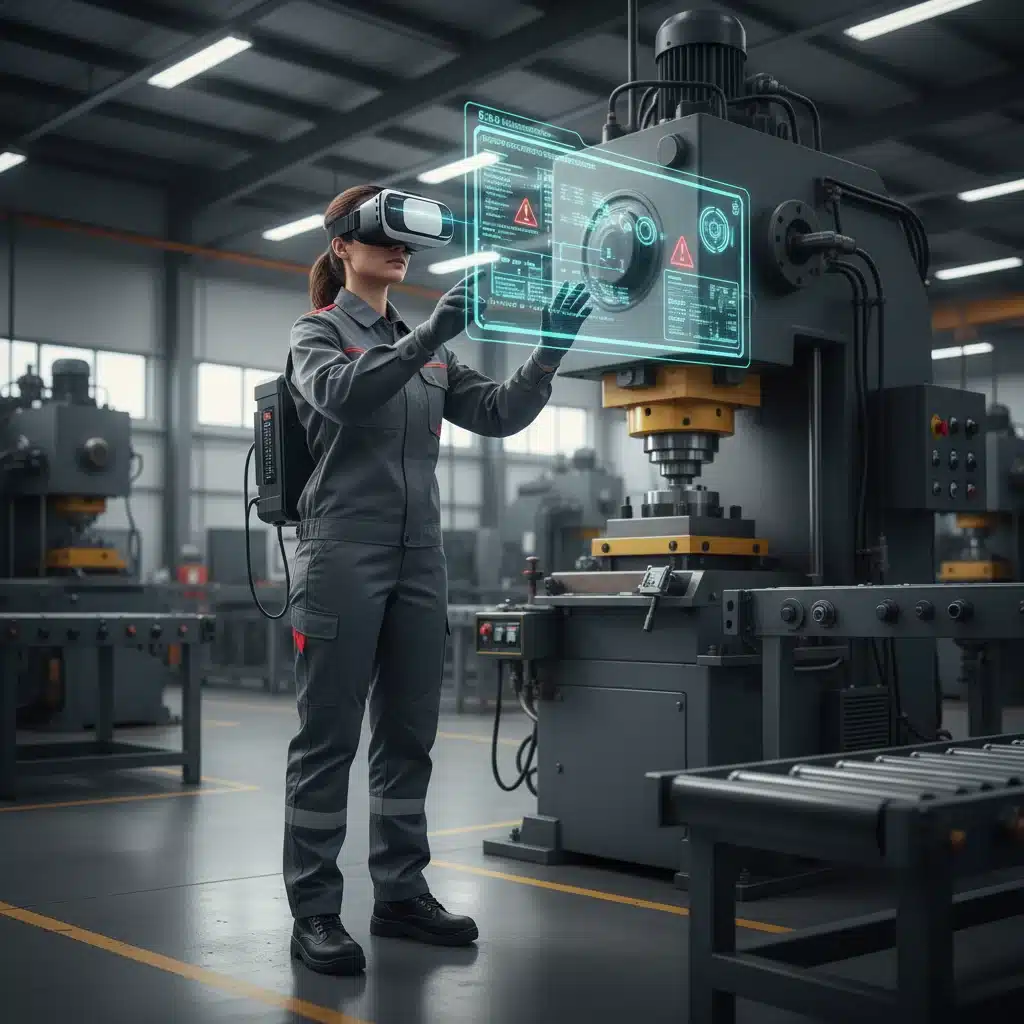
VR is revolutionizing manufacturing processes from design to assembly. Engineers can conduct virtual walkthroughs of factory layouts, optimize workflows, and simulate complex machinery operations before physical construction begins. For training, VR offers unparalleled realism, allowing workers to practice dangerous or intricate tasks in a safe, controlled environment. This leads to reduced errors, improved safety, and faster onboarding. Predictive maintenance, quality control, and remote assistance for technicians are also becoming key VR applications in this sector.
Healthcare:
The healthcare industry is already a strong adopter of VR, and its use will only expand. Surgical training, pain management, rehabilitation therapies, medical education, and even mental health treatment are all benefiting from VR. Doctors can practice procedures on virtual patients, medical students can explore human anatomy in 3D, and patients can use VR for distraction therapy to manage chronic pain or anxiety. The ability to simulate rare medical scenarios for training is invaluable.
Retail and E-commerce:
VR is enhancing the shopping experience and transforming retail operations. Virtual showrooms allow customers to explore products in 3D, customize items, and even try on clothes virtually. For retailers, VR can be used for store layout planning, employee training on new product lines, and creating immersive brand experiences. The convergence of physical and digital retail through VR will redefine customer engagement.
Architecture, Engineering, and Construction (AEC):
VR is a game-changer for the AEC industry. Architects can present immersive building designs to clients, allowing them to ‘walk through’ a structure before it’s built. Engineers can identify design flaws in virtual models, and construction teams can use VR for site planning, safety training, and progress monitoring. This leads to better collaboration, fewer costly errors, and faster project completion.
Education and Corporate Training:
Beyond specific industry training, VR is transforming general education and corporate learning. Immersive lessons can bring complex subjects to life, making learning more engaging and effective. Corporate training programs are leveraging VR for leadership development, soft skills training, and compliance modules, offering personalized and impactful learning experiences. This segment will see continued strong growth in enterprise VR adoption.
Remote Work and Collaboration:
For businesses with distributed teams, VR offers a more engaging and productive alternative to traditional video calls. Virtual meeting rooms, collaborative design spaces, and even virtual offices can foster a greater sense of presence and teamwork, reducing feelings of isolation and improving communication. As companies continue to embrace hybrid models, VR collaboration tools will become indispensable.
Challenges and Considerations for Enterprise VR Adoption
While the future of enterprise VR adoption looks promising, businesses must also be aware of the challenges and considerations involved in its implementation.
1. Content Creation and Development Costs:
Creating high-quality, relevant VR content can still be expensive and time-consuming. Businesses need to invest in skilled developers or partner with specialized agencies to build effective VR applications tailored to their specific needs. However, the rise of no-code/low-code VR platforms is starting to mitigate this challenge.
2. Integration with Existing Systems:
Seamlessly integrating VR solutions with existing enterprise resource planning (ERP), customer relationship management (CRM), and other legacy systems can be complex. Data interoperability and system compatibility require careful planning and execution.
3. User Comfort and Adoption:
While VR hardware has improved, some users may still experience discomfort (e.g., motion sickness) or find the technology cumbersome. Ensuring a positive user experience is critical for widespread enterprise VR adoption. This includes providing comfortable hardware, intuitive interfaces, and appropriate training for users.
4. Security and Data Privacy:
As VR applications handle sensitive business data and potentially personal user information, robust security measures and strict adherence to data privacy regulations (e.g., GDPR, CCPA) are paramount. Businesses must ensure their VR solutions are secure by design.
5. Scalability:
Implementing VR for a small pilot project is one thing; scaling it across an entire organization with hundreds or thousands of employees is another. Businesses need to consider the infrastructure, support, and management required for large-scale VR deployments.
6. Lack of Standardized Platforms:
The VR market is still somewhat fragmented, with various hardware and software platforms. This can create challenges for cross-platform compatibility and content development. However, industry efforts towards standardization are ongoing.
Strategic Opportunities for Businesses
Despite the challenges, the opportunities presented by increased enterprise VR adoption are immense. Businesses that strategically embrace VR can unlock significant competitive advantages.
1. Enhanced Employee Productivity and Engagement:
VR training can lead to higher knowledge retention and faster skill acquisition. Immersive collaboration tools can boost team productivity and foster a stronger sense of connection among remote workers. This directly translates to a more efficient and engaged workforce.
2. Cost Reduction:
By simulating expensive or dangerous real-world scenarios, VR can significantly reduce costs associated with travel, physical prototypes, equipment damage, and traditional training methods. For instance, training on a virtual oil rig is far cheaper and safer than on a real one.
3. Innovation and Competitive Differentiation:
Leveraging VR for product design, development, and customer engagement can lead to groundbreaking innovations. Businesses that offer unique VR experiences or utilize VR to bring products to market faster will stand out from competitors.
4. Improved Customer Experience:
VR can create highly personalized and engaging customer experiences, from virtual tours of properties to interactive product demonstrations. This can lead to increased customer satisfaction and loyalty.
5. Access to New Markets and Revenue Streams:
VR can enable businesses to reach new customer segments or create entirely new service offerings. For example, a furniture company could offer virtual interior design services, or a tourism company could provide virtual travel experiences.
6. Attracting and Retaining Talent:
Offering cutting-edge technology like VR for training and collaboration can make a company more attractive to prospective employees, especially younger generations who are digital natives. It signals an innovative and forward-thinking workplace.
Preparing Your Business for the VR Future
For businesses looking to capitalize on the growing trend of enterprise VR adoption, here are actionable steps to consider:
- Stay Informed: Continuously monitor advancements in VR hardware, software, and industry best practices.
- Identify Key Use Cases: Don’t adopt VR for the sake of it. Identify specific business challenges or opportunities where VR can deliver clear value and a measurable ROI. Start small with pilot programs.
- Invest in Pilot Programs: Begin with small-scale VR projects to test the waters, gather feedback, and demonstrate the technology’s potential within your organization.
- Build Internal Expertise: Consider training existing employees or hiring new talent with VR development and implementation skills.
- Partner with Experts: Collaborate with VR solution providers, consultants, and content creators who specialize in enterprise applications.
- Address Infrastructure Needs: Evaluate your existing IT infrastructure to ensure it can support VR deployments, including network bandwidth, storage, and computing power.
- Prioritize User Experience: Ensure that any VR solution implemented is comfortable, intuitive, and genuinely enhances the user’s workflow or learning experience.
- Develop a Long-Term Strategy: Integrate VR into your overall digital transformation roadmap, considering how it aligns with your business goals and future growth.
Conclusion: The Immersive Future is Now
The U.S. enterprise VR adoption rates are on a steep upward trajectory, with 2026 poised to be a pivotal year for this transformative technology. As hardware becomes more sophisticated yet affordable, and as compelling use cases continue to emerge, VR will transition from an innovative niche to an indispensable tool for businesses across all sectors.
The implications are clear: organizations that proactively explore and strategically integrate VR into their operations will be better positioned to enhance efficiency, drive innovation, attract top talent, and deliver superior experiences to both employees and customers. Those that lag will risk falling behind in an increasingly immersive and digital world.
The time to understand, evaluate, and plan for the immersive future of enterprise VR is now. By embracing this technology, businesses can unlock new dimensions of productivity, creativity, and profitability, shaping not just their own future, but the future of work itself.