
The 2026 Outlook: VR’s Impact on U.S. Architectural Visualization and Client Approvals (RECENT UPDATES)
The architectural, engineering, and construction (AEC) industry is in a constant state of evolution, driven by technological advancements that promise greater efficiency, accuracy, and client satisfaction. Among these innovations, Virtual Reality (VR) stands out as a true game-changer, fundamentally reshaping how architects visualize designs and how clients engage with proposed projects. As we look towards 2026, the impact of VR architectural visualization in the U.S. is poised to reach unprecedented levels, moving from a niche tool to an indispensable component of the design and approval process. This article explores the current landscape, recent updates, and the compelling future of VR in revolutionizing architectural practices across the United States.
The Dawn of a New Era: Understanding VR in Architecture
For decades, architects have relied on blueprints, physical models, and 2D renderings to convey their visions. While these methods have served their purpose, they often fall short in providing a truly immersive and intuitive understanding of space. This is where VR architectural visualization steps in. Virtual Reality technology allows stakeholders to ‘step inside’ a proposed building before it’s even built, offering a true-to-scale, 360-degree interactive experience. Users can walk through rooms, examine material textures up close, assess lighting conditions, and even interact with virtual elements like opening doors or changing furniture layouts. This level of immersion transcends traditional visualization methods, fostering a deeper connection between the design and its intended occupants.
The initial adoption of VR in architecture was primarily driven by larger firms with substantial R&D budgets. However, as VR hardware becomes more affordable and software more accessible and user-friendly, its integration into small and medium-sized practices is accelerating. This democratization of technology is a key factor in its widespread projected impact by 2026. The shift from static images to dynamic, explorable environments is not just a technological upgrade; it’s a paradigm shift in how architectural ideas are conceived, presented, and ultimately approved.
From Concept to Reality: The Evolution of Architectural Visualization
Historically, architectural visualization has progressed through several stages. Hand-drawn sketches gave way to technical drawings, then to intricate physical models, and finally to sophisticated computer-aided design (CAD) and 3D rendering software. Each stage brought improvements in precision and realism. However, even the most photorealistic 3D renderings, displayed on a flat screen, lack the spatial presence and scale that VR delivers. A client viewing a 2D image might struggle to grasp the true proportions of a room or the flow between different spaces. In a VR environment, these abstract concepts become tangible experiences. This fundamental difference is why VR architectural visualization is not just another tool, but a transformative medium.
The early days of VR in architecture were marked by high-cost, clunky hardware and complex software requiring specialized expertise. Fast forward to today, and we see sleek, standalone VR headsets like the Meta Quest series offering high-fidelity experiences at consumer-friendly prices. Software platforms have also evolved, with plugins for popular architectural design tools (like Revit, SketchUp, and Rhino) allowing for seamless export and real-time synchronization with VR environments. This ease of use and affordability are critical drivers for the projected growth and mainstream adoption of VR architectural visualization by 2026.
Recent Updates and Technological Advancements in VR for AEC
The pace of innovation in VR technology is relentless, and the AEC sector is directly benefiting from these advancements. Several key updates are propelling VR architectural visualization forward:
- Improved Hardware Accessibility and Performance: Newer VR headsets offer higher resolution displays, wider fields of view, and more comfortable designs. Standalone headsets have eliminated the need for powerful, expensive PCs, making VR more portable and easier to deploy in various settings, from client offices to construction sites.
- Real-time Ray Tracing and Photorealism: The integration of real-time ray tracing capabilities into VR rendering engines has dramatically enhanced the visual fidelity and realism of virtual environments. This means more accurate lighting, shadows, and reflections, which are crucial for clients to truly appreciate material choices and spatial ambiance.
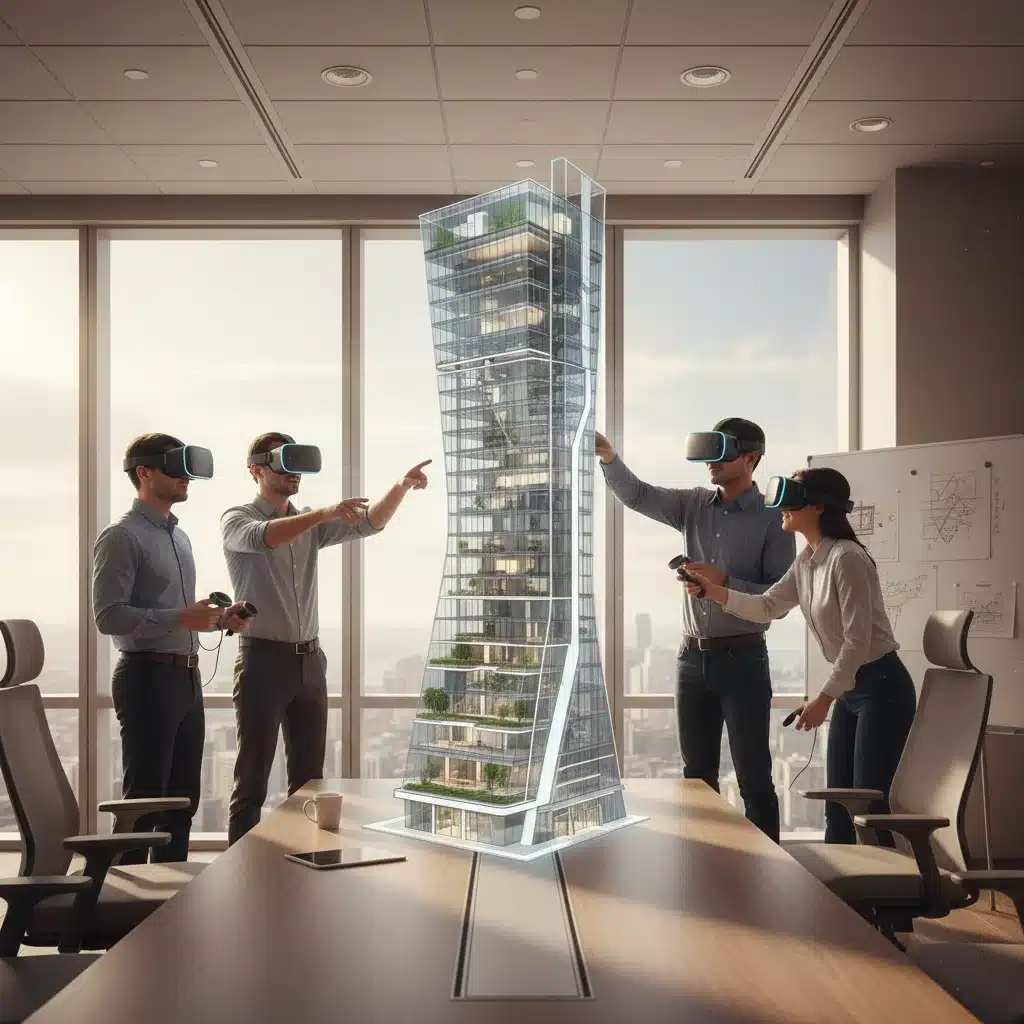
- Enhanced Collaboration Tools: Modern VR platforms now support multi-user experiences, allowing architects, clients, and other stakeholders to inhabit the same virtual space simultaneously, regardless of their physical location. This fosters real-time discussions, design iterations, and collaborative problem-solving, significantly streamlining the review process.
- Integration with BIM Workflows: Deep integration with Building Information Modeling (BIM) software is a major leap forward. This allows architects to directly convert their BIM models into VR-ready environments, ensuring that all data – from structural elements to MEP systems – is accurately represented and accessible within the virtual space. This integration reduces data loss and ensures consistency.
- Haptic Feedback and Interaction: While still evolving, haptic feedback devices are starting to provide a more tactile experience in VR, allowing users to ‘feel’ virtual surfaces or interact with objects in a more natural way. This adds another layer of immersion to VR architectural visualization.
These updates collectively contribute to a more seamless, realistic, and collaborative VR experience, directly addressing previous limitations and paving the way for broader adoption. The convergence of these technological improvements is making VR architectural visualization not just a novelty, but a practical and powerful tool for everyday architectural practice.
Transforming Client Approvals: The VR Advantage
Perhaps the most significant impact of VR architectural visualization lies in its ability to transform the client approval process. Traditional methods often lead to misunderstandings, misinterpretations, and costly revisions down the line. VR mitigates these risks by providing an unambiguous representation of the design:
Clarity and Understanding
Clients, especially those without a background in architecture, can struggle to interpret 2D plans or even 3D renders on a screen. VR eliminates this barrier. When a client can walk through a virtual model, they instantly grasp the scale, spatial relationships, and aesthetic qualities of the design. This clarity leads to more informed feedback and a quicker, more confident approval process. They can see how light enters a room at different times of day, how a specific material looks in context, or how easily one can navigate from one area to another. This experiential understanding is invaluable.
Reduced Miscommunications and Revisions
By offering a truly immersive preview, VR significantly reduces the likelihood of miscommunications. Clients can identify potential issues or express preferences much earlier in the design cycle, when changes are less costly and time-consuming to implement. This proactive identification of concerns saves both time and money, fostering a smoother project timeline and stronger client relationships. The ability to iterate and visualize changes in real-time within the VR environment further accelerates this process, making VR architectural visualization an indispensable tool for efficient project management.
Enhanced Client Engagement and Satisfaction
The ‘wow’ factor of VR is undeniable. Presenting a design in VR creates an engaging and memorable experience for clients, elevating their perception of the architectural firm’s innovation and professionalism. This enhanced engagement often translates into higher client satisfaction and stronger recommendations. Clients feel more involved and heard when they can actively participate in the design review within a virtual space, leading to a greater sense of ownership over the final project. This positive experience is a powerful differentiator in a competitive market, making VR architectural visualization a strategic advantage.
Streamlined Decision-Making
With a clear understanding of the design, clients can make decisions more quickly and confidently. This accelerates the approval process, keeps projects on schedule, and allows architects to move forward with construction documentation sooner. The ability to compare different design options side-by-side in VR further aids in this decision-making, allowing clients to experience alternatives before committing to a final choice. This efficiency is crucial for meeting tight deadlines and managing project costs effectively, cementing the role of VR architectural visualization in modern practice.
The 2026 Outlook: Predictions for VR in U.S. Architecture
By 2026, VR architectural visualization is predicted to be a standard offering for most U.S. architectural firms, not just a luxury. Several trends will solidify its position:
Widespread Adoption and Integration
The barrier to entry for VR will continue to diminish. Affordable, high-quality standalone headsets will become ubiquitous, and VR integration will be a standard feature in major CAD and BIM software. This widespread adoption will make VR an expected part of the architectural design and presentation toolkit. Firms that do not offer VR experiences may find themselves at a competitive disadvantage, as clients increasingly expect this level of immersion and clarity. This shift will mark a significant milestone for VR architectural visualization.
Advanced Interactivity and Data Integration
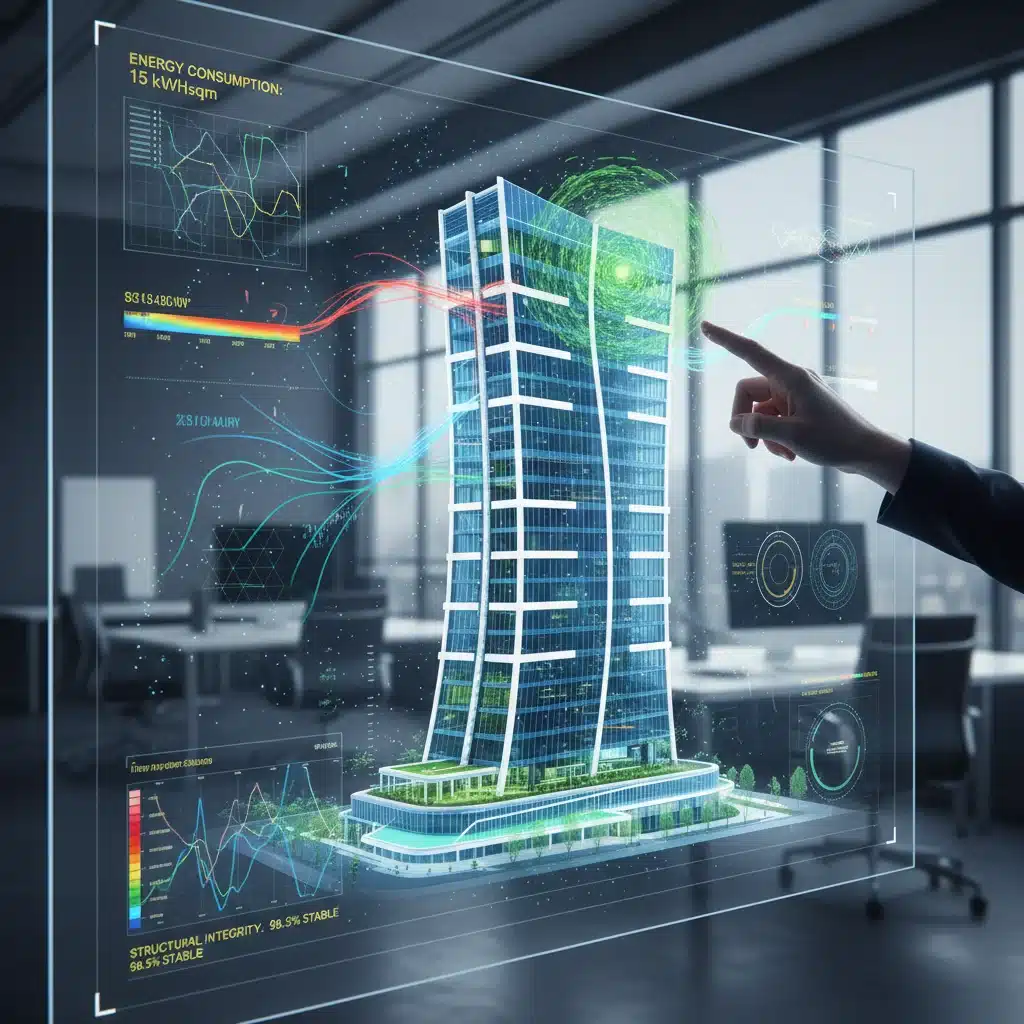
Beyond simple walkthroughs, VR environments will offer more sophisticated interactivity. Imagine clients not just walking through a virtual space, but being able to toggle between different material finishes with a gesture, adjust lighting schemes in real-time, or even activate virtual appliances. Furthermore, VR will become a hub for integrated building data, allowing architects to overlay energy performance metrics, structural analyses, and cost implications directly within the virtual model. This data-rich environment will move VR architectural visualization beyond aesthetics to comprehensive design evaluation.
Hybrid Realities: The Rise of Mixed Reality (MR)
While VR offers full immersion, Mixed Reality (MR) – which blends virtual objects with the real world – will also gain significant traction. Architects will use MR headsets on-site to overlay virtual models onto physical construction, allowing for real-time quality control, progress monitoring, and clash detection. This ability to see the virtual design within the context of the physical build will bridge the gap between design and construction, further enhancing efficiency and accuracy. MR complements VR architectural visualization by extending its benefits beyond the design studio.
Training and Education
Architectural schools will increasingly incorporate VR into their curricula, training the next generation of architects to be proficient in designing for and presenting in virtual environments. This will create a workforce naturally adept at leveraging VR architectural visualization tools from the outset of their careers, further accelerating its industry penetration.
Ethical Considerations and Best Practices
As VR becomes more prevalent, discussions around ethical considerations – such as data privacy within virtual models, potential for misrepresentation, and the digital divide in access to technology – will become more prominent. Best practices for creating effective and responsible VR architectural visualization experiences will emerge and be widely adopted across the industry.
Challenges and Considerations for Adoption
Despite the immense potential, the path to universal adoption of VR architectural visualization is not without its challenges:
- Initial Investment: While hardware costs are decreasing, the initial investment in high-end VR-ready workstations and software licenses can still be substantial for smaller firms.
- Learning Curve: Mastering VR software and workflows requires time and training. Architects need to adapt their design processes to effectively leverage VR’s capabilities.
- Content Creation: Creating highly detailed, optimized VR models can be time-consuming. The demand for skilled 3D artists and VR specialists will continue to grow.
- Technological Obsolescence: The rapid pace of VR development means hardware and software can quickly become outdated, requiring continuous investment and upgrades.
- Motion Sickness: While largely mitigated by improved hardware and software, some users may still experience motion sickness in VR, which can detract from the experience.
Addressing these challenges through continued technological refinement, standardized training, and flexible business models will be crucial for the sustained growth of VR architectural visualization. Service providers offering VR visualization as a service could also help smaller firms overcome the initial investment hurdle, democratizing access to this powerful technology.
The Future is Immersive: Embracing VR for Competitive Advantage
For U.S. architectural firms looking to stay competitive and provide unparalleled client experiences, embracing VR architectural visualization is no longer an option but a necessity. By 2026, it will be a cornerstone of effective design communication, client engagement, and project efficiency. Firms that proactively invest in VR technology and training will not only streamline their internal processes but also differentiate themselves in the marketplace, attracting discerning clients who value clarity, innovation, and an immersive understanding of their future spaces.
The ability to walk through a building before it’s built, to experience the light, the scale, and the materials, is a profound shift in how architecture is perceived and approved. This immersive future promises to elevate the entire architectural profession, making design more accessible, collaborative, and ultimately, more successful. The journey of VR architectural visualization is just beginning, and its trajectory towards becoming an indispensable tool by 2026 is clear and compelling.
Key Takeaways for Architectural Professionals
- Invest in Training: Equip your team with the skills to create and present in VR.
- Explore Software Integrations: Look for VR solutions that seamlessly integrate with your existing BIM/CAD workflows.
- Start Small: Begin with pilot projects to understand the technology’s benefits and challenges before full-scale adoption.
- Focus on Client Experience: Leverage VR to enhance communication, reduce revisions, and increase client satisfaction.
- Stay Updated: The VR landscape is evolving rapidly; keep abreast of new hardware and software developments.
The promise of VR architectural visualization is not just about cool technology; it’s about fundamentally improving how buildings are designed, presented, and ultimately realized. As we move towards 2026, its role in the U.S. architectural industry will only grow, solidifying its place as an essential tool for innovation and client success.