VR Battery Life 2026: Powering US Commercial VR Devices
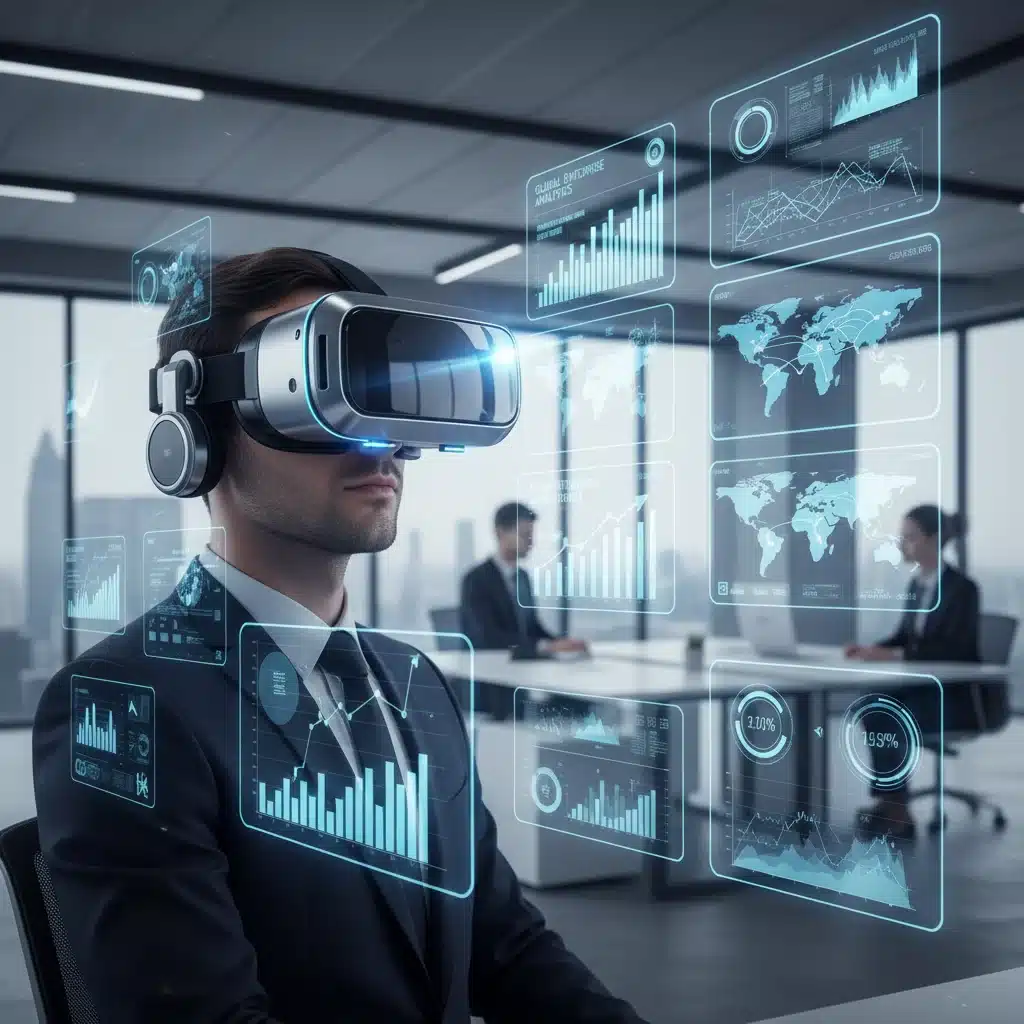
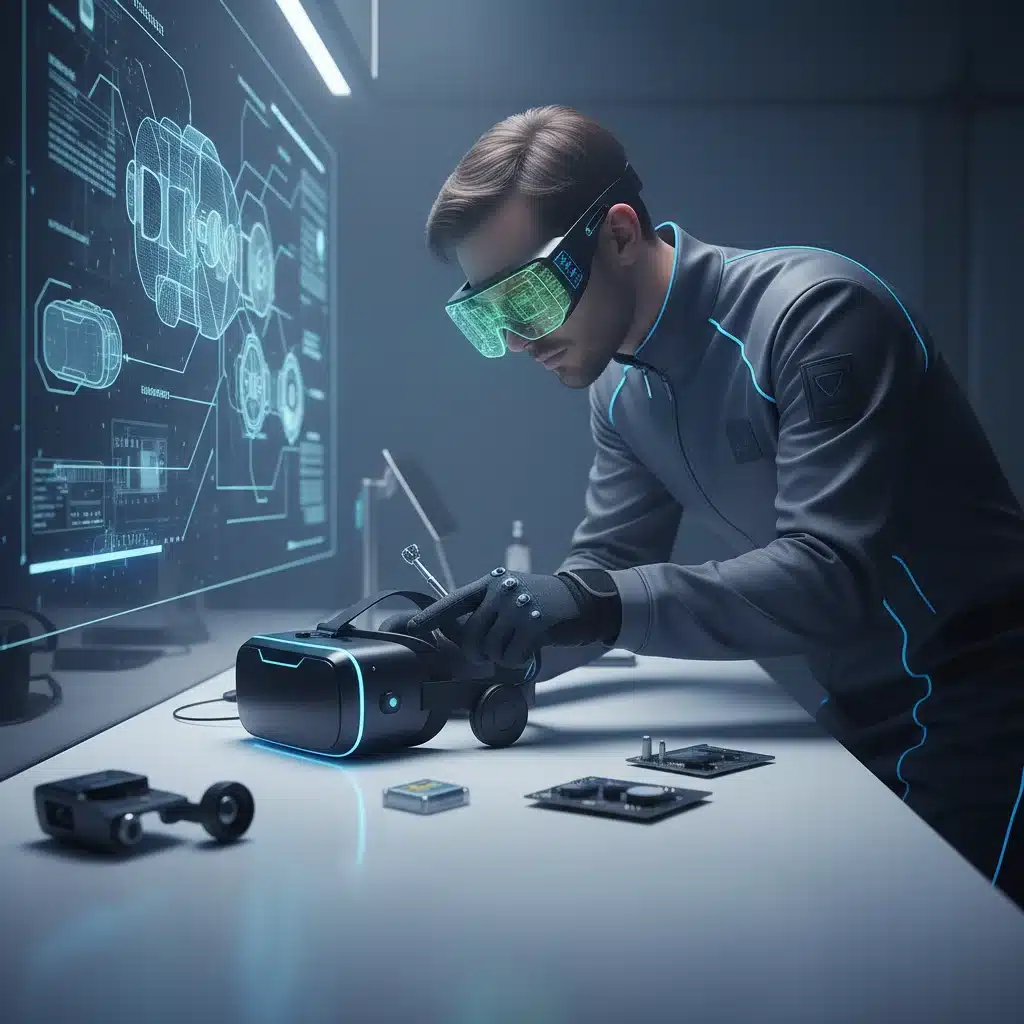
The immersive capabilities of Virtual Reality (VR) have transcended consumer entertainment, making significant inroads into commercial sectors across the United States. From intricate surgical training and architectural visualization to remote collaboration and industrial design, VR is redefining how businesses operate. However, the Achilles’ heel of widespread commercial VR adoption often boils down to a single, critical factor: VR Battery Life. As we look towards 2026, the demand for extended operational times and seamless charging solutions for US commercial VR devices is more pressing than ever. This comprehensive exploration delves into the anticipated advancements, challenges, and strategic approaches to power the next generation of enterprise VR.
The Current State of Commercial VR Battery Life
Before projecting into 2026, it’s crucial to understand the current landscape. Most commercial VR headsets today offer an average VR Battery Life of 2-4 hours on a single charge. While sufficient for short demonstrations or individual training modules, this duration often falls short for extended professional use cases. Imagine an architect spending an entire workday reviewing a complex 3D model, or a surgeon performing multiple training simulations. Frequent interruptions for recharging not only disrupt workflow but also diminish the overall value proposition of VR as a productivity tool.
The limitations stem from several factors. Current battery technologies, predominantly lithium-ion, face inherent energy density ceilings. Furthermore, the powerful processors, high-resolution displays, and sophisticated sensors required for a compelling VR experience are significant power consumers. The drive for lighter, more comfortable headsets also restricts the physical size and weight of integrated batteries, creating a perpetual design challenge. These constraints directly impact the practical deployment and scalability of VR solutions within commercial environments, making advancements in VR Battery Life a top priority for developers and businesses alike.
Anticipated Advancements in Battery Technology by 2026
The future of VR Battery Life is not just about incremental improvements; it’s about revolutionary leaps in battery chemistry and design. By 2026, several promising technologies are expected to mature, offering significant enhancements:
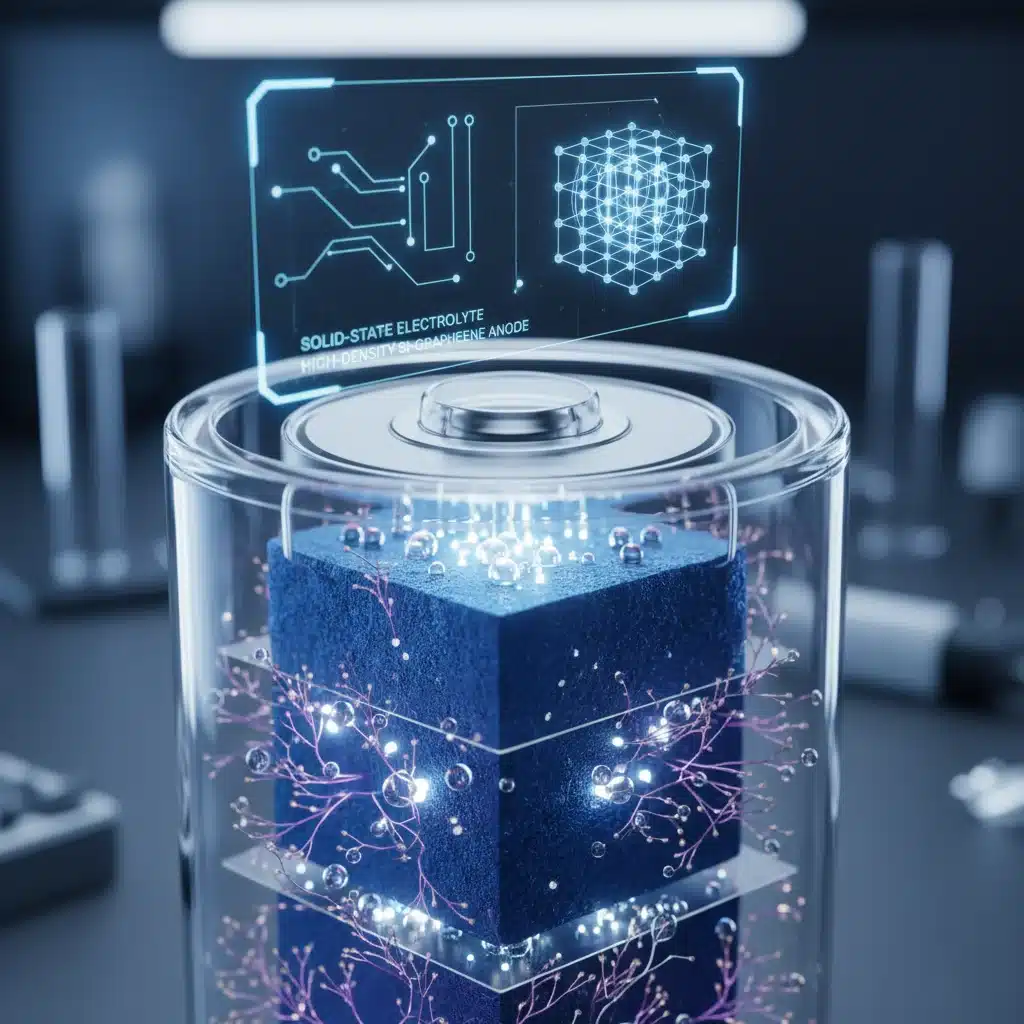
- Solid-State Batteries (SSBs): Often hailed as the ‘holy grail’ of battery technology, SSBs replace the liquid electrolyte in traditional lithium-ion batteries with a solid material. This not only promises higher energy density (potentially doubling or tripling current capacities) but also enhanced safety by reducing the risk of thermal runaway. For commercial VR, this could translate to significantly longer operational times without increasing battery size or weight. The challenge remains in mass production and cost reduction, but by 2026, we expect to see early commercial applications in high-value devices like premium VR headsets.
- Silicon Anodes: While not a complete overhaul, integrating silicon into lithium-ion battery anodes can dramatically increase energy density. Silicon can store significantly more lithium ions than graphite, the current standard. Research and development are focused on overcoming silicon’s tendency to expand and contract during charging cycles, which can degrade battery life. By 2026, more robust silicon anode designs are likely to be integrated into commercial VR devices, offering a substantial boost to VR Battery Life.
- Advanced Lithium-Sulfur (Li-S) Batteries: Li-S batteries hold the promise of even higher energy densities than lithium-ion, potentially five times greater. Sulfur is also abundant and inexpensive. However, their commercialization is hampered by issues like short cycle life and poor rate capability. While widespread adoption by 2026 might be ambitious for mainstream devices, niche commercial VR applications requiring extreme endurance could begin to explore this technology.
- Improved Battery Management Systems (BMS): Beyond the battery chemistry itself, smarter BMS are crucial. These systems optimize charging and discharging cycles, monitor cell health, and minimize power loss. By 2026, AI-driven BMS will be commonplace, dynamically adjusting power delivery based on application demands and user behavior, further extending perceived VR Battery Life and improving overall battery longevity.
Innovations in Charging Solutions for Commercial VR
Extended VR Battery Life is only half the equation; efficient and convenient charging solutions are equally vital for commercial environments. Downtime is lost productivity, and businesses cannot afford cumbersome charging processes. Here’s what 2026 holds in store:
- Fast Charging Technologies: The ability to quickly replenish battery power is paramount. Current fast-charging standards will evolve, with VR devices supporting higher wattages and more sophisticated charging protocols. This means a significant portion of battery life could be restored during short breaks, minimizing operational downtime.
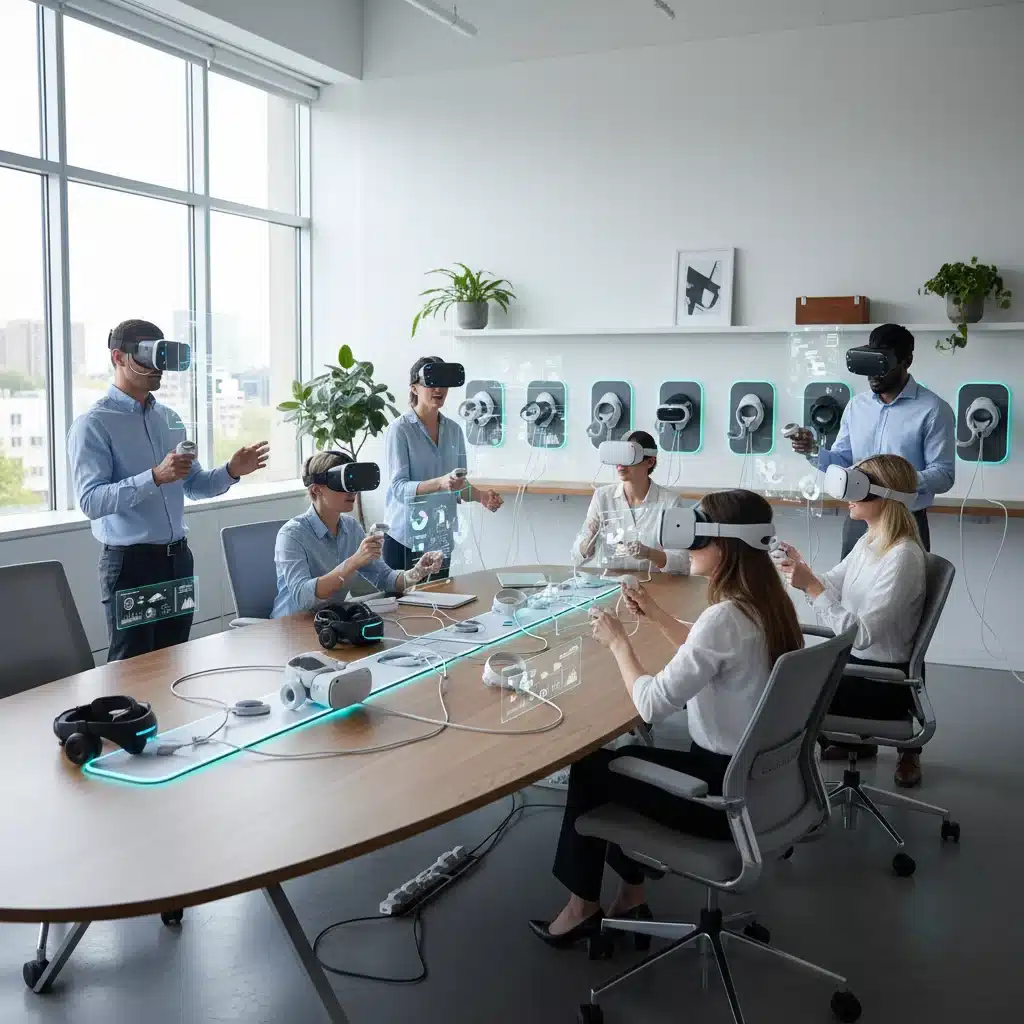
- Wireless Charging Docks and Hubs: For environments with multiple VR headsets, wireless charging offers unparalleled convenience. Imagine simply placing a headset on a designated dock after use, ready for the next user. By 2026, robust, multi-device wireless charging stations will be standard in commercial VR deployments, leveraging technologies like resonant inductive coupling to charge several devices simultaneously and efficiently.
- Swappable Battery Packs: For continuous operation, swappable battery packs are a game-changer. This allows users to quickly exchange a depleted battery for a fully charged one, virtually eliminating downtime. We anticipate more commercial VR headsets will be designed with easily accessible, hot-swappable battery modules, making them ideal for high-utilization scenarios like arcades, training centers, and industrial simulations where continuous operation is critical to profitability and efficiency. This approach directly addresses the immediate need for extended VR Battery Life during intense usage periods.
- Smart Charging Cabinets: For larger deployments, smart charging cabinets will become indispensable. These integrated solutions not only charge multiple headsets but also offer secure storage, data synchronization, and remote monitoring capabilities. They can optimize charging schedules, track battery health, and even perform software updates, streamlining VR fleet management for businesses.
- Power-Over-Ethernet (PoE) for Tethered VR: While this article focuses on untethered VR, it’s worth noting that for specific commercial applications that require high computational power and continuous use (e.g., design and engineering), PoE could become more prevalent for tethered headsets. This provides both power and data through a single cable, eliminating separate power cords and offering uninterrupted operation.
Impact on US Commercial VR Sectors
The advancements in VR Battery Life and charging solutions will have a transformative impact across various US commercial sectors:
- Manufacturing and Industrial Training: Extended battery life means longer, more comprehensive training simulations for complex machinery or dangerous environments, reducing the need for costly physical mock-ups and minimizing on-the-job risks. Swappable batteries will allow for continuous training shifts.
- Healthcare and Medical Training: Surgeons and medical students can undergo more realistic and prolonged procedural simulations without interruption, fostering deeper learning and skill development. Portable, long-lasting VR devices will facilitate bedside training and remote consultations.
- Architecture, Engineering, and Construction (AEC): Professionals can spend more time immersed in detailed 3D models of buildings and infrastructure, facilitating better design reviews, clash detection, and client presentations. The ability to conduct full-day virtual site visits will become a reality, enhancing collaboration and decision-making.
- Retail and E-commerce: VR will offer extended virtual shopping experiences, allowing customers to explore products in 3D for longer periods, leading to higher engagement and conversion rates. Pop-up VR experiences in stores will benefit from devices that can run all day.
- Education and Corporate Training: Immersive learning environments will become more practical for full-length courses or workshops, moving beyond short modules. Students and employees can participate in extended virtual field trips or collaborative problem-solving sessions.
- Logistics and Warehousing: VR for inventory management, route optimization, and personnel training in large facilities will become more efficient with devices that can last an entire shift, improving operational flow and reducing errors.
The cumulative effect of these improvements is a significant reduction in total cost of ownership for commercial VR deployments. Less downtime, increased productivity, and enhanced user satisfaction will accelerate the return on investment for businesses investing in VR technology, making VR Battery Life a key competitive differentiator.
Challenges and Considerations for 2026
While the future looks bright, several challenges remain in achieving optimal VR Battery Life and charging solutions:
- Cost of New Technologies: Advanced battery chemistries like solid-state and sophisticated charging infrastructure will initially be more expensive. Balancing performance gains with affordability will be crucial for widespread commercial adoption.
- Standardization: A lack of universal standards for battery form factors, charging protocols, and power delivery could lead to fragmentation in the market. Industry-wide collaboration will be essential to ensure interoperability and ease of deployment for businesses.
- Heat Management: Higher energy density batteries and faster charging rates generate more heat. Effective thermal management solutions are critical to ensure device safety, longevity, and user comfort, especially in compact VR headsets.
- Battery Degradation: Even with advanced technologies, batteries degrade over time. Developing strategies for monitoring battery health, implementing smart charging cycles to prolong lifespan, and establishing sustainable recycling programs will be important.
- Supply Chain Resilience: The global supply chain for critical battery materials (e.g., lithium, cobalt, nickel) can be volatile. Ensuring a stable and ethical supply chain will be vital for consistent production and pricing of next-generation VR batteries.
- Power Consumption Optimization: While battery tech advances, optimizing the power consumption of VR hardware and software remains critical. More efficient processors, displays, and rendering techniques can significantly extend the effective VR Battery Life without solely relying on larger batteries.
Best Practices for Maximizing VR Battery Life Today and Tomorrow
Even with future advancements, businesses can implement best practices to maximize the current and future VR Battery Life of their commercial devices:
- Optimize Software Settings: Lowering refresh rates, reducing display brightness, and disabling unnecessary background processes can significantly conserve battery power. Developers should also optimize their VR applications for energy efficiency.
- Strategic Charging Cycles: Avoid constantly fully discharging or fully charging batteries. Aim for a charge level between 20% and 80% when possible, as this can prolong the overall lifespan of lithium-ion batteries.
- Utilize Power-Saving Modes: Many VR headsets include power-saving modes that reduce performance slightly in favor of extended battery life. Businesses should leverage these modes when peak performance isn’t critical.
- Proper Storage: Store VR headsets and spare batteries in a cool, dry place, ideally at a charge level of around 50%, when not in use for extended periods. Extreme temperatures can degrade battery health.
- Invest in Quality Accessories: Use only manufacturer-approved or reputable third-party charging cables and adapters to ensure safe and efficient charging.
- Regular Maintenance: Keep charging ports clean and free of debris to ensure optimal connection and charging efficiency.
- Fleet Management Systems: For large deployments, utilize VR fleet management software that can monitor battery levels, schedule charging, and provide insights into usage patterns to optimize power consumption.
The Road Ahead: A Seamless VR Experience
By 2026, the landscape of commercial VR in the US will be significantly shaped by advancements in VR Battery Life and charging solutions. The trajectory is clear: longer operational times, faster and more convenient charging, and smarter power management systems. These innovations will not only address current pain points but also unlock new possibilities for how businesses leverage virtual reality.
The move towards solid-state batteries, silicon anodes, and advanced BMS will provide the raw power, while sophisticated wireless charging, swappable battery packs, and smart charging hubs will ensure that power is delivered seamlessly and efficiently. This holistic approach will transform VR from a tool limited by its power source into a truly untethered and uninterrupted platform for productivity, training, and innovation.
As businesses continue to integrate VR into their core operations, the reliability and endurance of their devices will be paramount. By focusing on these critical power solutions, the US commercial VR market is poised for explosive growth, delivering immersive experiences that are not only transformative but also practical and sustainable for the long haul. The future of enterprise VR is powered by innovation, and a robust VR Battery Life is at its very core.