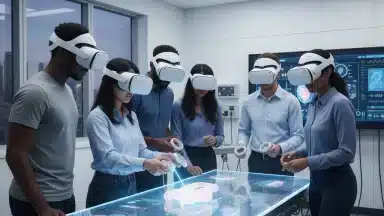

Maximizing Customer Engagement with VR Experiences: 4 Strategies for U.S. Marketing in 2026 (INSIDER KNOWLEDGE)
In the rapidly evolving landscape of digital marketing, staying ahead of the curve is not just an advantage; it’s a necessity. As we look towards 2026, the United States market is poised for a significant shift in how brands connect with their audiences. The advent and increasing sophistication of Virtual Reality (VR) technology present an unparalleled opportunity for businesses to redefine customer engagement. This isn’t just about novelty; it’s about creating deeply immersive, memorable, and impactful experiences that foster genuine connections and drive loyalty. This article delves into four critical strategies for leveraging VR to maximize customer engagement in the U.S. marketing arena by 2026, offering insider knowledge to help you prepare for the future.
The concept of VR customer engagement is moving beyond niche applications and into the mainstream. With improved hardware accessibility, more intuitive user interfaces, and a growing consumer appetite for immersive content, VR is no longer a futuristic dream but a present-day marketing powerhouse. For U.S. marketers, understanding and implementing these strategies now will be crucial for competitive differentiation and long-term success. We’re not just talking about passive viewing; we’re talking about active participation, emotional resonance, and a level of immersion that traditional media simply cannot replicate.
The digital transformation has accelerated, pushing brands to innovate at an unprecedented pace. Consumers, particularly in the U.S., are savvier, more demanding, and increasingly seek authentic, personalized interactions. VR offers a unique solution to these demands, providing a canvas for brands to tell their stories, showcase their products, and build communities in ways previously unimaginable. By 2026, brands that have mastered VR customer engagement will be the leaders in their respective industries, setting new benchmarks for experiential marketing.
The Rise of Immersive Experiences: Why VR Matters for U.S. Consumers
Before diving into specific strategies, it’s essential to grasp the underlying shift in consumer behavior that makes VR so potent. U.S. consumers, particularly younger demographics, are increasingly valuing experiences over material possessions. They crave authenticity, personalization, and a sense of connection. VR delivers on all these fronts, offering experiences that are not only visually stunning but also deeply personal and emotionally resonant. This shift is not a fleeting trend; it’s a fundamental change in how people interact with brands and consume information.
The psychological impact of VR is profound. By stimulating multiple senses and creating a strong sense of presence, VR can evoke emotions and memories more powerfully than any other medium. This emotional connection is the holy grail of customer engagement, leading to increased brand recall, stronger loyalty, and higher conversion rates. For U.S. marketers, this means moving beyond traditional advertising and embracing a new paradigm of experiential storytelling. The ability to transport a customer into a virtual showroom, a simulated adventure, or a personalized brand narrative creates an unforgettable impression that lingers long after the headset comes off.
Moreover, the accessibility of VR technology is rapidly improving. While high-end headsets like the Meta Quest Pro and HTC Vive Pro 2 offer unparalleled fidelity, standalone devices are becoming more affordable and user-friendly. This democratization of VR means that a broader segment of the U.S. population will have access to these immersive experiences, expanding the potential reach for marketers. By 2026, we can expect VR to be a common household technology, making it an indispensable tool for brands aiming to reach a mass audience.
The data supports this trend. Reports indicate a significant increase in VR headset sales and content consumption. Early adopters are not just gamers; they are consumers seeking new forms of entertainment, education, and social interaction. This diverse user base presents a rich opportunity for brands to experiment with different types of VR experiences, tailoring them to specific demographics and marketing objectives. Understanding this evolving landscape is the first step towards mastering VR customer engagement.
Ultimately, the reason VR matters for U.S. consumers is its ability to offer an escape, an adventure, and a personalized journey. It transforms passive consumption into active participation, allowing consumers to literally step into a brand’s world. This level of immersion fosters a deeper understanding of products and services, builds trust, and cultivates a sense of belonging to the brand’s community. In a crowded marketplace, such differentiation is invaluable.
Strategy 1: Immersive Product Demos and Virtual Showrooms
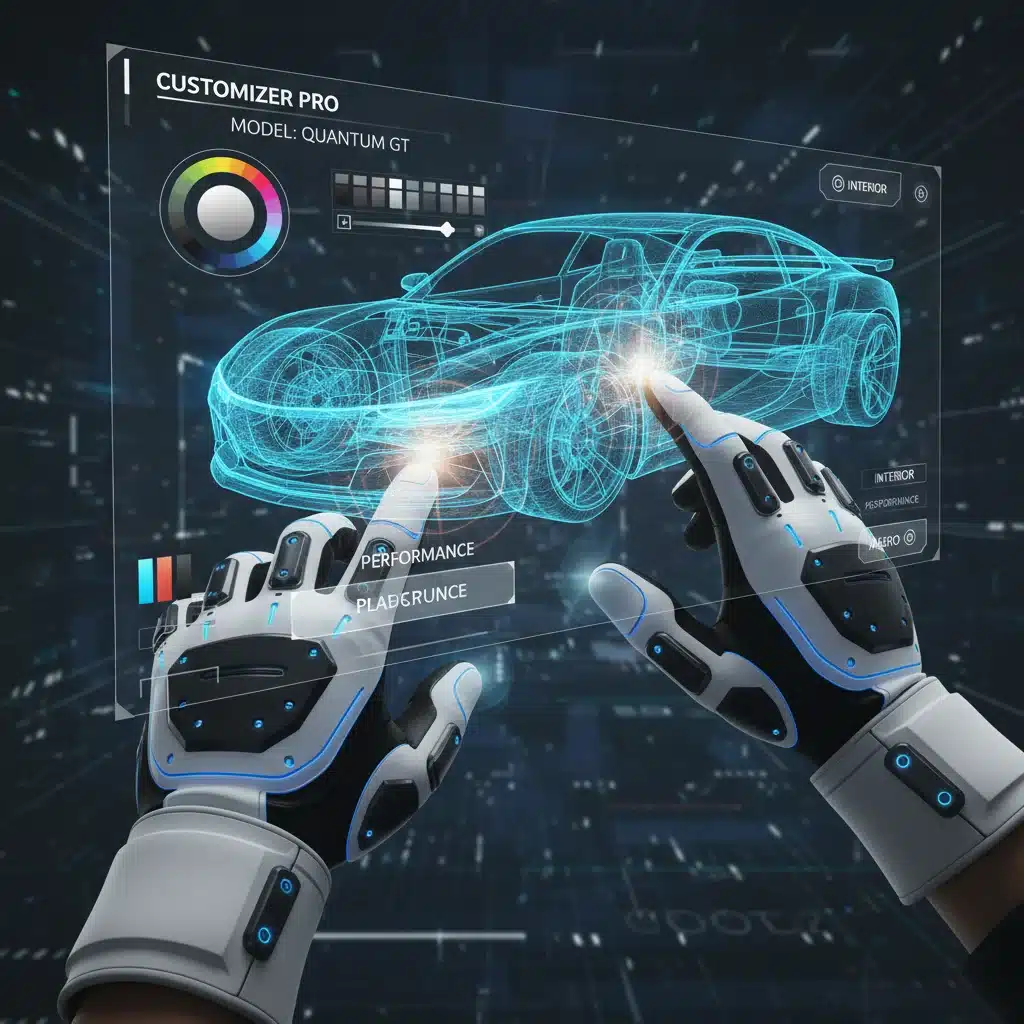
One of the most immediate and impactful applications of VR for customer engagement is the creation of immersive product demonstrations and virtual showrooms. Imagine a potential customer in Kansas City being able to virtually walk through a luxury car dealership in Beverly Hills, customize their dream vehicle with every detail, and even take it for a simulated test drive – all from the comfort of their home. This is the power of VR.
For industries ranging from automotive and real estate to fashion and retail, virtual showrooms offer an unprecedented level of interaction and personalization. Customers can explore products in 3D, manipulate them, change colors, materials, and configurations, and even see how they would look in different environments. This goes far beyond static images or 2D videos, providing a truly experiential understanding of the product. This strategy significantly enhances the pre-purchase experience, addressing common consumer pain points like lack of access to physical stores or limited product visibility.
Consider the real estate sector. Instead of relying on photos and floor plans, potential buyers can take a VR tour of a property, walking through each room, experiencing the views from windows, and even visualizing furniture placement. This not only saves time for both buyers and agents but also creates a more emotionally engaging experience that can accelerate the decision-making process. For international buyers, this becomes an invaluable tool, opening up new markets for U.S. properties.
The customization aspect is also a huge draw. For example, a furniture brand could allow customers to design their own sofa in VR, choosing fabrics, dimensions, and styles, and then visualize it in a virtual representation of their own living room. This level of co-creation fosters a strong sense of ownership and personal connection with the product, long before the purchase is even made. This isn’t just about selling; it’s about empowering the customer and making them an integral part of the product journey.
Implementing this strategy requires high-quality 3D modeling and VR development expertise, but the return on investment can be substantial. Increased conversion rates, reduced return rates (due to more informed purchases), and enhanced brand perception are just some of the benefits. By 2026, virtual showrooms will be a standard offering for many U.S. brands, making early adoption a significant competitive advantage in VR customer engagement.
Strategy 2: Personalized Brand Storytelling and Experiential Marketing
Beyond product demonstrations, VR excels at crafting personalized brand narratives and delivering unforgettable experiential marketing campaigns. In a world saturated with information, cutting through the noise requires more than just a catchy slogan; it demands a compelling story that resonates deeply with the audience. VR provides the ultimate platform for this.
Imagine a travel company offering a VR experience that transports potential tourists to the vibrant streets of New Orleans during Mardi Gras, allowing them to feel the energy, hear the music, and even interact with virtual revelers. Or a conservation organization taking users on a VR journey through the Amazon rainforest, highlighting the beauty and fragility of the ecosystem. These experiences are not just informative; they are transformative, building an emotional connection that traditional marketing struggles to achieve.
Personalization is key here. VR experiences can be tailored based on user preferences, past interactions, or demographic data. For example, a sports brand could create a VR training simulation where users are coached by their favorite athlete, complete with personalized feedback and challenges. This level of bespoke content makes the customer feel valued and understood, strengthening their bond with the brand.
Experiential marketing through VR can also extend to virtual events. Conferences, product launches, and even concerts can be hosted in immersive VR environments, allowing participants from across the U.S. (and the world) to interact, network, and engage with content in a way that transcends geographical barriers. These virtual events can offer unique opportunities for sponsorship, brand activations, and data collection, providing valuable insights into consumer behavior.
The beauty of personalized brand storytelling in VR is its ability to create advocates. When a customer has a profoundly positive and memorable experience with a brand in VR, they are far more likely to share that experience with others, becoming organic promoters. This word-of-mouth marketing, amplified by the novelty and impressiveness of VR, can be incredibly powerful. By 2026, U.S. brands that invest in rich, personalized VR narratives will see a significant uplift in brand loyalty and advocacy, solidifying their VR customer engagement efforts.
Strategy 3: Interactive Training and Educational Modules
While often overlooked in direct marketing discussions, VR’s potential for interactive training and educational modules offers a powerful, indirect path to customer engagement, particularly for B2B brands or companies with complex products and services. By empowering customers with knowledge and skills through immersive learning, brands can build trust, demonstrate value, and foster long-term relationships.
Consider a software company that offers complex enterprise solutions. Instead of lengthy manuals or static video tutorials, they could provide VR training modules that allow users to practice tasks in a simulated environment, making mistakes without real-world consequences. This hands-on, immersive learning accelerates proficiency, reduces support calls, and ultimately leads to higher customer satisfaction and retention. For U.S. businesses, this means a more efficient workforce and a stronger partnership with their solution providers.
In the healthcare sector, VR can be used to educate patients about procedures, demonstrate the proper use of medical devices, or even provide therapy in a controlled, virtual setting. A pharmaceutical company could offer VR experiences that explain the science behind their medications in an engaging and understandable way, building patient confidence and adherence. This not only benefits the end-user but also positions the brand as an innovative and caring leader.
For consumer brands, educational VR can take the form of product onboarding. Imagine a new homeowner learning how to use their smart home devices through a VR simulation, rather than struggling with complicated instructions. Or a DIY enthusiast getting a step-by-step VR guide for assembling furniture or completing a home improvement project. These experiences make products easier to use, reducing frustration and enhancing the overall customer experience.
The benefits extend to employee training as well, which, while internal, indirectly impacts customer service and product knowledge. Well-trained employees are better equipped to serve customers, creating a virtuous cycle of positive interactions. By investing in VR for training and education, U.S. brands are not just improving internal processes; they are strategically enhancing their entire customer ecosystem, making VR customer engagement a multifaceted endeavor.
The key takeaway here is that education, when delivered effectively, is a powerful form of engagement. When customers feel empowered and knowledgeable about a brand’s offerings, their loyalty and advocacy naturally increase. VR provides an unparalleled platform for delivering this empowerment, making it an indispensable tool for forward-thinking U.S. marketers by 2026.
Strategy 4: Blending Physical and Virtual: Hybrid Experiences
The future of VR customer engagement isn’t solely about fully virtual worlds; it’s also about seamlessly blending physical and virtual experiences to create ‘phygital’ interactions. This hybrid approach leverages the best of both worlds, offering the tangibility and human connection of physical spaces with the boundless possibilities of VR.
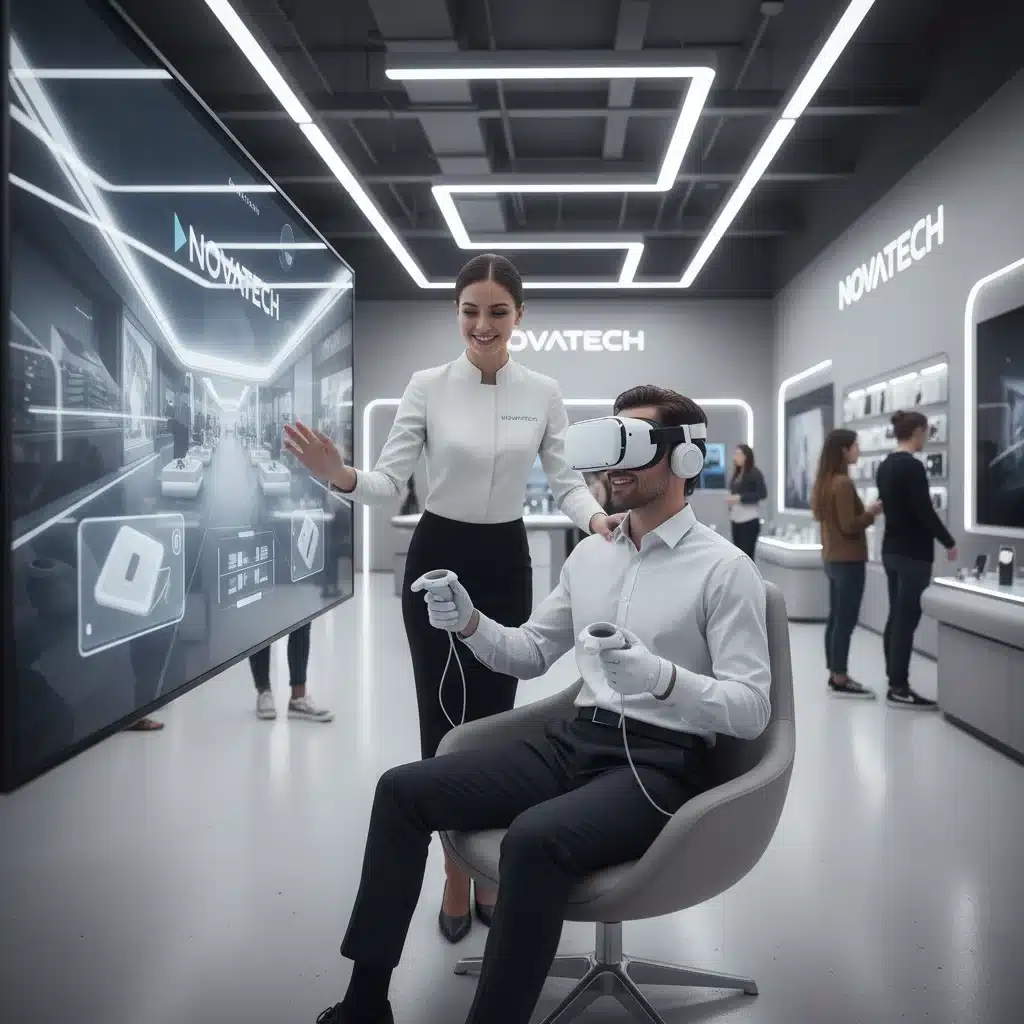
Think of retail environments. A customer might enter a physical store, but instead of just browsing shelves, they put on a VR headset to explore an expanded inventory, visualize products in different settings, or even interact with a virtual brand ambassador. This allows retailers to offer a vast selection without needing massive physical footprints, enhancing the in-store experience and providing a competitive edge against purely online retailers.
Pop-up VR experiences at events, trade shows, or even public spaces are another excellent example. A brand could set up a VR booth at a U.S. music festival, offering an immersive experience related to their product – perhaps a virtual concert stage tour for a music equipment company, or an extreme sports simulation for an athletic wear brand. These fleeting, high-impact experiences generate buzz, attract attention, and drive foot traffic to physical locations or online platforms.
Augmented Reality (AR), often considered a cousin to VR, plays a crucial role in this hybrid strategy. AR apps that allow customers to virtually ‘try on’ clothes, place furniture in their homes, or see product information overlaid on physical objects bridge the gap between digital and physical. While not pure VR, AR’s ability to enhance the real world with digital elements complements VR’s immersive capabilities, creating a holistic engagement strategy.
The integration of haptic feedback, motion platforms, and even scent dispensers in physical VR setups further blurs the lines, creating truly multi-sensory experiences. Imagine a theme park ride enhanced with VR, where the physical movements of the ride are perfectly synchronized with a virtual world, making the experience incredibly realistic and thrilling. These types of innovations are already being explored and will become more commonplace by 2026.
For U.S. marketers, the key is to identify touchpoints where VR can augment or enhance a physical interaction, rather than completely replace it. This strategy acknowledges that while VR offers incredible immersion, the human desire for tangible interaction and social connection remains strong. By creating a harmonious blend, brands can deliver unparalleled VR customer engagement that feels both futuristic and grounded in reality.
Implementing Your VR Customer Engagement Strategy by 2026
Successfully integrating VR into your U.S. marketing strategy by 2026 requires careful planning and execution. It’s not enough to simply create a VR experience; you need to ensure it aligns with your brand values, meets your marketing objectives, and provides genuine value to your customers. Here are some key considerations for implementation:
- Define Clear Objectives: What do you want to achieve with VR? Is it increased brand awareness, lead generation, sales, customer loyalty, or education? Clear objectives will guide your content creation and measurement.
- Understand Your Audience: Who are your target customers, and what kind of VR experiences would resonate with them? Research their preferences, tech savviness, and pain points to tailor your content effectively.
- Choose the Right Technology: Decide whether high-end tethered VR, standalone headsets, or even mobile VR (using smartphones) is appropriate for your budget and desired experience quality. Consider accessibility for your target audience.
- Focus on Quality Content: A poorly executed VR experience can do more harm than good. Invest in high-quality 3D assets, compelling narratives, and smooth performance to ensure a positive user experience.
- Integrate with Existing Channels: VR should be part of a broader marketing ecosystem. Promote your VR experiences through your website, social media, email campaigns, and physical touchpoints.
- Measure and Iterate: Track key metrics such as engagement time, user feedback, conversion rates, and social shares. Use this data to refine your VR experiences and optimize future campaigns.
- Consider Partnerships: Collaborating with VR development studios, content creators, or even other brands can help you leverage expertise and resources, especially for complex projects.
- Educate Your Internal Teams: Ensure your sales, customer service, and marketing teams understand the VR strategy and how to discuss it with customers.
The cost of VR development has become more accessible, but it still represents a significant investment. Therefore, a strategic approach is paramount. Start small, experiment with pilot programs, gather feedback, and scale up as you gain confidence and data. The learning curve for VR can be steep, but the rewards for early adopters and innovators are immense.
The Future is Immersive: Don’t Be Left Behind
The landscape of U.S. marketing is on the cusp of a revolutionary transformation, with VR leading the charge in redefining customer engagement. By 2026, brands that have successfully integrated immersive experiences into their strategies will not only captivate their audiences but also build deeper, more meaningful connections that foster unparalleled loyalty. The four strategies outlined – immersive product demos, personalized brand storytelling, interactive training, and hybrid physical-virtual experiences – provide a robust framework for harnessing the power of VR.
This isn’t just about adopting a new technology; it’s about embracing a new philosophy of interaction. It’s about moving from passive consumption to active participation, from broadcasting messages to co-creating experiences. The brands that understand this fundamental shift and proactively invest in VR customer engagement now will be the ones that dominate the U.S. market in the coming years.
The opportunity is here to differentiate your brand, create memorable moments, and forge unbreakable bonds with your customers. Don’t wait until VR is ubiquitous; start exploring its potential today. The future of marketing is immersive, and the time to build your virtual connection is now.
Embrace the challenge, unlock the potential of virtual reality, and position your brand as a leader in the next generation of customer interaction. The journey to maximizing customer engagement with VR experiences begins today.